Programme
overview.
See curriculum →
The B.Des. in Product Design prepares students to conceive, develop, and refine products for real-world industrial and consumer applications.
The programme blends creative ideation with technical rigor - covering materials science, ergonomics, CAD modeling, rapid prototyping, and sustainability across 4 years of studio practice.
Your 4-year
curriculum.
How to apply →
First Year: Foundation Year
Understanding Design, Materials & Form.
- Design principles, visual thinking, and creative exploration
- Materials, craft processes, and manufacturing basics
- Space, form, structure, and environmental perception
- Design history, evolution, and cultural perspectives
- Introduction to design thinking and problem-solving
- Toy design, theatre & design, and experiential learning
Second Year: Skill Enhancement
Developing Product Design Skills & Methods.
- Product form studies and CMF (Colour, Material & Finish)
- Design studios focusing on simple and nature-inspired products
- Ergonomics, anthropometry, and human-centered design
- Basic mechanisms, engineering, and design psychology
- CAD, software skills, makers lab, and prototyping
- Packaging, installation design, and product research methods
- Material & manufacturing processes
Third Year: Specialisation
Industry Exposure, Advanced Design & Emerging Technologies.
- User experience design and interaction principles
- Industry-driven product design studios
- Techno-aesthetic detailing and product semantics
- Emerging technologies and complex product systems
- Product branding and accessory design
- Apprenticeship in product development
- Design for special needs and inclusive design
Fourth Year: Professional Practice
Leadership, Sustainability & Independent Practice.
- Design innovation and sustainability
- Social design and systems thinking
- Design entrepreneurship and business strategies
- Professional portfolio development
- Internship and industry immersion
- Research-led graduation project
Semester
subjects.
How to apply →
- Material Matters
- Craft Experience
- Designverse
- Design Thinking
- Design: Contexts & Perspectives
- Environmental Perception
- Space, Form & Structure
- Space, Form & Structure
- Design Evolution
- Theatre & Design
- Toy Design
- Material & Manufacturing Process
- Design Studio - Nature Inspired Products
- Design Studio - Simple Products
- Ergonomics & Anthropometry
- Elements & Principles of Product Design
- Design for Manufacturing
- Form Studies I
- Software Skills & Representation
- Basic Mechanisms & Engineering
- Product Makers Lab
- Design Research Methods
- Colour, Material & Finish Studies
- Packaging & Promotion Studio
- Design Psychology
- Installation Design
- User Experience Design
- Anthropology: Object, Sites & Systems
- Design Studio - Industry Driven Project
- Design Studio - Design for Special Needs
- Semantics & Semiotics
- Technically Complex Product
- Techno-Aesthetic Detailing
- Design Management I
- Emerging Technologies for Product
- Design Documentation & Portfolio
- Apprenticeship in Product Development
- Product Branding
- Principles of Interaction Design
- Design Psychology
- Design Entrepreneurship
- Design Innovation & Sustainability
- Social Design + Systems Design
- Graduation Project
- Industry Internship (6 months)
Career outcomes.
Apply now →Product Designer
Industrial Designer
Furniture Designer
Design Researcher
CAD & Visualisation Specialist
Packaging Designer
Design Strategist
Studios
& facilities.
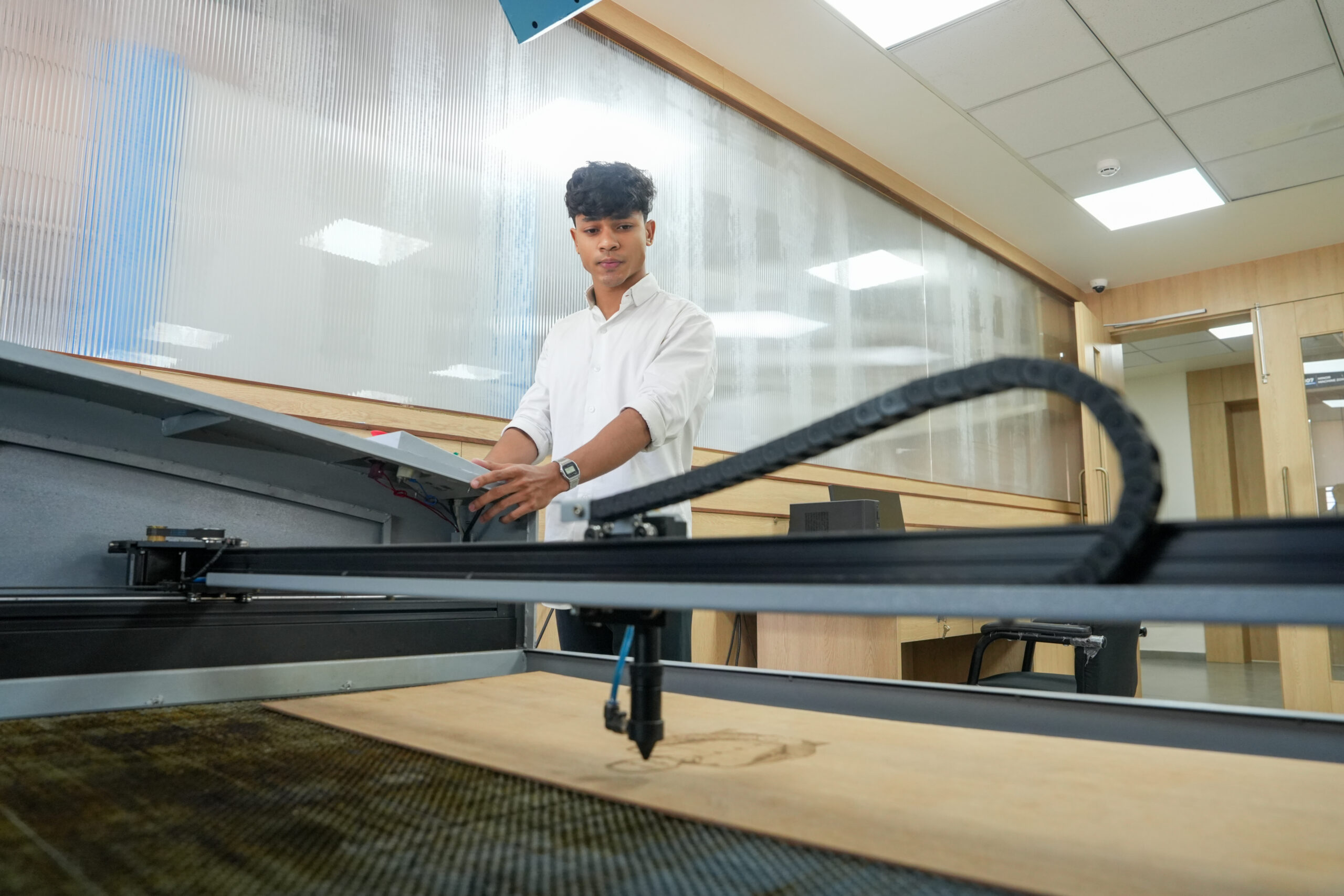
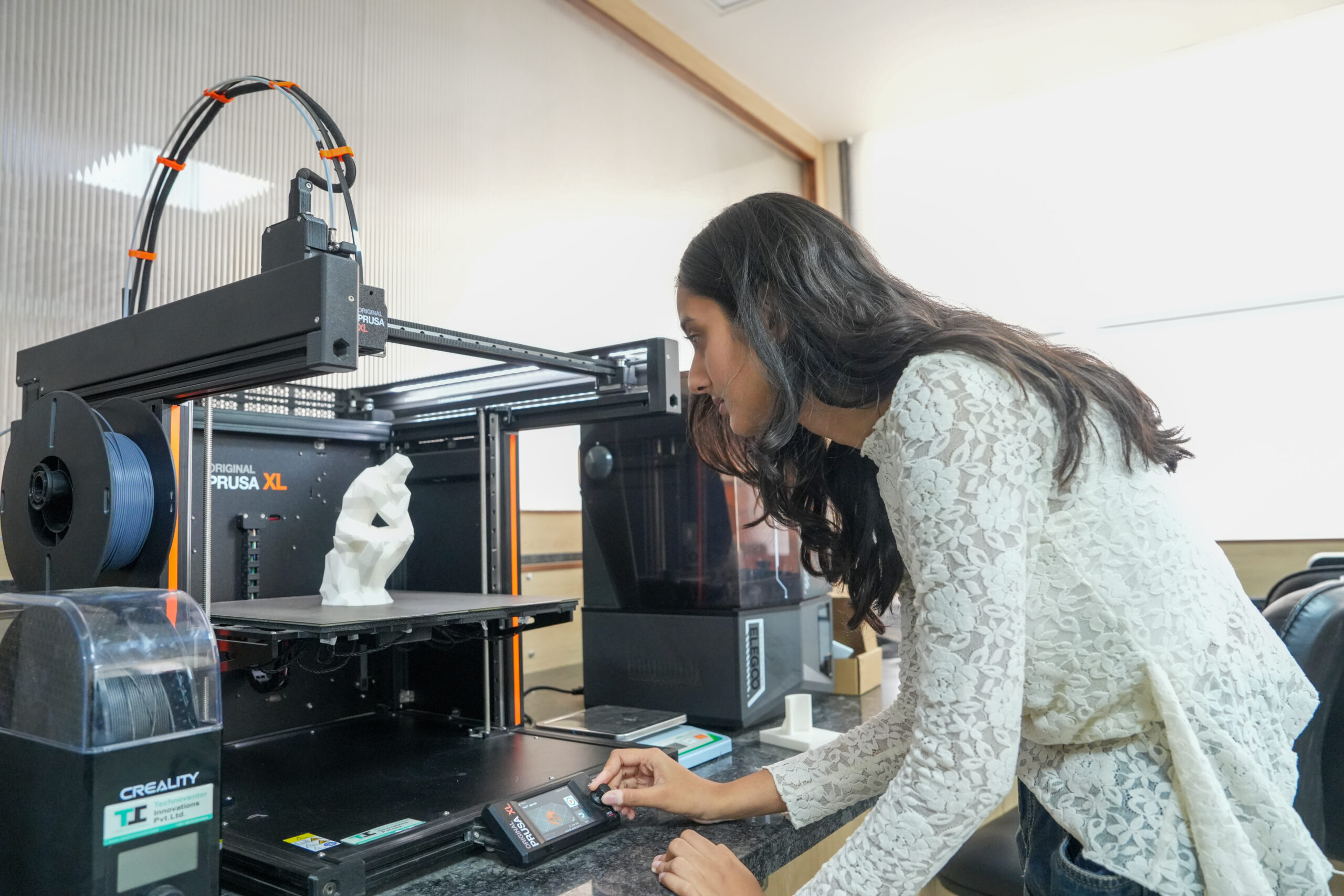
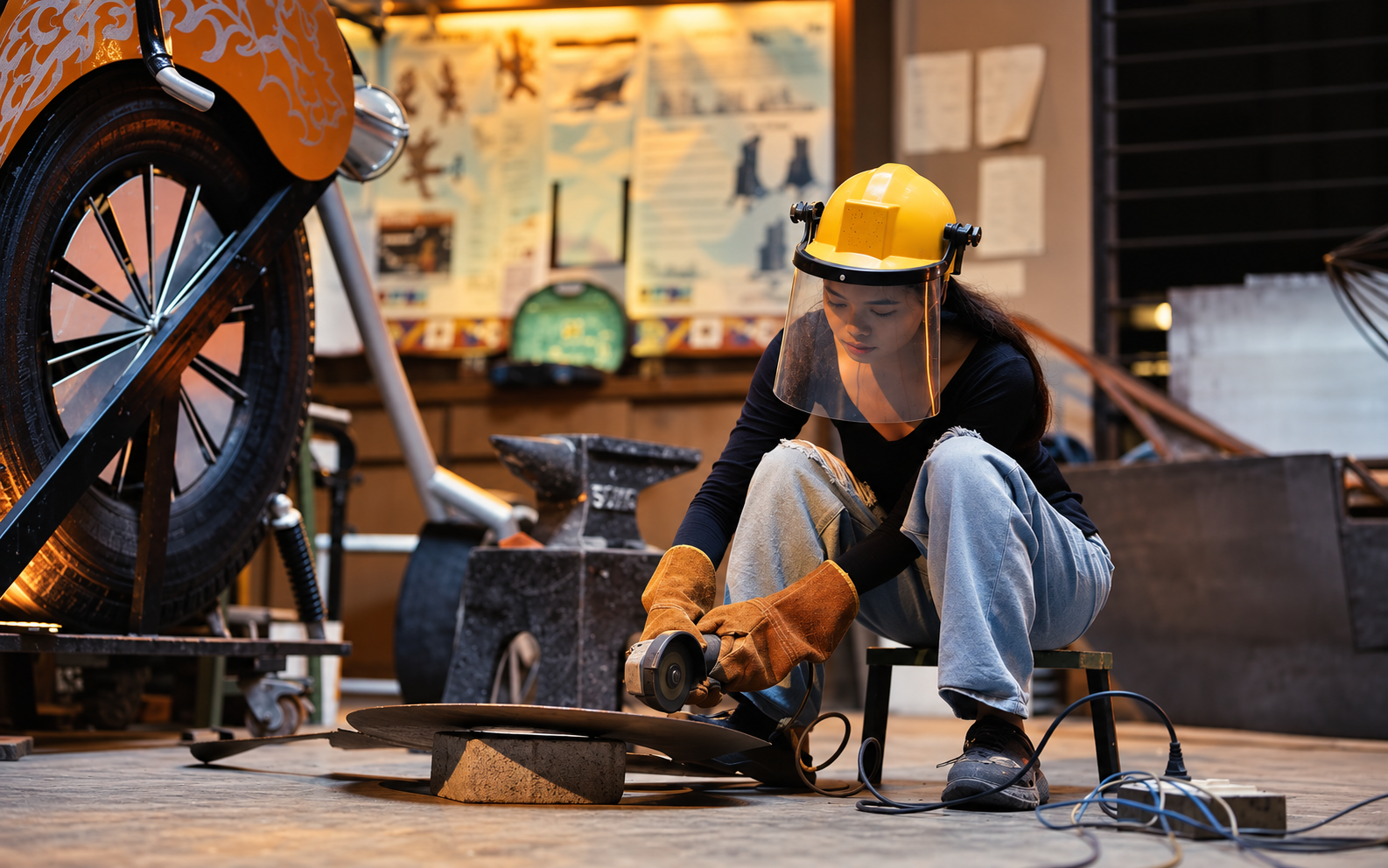
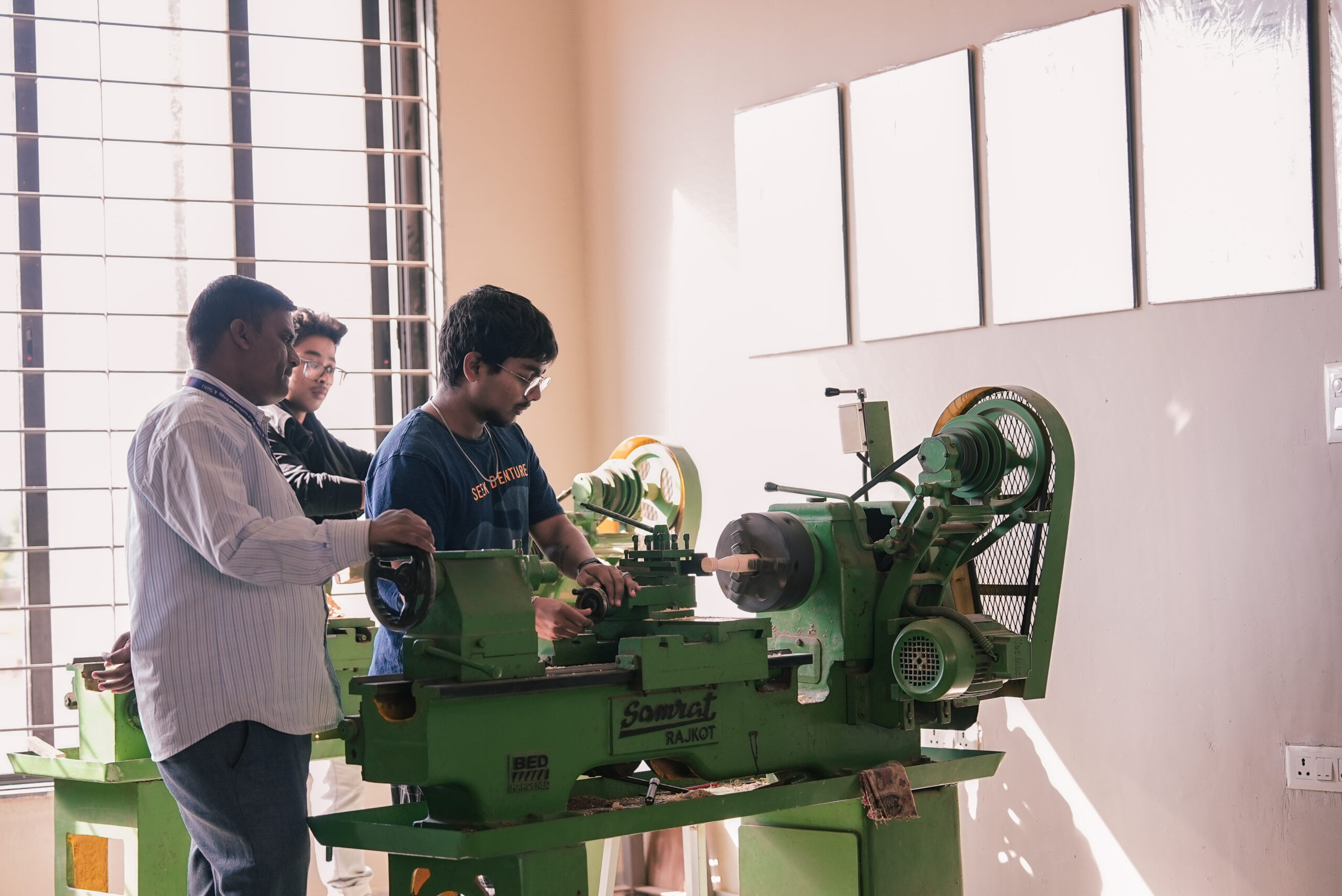
Laser Cutting Lab
Precision cutting and pattern engraving.
3D Printing Lab
Geometric and organic form prototyping.
Metal Fabrication Lab
Full-scale industrial model-making.
Wood Working Lab
Furniture construction and joinery.
Design Aptitude Test
An online entrance test assessing visual sensitivity, creative thinking, and logical reasoning. No prior design experience required.
Portfolio Review
Submit work reflecting your creative curiosity - sketchbooks, photographs, mood boards, and DIY projects all qualify.
Frequently
asked.
Product designers are hired across manufacturing, FMCG, furniture, electronics, automotive, and startup sectors. Major recruiters include Titan Industries, Godrej, TATA, and hundreds of design consultancies.
No. The programme is open to students from all streams. Technical skills like CAD and materials knowledge are taught from scratch within the curriculum.
India’s manufacturing sector and growing startup ecosystem are driving strong demand. The government’s Make in India initiative and rise of homegrown consumer brands have significantly expanded career opportunities.
Ready to design your future?
Apply for PU-DAT 2026.
Applications for the 2026 cohort are open. Sit the PU-DAT, share your portfolio, and step into India's most exciting creative classroom.