UX & Interaction
Design · with AI
Design intuitive digital products - powered by AI, grounded in human needs.
Programme
overview.
See curriculum →
The B.Des in UX & Interaction Design (with AI) trains students to design digital products and experiences that are intuitive, inclusive, and intelligent.
From user research and interface design to prototyping and AI-assisted workflows, graduates become product designers who shape how people interact with technology.
Your 4-year
curriculum.
How to apply →
First Year: Foundation Year
Building Design Thinking & Visual Fundamentals.
- Visual language, form, space, and structure
- Design thinking and human-centred design basics
- Typography, colour, and layout fundamentals
- Introduction to digital tools and design software
- Design history and the evolution of interfaces
Second Year: Skill Enhancement
Core UX & UI Foundations.
- User research methods and empathy mapping
- Information architecture and interaction patterns
- Wireframing, prototyping, and usability principles
- UI design systems, components, and design tokens
- Introduction to AI tools for ideation and research
- Motion design and micro-interactions
Third Year: Specialisation
AI-Driven Product & Interaction Design.
- Advanced UX research and data-driven design
- Generative AI & prompt design for design workflows
- Designing for AI products (assistants, chat, ML UX)
- Prototyping with AI tools (Figma AI, Uizard, Framer)
- Accessibility, inclusive design, and design ops
Fourth Year: Professional Practice
Professional Practice & Capstone.
- Professional UX/UI portfolio development
- Industry internship on live product briefs
- Research-driven capstone / graduation project
- Design leadership and the ethics of AI
- Stakeholder communication and developer handoff
Semester
subjects.
How to apply →
- Material Matters
- Designverse
- Design: Contexts & Perspectives
- Space, Form & Structure
- Design Evolution
- Design Concepts
- Design Thinking & Human-Centred Design
- Fundamentals of UI Design
- Typography for Screens
- Design Project - Interface Basics
- Design Communication
- UX Elective
- User Research Methods
- Interaction Design I
- Information Architecture
- Design Project - App Design
- Design Research Process
- UX Elective
- Wireframing & Prototyping
- UI Design Systems
- Usability & Heuristics
- Design Project - Responsive Web
- Intro to AI Tools for Design
- Motion & Micro-interactions
- UX Elective
- Design Apprenticeship
- Generative AI for Design
- Prompt Design & Workflows
- UX for AI Products
- Design Management
- Service Design
- UX Elective
- Advanced Prototyping (AI Tools)
- Data-Driven & Personalised UX
- Accessibility & Inclusive Design
- Design Ops
- Product Design Studio
- Design Entrepreneurship
- UX Elective
- Portfolio Development
- Graduation Project
- Industry Internship (6 months)
Career outcomes.
Apply now →UX Designer
UI / Visual Designer
Product Designer
Interaction Designer
UX Researcher
AI Product Designer
Design Technologist
Studios
& facilities.
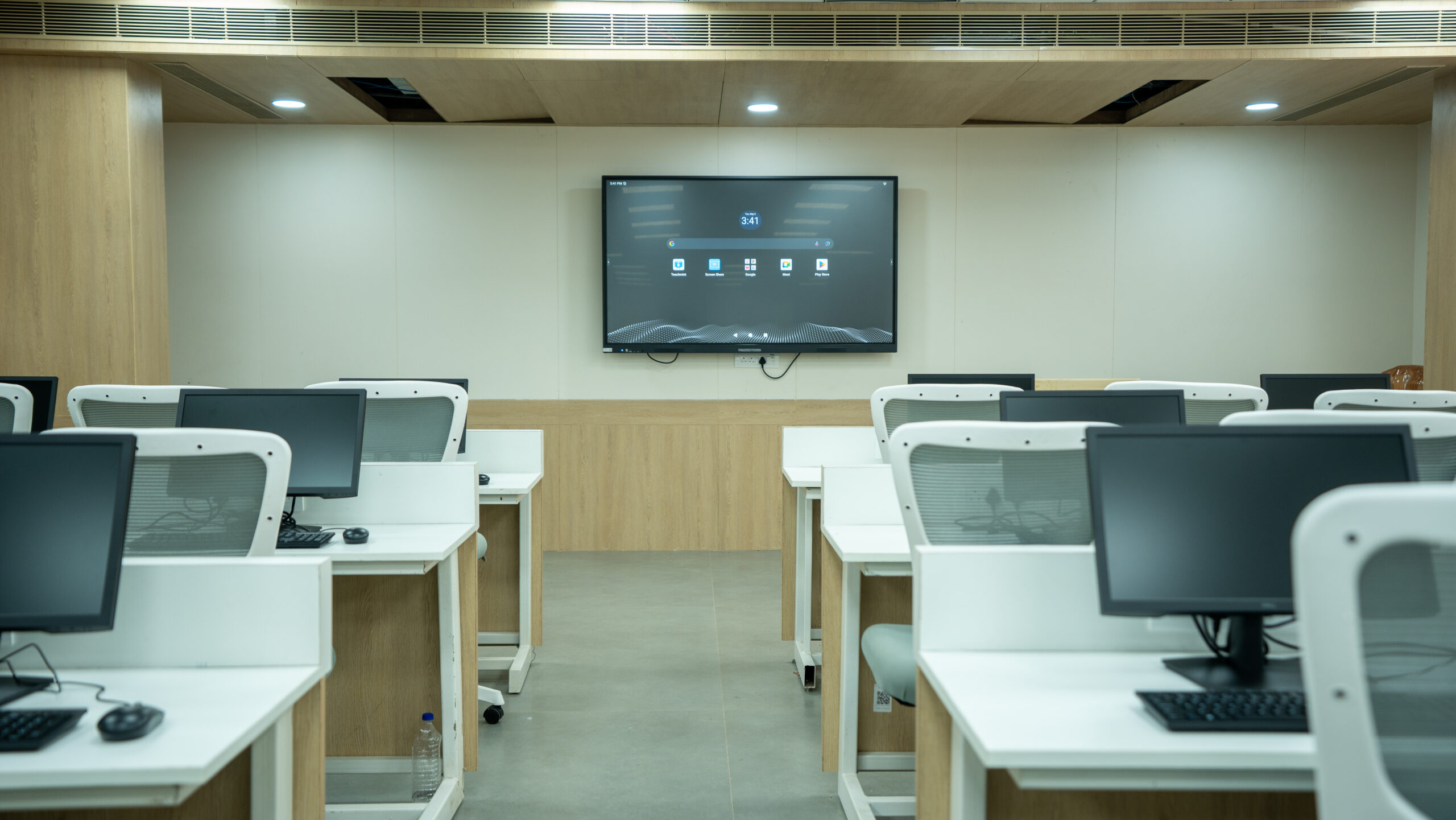
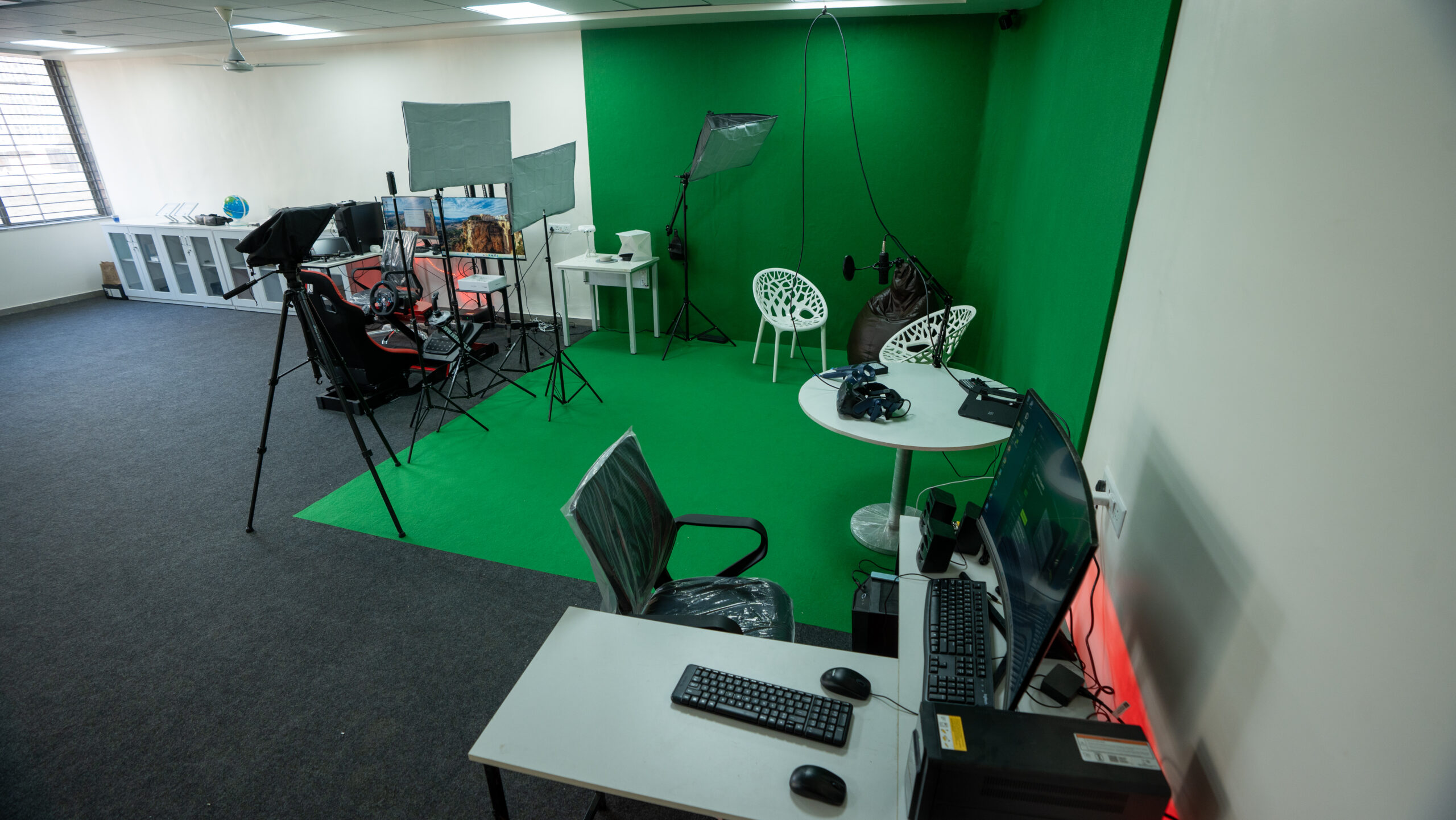

UX / UI Design Lab
Figma, Framer & prototyping workstations.
AI & Emerging Tech Lab
Gen-AI, AR/VR and interaction prototyping.
Computer Labs
Industry-standard design & dev software.
Design Aptitude Test
An online entrance test assessing visual sensitivity, creative thinking, and logical reasoning. No prior design experience required.
Portfolio Review
Submit work reflecting your creative curiosity - sketchbooks, photographs, mood boards, and DIY projects all qualify.
Frequently
asked.
Yes. UX & product designers are among the most in-demand and best-paid design roles in India, hired across tech companies, startups, SaaS, fintech and e-commerce. As products get AI-powered, demand for designers who understand both users and AI is growing fast.
No prior coding or drawing skills are required. UX is about understanding people and solving problems. PID’s Year 1 Foundation builds design thinking and visual fundamentals from scratch; prototyping and light front-end basics are introduced gradually.
AI is woven through every stage – research, ideation, prototyping and testing – using tools like Figma AI, Uizard, Framer, ChatGPT and Gemini. You’ll learn to use AI as a design copilot and to design AI-powered products themselves, always with human judgement and oversight.
Ready to design your future?
Apply for PU-DAT 2027.
Applications for the 2027 cohort are open. Sit the PU-DAT, share your portfolio, and step into India's most exciting creative classroom.