Chef Ashish Bhasin: Experimentation Leads to Evolution
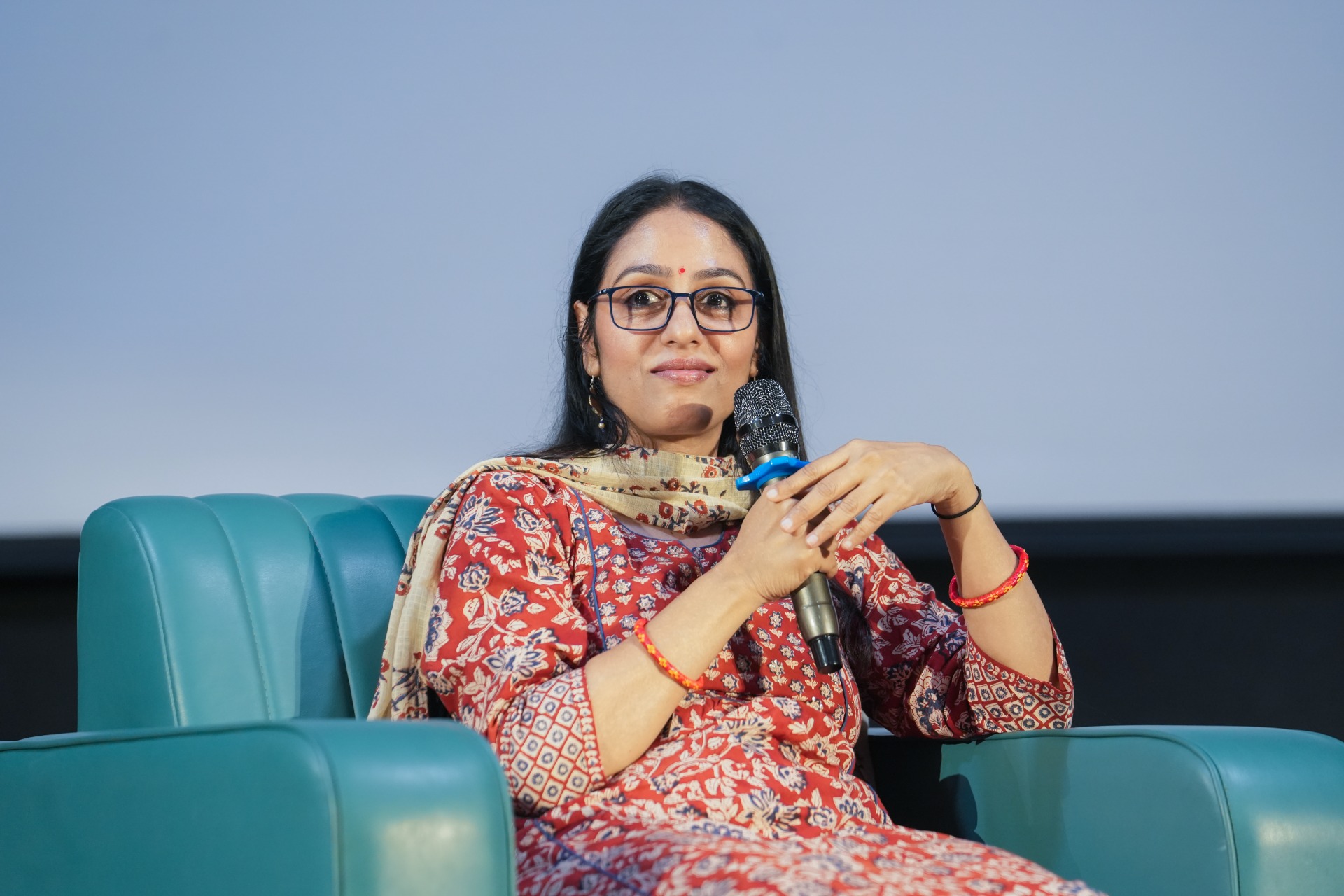
MasterChef Mom, Chef Uma Raghuraman, writes blogs and has a YouTube channel. She is active on social media platforms, too. The recipes that she shared are mostly for the home cooks that carry a story of tradition and history. She interacted with the hospitality students at the Central Auditorium of Parul University about why Indian recipes should be preserved, where Korean, Thai, and Mediterranean cooking are increasingly popular in Indian kitchens.
Her argument was specific: preservation does not mean freezing recipes in time. It means understanding them deeply enough to carry them forward. She pointed out that Indian festival food is not random. Navratri fasting prepares the body for summer. Pongal dishes use the harvest of that season. Each regional variation of a festival menu reflects the crops, climate, and nutritional logic of that geography. When someone understands this, they can innovate without losing what matters.
On innovation, she used the dosa as an example. It now comes stuffed with cheese and paneer in many restaurants, but nobody has stopped calling it a dosa. Pizza, similarly, was adapted by Indians into paneer makhani pizza. If Italians had insisted pizza could only be made one way, it would never have reached India. Adaptation is how a recipe stays alive.
Her strongest point was on documentation. Recipes that are not written down, translated into multiple languages, and shared with context will fade. She described her own practice of visiting new places, meeting local cooks, and asking how a particular dish came to be. She posted a photograph of curd rice and potato fry on Instagram and invited people to share their own memories connected to the dish. The responses poured in. The dish itself was secondary to the memory it triggered. That personal connection is what separates food documentation from a plain recipe card.
On superfoods, she noted that many of the globally celebrated superfoods originate in India: ghee, turmeric, amla, ginger, and moringa. Her challenge to the students was to start articulating calorie counts and protein breakdowns alongside traditional dishes, not to make cooking clinical, but to demonstrate that an Indian thali can compete with any imported wellness trend on its own terms.
In the Q&A, a student asked about disappearing recipes from specific regions. Chef Uma brought up Amla Ki Kadi, a Rajasthani dish made in an iron karai that produces a dark green colour. She learned it from Chef Samir, a local cook. It has no curd. She said a dish’s worth has nothing to do with how it looks. On commercializing traditional food, she was direct: comfort food crosses generations and cultures. But the condition is clear. Be true to the recipe, but be aware of where you are serving it.
Preserve the traditional recipes and learn more at Faculty of Hotel Management at Parul University.
Chef Ashish Bhasin: Experimentation Leads to Evolution
Chef Ashish Bhasin brought 25+ years of experience from India’s top hotel kitchens to the session. He graduated from IHM Pusa (Delhi), trained at the Taj Hotel Management Institute, and worked with the Taj Group, Oberoi Group, and The Leela Group. He served as executive chef at The Leela Ambience Gurugram, was ranked among the top 5 hotel chefs in India in 2018, and opened Threesixty Degrees at The Oberoi, Delhi. He has cooked for the president of India and the Ambani family. He is the founder of CB Hospitality, a food and hospitality consulting company.
His core message to students was a single phrase: experimentation leads to evolution. He demonstrated this through specific examples. Take a French classical dish, its process and method, adopt the system, and add Indian flavors. Or take an Indian dish and introduce Western or European flavor profiles. A pie with Indian fillings like keema or mushroom masala. Chicken tikka marinated with wine, lemongrass, lemon leaf, and basil for an Asian profile. The flavor profile stays Indian, which an Indian palate will always enjoy, but the texture and concept become European or Asian. The result is a new dish in the market.
On AI and technology in kitchens, Chef Bhasin was emphatic: AI will not take jobs. It will make work better. He drew a historical parallel. When machines first entered kitchens, work that took nine hours was reduced to thirty minutes. That did not eliminate jobs. It freed time. People focused on better things. Quality improved. More people started eating out. More restaurants opened. More job opportunities followed. More IHMs opened. The cycle continued. AI is a tool, like a machine. It gives you ingredient combinations on paper. But who brings it to the plate? The chef does.
On plating and presentation: very important, he said. People consume food with all five senses. The chef should use the sixth sense to make it precious. But presentation does not affect taste. On speed and efficiency: planning and practice. He referenced the principle that you cannot win with a thousand moves practised once, but you can win with one move practised a thousand times.
FAQ
What do celebrity chefs teach at Parul University?
Chefs at the Vadodara Food Festival teach hotel management students about preserving traditional recipes, food documentation, Indian superfoods (ghee, turmeric, amla, moringa), AI in kitchens, fusion cooking techniques, plating, presentation, and the business of food. Sessions include direct Q&A with hospitality students.
Does Parul University have a hotel management programme?
Yes. The Faculty of Hotel Management and Catering Technology organises the Vadodara Food Festival, brings celebrity chefs (MasterChef winner, Top 5 Hotel Chef, IFCA President) to campus, and provides students with hands-on experience through 40 student-run restaurant operations alongside expert sessions.


