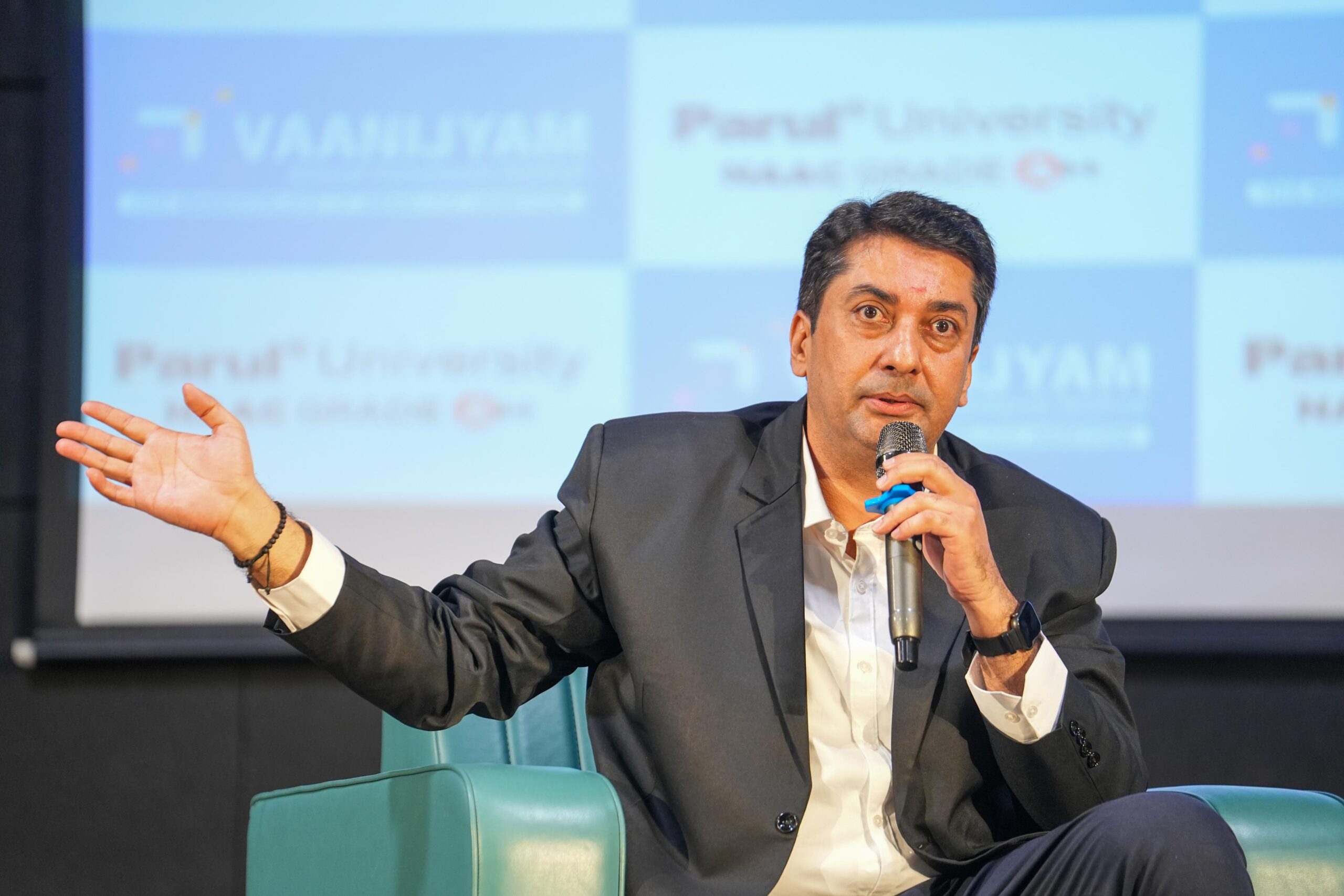
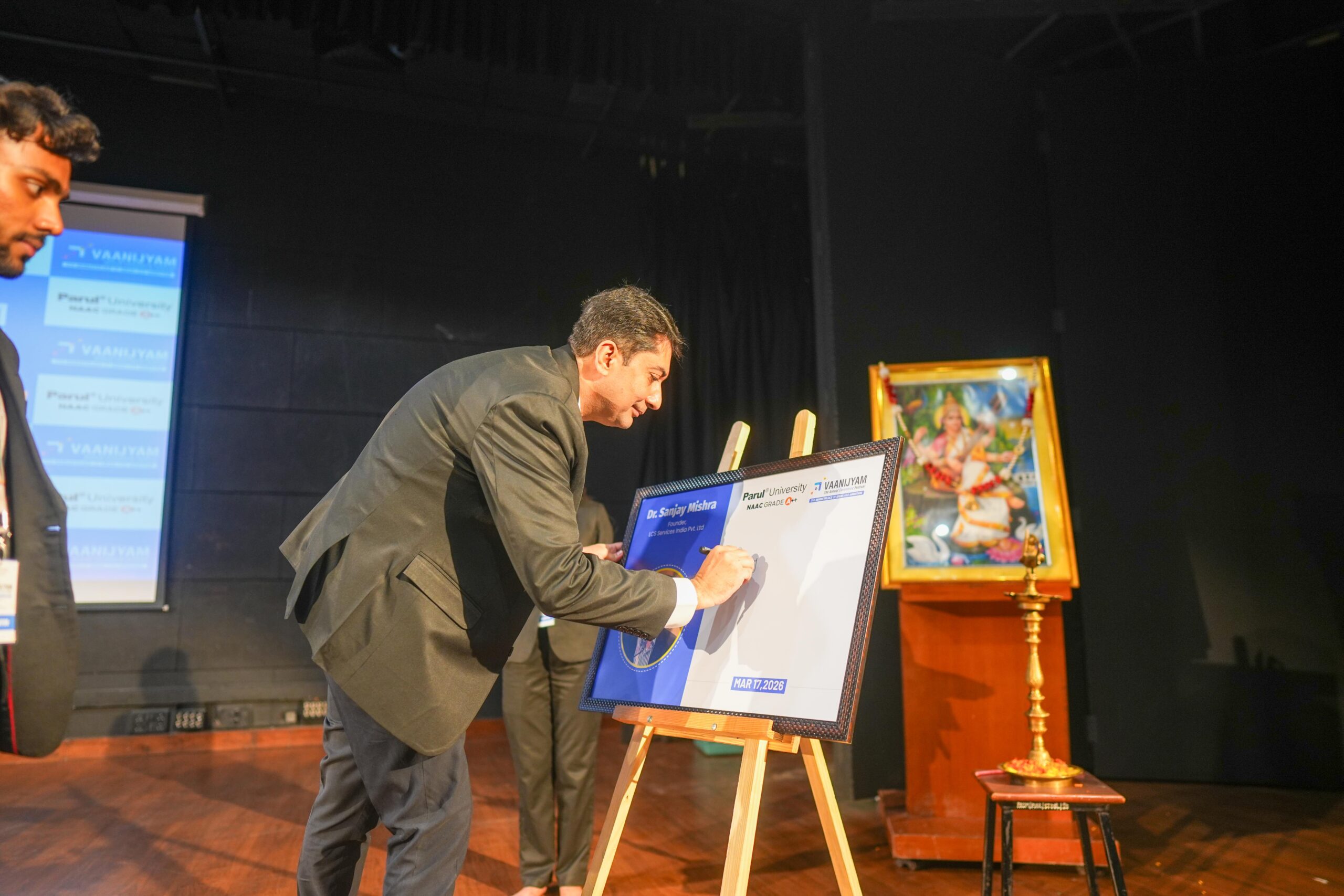
Dr. Mishra made an argument that sounds like an exaggeration until the logic is traced through: the chemical industry is the mother of all industries. Every sector feeds from it. Pharmaceuticals, agriculture, textiles, automobiles, electronics, energy, FMCG. To illustrate the point, he referenced the Strait of Hormuz, which at its narrowest is only 20-21 kilometers wide. A blockade there cascades into global petroleum and gas price surges across Vietnam, Australia, the US, Germany, and China simultaneously. Since crude oil and natural gas are the origin of virtually all petrochemicals, everything downstream follows. Safety in chemical transportation is not a niche concern. It is a linchpin of how the global economy stays functional.
The Road Safety Center: Air Traffic Control for Hazmat Trucks
The centerpiece of LCS Services is the RSC (Road Safety Center), modelled directly on Air Traffic Control. Just as ATC monitors every aircraft through GPS, the RSC monitors 1,50,000+ vehicles carrying hazardous chemicals across India every day, around the clock, from LCS Twin Towers in Vadodara. Operators can see inside a tanker’s cabin in real time through in-vehicle cameras. No driver knows where the control room is.
The scale of what is being tracked:
- 1,00,000+ HAZCHEM tankers monitored daily (20,000+ gas, 80,000+ liquid chemicals)
- 400+ hazardous chemicals in scope: flammable, toxic, explosive
- Chemicals include propylene, butadiene, ethylene oxide, benzene, naphtha, petrol, diesel, ATF, aniline, chloroform
- 400+ emergency calls per year, 2,200+ chemical emergencies managed to date
- Clients: Reliance, IOCL, JIO BP, Nayara, UPL, Adani Total, Castrol, Deepak Group
The fatality data tells the story starkly. In 2015-16 with 4,000 vehicles monitored, there were 2,000 road fatalities annually. By 2021 with 50,000 vehicles, fatalities had risen to 5,000 as the road network grew. Today with 1,50,000+ vehicles, annual fatalities have dropped to 2,600. A 48% reduction achieved entirely without physical presence.
Make your career future a demanding field with MBA in Logistics and Supply Chain Management at Parul University.
The Adoshi Tunnel Incident: Why This Work Matters
On 3 February 2026 at approximately 7:30 PM, a tanker carrying 20 metric tonnes of propylene overturned near the Adoshi tunnel on the Mumbai-Pune Expressway. The driver was speeding on a slope and lost control on a curve, damaging three valve points and triggering a significant hazardous gas leak.
The consequences were immediate and massive:
- Expressway halted for over 30 hours
- 1.5 lakh people stranded
- 20-kilometre queues in both directions
- 4 rescues by helicopter, 3 by ambulance
- 70,000 litres of water distributed to stranded travellers
LCS was the first responder alongside Maharashtra government authorities, including the chief secretary. Dr. Mishra’s point was not to dramatize. It was to explain why real-time vehicle monitoring matters in a way no policy document captures. One driver, one mistake, one chemical, and 1.5 lakh real people stranded on a real highway.
Explore the BBA in Logistics and Supply Chain Management at Parul University.
AI Alert Management: 1 Million Scenarios, Real-Time Risk Scoring
LCS’s AI Alert Management System takes GPS safety violation alerts (overspeed, harsh braking, route deviation, and geofence breach), converts them into trackable tickets, and runs them through AI rules built on approximately 1 million permutation-and-combination scenarios. The output for each alert:
- Risk Category: High, Moderate, or Low
- Risk Type: risky driving, prone to accident, suspected pilferage, suspected drunk driving
- Recommended action: call driver, verify stop, escalate to supervisor, notify client, dispatch support
Behaviour trend filters across 4, 6, 12, and 24 hours allow risk to escalate or de-escalate based on a driver’s pattern across a shift. Dr. Mishra described AI simply: it brings 50,000 brains onto one platform, gives them a situation, and the majority wins. A benzene tanker driver with two continuous dangerous events within 8 hours gets flagged as moderate risk, prone to accident. Action: advise a 10-minute break at a safe location. Simple. Grounded. The kind of intervention that probably prevents the next Adoshi.
MBA in Business Analytics at Parul University is on the rise, so become future ready.
The Next 20 Years Belong to Logistics and Supply Chain
Dr. Mishra made a bold prediction: the next two decades in India belong to logistics and supply chain. His evidence was specific. India’s logistics cost runs at ₹3.5 per kilometre versus China’s superior efficiency. Shipping turnaround time gaps persist. Government investment in freight corridors is ongoing. Hyperloop technology has already been tested at 1,000 km/hour in Bengaluru. India’s internal migration rate has dropped to 38%, meaning economic activity is spreading geographically. Wherever activity spreads, demand for finance, costing, and data analytics professionals follows.
He drew a hard distinction between knowledge and skill. Knowledge is what education provides. Skill is what you earn through doing. Neither alone is sufficient. He urged students to read more and meet more people because intelligence grows through the exchange of thought. His claim that 95% of global CEOs and managing directors come from commerce backgrounds was designed to expand how commerce students see their own field.
On entrepreneurship, he was honest about the failure rate: 95% of businesses close within three years, typically from poor costing, over-commitment, and failure to deliver. His advice: always deliver more than you commit. He referenced Honda’s rejection from Toyota, Walt Disney’s 17-year journey, and Dhirubhai Ambani’s insight that if two people always agree, one is useless. His closing line stayed with the room: the most expensive investment in life is time. Money can be lost and earned back. Time cannot.
Finance is clear when basics are clear, and it can be achieved with B.Com Accounting and Finance at Parul University.
FAQs
What does LCS Services do?
LCS Services India Pvt. Ltd. provides 24x7 real-time monitoring of 1,50,000+ vehicles carrying hazardous chemicals across India. Services include fire, safety, and disaster management training, audits, engineering solutions, and emergency response. The company has managed 2,200+ chemical emergencies and serves 150+ corporations, including Reliance, IOCL, and Adani Total.
How has AI reduced road fatalities in hazmat transport?
LCS's AI Alert Management System processes 1 million permutation scenarios for risk scoring. Fatalities in monitored fleets dropped from 5,000 (2021) to 2,600 today: a 48% reduction through virtual monitoring without physical presence on the road.


