What Is Udhyam?
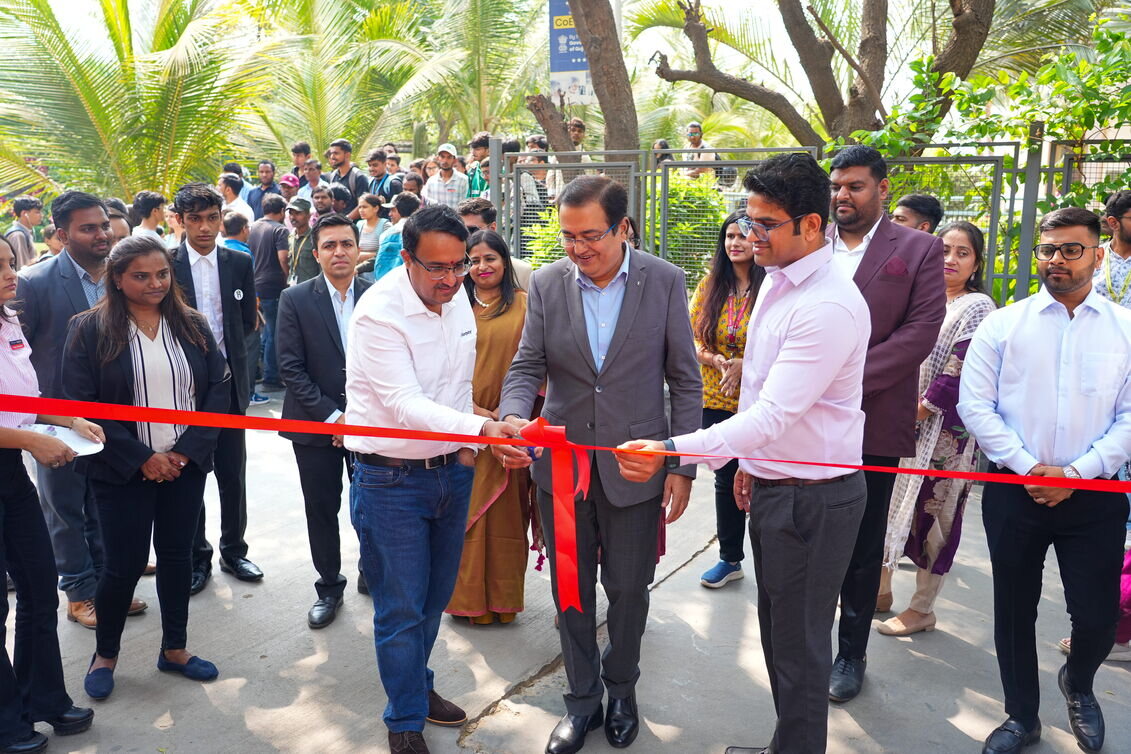
Udhyam is a multi-day management festival designed to connect academic learning with real business environments. The event brings together industry professionals, interactive learning sessions, and student-run entrepreneurial activities in a single platform that encourages leadership development and practical exposure.
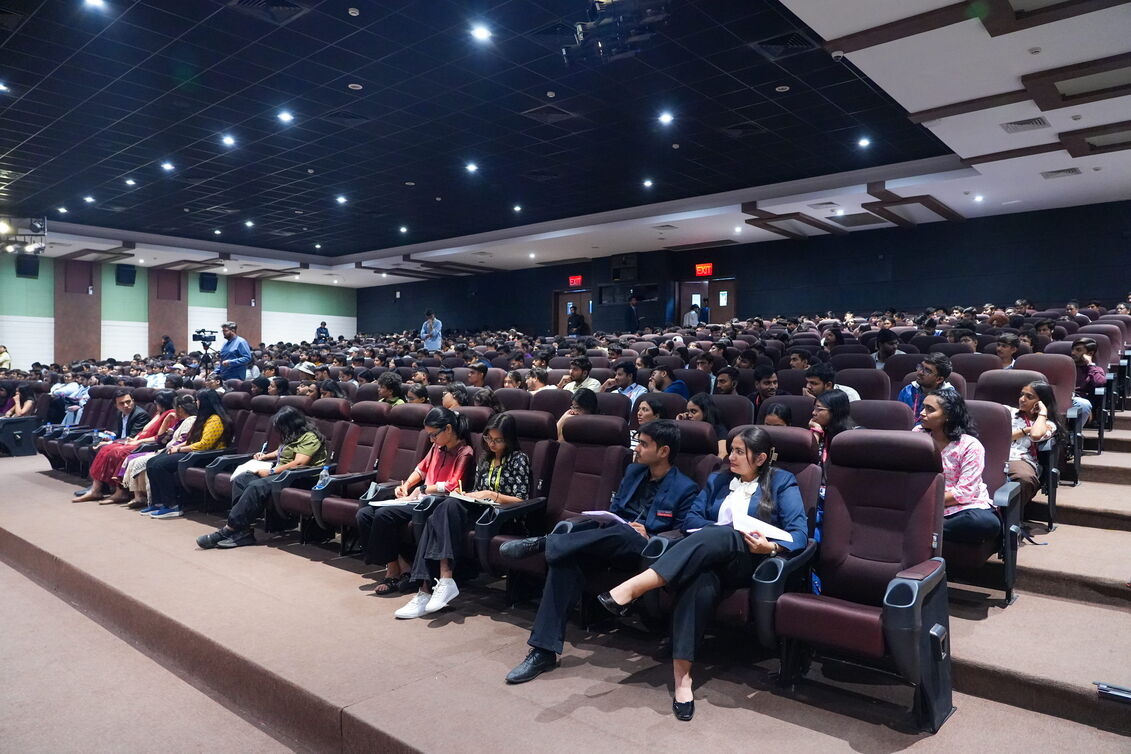
The festival typically runs for three days and includes seminars, discussions, and a live marketplace where students operate business stalls. By blending expert insights with hands-on activities, the event allows participants to understand how real industries operate beyond theory.
The 2026 edition took place from February 19 to 21 across the Central Auditorium and BBA Ground, featuring sessions with multiple industry leaders and a vibrant entrepreneurial marketplace run by students.
While primarily centred around management learning, the fest attracts participants from multiple academic backgrounds. Students from engineering fields such as B.Tech., business programs, and other disciplines often attend the sessions to gain exposure to industry perspectives and entrepreneurship.
A Three-Stage Learning Model
One of the defining aspects of Udhyam is the experiential learning model known as the Exposure-to-Execution Bridge. This framework turns the festival into a structured learning journey rather than a passive event.
Stage 1: Exposure
Participants begin by interacting with senior industry leaders and professionals. These sessions expose students to real-world challenges, leadership experiences, and market insights from executives working at global companies.
Stage 2: Engagement
The second stage encourages active participation through Q&A sessions, audience-driven discussions, and reverse mentoring conversations. Students ask questions, share perspectives, and explore how theoretical concepts translate into real business decisions.
Stage 3: Execution
The final stage moves from discussion to action. Students run business stalls, manage pricing strategies, handle customers, and experiment with product positioning. This hands-on approach allows participants to experience entrepreneurship directly.
Together, these three stages transform the event into a practical learning laboratory.
Day 1: Leadership and Market Insights
The first day focuses on leadership lessons and market realities. Industry leaders share professional journeys and discuss trends shaping modern business environments.
Key discussions covered topics such as:
- The importance of soft skills, communication, and networking in career growth
- The rapid evolution of India’s digital payments ecosystem
- The surge of new investors in financial markets and the need for financial literacy
Speakers emphasised that modern workplaces demand adaptability and continuous learning. Soft skills, relationship building, and strategic thinking increasingly determine professional success in competitive industries.
For students from technical programs like B.Tech., these sessions highlight how engineering knowledge must be combined with communication and management skills to succeed in leadership roles.
Day 2: Student Entrepreneurship in Action
The second day shifts the focus from listening to doing. Fourteen student-run stalls operate on the festival grounds, creating a real-time business environment.
Participants handle every aspect of the operation themselves:
- Pricing products
- Managing inventory
- Interacting with customers
- Collecting feedback
Unlike classroom case studies, the marketplace provides immediate results and real consumer reactions.
Notable Stalls
Several stalls stood out during the event for creativity and strong customer engagement:
● Bhutan Bowl:
Authentic Bhutanese cuisine prepared by international students
● Radha Astrocare:
Live palm reading sessions that attracted large crowds
● Sip Theory::
A beverage stall known for its customer service and cold coffee variations
● Fluffy Flames:
Soy-wax candles marketed with a health-focused product narrative
● Kuch Khatta Meetha Ho Jaye:
A chaat stall that revealed strong demand for street-style snacks
● HET’S Ice Cream:
Homemade dairy ice cream that gained positive feedback from visitors
These stalls demonstrated an important entrepreneurial lesson: differentiation often matters more than price competition.
Students from different disciplines, including B-Tech backgrounds, benefit from these activities because they experience product development, marketing, and customer interaction firsthand.
Day 2 Session: Leadership and People Strategy
The second day also featured discussions on human capital and leadership. A major theme was the idea that successful organisations prioritise people before profits.
Key insights from leadership discussions included:
- High-performing organisations reward top talent while continuing to develop others.
- Emotional intelligence and attitude often matter more than technical knowledge in hiring.
- Artificial intelligence will assist business processes, but human judgement remains essential.
These ideas highlight a shift in modern workplaces where human skills and organisational culture play a crucial role in long-term success.
Day 3: Technology and Data-Driven Business
The final day focuses on the future of business, especially the role of technology and data.
One of the core ideas discussed was that data has become the foundation of modern decision-making. Companies now rely on analytics to understand customers, reduce risk, and create personalised experiences.
Important takeaways from this session included:
- Data analytics drives strategy and innovation
- Artificial intelligence can significantly increase operational efficiency
- Understanding programming concepts and algorithms is increasingly valuable for all professionals
For students in technical programs such as B.Tech., these discussions reinforce how engineering skills connect directly with modern business models and digital transformation.
Another leadership session emphasised the value of human capital in large infrastructure projects. Leaders highlighted the importance of teamwork, communication, and cultural awareness in managing complex organisations.
Why Udhyam Matters for Students
Udhyam stands out because it blends three powerful elements of learning:
- Industry insight through expert speaker sessions
- Practical exposure through student-run business activities
- Entrepreneurial thinking through experimentation and feedback
The festival also attracts participants from diverse academic backgrounds, making it a collaborative learning environment where engineering, management, and other disciplines intersect.
In a brief note, the event is hosted annually at Parul University, bringing together industry experts and students in a platform designed to encourage leadership, entrepreneurship, and professional networking.
The Leadership Journey Begins Here
Events like Udhyam illustrate how learning evolves when theory meets real-world practice. Students hear directly from industry leaders, test business ideas, and interact with professionals shaping the future of technology, finance, and entrepreneurship.
For many participants, including those pursuing fields like B-Tech., the festival becomes more than a management event. It becomes a starting point for understanding how innovation, leadership, and business strategy come together to build successful careers and ventures.


