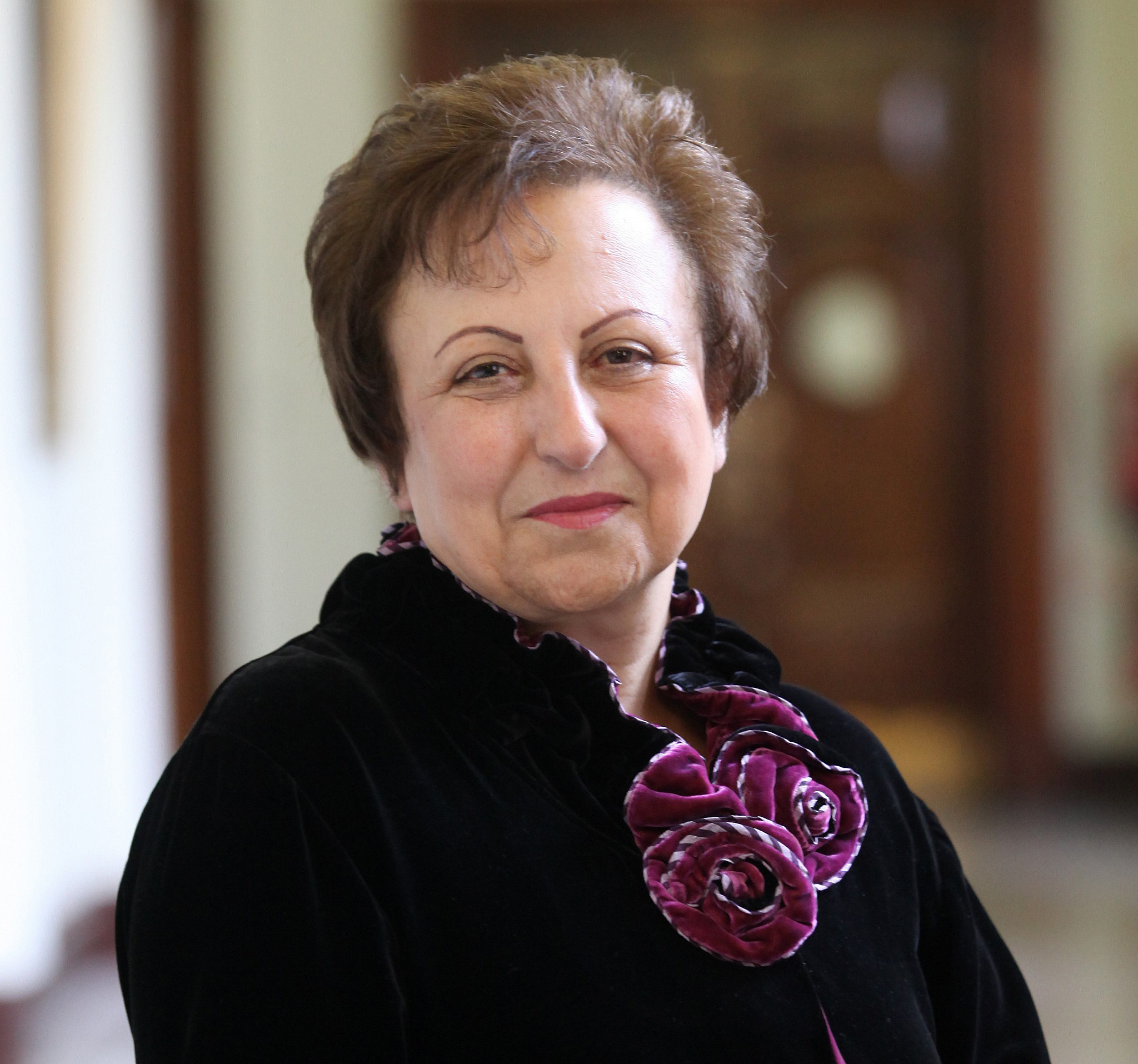
The PU x IIMUN Global Perspective Series
Parul University and India’s International Movement to Unite Nations (IIMUN) run this together. It’s called the Global Perspective Series, and it’s not a one-time photo op. It’s ongoing. Nobel laureates, international leaders, changemakers – they come to campus, and students get to sit with them. Not in an auditorium watching a livestream. Actually in the room. Shirin Ebadi, who won the Nobel Peace Prize in 2003, is among the personalities who’ve been featured. The sessions are interactive – students engage directly with these global thinkers on leadership, justice, education, and social responsibility. That’s a very different thing from reading about these topics in a textbook.
International Academic Partnerships
The international dimension at PU isn’t vague. It’s built into structured academic collaborations that students actually participate in. Take the COIL credit course with BFH – that’s Bern University of Applied Sciences in Switzerland. The course is called Affordability in Innovation, and what happens is this: Indian PG students work in parallel teams with Swiss students. Same project. Different countries. Real collaboration across borders, not a simulation of it.
And that’s just one thread. Aviation Fest 2026 had speakers from IndiGo and SpiceJet. CloudVerse 2.0 brought in the AWS User Group Global Program Lead – flew in from Spain. The National Healthcare Skills Conclave featured ICMR’s Deputy Director General. None of these were standalone gestures. They’re pieces of something deliberate – a strategy to internationalise what students experience at PU, not just what the brochure says.
International Week and Global Community
Every year, International Week brings 70+ global academic leaders from 22+ countries to campus. Seventy. From twenty-two countries. That’s not a small delegation – it’s a concentrated burst of international thinking landing on one campus in one week. Pair that with the fact that 3,500+ international students from 56+ nationalities already study at PU, and you’ve got an environment that’s multicultural by default, not by design alone. On top of this, international pathway programmes – the 2+2 bachelor’s model with universities in the USA, UK, and Australia – give students structured routes to global degrees. You start at PU. You finish abroad. The pathway is mapped out.
Why Global Exposure Matters for Careers
Here’s where it all connects. A student who’s sat across from a Nobel laureate, collaborated on a live project with Swiss peers, and studied alongside classmates from 56+ nationalities – that student walks out with something most graduates don’t have. Cross-cultural communication skills that were tested in real situations. A global perspective that isn’t theoretical. Professional adaptability that comes from actually navigating difference, not just reading about it.
And the institutional backbone is solid. PU carries NAAC A++ accreditation, a NIRF Top 50 Innovation Ranking, and a QS Diamond Rating. That’s credibility. But what the global exposure infrastructure does is take that credibility and turn it into something personal – an individual career advantage that shows up in how you think, how you communicate, and how you handle rooms that aren’t all from the same postcode.
FAQ
Does PU have Nobel laureates as speakers?
Yes. Nobel Peace Prize laureate Shirin Ebadi has been featured through the PU x IIMUN Global Perspective Series. She’s not the only global personality – the series is ongoing and brings multiple leaders to campus.
How many international students?
Over 3,500 from 56+ countries. That’s not a target number. That’s who’s already on campus.
How many International partnerships are formed?
COIL credit course with BFH Switzerland. 2+2 pathway degrees with universities in the USA, UK, and Australia. International Week every year with 70+ leaders from 22+ countries. The partnerships are active, not on paper.


