What He Taught About Northeast Indian Cuisine
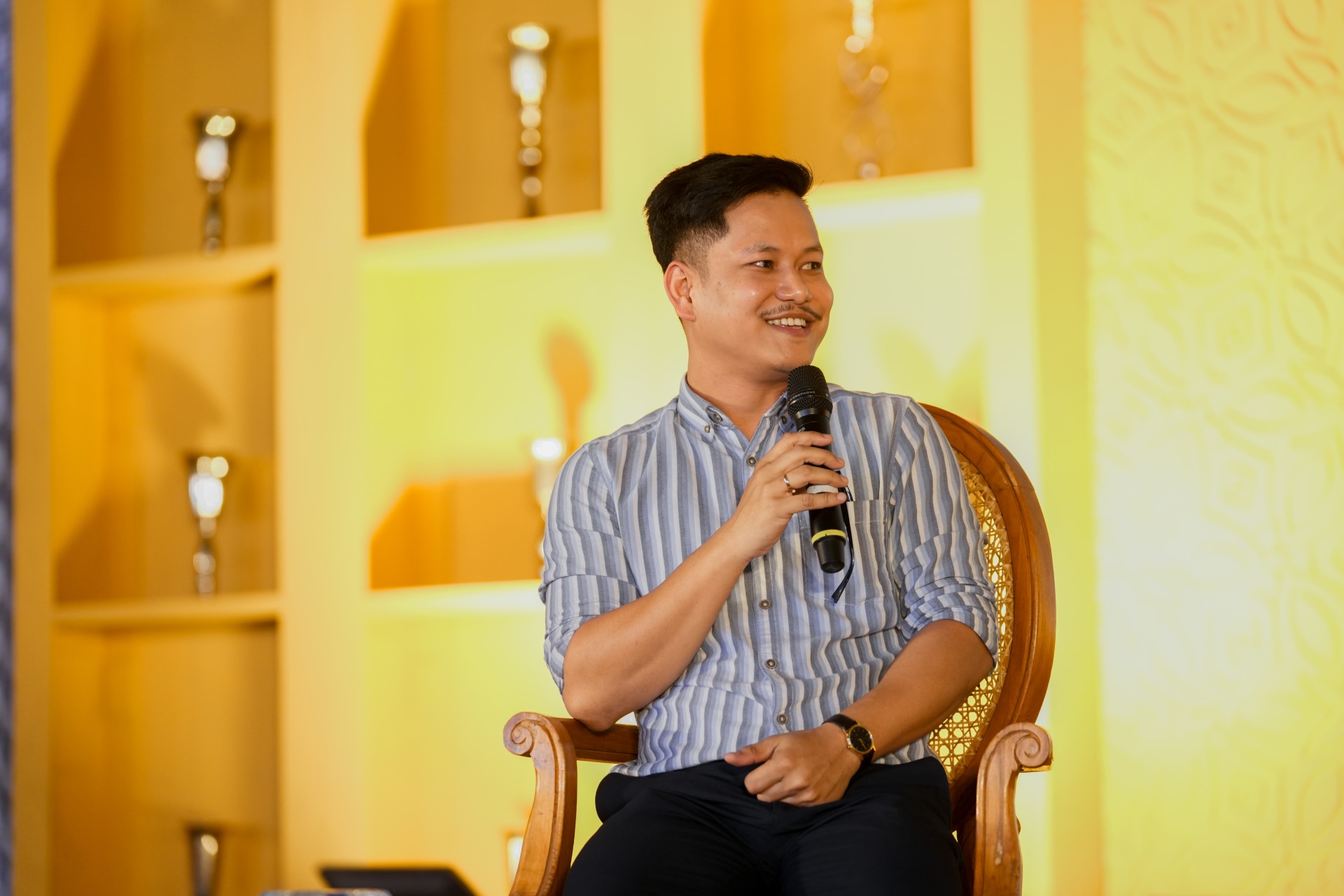
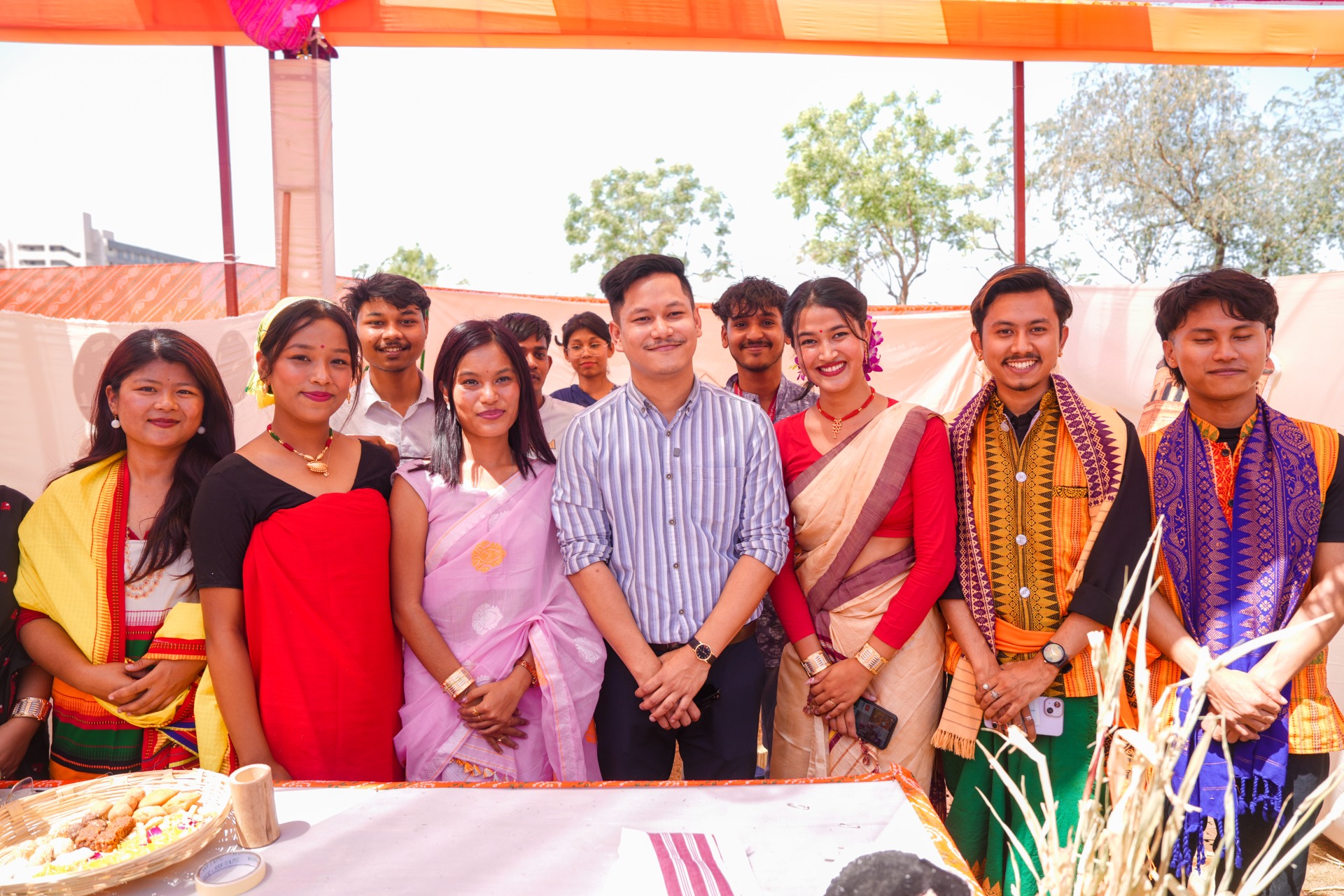
Parul University’s Vadodara Food Festival welcomed Chef Nayanjyoti Saikia, a celebrity chef, who won the season 7 title of MasterChef India, the show judged by Chef Ranveer Brar, Chef Vikas Khanna, and Chef Garima Arora. The season seven winner is from Tinsukia, Assam, and he studied engineering but found his passion in cooking. One can clearly see the love for cooking in his work, it can be figured out through how he trained himself and reached the final round of the show. With dedication, patience, and consistency, he could build a career in the culinary arts. He received a trophy, prize money, and a golden chef coat in the show.
What He Taught About Northeast Indian Cuisine
Moving further he discussed about the Northeast Indian Cuisine and how it is based on boiling and fermentation rather than heavy oil and masalas. He pointed about that most of the Northeast Indian cuisine relies on natural taste. The ingredients are unique like he mentioned:
- Bhut Jolokia (one of the world’s hottest chillies), used alongside black pepper
- Local herbs like Vietnamese balm
- Forest vegetables including ferns and mushrooms
- Beans, fermented products, and minimal oil usage
The serving style is different from a standard Indian thali. He explained how Northeast Indian food is served in a different style, in thalia style where separate condiments and chutneys are served, creating a casual but balanced meal. He took MasterChef India as an opportunity to change the perception of the Northeast cuisine and spread awareness about the same.
His Journey: From a Joint Family of 22 to MasterChef
Chef Saikia grew up in a joint family of approximately 22 people. Having food with family is like a celebration, because you are having it with 22 others. He shared how the same dish tastes different when cooked by a different person. And this is what motivated him towards cooking and innovations. And this is what motivated him to take up cooking. His mother and aunt taught him the basics of cooking. He still remembers the first dish that he cooked was Dum Aloo at the age of nine or ten. He learned this from the Khana Khazana Show, and he was appreciated by his family because he could decode the Hindi instructions of the recipe.
In college, his cooking slowed because he was eating mess food, which affected his health. He later moved in with cousins and restarted cooking. The scholarship money that he got, he spent on the spices and ingredients to practice the art of cooking in his free time. He suggested to students a film named ‘The Hundred-Foot Journey‘ as a source of culinary inspiration.
The Live Cooking Workshop: Five-Layer Chocolate Trifle
Chef Saikia was specific about one statement that for food innovation, you don’t need a professional kitchen setup. He showed this with a live cooking workshop at PID Ground, Parul University. He prepared the five-layered chocolate trifle, explaining that it is a simple recipe, that can be made at home.
The process involved:
- Step 1: A fresh berry compote made from 200 grams of blueberries and mulberries cooked with powdered sugar and water on medium-low flame, pressed with a spatula for faster cooking
- Step 2: A chocolate mousse cream made by whipping regular cream until fluffy, then folding in melted dark chocolate. Chef Saikia shared a flavour pairing insight: chocolate and berries complement each other. Citrus fruits like orange and lemon can substitute for berries to cut through chocolate’s sweetness.
- Step 3: Five-layer assembly. Bottom layer: vanilla sponge cake. Second layer: plain whipped cream. Third layer: chocolate mousse cream. Fourth layer: berry compote. Fifth layer: chocolate brownie pieces.
- Step 4: Soaking. The vanilla sponge was soaked with leftover berry juice to prevent drying. The brownie layer was soaked with sugar syrup. This is a critical bakery technique for maintaining moisture.
- Step 5: Garnishing with piped chocolate cream, fresh berries, and chopped crunchy chocolate. The trifle tastes best when served very cold.
Two students, Khushi and Ishika, tasted the trifle on stage and confirmed the taste. The chef then offered the remaining portions to the audience. The Dean of the university presented a hand-drawn pencil art portrait to Chef Saikia as a token of appreciation.
Advice for Aspiring Chefs
Chef Saikia closed with four principles:
- Do What Your Heart Says: You should have genuine interest in cooking, because then only failures will also not make you feel dejected, it will rather push you achieve better results. Don’t take on the cooking career burden.
- Continuous learning: Learn from the mentors, chefs and experiences. Growth stops when curiosity stops.
- Travel and explore: different places mean different food, culture, and ingredients. Exposure improves cooking.
- Respect tradition: modern cooking is valuable, but the basics and traditional methods are the real identity of a chef
His most important message to the room: a chef must understand ingredients properly. Not just names or recipes, but how an ingredient behaves during cooking. If you respect the ingredient, the food automatically tastes better.
Find your culinary passion in Hotel Management at Parul University.
FAQ
Has a MasterChef winner visited Parul University?
Yes. Chef Nayanjyoti Saikia, winner of MasterChef India Season 7, spoke at the Vadodara Food Festival about Northeast Indian cuisine and conducted a live cooking workshop where he prepared a five-layer chocolate trifle on stage and served it to students.
What did he share about Northeast Indian Cuisine?
Chef Nayanjyoti Saikia mentioned that Northeast Cuisine is basically based on boiling and fermentation. And one can taste the unique ingredients like Bhut Jolokia, Vietnamese balm, forest ferns and mushrooms. Also the serving style is different from the rest of the India, it is thalia style.


