Skills That Mediation Requires (and Courts Do Not Teach)
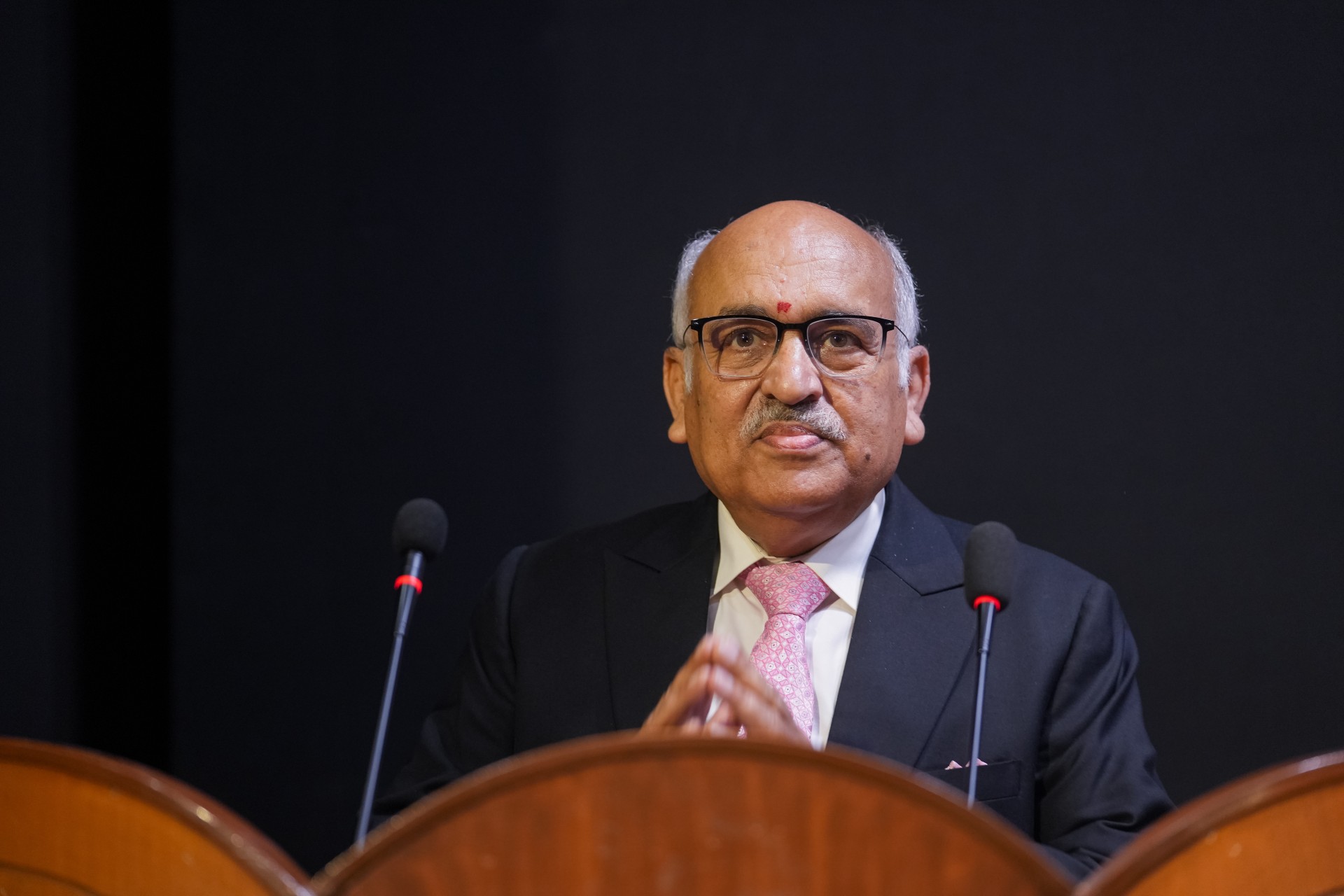
The Mediation Act 2023 gave mediation legal recognition and enforceability in India for the first time. Mediated settlements now carry the weight of law. This creates a professional pathway: trained mediators can operate with institutional backing. However, Justice Pankaj Mithal‘s critique at PIMC 2026 is an important context. The Act currently requires pre-existing written agreements, limiting its application to family and neighborhood disputes where no such agreements exist. Reform is needed and likely. For students, the opportunity is in positioning now for a practice area that legislation is actively building.
Section 89 of the Code of Civil Procedure already requires courts to explore settlement before trial. The Supreme Court Mediation Committee is working to institutionalize mediation training for advocates nationally. Mediation centres are being established. The infrastructure for a mediation-based legal career is being built in real time.
Skills That Mediation Requires (and Courts Do Not Teach)
Justice Indira Banerjee identified mediation as an art developed through practice, not a procedure learned from textbooks. The skills required are fundamentally different from courtroom litigation:
- Empathetic listening: understanding not just what a party says but also what they actually need (the Orange Dispute principle).
- Neutrality: maintaining impartiality while both sides present emotionally charged positions.
- Patience: allowing the process to unfold without forcing premature conclusions, especially in matrimonial disputes where revenge and anger complicate resolution.
- Problem identification: distinguishing between positions (what parties say they want) and interests (what they actually need).
- Creative solution design: finding outcomes that create value rather than dividing loss.
Justice Pankaj Mithal added the cultural dimension: moot courts train arguments, and mediation competitions train listening. Both are necessary. But listening is the rarer and more valuable skill in modern legal practice.
How PIMC at Parul University Builds These Skills
PIMC’s competition design mirrors real-world mediation practice. Multi-domain disputes (commercial, contractual, maritime, healthcare, investment) require adaptive reasoning. Students assume roles of mediator, counsel, and client. Caucus sessions reveal that stated positions often differ from actual priorities. The final round scenario, a USD 420 million international solar dispute, demands the same complexity that practising mediators face in international arbitration centres.
The judging panel, Supreme Court and High Court justices and senior law firm partners, provides feedback that no classroom can replicate. PIMC’s format also teaches professional behaviour under pressure: maintaining composure, taking thorough notes (commended by judges), and reading non-verbal cues. Future editions will seat mediators alongside parties specifically to improve body language observation.
Start your career in litigation with B.A. LL.B. (Hons.) at Parul University, B.B.A. LL.B. (Hons.) at Parul University, LL.M. in IPR at Parul University and explore the Faculty of Law at Parul University.
FAQ: Mediation Career India 2026
Is mediation a viable career in India?
Yes. The Mediation Act 2023 provides legal recognition and enforceability. The Supreme Court Mediation Committee is institutionalizing training nationally. Section 89 CPC requires courts to explore settlement before trial. Five SC/HC judges at PIMC 2026 stated that the future of law is in resolution, not litigation. Infrastructure for mediation careers is being built in real time.
How do you train for mediation?
Through competitions like PIMC (multi-domain disputes judged by SC/HC justices), 40-hour mediation training programs under Order 99 CPC, and practice in the skills courts, they do not teach empathetic listening, neutrality, patience, problem identification, and creative solution design. Parul University offers PIMC annually through its Faculty of Law.


