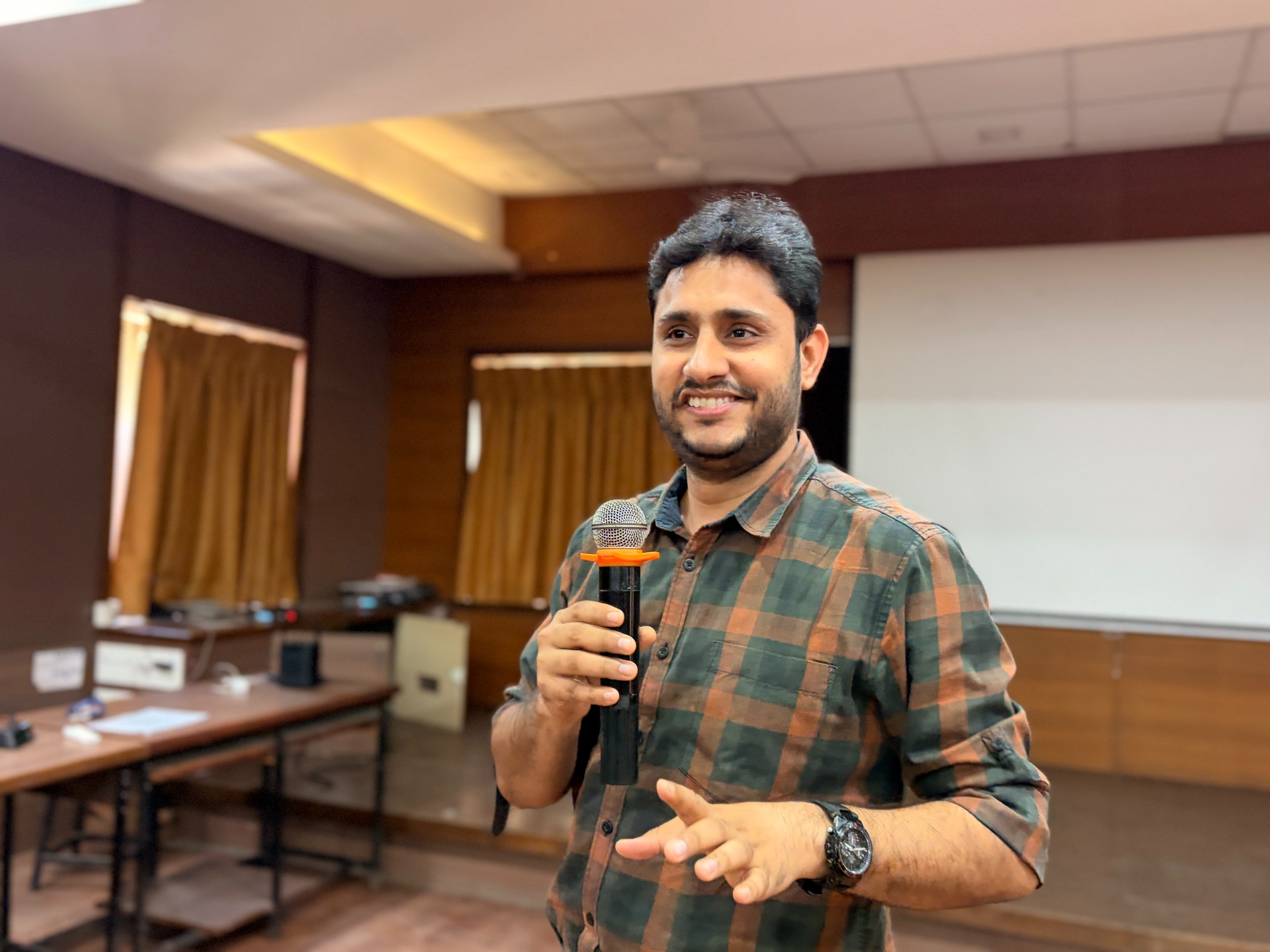
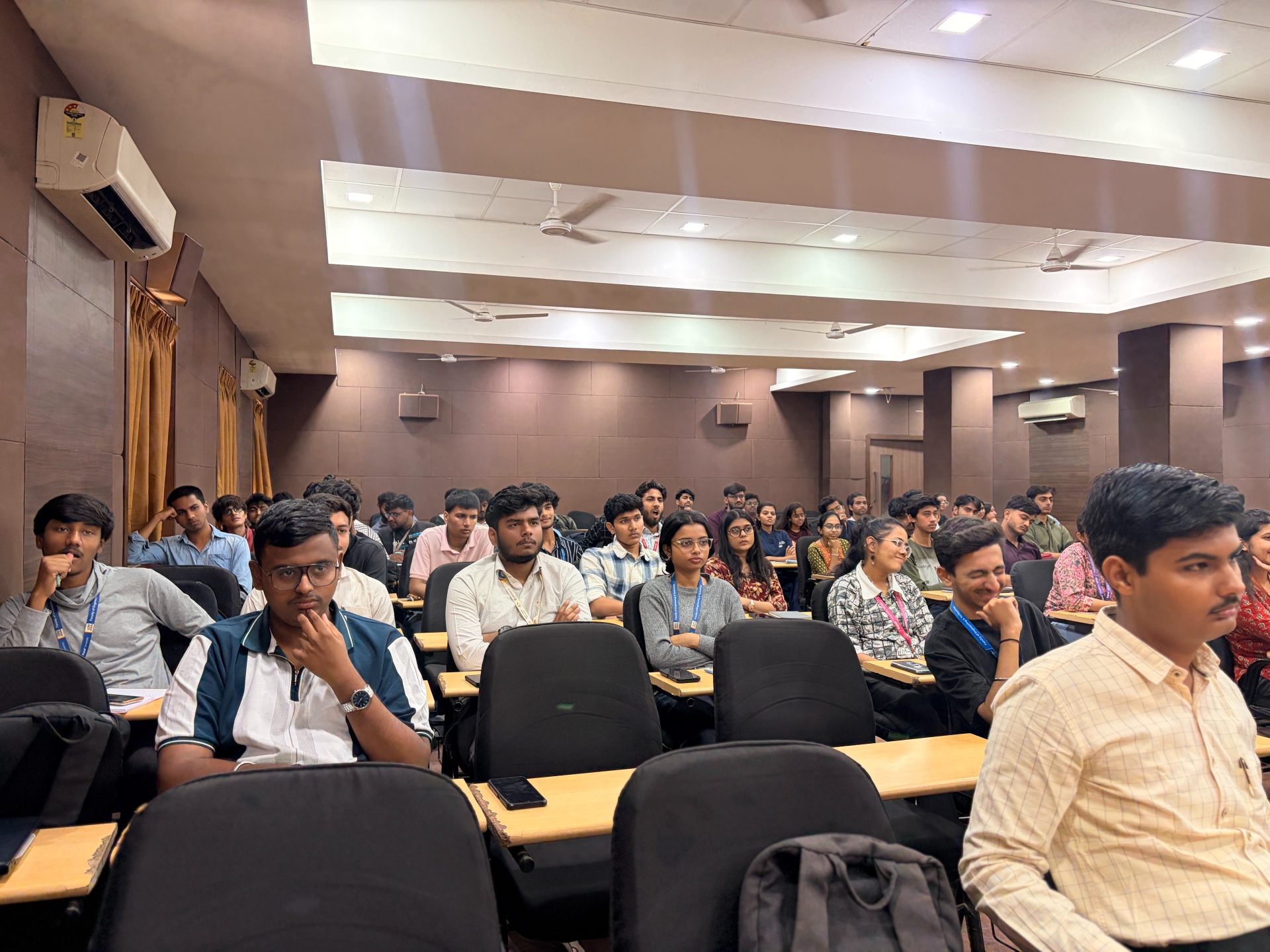
Prashant Khanna taught that before doing anything, a founder must write down all the things they believe to be true about their customer, their problem, and their solution. These are just guesses at first – and that is fine. The point is to make assumptions visible so you can test them in the real world rather than just hoping they are correct. Most founders fail not because they lack passion but because they build on assumptions they never verified.
Test Cards and Learning Cards: The Testing Loop
Prashant Khanna introduced two tools from the Strategyzer Methodology that create a powerful testing loop:
The Test Card (Before the Experiment)
- We believe that… (state your assumption)
- To verify that, we will… (describe the experiment)
- And measure… (define what data you will collect)
- We are right if… (set clear success criteria)
The Learning Card (After the Experiment)
- We believed that… (recall original assumption)
- We observed that… (record what actually happened)
- From that we learnt that… (capture the real insight)
- Therefore we will… (decide next action based on learning)
These two cards together create a loop of testing, learning, and improving that keeps founders grounded in reality. The learning card forces teams to confront what happens when assumptions turn out to be completely wrong, which is actually a win, not a failure, because it happens early before money is wasted.
Assumption Mapping: Find Your Dangerous Blind Spots
Assumption mapping means taking all your hypotheses and sorting them based on two dimensions: how important they are to your business, and how uncertain they are. The assumptions that are both highly important and highly uncertain are your most dangerous blind spots – the ones that could kill your startup if they turn out to be wrong. Many founders waste months building features based on assumptions sitting in the high-risk zone without realising it. If you wish to get your startup funded with a global level exposure, explore PIERC’s GrowthPad Program at Parul University.
Interview Planning: How to Talk to Customers Without Biasing Them
Before going out to talk to customers, you must have a clear plan: who you want to talk to, what you want to find out, and how you will have the conversation in a way that yields honest and useful answers. Bad interview planning leads to biased conversations where founders look for confirmation. Good interview planning leads to real discovery where the customer teaches you things you never expected.
The goal is never to sell your idea – it is to listen deeply and understand their real problems without guiding them toward any particular answer. Prashant Khanna specified: talk to at least 20-30 real people through face-to-face conversations, not online forms. Real conversations give you body language, emotions, hesitations, and unexpected details that no survey can. And if you wish to master the world of communication, enrol into Parul University’s Bachelor of Arts in English!
Field Visit: What Retail Stores Taught a Student Startup
A Cohort startup building a scan-and-pay app that lets customers skip billing queues – conducted field validation on 7-8 March 2026, visiting real retail stores:
- Fashion brands: Zudio, Spykar, U.S. Polo
- Department stores: One Centre, MR.DIY
- Healthcare: Max Well Pharmacy
What They Found: The Problem Is Real
At peak hours, billing counters become a nightmare. Customers stand in long lines, get frustrated, and many put items back and walk out. Stores like One Centre and Zudio rated peak-hour difficulty at 5/5 – a serious daily problem costing real money. Max Well Pharmacy pointed out that in healthcare, every minute in a billing queue is genuinely urgent. Stores handle 500+ customers daily, and managing that footfall without smarter billing was becoming harder.
The Opportunity: High Openness to Technology
Almost every manager rated openness to innovation at 4.8/5. Zudio’s manager said directly that updating technology is a necessity for economic growth. U.S. Polo and Spykar noted their customers are young people who already use phones for everything – scan-and-pay would feel natural and exciting.
The Challenge: Trust Is Not Automatic
While Shakti Super Store and Max Well Pharmacy showed full trust in digital payments (5/5), Zudio and MR.DIY rated trust at only 3/5. The reason: fraud, fake payment screenshots, and the risk of customers walking out without completing real transactions. This insight told that building the app was only half the job – building a verification system stores can fully trust was equally critical.
Consumer Survey Results
The biggest benefit retailers expected from scan-and-pay: faster checkout (41.7%), better customer experience (33.3%), and improved store efficiency (25%). This data – not guesswork – became the foundation for product decisions. If you aspire to become a future entrepreneur and innovator, MBA Entrepreneurship & Innovation – Parul University is the perfect place to begin your journey.
FAQ - Customer Validation for Startups
What is a test card in startup validation?
A test card is a simple framework with four steps: 'We believe that' (assumption), 'To verify, we will' (experiment), 'And measure' (data), 'We are right if' (success criteria). It forces founders to test assumptions systematically before building.
How many stores did you visit for validation?
Retail stores across supermarkets (Hanni, Maxx, Shakti), fashion (Zudio, Spykar, U.S. Polo), department stores (One Centre, MR.DIY), and healthcare (Max Well Pharmacy). They found peak-hour billing difficulty at 5/5, tech openness at 4.8/5, and faster checkout as the top expected benefit at 41.7%.


