The startup that failed at selling vegetables for ₹20,000 is now doing ₹10.7 crore in revenue. Here’s what happened in between.
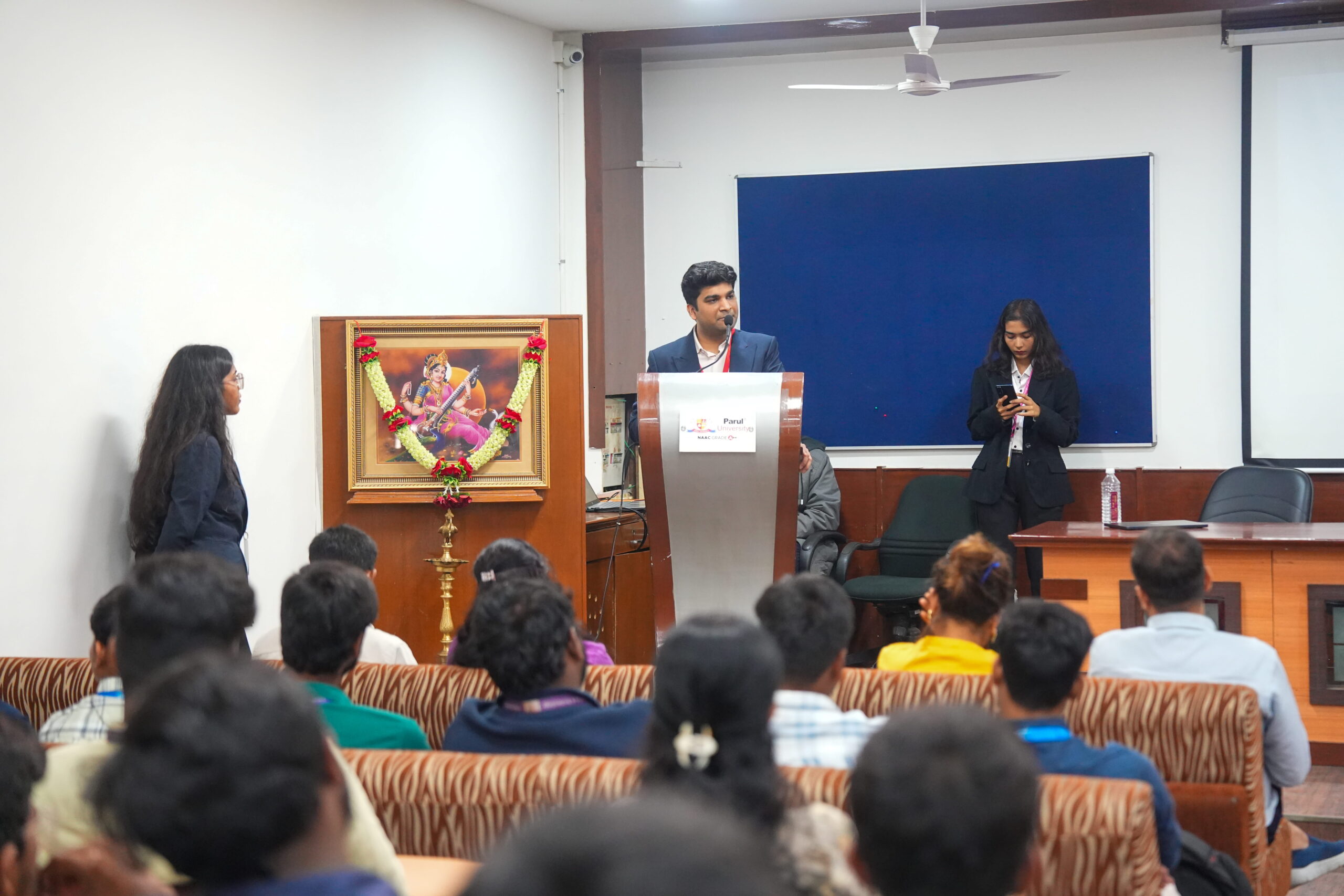
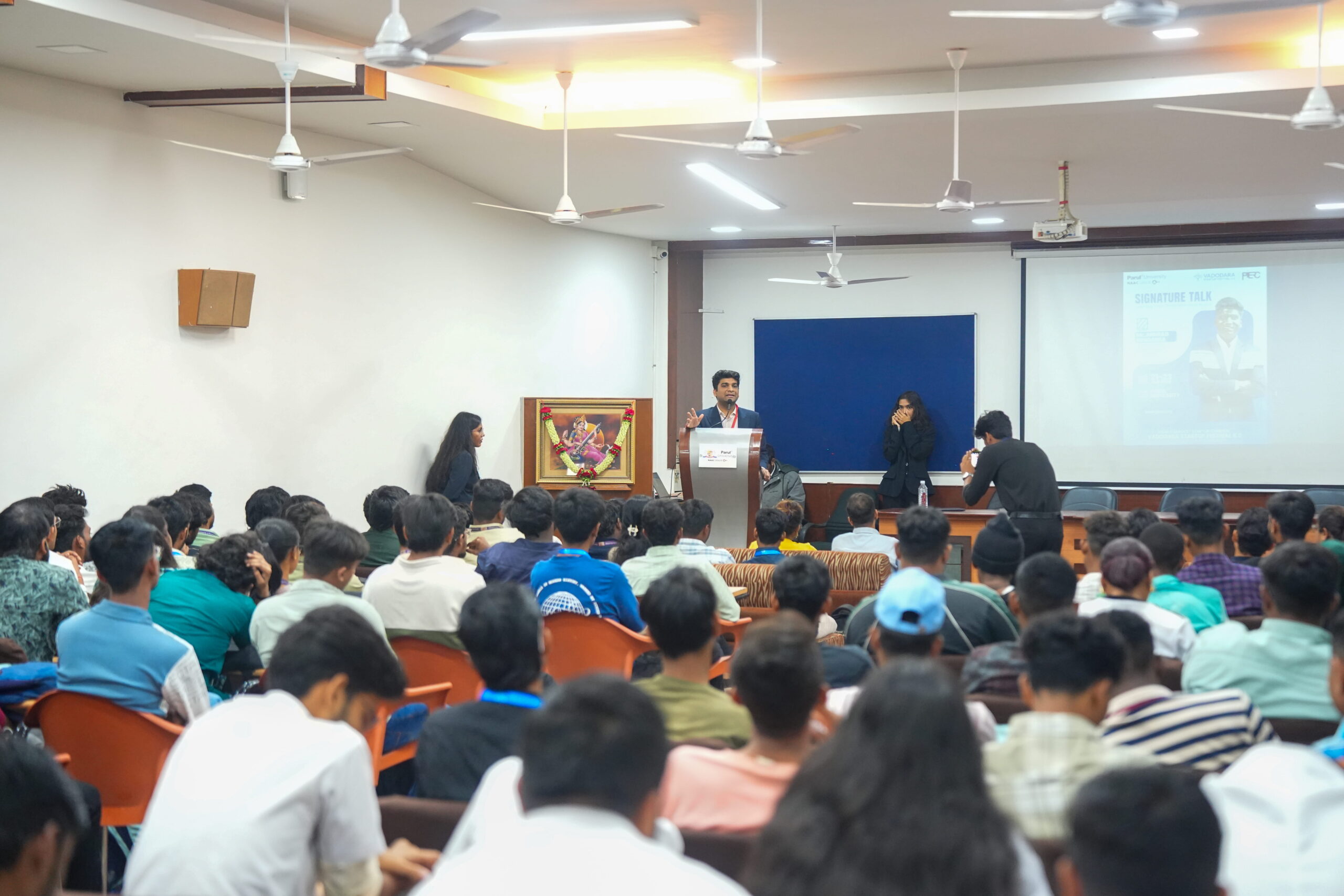
Twenty-eight-year-old Anurag Sundarka stood in front of students at Parul University’s Vadodara Startup Festival 6.0 with a simple message: “Your job is to try, and you try it well.”
Easy words. Harder reality.
Before ZebraLearn became the visual learning platform that secured ₹1 crore from Ritesh Agarwal on Shark Tank India Season 4, Sundarka’s entrepreneurial journey looked like a series of expensive lessons in what not to do.
The ₹20,000 Vegetable Disaster
During his CFA studies, Sundarka connected with two people who would become his co-founders: his best friend and his now-wife. Their first venture? Saralife.com a direct-to-consumer platform selling vegetables.
Total revenue generated: ₹20,000.
Not ₹20,000 per month. Total.
“It was a miserable failure,” Sundarka admits. But that failure taught him something textbooks never could: the true meaning of initiative.
He defines it like this: “Initiative is something no one tells you to do or forces you to pick up.”
When Street Plays and Scrap Metal Become Business School
After Saralife crashed, most people would’ve retreated to a safe corporate job. Sundarka did the opposite.
He started performing street plays across societies and communities tackling issues like casteism, systemic injustice, and cultural unity. After each performance, his team would collect scrap from households and sell it for a few thousand rupees.
Most entrepreneurs would call this a losing streak. Sundarka calls it “developing resilience and confidence rather than discouragement.”
The pattern? He kept moving.
The Book That Wouldn't Get Published
Here’s where the story shifts.
Sundarka decided to write a book. The writing process was brutal; he often lost direction, couldn’t see where the content was going, felt completely stuck. But he finished it.
Then came the real problem: no publisher would touch it.
Traditional publishing houses rejected it. Self-publishing platforms weren’t sophisticated enough. Authors had content but no path to readers.
That gap became the foundation of ZebraLearn.
The idea wasn’t just to help authors write books. It was to build a complete platform that handled everything from content creation to publication.
Sundarka’s wife and best friend joined him as co-founders. They went live.
The Profit Rollercoaster That Almost Broke Them
The initial response was… unpredictable.
- First month: ₹6 lakh in revenue
- Next 8-9 months: Nothing
- Then: Another big profit
- Followed by: Nothing again
This cycle continued. Revenue came in waves, then disappeared. They were making money, but not consistently.
Sundarka and his team eventually figured out the core issue: “The problem was in the making process itself, not in effort.”
They were working hard. But they were building the wrong thing.
The Children's Book Pivot That Changed Everything
Without expecting much, they started publishing children’s books.
It worked.
Not just worked, it worked wonderfully.
This led to the breakthrough concept that would define ZebraLearn: Visual Books. These weren’t ordinary children’s books. They combined structured content, strong design, and visuals to improve understanding and retention.
Every element mattered equally: text, design, and visuals.
Sundarka’s team designed books where “even if someone reads just three pages, those three pages stay in their mind forever.”
The results were immediate. Books became their primary revenue source. Monthly sales: 10,000 to 20,000 copies.
The Growth Numbers That Validated Everything
Here’s what happened next:
- 2022: ₹10 lakh in revenue
- 2023: ₹3.05 crore
- 2024: ₹10.7 crore
That’s not incremental growth. That’s exponential validation.
And then came Shark Tank India Season 4.
Ritesh Agarwal invested ₹1 crore for 1.6% equity in ZebraLearn. The pitch wasn’t just about books, it was about building India’s new-age books platform that publishes extremely interactive content using design, value additions, and well-researched guidelines.
Why “Zebra” and Not “Rabbit” or “Lion”?
During the Q&A at VSF – Vadodara Start-up Festival 6.0, a student asked why the company was named after a zebra.
Sundarka’s answer reveals their strategic thinking:
Most animals have fixed emotional appeals. Rabbits? Kids’ brands. Lions? Leadership and power. These associations limit what you can publish.
But a zebra? It has no fixed category. That flexibility allows ZebraLearn to publish across diverse domains:
- HR books
- AI and technology
- Marketing and business thinking
- Mental health
- Children’s books
- Career development
The name gave them unlimited runway.
The One-Week Book That Became a Bestseller
One of Sundarka’s favorite client stories involves writing an entire book in seven days without compromising quality.
An author visited their Surat office with a pre-designed index. Here’s how they executed:
- Day 1-2: Mapped all chapters according to the index
- Day 2 evening: Submitted mapping to the submission manager
- Day 3-5.5: Author narrated the complete content to content writers
Sundarka describes this phase as “the author opening his mind completely in front of the content writers.”
The book later became an Amazon bestseller with a 4.5 rating.
That’s the ZebraLearn difference speed without sacrificing substance.
The Strategic Insight Most Founders Miss
Sundarka shared a critical insight at VSF – Vadodara Start-up Festival 6.0: “Initiatives become very expensive later in life, but right now they are free.”
He was speaking to students, but the principle applies universally.
When you’re young, you have:
- No major financial obligations
- Time to experiment
- Permission to fail
- Energy to rebuild
As life progresses, each experiment costs more. Family responsibilities, mortgages, reputation everything raises the stakes.
The best time to try is when trying costs the least.
What ₹40 Crore in Revenue Actually Means
According to VSF – Vadodara Start-up Festival documentation, ZebraLearn has generated approximately ₹40 crore in revenue since inception.
But that number doesn’t capture the real story.
It’s reader trust. Market relevance. Authors who found a platform when traditional publishers rejected them. Students who understood complex concepts through visual learning.
And it’s proof that the founder who couldn’t get his own book published eventually built the entire infrastructure that thousands of authors now depend on.
The Books Are Priced at ₹1,000. Here’s Why That Matters.
Average pricing: ₹1,000 per book.
That’s not cheap. But ZebraLearn isn’t selling books, they’re selling curated learning experiences.
Each book represents:
- Well-researched content guidelines
- Strong design integration
- Visual storytelling that improves retention
- Value that survives beyond the first read
The pricing reflects the value, not just the page count.
Distribution Strategy: Amazon, Flipkart, and B2B
ZebraLearn books are available on trusted platforms like Amazon and Flipkart, making knowledge accessible nationwide.
But they’re also exploring B2B learning solutions extending impact to organizations and institutions.
This dual approach captures both individual readers and corporate learning budgets.
Three Lessons from the ₹20,000 to ₹10 Crore Journey
1. Half-Hearted Attempts Guarantee Half-Results
Sundarka’s philosophy: “Never try anything half-heartedly. Your only job is to try, but try properly and with full effort.”
The capital for content, design, and technology? They funded it themselves. Every rupee mattered because every attempt was full-commitment.
2. The Problem Might Be the Product, Not the Effort
When ZebraLearn had inconsistent revenue, the team worked harder. Nothing changed.
Then they realized it wasn’t about effort. It was about what they were building.
The shift to children’s books and visual learning wasn’t working harder. It was working on the right thing.
3. Failures Don’t Define You. Quitting Does.
Saralife. Street plays. Scrap collection. Aatisbazi. Publishing rejection.
Any single failure could’ve been the end of the story.
Instead, each became a chapter in building something bigger.
The VSF - Vadodara Start-up Festival 6.0 Connection: Where Startups Get Real Support
ZebraLearn’s story was shared at the Vadodara Startup Festival 6.0, organized by the Parul Innovation & Entrepreneurship Research Centre (PIERC) at Parul University.
PIERC isn’t just hosting events. It’s India’s youngest NAAC A++ accredited private university’s incubation powerhouse, supporting startups from idea stage to growth stage.
The ecosystem includes:
- Expert mentorship
- State-of-the-art infrastructure
- Funding opportunities
- Connection to 50+ venture capital firms and angel investors
For student entrepreneurs, this support system is what turns classroom ideas into market-ready ventures.
What This Means for First-Time Founders
If you’re sitting on an idea but paralyzed by the fear of failure, ZebraLearn’s story offers three practical takeaways:
Start small and iterate.
Sundarka didn’t launch with a ₹1 crore product. He started with vegetables worth ₹20,000.
Pivot isn’t failure, it’s learning.
The jump from general publishing to visual children’s books wasn’t abandoning the mission. It was finding the right entry point.
Document your process.
The team’s ability to write a bestselling book in one week came from refining their workflow through multiple projects.
The River Finds Its Will
“As the river flows, it finds its will.”
Sundarka quotes this during his talk.
You don’t need to see the entire path. You need to start flowing.
ZebraLearn’s journey from ₹20,000 in failed vegetable sales to ₹10.7 crore in educational publishing proves one thing: the market rewards persistence paired with adaptation.
Not stubbornness. Not blind belief.
Persistence + Adaptation.
Try.
Learn.
Adjust.
Repeat.
That’s the formula.
FAQs
1. What is ZebraLearn?
ZebraLearn is a visual learning platform that publishes highly interactive books combining structured content, design, and visuals to improve understanding and retention.
2. Who is the founder of ZebraLearn?
ZebraLearn was founded by entrepreneur Anurag Sundarka along with his co-founders after several early entrepreneurial experiments.
3. How did ZebraLearn grow from a small startup?
ZebraLearn grew by focusing on visually designed books that simplify complex topics and improve reader engagement and retention.
4. What investment did ZebraLearn receive on Shark Tank India?
ZebraLearn received ₹1 crore investment from Ritesh Agarwal during Shark Tank India Season 4.
5. What was ZebraLearn’s revenue growth?
The company grew from ₹10 lakh in revenue in 2022 to ₹3.05 crore in 2023 and ₹10.7 crore in 2024.
6. How does Parul University support student startups?
Parul University supports entrepreneurship through PIERC, offering incubation, mentorship, funding opportunities, and events like the Vadodara Startup Festival.
Anurag Sundarka spoke at the Vadodara Startup Festival 6.0 on January 22, 2026, at Parul University. For more information about PIERC’s startup support programs, visit pierc.org.


