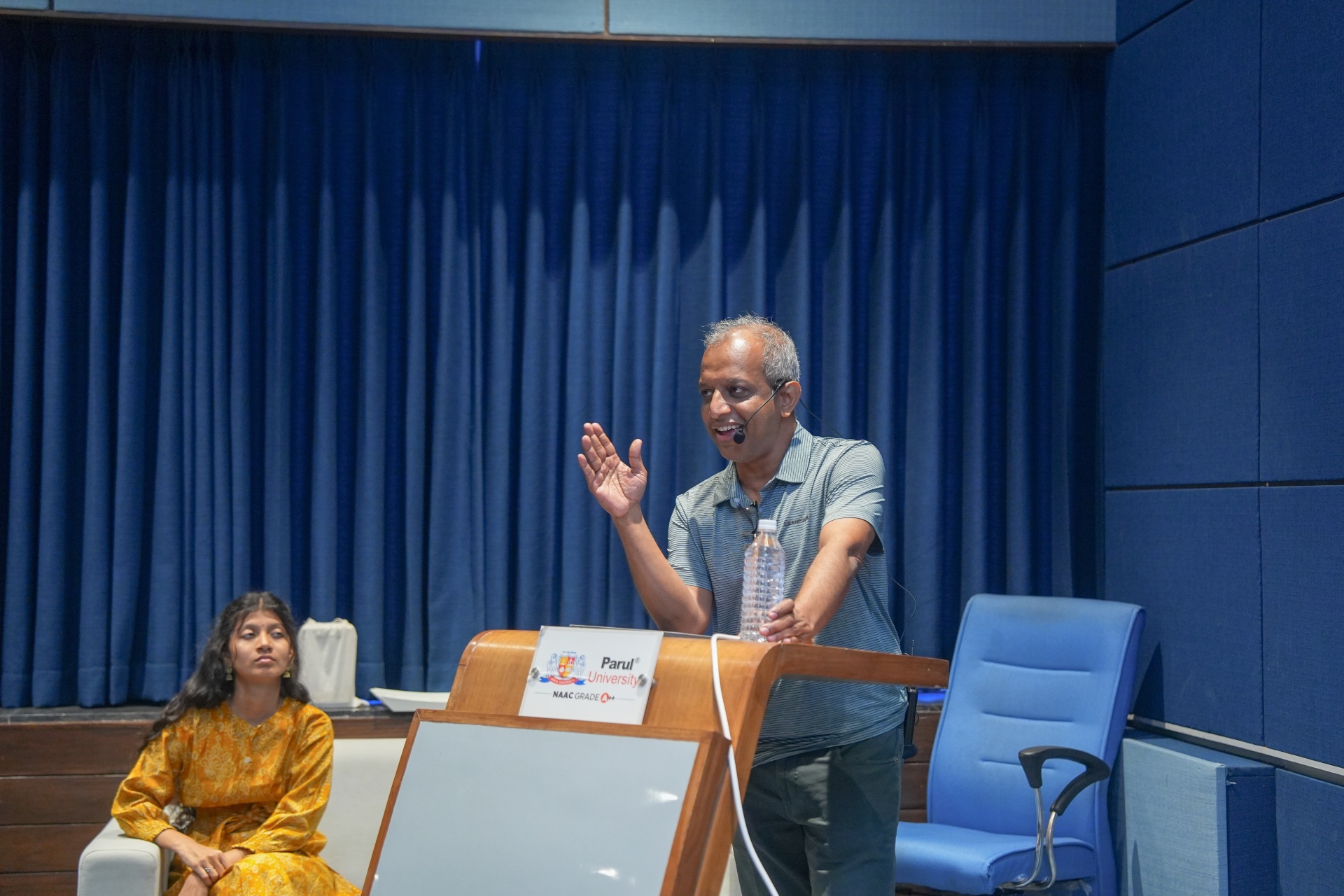
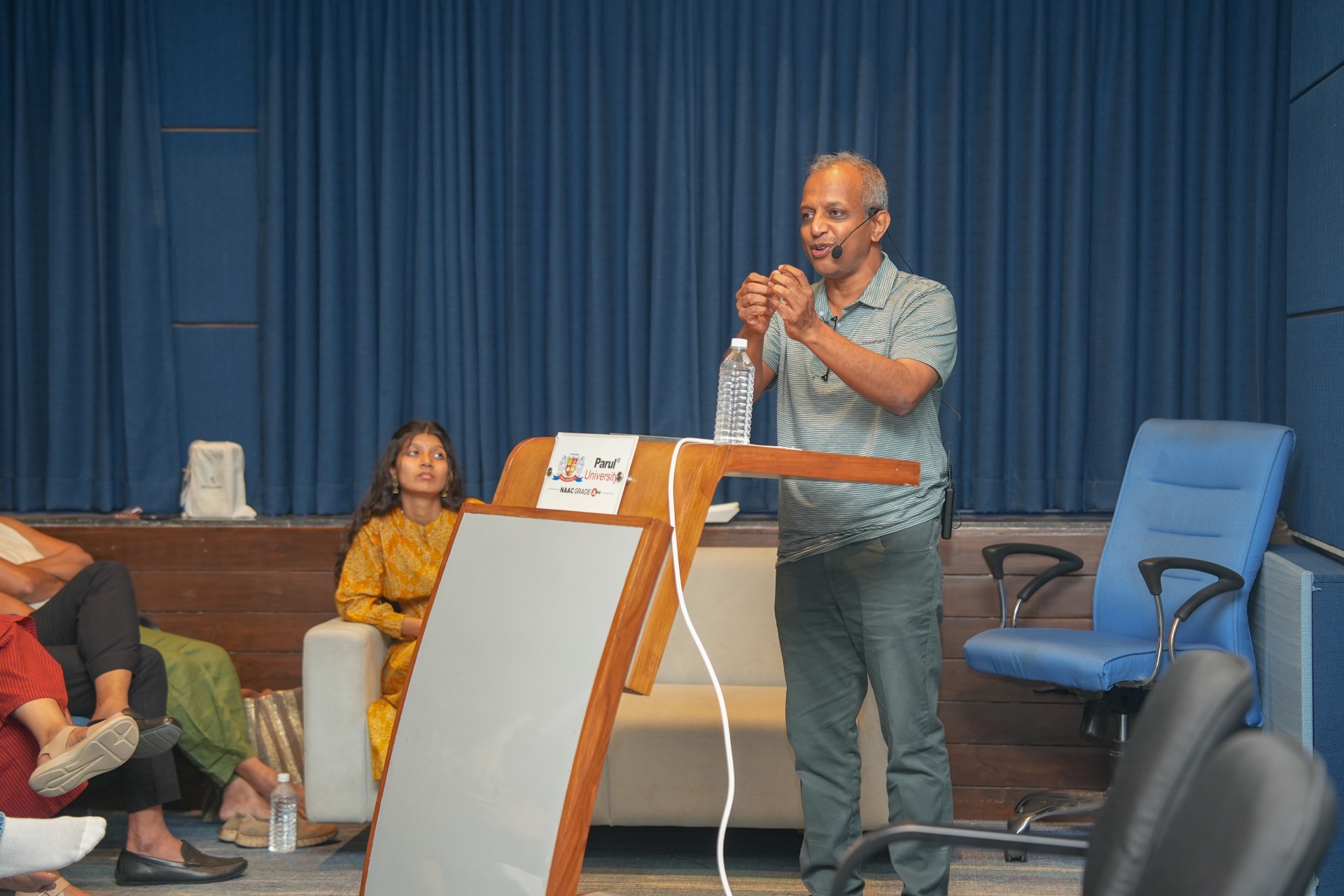
Before any discussion of individual works, the museology background needs to be understood. Tallur studied the science of museums: how objects are selected, displayed, labelled, and contextualised. A simple object becomes important when placed in a museum. The display, the lighting, the label, the wall text, all of these assign value that the object may not inherently possess. This insight runs through his entire practice. His sculptures ask: is the value in the object, or in the system that presents it? Is the meaning in the work, or in the viewer’s interpretation? The audience is not passive. The viewer becomes part of the artwork by observing, interpreting, and questioning.
Eight Works and What They Question
- Unicode: a large spherical structure covered with coin-like elements. Inspired by digital Unicode systems that standardise text across platforms. The work questions how globalisation and standardisation systemise everything, including culture itself.
- Obituary: resembles a traditional temple chariot (ratha) covered with hollow, organic structures. Suggests the death of traditional practices and how modernisation may erase heritage even while appearing to preserve it.
- Milled History: traditional sculptures altered using digital CNC machines. Questions whether digital copies retain the soul or authenticity of handmade originals. Technology reshaping history in real time.
- Alzheimer’s (2006): made from termite-eroded wood. Represents memory loss and decay. The physical damage to the wood connects to mental deterioration, making an invisible condition visible through material.
- Glitch Tandava (2024): a distorted classical sculpture combining tradition with digital glitch aesthetics. The Tandava is Shiva’s cosmic dance. The glitch is digital disruption. Together they symbolise cultural identity under technological stress.
- Mind-Gut Link (2024): a hybrid mechanical-organic sculpture showing the connection between rational thinking and instinctual feeling. Humans are both logical and emotional. The sculpture makes that duality physical.
- Data Mining (2022): a carved wooden form resembling a digitally processed figure. Reflects how data and technology shape personal identity. Transformation of tradition through digital influence made tangible.
- Purusha Mriga: based on traditional temple sculpture connecting mythological imagery with modern reinterpretation. Cultural symbols do not die. They transform across centuries. Turn your passion for painting into a professional artistic journey with BVA Painting at Parul University!
Tradition vs Modernity: The Tension That Drives Everything
Tallur’s work creates deliberate tension between ancient Indian art forms and modern technology. Between handmade and machine-made. Between culture and globalisation. Between past and present. Rather than resolving these tensions, the sculptures hold them open. They do not provide answers. They create questions in physical form. A Millennium Logo (2000) combining TV, incense, and mechanical parts fuses ritual with technology. An embroidered X (2017) carries layered meanings of cancellation, marking, and emphasis. A polished coin machine critiques how society defines value and refinement.
His artistic approach is characterised by unconventional materials (decayed wood, metal, mechanical parts), exploration of erosion and transformation, blending of conceptual art with physical processes, and the creation of visual discomfort that provokes thought rather than aesthetic pleasure. The works encourage reflection, unease, and critical interpretation. History, as one of his slides stated, is not just a mirror of the past but also reflects the present and future. Transform ideas into impactful visual stories and build a creative future with a Master of Design in Design Management and Communication Strategy!
FAQ: L.N. Tallur
What is the Uncanny Valley Effect in art?
Originally described by Masahiro Mori in 1970 for robotics, it refers to the uneasy feeling when something looks almost human but not entirely right. Tallur applies this to sculpture: creating objects that are familiar but distorted, traditional but altered, real yet artificial. The viewer's discomfort is the artwork's purpose.
What are Tallur's most significant works?
Unicode (globalisation as standardisation), Obituary (death of traditional practices), Milled History (digital machines altering traditional sculpture), Alzheimer's (memory and decay in termite-eroded wood), Glitch Tandava (tradition meets digital disruption), Mind-Gut Link (logic meets instinct), Data Mining (data shaping identity), and Purusha Mriga (mythology reinterpreted).


