Let’s talk about the startup stories nobody tells.
The ₹20,000 vegetable business, the 8-month prototype nightmare, and other expensive lessons nobody puts on LinkedIn real failure stories that teach more than any success story ever could.
Not the TechCrunch features. Not the Shark Tank deals. Not the hockey-stick growth graphs that make investors salivate.
Let’s talk about Saralife.com , a vegetable delivery startup that sold exactly ₹20,000 worth of products before shutting down. About EasyRugs spending 8-9 months developing their first prototype. About the ribbon manufacturing business that failed due to “unsuitable technology and environmental conditions.”
These are the real stories from Parul University’s entrepreneurship ecosystem. Messy, expensive, and brutally educational.
The ₹20,000 Lesson: When Initiative Meets Reality
Anurag Sundarka, co-founder of ZebraLearn (which later appeared on Shark Tank Season 4 and secured ₹1 crore from Ritesh Agarwal), started with spectacular failure.
His first venture: Saralife.com.
The concept: selling vegetables online. Simple, essential, needed.
The result: ₹20,000 in total sales. Then shutdown.
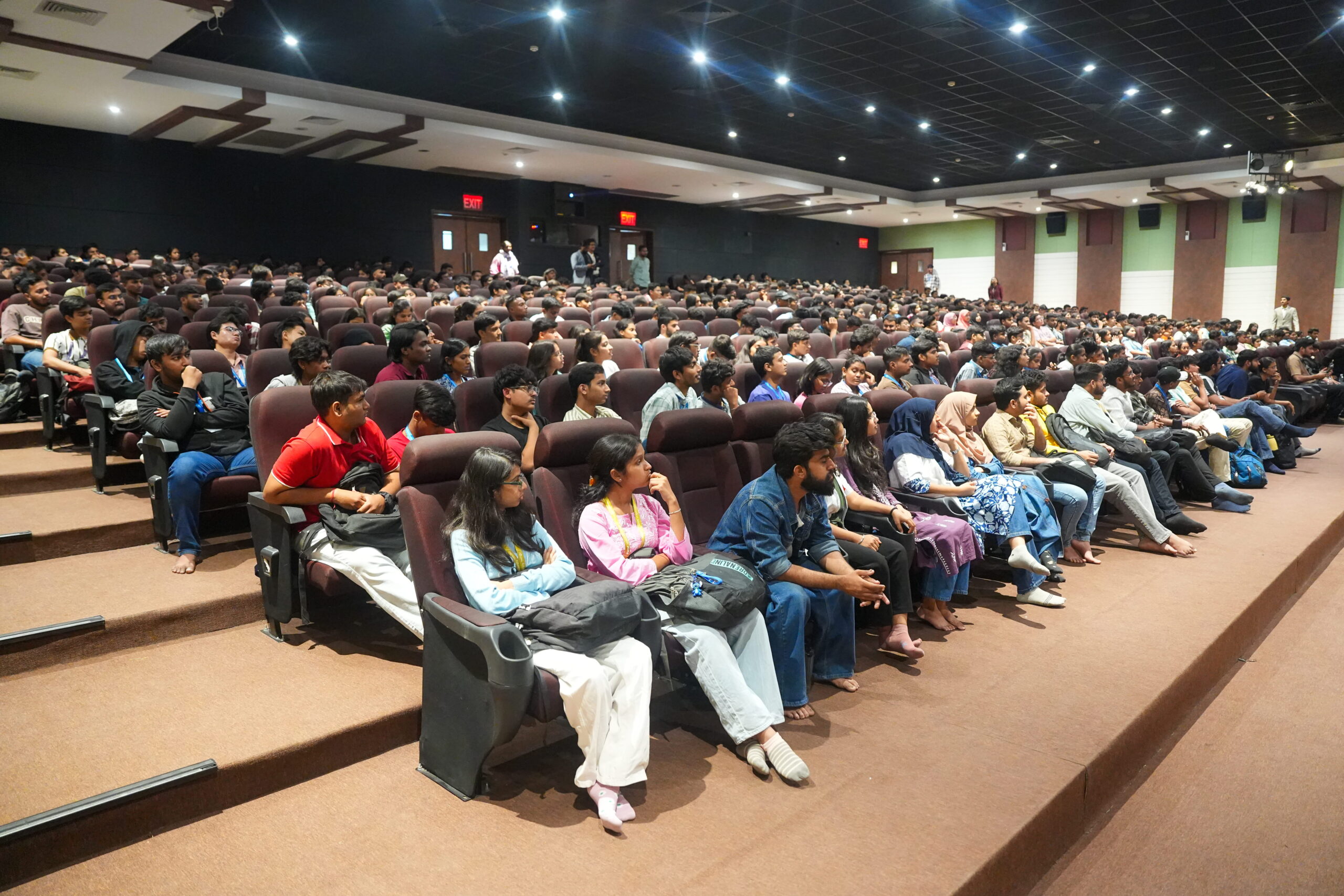
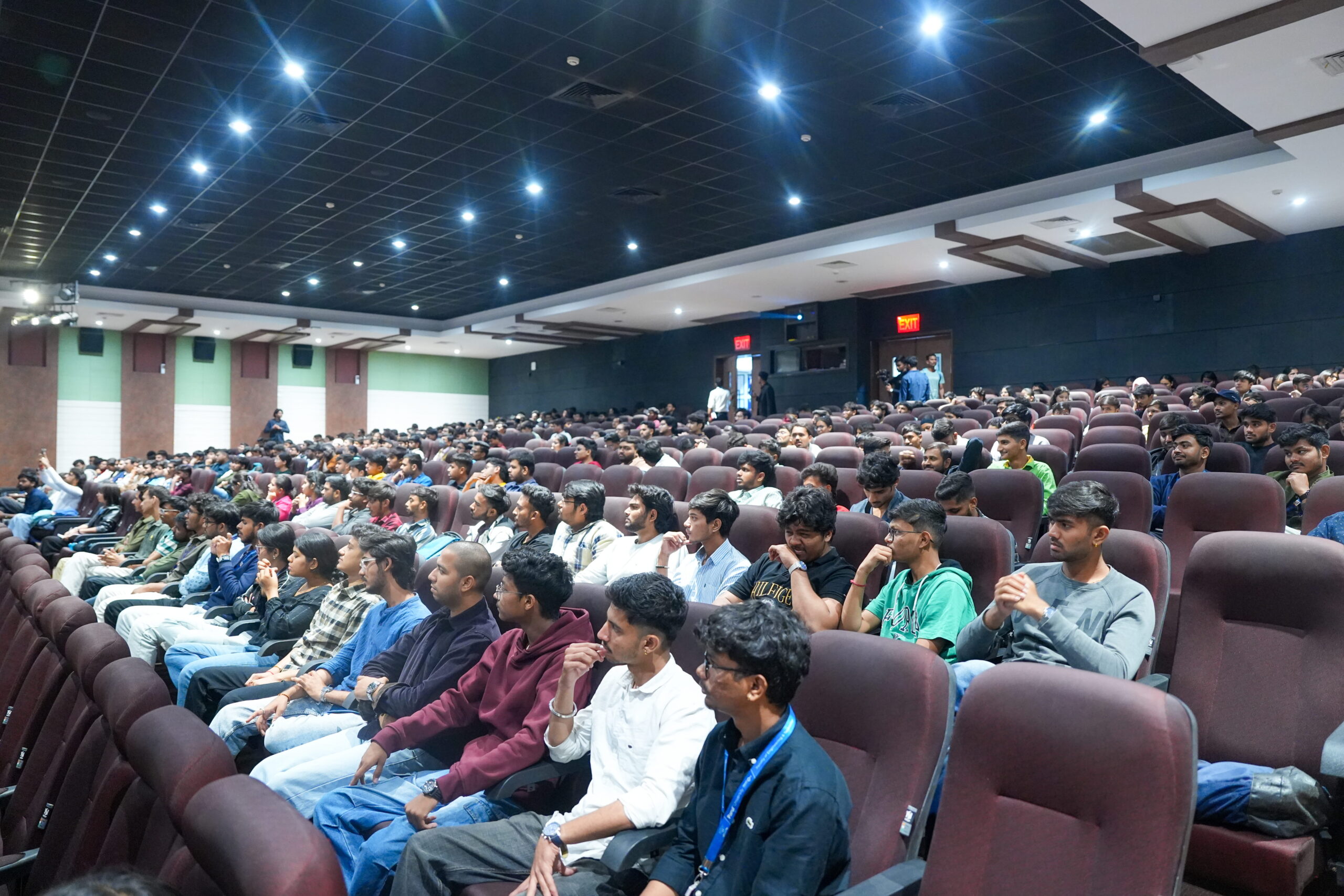
At VSF – Vadodara Start-up Festival 6.0 (Vadodara Startup Festival), Sundarka called it what it was: “a miserable failure.”
But here’s what matters that failure taught him something textbooks never could: the true meaning of initiative.
“Initiative is something that no one tells you to do or forces you to pick up,” he explained to students at Parul University. “College is the best place to take initiatives because students have the luxury to fail without catastrophic consequences.”
That’s the hidden advantage of student entrepreneurship: your failures cost less (financially and reputationally) than they ever will again.
Sundarka’s vegetable business failed, but the lesson stuck. He tried again. And again.
Eventually, ZebraLearn emerged a visual learning app that went from ₹10 lakh revenue in 2022 to ₹10.7 crore in 2024.
The growth trajectory:
₹10 lakh → ₹3.05 crore → ₹10.7 crore
But it started with vegetables worth ₹20,000 and the willingness to call failure by its name.
The Prototype Nightmare: Why Product Development Takes Forever
Samrath Singh Nagpal and Harnaam Kaur, co-founders of EasyRugs, shared a different kind of failure at VSF – Vadodara Start-up Festival 6.0: the failure of timelines.
Their first prototype took 8-9 months to develop.
Not because they were lazy. Not because they lacked focus. But because building something genuinely innovative in their case, affordable luxury rugs with washable, anti-slip, stain-resistant features is brutally complex.
The challenges they faced:
- Communicating Functional Innovation Explaining to manufacturers exactly what you want when it doesn’t exist yet is like describing color to someone who’s never seen.
- Extended Development Timelines – What you think will take 3 months actually takes 8-9 months. Always. Plan accordingly.
- The Quality-Speed Tradeoff They could’ve rushed a mediocre product to market. They chose to wait for something genuinely good.
“We refused to compromise on quality, usability, or design,” the founders explained.
That delay cost them:
- Months of runway
- Market timing opportunities
- Personal savings
- Sanity (probably)
But it gave them: a product they could actually scale.
The lesson? Patience isn’t a virtue in startups, it’s a requirement.
The Co-Founder Exit: When Teams Don't Work
At the same VSF – Vadodara Start-up Festival 6.0 event, another founder shared a story rarely discussed openly: a synthetic yarn business that performed well initially but ended due to conflicts between co-founders.
No drama. No lawsuit. Just the recognition that sometimes, partnerships don’t work even when the business model does.
This founder (who went on to succeed in cement manufacturing) emphasized something crucial: “Early failures do not define an entrepreneur.”
His business failures included:
- First Business: Traditional import-export, exited without regret when it plateaued.
- Second Business: Synthetic yarn, successful initially, failed due to co-founder conflicts.
- Third Business: Ribbon manufacturing for electric typewriters in the 1990s, killed by unsuitable technology and environmental conditions resulting in financial losses.
- Fourth Business: Cement business, started from scratch, reached third position regionally, still running after 29 years.
Three failures. One massive success.
The pattern? Keep trying. The fourth attempt might be the one that works.
The Logistics Disaster: What Nobody Warns You About
EasyRugs (the rug company) shared another failure point that blindsided them: logistics.
They had perfected the product. Nailed the website. Figured out pricing. Built brand identity.
Then they tried to ship.
The logistics nightmare:
- Oversized packages that didn’t fit delivery vehicles
- Weight issues creating handling difficulties
- Delays caused by third-party delivery partners they couldn’t control
“Even when EasyRugs dispatched products on time, last-mile delivery often took much longer,” the founders admitted.
They underestimated logistics completely. And it cost them in customer satisfaction, repeat business, and operational efficiency.
The lesson? For physical products, logistics isn’t an afterthought. It’s core to the business model.
Planning for logistics from day one, not month six, can save you from expensive pivots later.
The Investment Banking Failure That Worked
Kavish Gadia, CEO of ExcelOne and founder of Stones2Milestones, shared one of the more unusual “failure” stories at VSF – Vadodara Start-up Festival 6.0.
He had sisters who went to boarding school and would make fun of his English pronunciation every time they came home. This affected him deeply not surface-level annoyance, but genuine impact on confidence.
Someone told him: “Anyone can come first at school level, but if you really have it in you, then clear CAT.”
At the time, Gadia thought CAT referred to an actual cat. (Yes, really.)
Once he understood it was an entrance exam, he prepared, cracked it, and got into IIM Lucknow.
First trimester: Complete disaster. His English was too weak to cope. He felt clueless.
His response: “I told myself I would learn English and deliver that presentation perfectly.”
He called this “Breakthrough No. 2” harder than clearing CAT itself.
The result? 14 job offers from companies like KPMG Corporate Finance.
But here’s the interesting part: he took a job instead of jumping straight into entrepreneurship.
“It’s completely okay to begin one’s career with a job,” he told students.
This contradicts the “drop out and build” narrative popular in startup mythology.
Sometimes, the smartest move is learning on someone else’s dime before risking your own.
The Decision Framework: When to Keep Fighting vs. When to Quit
Poyni Bhatt, founding member and ex-CEO of SINE (IIT Bombay), ran a masterclass at VSF – Vadodara Start-up Festival 6.0 specifically addressing the decisions that make or break student startups.
Her critical insight: Most student startups fail not from bad ideas, but from bad co-founder decisions.
The co-founder risk she outlined:
- Irreversible Decision Choosing a co-founder is like marriage harder to undo than to do.
- Knowledge Exposure Your co-founder knows everything about your business. If they exit, that knowledge walks out too.
- Strength Dependency Each co-founder brings specific strengths to the table. When one leaves, that entire capability pillar collapses.
- Increased Risk A co-founder exit can destabilize investor confidence, team morale, and business continuity.
Her recommendation: Use campus as a testing ground.
Test for:
- Commitment: Do they show up when it’s hard?
- Compatibility: Can you work together under stress?
- Chemistry: Do your work styles complement or clash?
- Common Vision: Are you building toward the same destination?
Don’t rush co-founder decisions. The months spent finding the right partner save years of fixing the wrong partnership.
The Four-Stage Journey Every Entrepreneur Faces
Shri Yogesh Brahmankar, Innovation Director at AICTE’s Innovation Cell, outlined the emotional journey entrepreneurs actually experience (versus what they post on social media):
- Stage 1: People ignore you. Your idea doesn’t seem worth their time. You’re easy to dismiss.
- Stage 2: They laugh at you and demotivate you. Now you’re visible enough to mock. Your concept seems ridiculous to people invested in the status quo.
- Stage 3: They resist you. You’re threatening enough now that people actively try to stop you. They create situations designed to embarrass or discourage you.
- Stage 4: They take credit for your success. The same people who laughed now claim they supported you from the beginning.
This isn’t cynicism, it’s pattern recognition across hundreds of entrepreneurial journeys.
Understanding this cycle in advance doesn’t make it easier. But it makes it expected rather than shocking.
What PIERC Data Reveals About Failure Rates
Parul Innovation & Entrepreneurship Research Centre (PIERC) has incubated 250+ startups since 2015.
Not all survived. That’s the point.
The ecosystem is designed to support experimental failure, the kind that teaches without destroying.
PIERC provides:
- Seed funding so students can test ideas without personal financial ruin
- Mentorship to help identify failing approaches before they scale
- Co-working space reducing overhead costs
- Community of other founders experiencing similar challenges
The statistics that matter:
- ₹14.53 crores+ in startup funding provided
- 1400+ jobs created (by the startups that didn’t fail)
- ₹40 crores+ in revenue generated
- ₹100 crores+ in total investment raised
Here’s the secret: Those successful numbers exist because of the failures, not despite them.
Every failed vegetable delivery app taught lessons that informed successful subsequent ventures.
Every prototype delay revealed product development realities.
Every co-founder conflict clarified what to look for in partnerships.
The Failure Skills Nobody Teaches
Based on VSF – Vadodara Start-up Festival 6.0 sessions and PIERC experiences, here are the skills student entrepreneurs actually need (that no course teaches):
- Emotional Resilience The ability to hear “no” fifty times and still pitch fifty-first time.
- Financial Discipline Making runway last longer than optimism suggests it should.
- Brutal Honesty Calling failures what they are instead of “pivots” or “learning experiences” (even when they are learning experiences).
- Relationship Management Maintaining co-founder dynamics when money’s tight and stress is high.
- Selling Shamelessly Yogesh Brahmankar’s advice: “You have to be shameless. If you can’t sell, you can’t be an entrepreneur.”
- One More Time Mentality Kavish Gadia’s persistence philosophy: “The one quality every entrepreneur must possess is the willingness to try ‘just one more time.'”
The Stories That Don't Make Headlines
Nobody writes articles titled “We Shut Down After ₹20,000 in Sales” or “Why Our 8-Month Prototype Process Nearly Bankrupted Us.”
But those stories matter more than unicorn narratives for student entrepreneurs just starting out.
They teach:
- Realistic timelines
- Actual costs (financial and emotional)
- Common failure points
- Recovery strategies
- When to persist vs. when to pivot
Most importantly: they normalize failure as part of the process rather than proof of incompetence.
The Final Lesson
Anurag Sundarka ended his VSF – Vadodara Start-up Festival 6.0 talk with a simple mandate:
“Your job is to try, and you try it well.”
Not to succeed immediately. Not to avoid failure. Not to build the next unicorn.
Just to try well.
Try with:
- Full commitment
- Honest assessment
- Learning mindset
- Willingness to iterate
Because in student entrepreneurship, the only real failure is not trying at all.
The ₹20,000 vegetable business failed. But the founder who built it learned enough to eventually create a ₹10.7 crore company.
The 8-month prototype delay frustrated everyone. But it resulted in a product customers actually wanted.
The co-founder exit hurts. But they taught partnership lessons that made subsequent ventures stronger.
These aren’t failure stories. They’re expensive education that happens to involve startups instead of tuition fees.
And in ecosystems like PIERC, that education is exactly the point.
FAQs
1. Why do many student startups fail?
Student startups often fail due to limited experience, unrealistic timelines, co-founder conflicts, or operational challenges like product development and logistics.
2. What was Saralife.com?
Saralife.com was an early vegetable delivery startup created by entrepreneur Anurag Sundarka that generated about ₹20,000 in sales before shutting down.
3. What lessons did founders share at Vadodara Startup Festival?
Founders highlighted the importance of initiative, patience in product development, strong co-founder relationships, and resilience when facing startup failures.
4. Why is college a good time to start a startup?
College provides a low-risk environment where students can experiment, fail, and learn valuable entrepreneurial lessons before entering the professional world.
5. What is PIERC at Parul University?
PIERC (Parul Innovation & Entrepreneurship Research Centre) is the university’s startup incubation center supporting student founders through mentorship, funding access, and incubation programs.
6. What is Vadodara Startup Festival?
Vadodara Startup Festival is an entrepreneurship event organized at Parul University where founders, investors, and students share startup experiences, insights, and innovations.


