They lost money. Wasted years. Made terrible decisions. Then built successful ventures. Here’s what failure actually teaches when you refuse to let it be final.
Business schools teach case studies of successful companies. They analyze what worked after it worked.
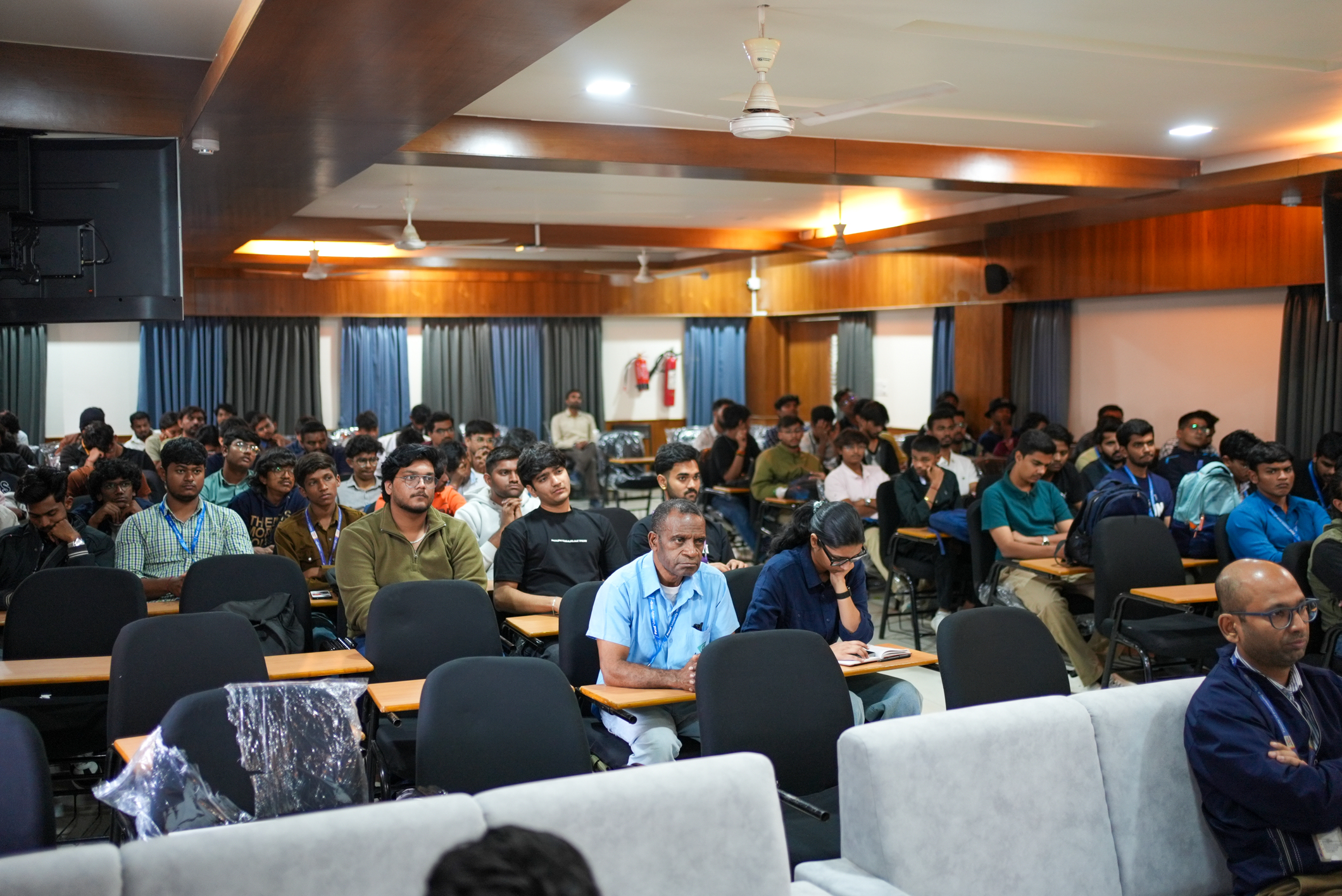
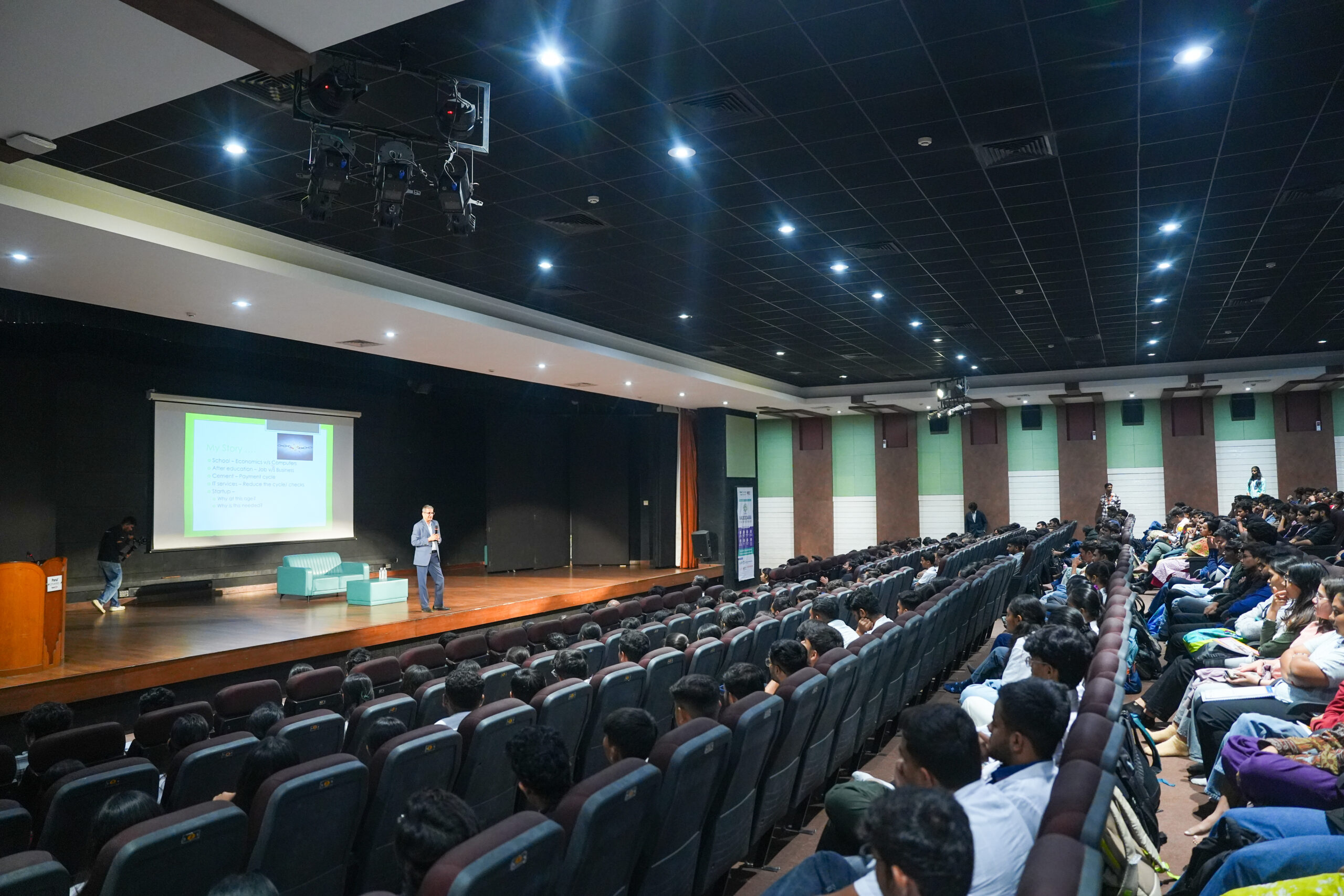
At Vadodara Startup Festival 6.0, eight founders shared something more valuable: what they learned from spectacular failures. Not sanitized lessons. Raw, expensive mistakes that nearly ended their entrepreneurial journeys.
Here’s what business schools don’t teach, but every founder learns the hard way.
Lesson 1: There Are No Failed Entrepreneurs
Founder: Kavish Gadia (ExcelOne, Stones2Milestones)
Kavish demolished the concept of entrepreneurial failure with one statement:
“There are no stories of failed entrepreneurs. The reason I’m standing here today is because I succeeded. When an entrepreneur decides to start something, they stand at the edge of either being remembered in business history or not being remembered at all, not even as a failed entrepreneur.”
This isn’t motivational fluff. It’s strategic reframing.
The entrepreneur who tries and fails is still braver than everyone who never tried. If you’re choosing entrepreneurship when everyone else opts for job security, you’ve already succeeded in taking the biggest risk.
The lesson: Entrepreneurial failure is a myth. There’s only learning that hasn’t compounded into success yet.
Lesson 2: Start Early, Fail Early
Founder: Mayank Pareek (Scholify)
Mayank’s philosophy is brutal and brilliant: “Start early, fail early.”
Not “avoid failure.” Not “minimize risk.” Fail early when the stakes are lower, the lessons cheaper, and recovery faster.
He emphasizes:
- Failures are not setbacks but learning milestones
- Early mistakes reduce long-term risk and provide clarity
- Each failure helps refine vision and strategy
- Persistence matters more than perfection
Scholify emerged from Mayank’s own struggles finding scholarships and opportunities. He experienced the pain point personally, failed at initial solutions, then built a platform that disbursed ₹7-8 crores to deserving students.
The lesson: Fail when you’re young, broke, and have time to recover. Waiting until you’re older with dependents and obligations makes failure catastrophic instead of educational.
Lesson 3: English Was Miserable, But That's Irrelevant
Founder: Kavish Gadia (continued)
Kavish grew up in Jhunjhunu, Rajasthan. Academic brilliance came easy. English? “Miserable.”
His sisters returned from boarding school and mocked his pronunciation. Simple words felt impossible. He avoided speaking English entirely.
This could have ended his ambitions. IIM Lucknow requires English fluency. Business requires communication. Fundraising requires pitch perfection.
Instead, it became Breakthrough No. 2 in his journey.
He forced himself to learn. Practiced presentations obsessively. Delivered despite being bullied for his Rajasthani accent. Graduated with 14 job offers from companies like KPMG.
Today, he’s CEO of ExcelOne and founder of Stones2Milestones, which employs 600 people and has helped 3.1 million children develop reading habits.
The lesson: Language barriers, accent discrimination, and communication anxiety are real. They’re also surmountable with persistent effort. Your background doesn’t define your ceiling.
Lesson 4: A ₹20,000 Total Is Still Worth It
Founder: Anurag Sundarka (ZebraLearn)
Before ZebraLearn appeared on Shark Tank and secured ₹1 crore from Ritesh Agarwal, there was Saralife.com.
A vegetable delivery venture. Total revenue generated: ₹20,000.
Anurag calls it a “miserable failure.” But he doesn’t regret it.
That failure taught him what initiative actually means: doing something nobody forces you to do. Taking action without grades, deadlines, or external pressure.
College, he realized, is the best place to fail. You have time. Resources. A safety net. The stakes are lowest they’ll ever be.
ZebraLearn’s trajectory validates this:
- 2022: ₹10 lakh revenue
- 2023: ₹3.05 crore revenue
- 2024: ₹10.7 crore revenue
The ₹20,000 failure made the ₹10.7 crore success possible.
The lesson: Small failures are tuition, not obituaries. A ₹20,000 mistake at 22 is cheaper than a ₹20 lakh mistake at 32.
Lesson 5: Your Job Is to Try, and You Try It Well
Founder: Anurag Sundarka (continued)
Anurag ended his VSF – Vadodara Start-up Festival talk with a quote worth memorizing:
“Your job is to try, and you try it well.”
Not “succeed.” Not “disrupt.” Not “scale to unicorn status.” Just try. And try well.
This removes the pressure of outcomes you can’t control. You can’t guarantee customers will buy. You can’t guarantee investors will fund. You can’t guarantee markets will cooperate.
You can only guarantee you’ll try with full effort.
The lesson: Success depends on factors beyond your control. Effort doesn’t. Focus on what you can control: the quality of your attempt.
Lesson 6: Satisfaction Outlasts Fame and Money
Founder: Rajat Singhania (HyLyt, 5+ other ventures)
Rajat’s transport business succeeded financially. Revenue grew. The venture scaled.
He exited anyway.
Why? Lack of personal satisfaction and mindset mismatch within the industry.
At VSF – Vadodara Start-up Festival 6.0, he asked the audience: “What’s more important: fame, money, or satisfaction?”
Students chose fame and money. Professors chose satisfaction.
Rajat’s wisdom from 35 years: “These hands have lived life. Satisfaction matters the most.”
He predicted students would shift priorities within 10-20 years. Money and fame would still matter, but satisfaction would take precedence.
The lesson: Building businesses you hate, even profitable ones, is unsustainable. Choose meaning over metrics before burnout makes the choice for you.
Lesson 7: The Four Stages Nobody Warns You About
Founder: Yogesh Brahmankar (AICTE Innovation Cell)
Yogesh outlined the inevitable emotional journey:
- Stage 1: People ignore you. Your idea doesn’t register. Nobody cares.
- Stage 2: They laugh at you and demotivate you. “That’ll never work.” “You’re wasting your time.”
- Stage 3: They resist you. Active opposition. Sabotage attempts. Obstacles multiply.
- Stage 4: They take credit for your success. “I always believed in you.” “I was there from the beginning.”
This cycle is natural. Predictable. Universal.
Knowing this in advance doesn’t prevent the pain. But it prevents surprises. You expect resistance. You brace for mockery. You recognize credit-stealing as validation.
The lesson: External validation arrives late or never. Build anyway. Criticism from people who’ve never tried is noise, not feedback.
Lesson 8: Financial Limitations Don't Limit Ambition
Founder: Mayank Pareek (Scholify)
Mayank struggled to find scholarships, internships, and direction. Financial constraints limited options everywhere he looked.
He built Scholify specifically to solve this, a platform enabling deserving students to achieve academic and professional goals regardless of financial background.
His message to students from similar situations:
- Financial limitations should not limit ambition
- Background does not define potential
- Struggles can become strength
- One good idea, born from personal pain, can help thousands
Scholify has since disbursed ₹7-8 crores to students. It ranks above Byju’s, Unacademy, and Vedantu for specific services.
The lesson: Constraints breed creativity. Your biggest disadvantage can become your competitive advantage if you build solutions for people like you.
The Meta-Lesson: Failure Is Information, Not Identity
Every founder at VSF – Vadodara Start-up Festival 6.0 shared variations of the same core insight:
Failure provides information. You learn what doesn’t work. You discover hidden assumptions. You identify weaknesses in execution or market understanding.
But failure is not identity. It doesn’t define capability. It doesn’t predict future outcomes.
Kavish failed at English. I learned it. Succeeded.
Anurag failed at vegetable delivery. Learned initiative. Built ZebraLearn.
Rajat exited a profitable business. I learned about satisfaction. Built six ventures.
Mayank faced financial constraints. Learned the gap. Built Scholify.
The pattern: fail → learn → build → repeat.
What Business Schools Actually Teach vs. What Failure Teaches
Here’s the gap:
Business schools teach:
- Market analysis frameworks
- Financial modeling
- Strategic planning
- Case studies of successful companies
- Leadership theory
Failure teaches:
- How markets actually behave vs. models
- Why customers don’t buy perfect products
- How to pivot when plans collapse
- What resilience actually requires
- Why persistence matters more than intelligence
Business schools optimize for knowledge transfer. Failure optimizes for wisdom.
You can graduate with honors and still build terrible products. You can fail twice and build category-defining ventures.
The Actionable Framework from Eight Founders
Synthesizing lessons from all eight VSF – Vadodara Start-up Festival founders:
- Start now. Don’t wait for readiness. Start while young, broke, and resilient.
- Fail small. Test quickly. Learn cheaply. Iterate fast.
- Reframe failure. There are no failed entrepreneurs. Only people who quit learning.
- Ignore limitations. Background, language, money all surmountable with persistence.
- Optimize for satisfaction. Money without meaning leads to burnout. Choose fulfillment.
- Expect resistance. People will ignore, mock, resist, then claim credit. Normal pattern.
- Try well. Focus on effort quality, not outcome guarantee.
- Keep going. Success compounds from persistent trying, not singular brilliance.
Why These Lessons Matter for Parul Students
Students at Parul University have access to PIERC funding, mentorship, and infrastructure.
But resources don’t guarantee success. Mindset does.
The eight founders at VSF – Vadodara Start-up Festival 6.0 prove that:
- You can fail and recover
- Backgrounds don’t determine outcomes
- Starting early compounds advantage
- Satisfaction sustains long-term
These aren’t motivational platitudes. They’re operational principles from people who’ve built real businesses, generated real revenue, and created real jobs.
The Bottom Line
Business schools teach frameworks. Failure teaches resilience.
Business schools analyze success. Failure creates it.
Business schools prepare you for interviews. Failure prepares you for entrepreneurship.
The eight founders who shared their stories at Vadodara Startup Festival 6.0 didn’t succeed despite failure. They succeeded because of it.
Every ₹20,000 disaster. Every language barrier. Every exciting venture. Every ignored idea. Every mocked attempt.
All contributed to eventual success.
The question isn’t whether you’ll fail. You will. Multiple times.
The question is whether you’ll let failure teach you or define you.
Choose teaching. Keep trying. Try well.
That’s what they learned. That’s what business schools don’t teach. And that’s what actually matters.
FAQs
1. What is the Vadodara Startup Festival?
The Vadodara Startup Festival is one of India’s largest startup events hosted by Parul University, bringing together entrepreneurs, investors, and students to share knowledge and innovation.
2. Why do founders emphasize learning from failure?
Failure provides real-world insights about markets, customer behavior, and execution that cannot be fully learned through theory or case studies.
3. What key lessons did founders share at VSF - Vadodara Start-up Festival?
Founders emphasized starting early, learning from mistakes, staying resilient, focusing on meaningful work, and building solutions based on real problems.
4. Can students learn entrepreneurship outside business schools?
Yes. Practical experiences like startup incubation, mentorship, and real-world experimentation often teach entrepreneurial skills faster than theoretical learning alone.
5. How does Parul University support aspiring founders?
Through incubation programs like PIERC, mentorship, funding opportunities, and events like the Vadodara Startup Festival, students receive hands-on support to launch their ventures.
6. Why are founder stories important for students?
Real founder stories provide honest insights into challenges, failures, and strategies that help students understand the realities of entrepreneurship.


