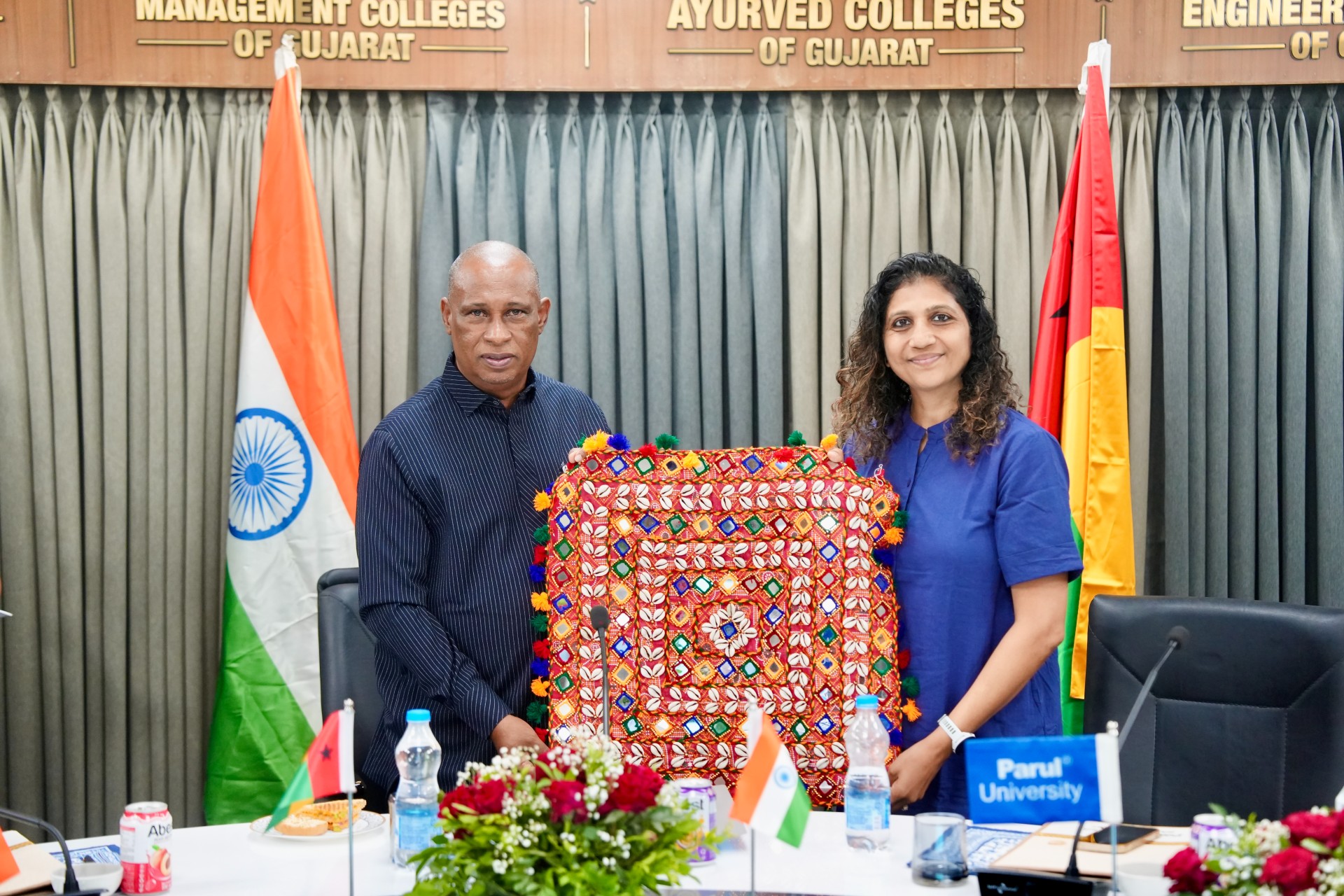
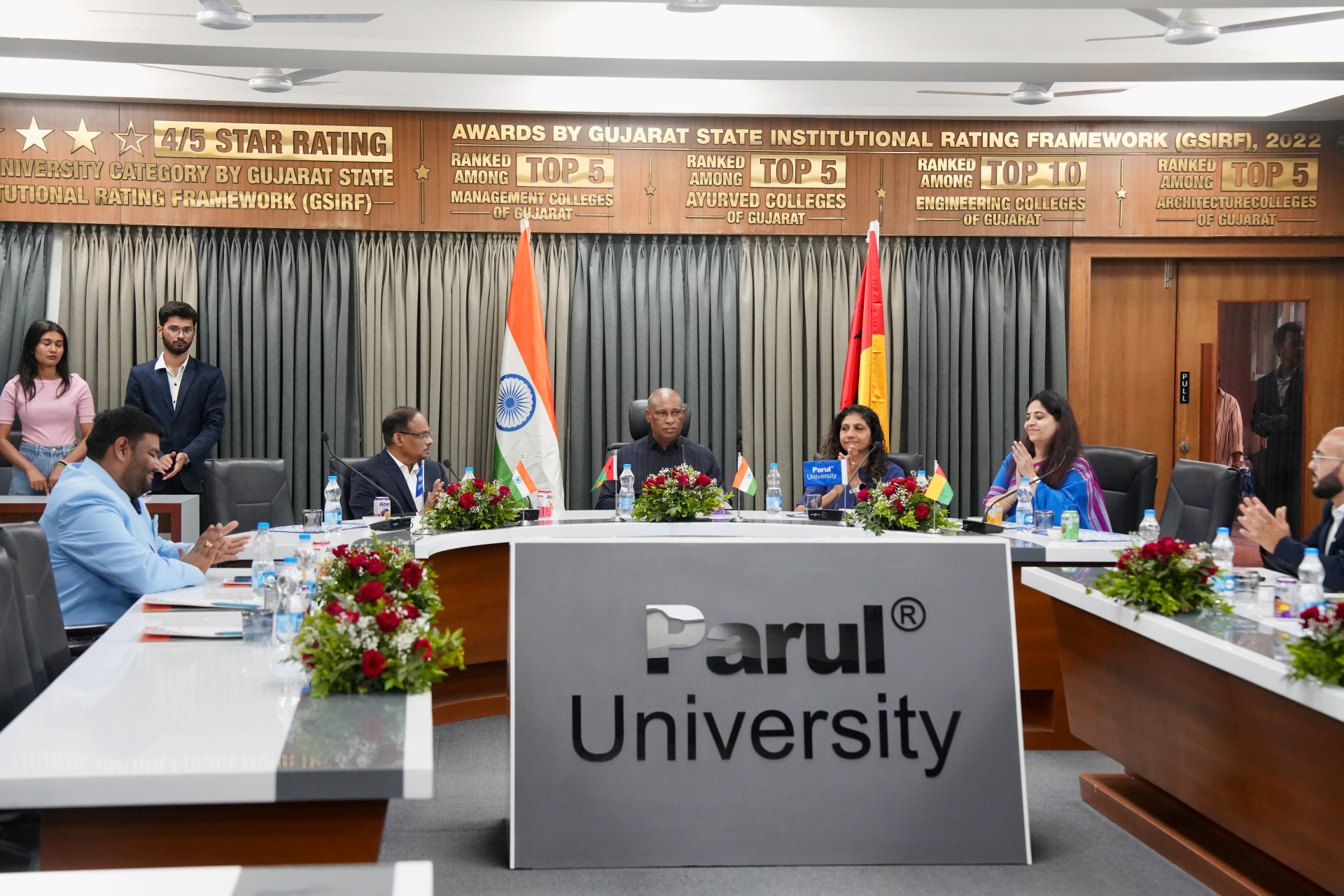
H.E. de Barros broke it down from how African students see things. If you ask them why they want to study abroad, most will tell you places like India, China, or France have the expertise and technology they’re after. India stands out for a few reasons. First, tuition costs way less than in Western countries. Second, the programs are solid, especially in medicine, pharmacy, engineering, and tech. People even call India the “pharmacy of the world,” so that reputation carries weight. Third, the atmosphere is pretty diverse, with students from more than 75 countries already learning side by side.
The trade relationship reinforces the educational one. India-Africa trade is growing, creating business and economic opportunities that graduates can return to capitalize on. A student who studies pharmacy, engineering, or business at an Indian university and then returns to an African economy with growing Indian business presence has a compounding advantage. Education is knowledge. The trade relationship is the market. The combination is a career.
Meet the largest community of international students by enrolling at Parul University – Parul University admissions.
Parul University: A university with 200+ acres, with 5k+ international students and 75+ countries.
A university that has the largest community of international students in India. This number has reached more than 5,500 from 75+ countries. The campus of Parul University is more than 200 acres with 70,500+ total students. 120+ global tie-ups provide exchange and collaboration frameworks. 2,200+ recruiters participate in placement drives. The university is NAAC A++ accredited, the youngest university in India to achieve this in its first assessment cycle, and holds approvals from AICTE, BCI, PCI, NMC, and UGC among others.
For international students, this ecosystem means three things. First, diversity: studying alongside students from dozens of countries creates the cross-cultural competence that H.E. de Barros identified it as essential for global citizenship. He described the Parul campus as amazing for its mix of students from different countries and ethnicities. Second, exposure: the PU x IIMUN Global Perspective Series brings heads of state and Nobel laureates to campus, providing access to global thinking that students at most universities never receive. Third, breadth: with 200+ programmes across medicine, engineering, pharmacy, law, management, design, and more, international students can find pathways that match their country’s development needs.
The Global Perspective Series: From Nobel Laureates to Heads of State
The PU x IIMUN Global Perspective Series has now hosted both a Nobel Peace Prize Laureate – Shirin Ebadi, 2003 Nobel Peace Prize, Iranian lawyer and human rights advocate, first Muslim woman to receive the Nobel Peace Prize and a former head of state – H.E. Rui Duarte de Barros , Former Prime Minister of Guinea-Bissau. Shirin Ebadi’s session focused on human rights, education, justice, and social change. H.E. de Barros focused on India-Africa relations, colonialism, education as development, governance, and corruption.
Together, these sessions demonstrate something specific about Parul University’s approach to education: global awareness is not a supplementary module. It is integrated into the student experience through direct engagement with people who have shaped nations and received the world’s highest recognitions. For international students considering where to study in India, this is a differentiator. For Indian students, it is exposure to perspectives that extend far beyond domestic boundaries.
The Faculty of Law at Parul University helps you start your career in law and explore B.B.A. LL.B. (Hons.) at Parul University.
The Brain Drain Problem and What Education Must Solve
H.E. de Barros addressed the hardest question in international education development: what happens when students do not go back? People who study outside Africa for bigger positions often remain outside. If they do not return, there will be no one left to build the institutions, infrastructure, and systems that their countries need. His message was personal: grandparents work their entire lives to earn money and send students abroad. Come back home and help the community.
This is where India’s role becomes structural rather than just academic. If Indian universities produce graduates who return to African economies with relevant skills (medicine, engineering, pharmacy, law, management), and if India-Africa trade continues growing, the brain drain becomes brain circulation. Education happens in India. The career builds in Africa. The trade relationship connects both. The former PM’s final point was that the first priority every government should give is education and health, without discrimination, ensuring that everyone has the opportunity to go to school and access better healthcare. Long-term investment in education is the future.
FAQ: International Students at Parul University
How many international students study at Parul University?
5,500+ international students from 75+ countries on a 200+ acre campus with 70,500+ total students. NAAC A++ accredited. 120+ global tie-ups. 2,200+ recruiters. 200+ programmes across medicine, engineering, pharmacy, law, management, design, and more.
What is the PU x IIMUN Global Perspective Series?
A collaboration between Parul University and India's International Movement to Unite Nations that brings global leaders to campus. Has featured Nobel Peace Prize Laureate Shirin Ebadi (2003) and H.E. Rui Duarte de Barros (Former Prime Minister of Guinea-Bissau). Students interact directly with heads of state and international thought leaders.