According to the ADP People at Work 2026 report, 80% of employees in India use AI tools multiple times a week, making India one of the global leaders in workplace AI adoption. (The Economic Times)
As AI becomes part of everyday work, every business function, including Human Resources (HR), can also change. HR is not limited to recruiting new employees. It also supports employee growth, manages workplace experience, helps leaders make better workforce decisions, and uses technology to improve many HR processes.
This is why students choosing an MBA in Human Resources also learn how technology supports modern HR functions.
Why Is Human Resources Changing Today?
The workplace has changed in many ways over the last few years. Hybrid work, digital communication, cloud-based systems, and AI-powered tools have become common in many organisations.
As businesses adopt these technologies, HR teams also use digital platforms to manage recruitment, employee records, payroll, performance tracking, and learning programmes more efficiently. Recent workplace reports also indicate that AI, automation, and changing employee expectations are shaping how organisations manage people and performance. (The Economic Times)
This means HR professionals need both people management skills and an understanding of technology.
How Can Technology Change the Daily Work of HR?
Technology supports many HR activities that were once handled manually.
Some common examples include:
- Applicant Tracking Systems (ATS) for recruitment.
- HR analytics for workforce insights.
- Digital onboarding platforms.
- Cloud-based performance management systems.
- Automated payroll and compliance software.
These tools help HR teams organise information more efficiently while allowing them to spend more time on employee development and organisational planning.
How Can Data Help HR Make Better Decisions?
With data, HR analytics helps organisations study workforce information such as employee engagement, hiring trends, retention patterns, and skill requirements. This information supports planning and decision-making across different business functions.
Data also helps HR teams identify training needs, monitor employee performance, and understand workforce trends in a more structured way.
As organisations use digital systems, the ability to understand workforce data becomes an important skill for HR professionals.
How Does Technology Improve the Employee Experience?
Technology supports employees throughout their journey in an organisation. Employees can complete many routine HR activities online, making processes faster and easier.
Some examples include:
- Applying for leave through self-service portals.
- Accessing salary information digitally.
- Completing online learning programmes.
- Receiving regular performance feedback.
- Updating personal information without paperwork.
These systems also help managers and HR teams communicate more effectively with employees, especially in hybrid and remote work environments.
Get Complete Details From Expert
How Does Parul University Prepare Students for Modern HR Roles?
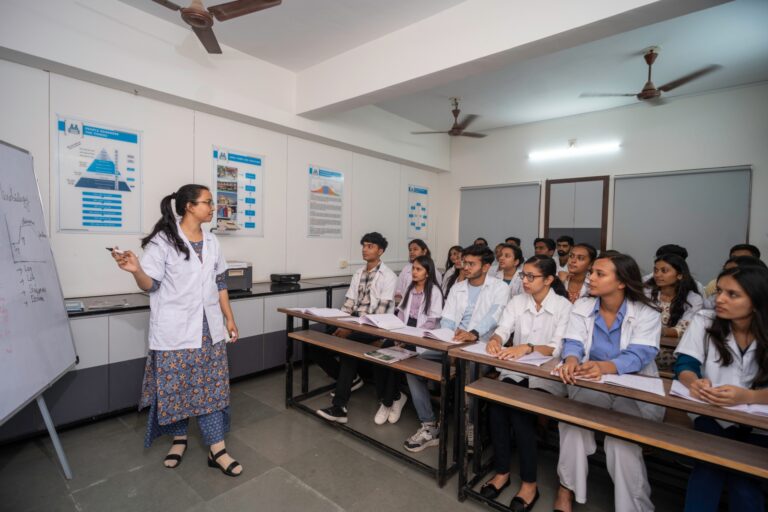
At Parul University, students pursuing an MBA in HR are introduced to both human resource management principles and technology-enabled HR practices through the MBA in HR in Association with SAP.
The programme focuses on helping students understand recruitment, performance management, payroll systems, compliance, workforce analytics, and HR operations supported by enterprise technologies. Students also gain exposure to HR software and digital business processes that are used across organisations.
The curriculum prepares learners for roles such as Talent Acquisition Specialist, HR Analyst, HR Operations Manager, SAP-HR Consultant, and other technology-driven HR positions. Along with classroom learning, students receive practical exposure that helps them understand how digital tools support modern HR functions and business decision-making.
What Skills Should Future HR Professionals Build?
Along with academic knowledge, students can strengthen their careers by developing practical skills.
Some useful areas include:
- HR analytics and reporting
- HR Information Systems (HRIS)
- Digital recruitment platforms
- Payroll and compliance software
- Communication and employee engagement skills
These skills help graduates adapt to workplaces where technology and people management work together.
Where Can an MBA in HR Lead to?
As organisations adopt digital technologies, HR professionals can play an even bigger role in connecting people, business goals, and technology.
An MBA in Human Resources is not only about understanding recruitment or employee relations. It also prepares students to work with workforce data, digital platforms, and modern HR systems that support organisational growth.
For students who enjoy working with people while learning new technologies, this combination offers opportunities to build meaningful careers in the changing world of work.