Why the MNRDC Research Environment Matters for PhD Scholars
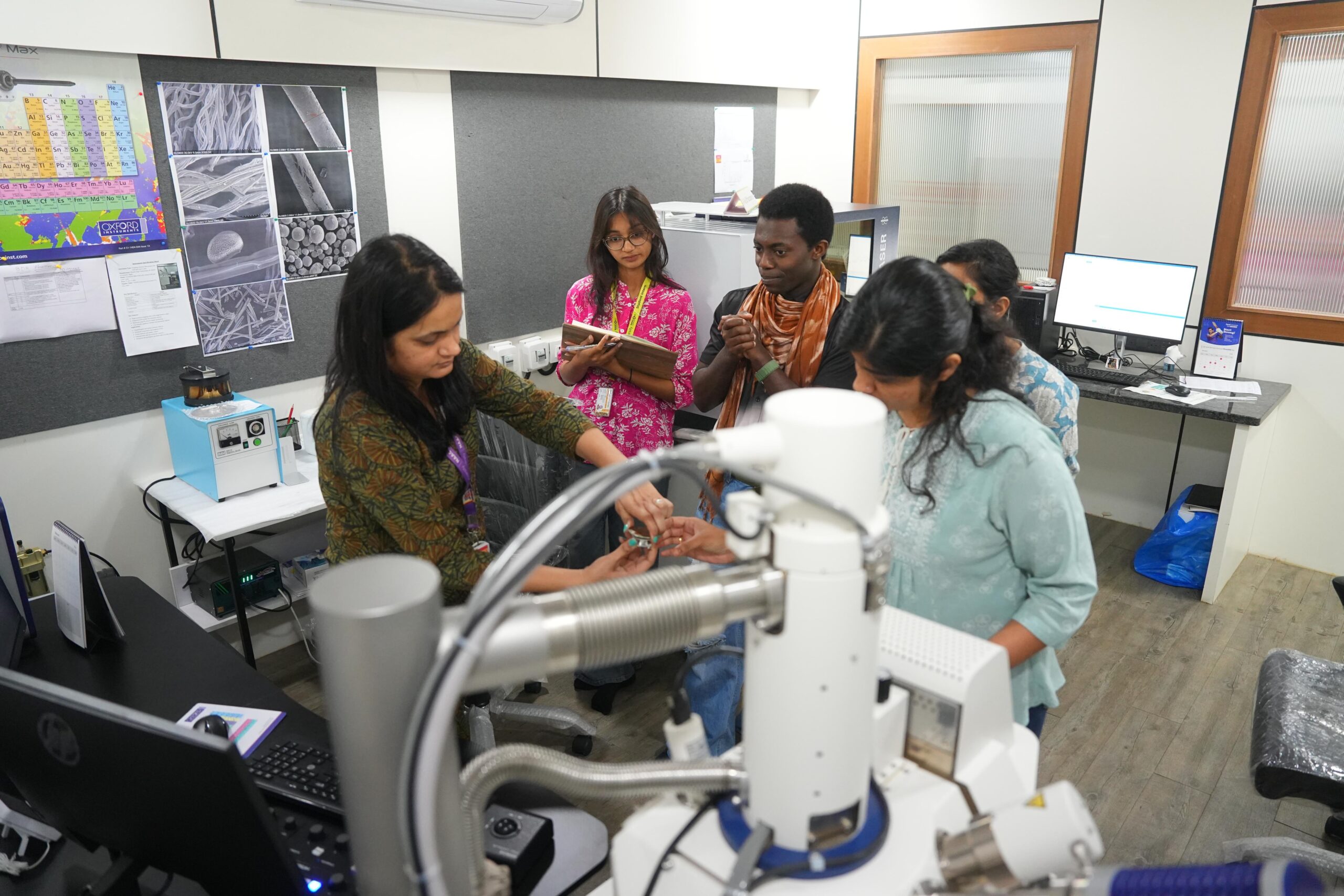
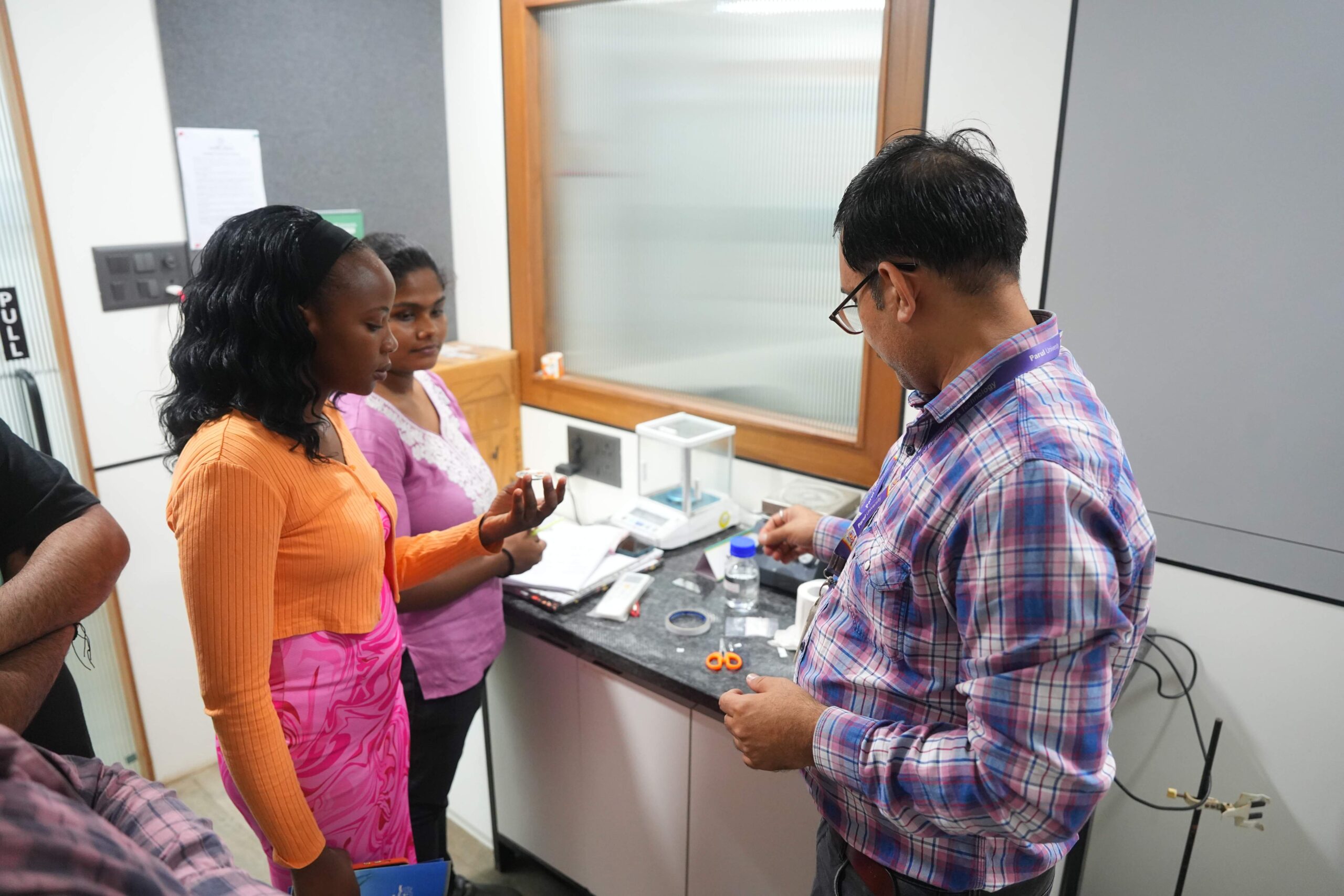
The single most important factor determining PhD research quality and timeline is instrument access. A PhD scholar studying nanotechnology who must send samples to Mumbai and wait three months for SEM results will complete their degree in 6-7 years. A scholar with direct access to the MNRDC’s Hitachi SU3800 SEM – getting results within 10 working days on demand – will complete the same research in 4-5 years with a richer dataset and more publications. This is not speculative: it is the direct testimony of MNRDC workshop participants like Srishti Rawal, whose catalysis PhD research was hampered by inability to access SEM interpretation knowledge, and who described the 3-Day Microscopy Workshop as a research turning point.
At Parul University, enrolled PhD scholars in material science, mechanical engineering, chemical engineering, and applied sciences have direct access to all 10 MNRDC instruments as part of their doctoral research. This access – under the supervision of research cadre members and faculty – is one of the most tangible ways the MNRDC’s Rs.2.66 crore government-funded instrument portfolio benefits the university’s research community beyond external testing services.
Doctoral Supervisors - Credentials and Research Domains
Sr. Prof. Dr. Anand Joshi - Chairperson, MNRDC
PhD from IIT Roorkee in Mechanical Engineering. Over 23 years of combined teaching and research experience. Core expertise: CAD, Mechatronics, Nanotechnology. 50+ publications in national and international journals. Recipient of the DST Fast Track Research Grant for Young Scientists. Multiple travel grants from SERB and AICTE. One paper in Physica E ranked among the top 25 hottest articles and the most-cited in the journal since 2008. PhD supervision record: 3 completed, 2 ongoing. His primary doctoral research themes connect directly to the ISRO Shape Memory Alloy project and the Centre of Excellence in Advanced Manufacturing.
Prof. Dr. Unnati Joshi - Director (Research), PIET & Chief Research Officer, FET
PhD from IIT Roorkee in Mechanical Engineering. Over 21 years of teaching and research experience. Expertise: Nanotechnology, Sustainable Technologies, Nanocomposites. Funded projects from GUJCOST, DST, and the Royal Academy of Engineering UK (Newton-Bhabha Fund, Green Refrigeration System Using Solar Energy). Publications in Materials, Physica E, Composites Communications. PhD supervision record: 4 completed, 2 ongoing, 1 post-doctoral researcher. Her doctoral themes centre on sustainable materials, nanocomposites, and clean energy materials – directly connected to the Royal Academy green hydrogen project.
Three Research Projects Creating PhD Opportunities
ISRO - Shape Memory Alloy for Space Applications
PhD scholars working on the ISRO-funded SMA project gain experience with a research domain – smart materials for aerospace – that is in growing global demand. The project involves SMA fabrication, SEM and XRD characterisation of phase transformation behaviour, AFM surface analysis, and mechanical testing on the Pin-on-Disc Tribometer. Publications arising from this project carry the prestige of ISRO collaboration – a credential that opens doors in aerospace research, defence R&D, and high-value manufacturing careers.
CSIR - Metamaterial MIMO Antenna for Beyond 5G
PhD scholars on the CSIR-funded metamaterial antenna project work at the intersection of materials fabrication (RF/DC magnetron sputtering), electromagnetic characterisation, machine learning for antenna design optimisation, and B5G/6G communications research. This combination – advanced materials + ML + next-generation communications – is among the most industry-relevant doctoral skill sets in India today. The planned CSIR-funded RF Anechoic Chamber will add antenna performance measurement to the project’s experimental scope.
Royal Academy of Engineering UK - Green Hydrogen Electrocatalysts
PhD scholars on the green hydrogen project work on electrocatalyst synthesis, SEM/EDS characterisation of nanotube structure, XRD phase identification, AFM surface analysis, electrochemical performance testing, and publication in Q1 journals. The project’s flagship paper in Renewable Energy (IF 9.1) demonstrates the publication calibre achievable. Scholars on this project also gain exposure to international research collaboration frameworks – the Royal Academy’s network of researchers across the UK and internationally.
Post-Doctoral Opportunities
Prof. Dr. Unnati Joshi currently supervises one post-doctoral researcher at the MNRDC – demonstrating that the centre’s infrastructure and funded projects are sufficiently advanced to support post-doctoral research. Post-doctoral fellows at the MNRDC gain exposure to externally funded projects (ISRO, CSIR, Royal Academy), instrument access across 10 analytical and manufacturing tools, and a collaborative research environment that includes University of Surrey UK, and Penza State University Russia. For researchers completing their PhD elsewhere in India or internationally, the MNRDC represents a high-infrastructure post-doctoral destination in the western India region. Details on post-doctoral programmes are available at paruluniversity.ac.in.
What PhD Scholars at the MNRDC Say
The voices of current and prospective MNRDC researchers capture the environment better than any prospectus description. Srishti Rawal, a PhD scholar in Chemical Sciences at Parul Institute of Applied Sciences working on heterogeneous catalysts, described the MNRDC workshop as “a necessity – I had to learn SEM anyhow to be able to present in respect to my paper and PhD.” Her experience – of needing SEM access and interpretation knowledge as fundamental PhD requirements – reflects how the MNRDC directly enables doctoral completion rather than merely supporting it peripherally.
Moutughimou Ben Ali, a PhD scholar in Genetics who is simultaneously a faculty member at Parul Institute of Applied Sciences, described the MNRDC as “very informative” and expressed hope that workshops covering additional instruments would follow – suggesting that his engagement with the MNRDC is ongoing and that the instruments continue to generate new research questions relevant to his doctoral work.
Prospective PhD scholars in material science, nanotechnology, mechanical engineering, chemical engineering, physics, pharmacy, or biotechnology can explore the doctoral programme at Parul University at and learn about specific research projects by contacting the MNRDC!
FAQs
Who supervises PhD research at Parul University MNRDC?
The primary doctoral supervisors at the MNRDC are Sr. Prof. Dr. Anand Joshi (Chairperson, PhD IIT Roorkee, 3 PhDs completed, 2 ongoing, DST Fast Track Young Scientist awardee) and Prof. Dr. Unnati Joshi (Chief Research Officer, PhD IIT Roorkee, 4 PhDs completed, 2 ongoing, 1 post-doctoral researcher, Royal Academy of Engineering UK funded). Both supervisors have active externally funded projects providing specific research topics for doctoral candidates.
What are the available PhD research topics at MNRDC Parul University?
Active funded research topics include: Shape Memory Alloy components for space applications (ISRO-funded), Metamaterial-based Massive MIMO Antenna using Machine Learning for Beyond 5G (CSIR-funded), Green Hydrogen Production through Electrolysis and Renewable Energy Integration (Royal Academy of Engineering UK), and Advanced Manufacturing Research and Technology (CoE grant). Additional topics in nanotechnology, nanocomposites, and smart materials are available under general supervision.
How does the IIT Ropar partnership benefit PhD scholars at Parul University?
The RDC's strategic partnership with IIT Ropar enables potential access to IIT Ropar's research facilities for complementary analyses, IIT faculty expertise for co-supervision, and joint publications with IIT Ropar co-authors. For PhD scholars, this expands the effective research infrastructure available, provides IIT-affiliated publication credentials, and opens networking connections to the broader IIT research ecosystem.
Are post-doctoral positions available at Parul University MNRDC?
Yes. Prof. Dr. Anand Joshi currently supervises one post-doctoral researcher at the MNRDC. Post-doctoral opportunities arise particularly around funded projects (ISRO, CSIR, Royal Academy UK) and may be available for candidates with PhDs in material science, mechanical engineering, chemical engineering, or related fields. Contact the MNRDC at micronanornd.paruluniversity.ac.in for current availability.