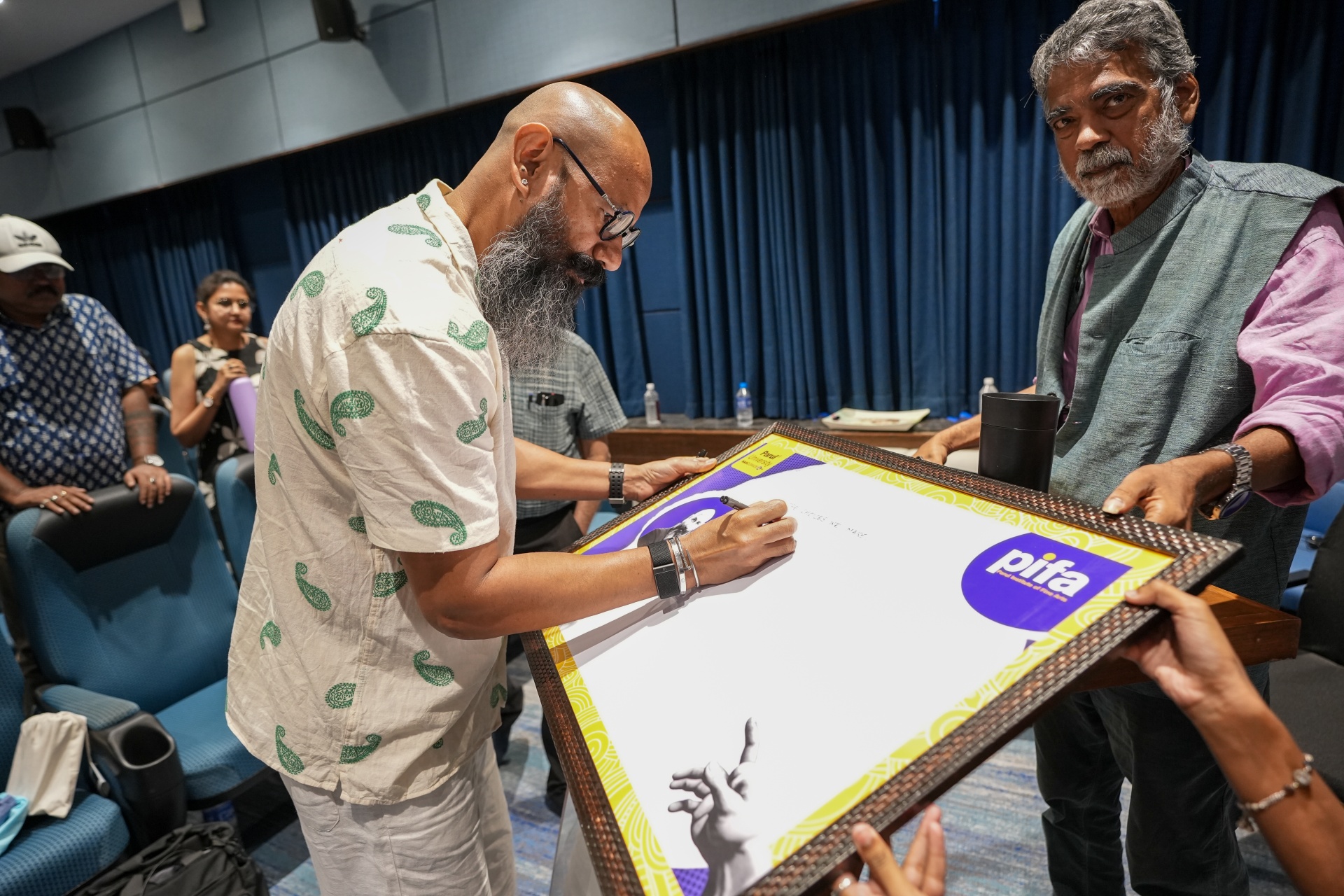
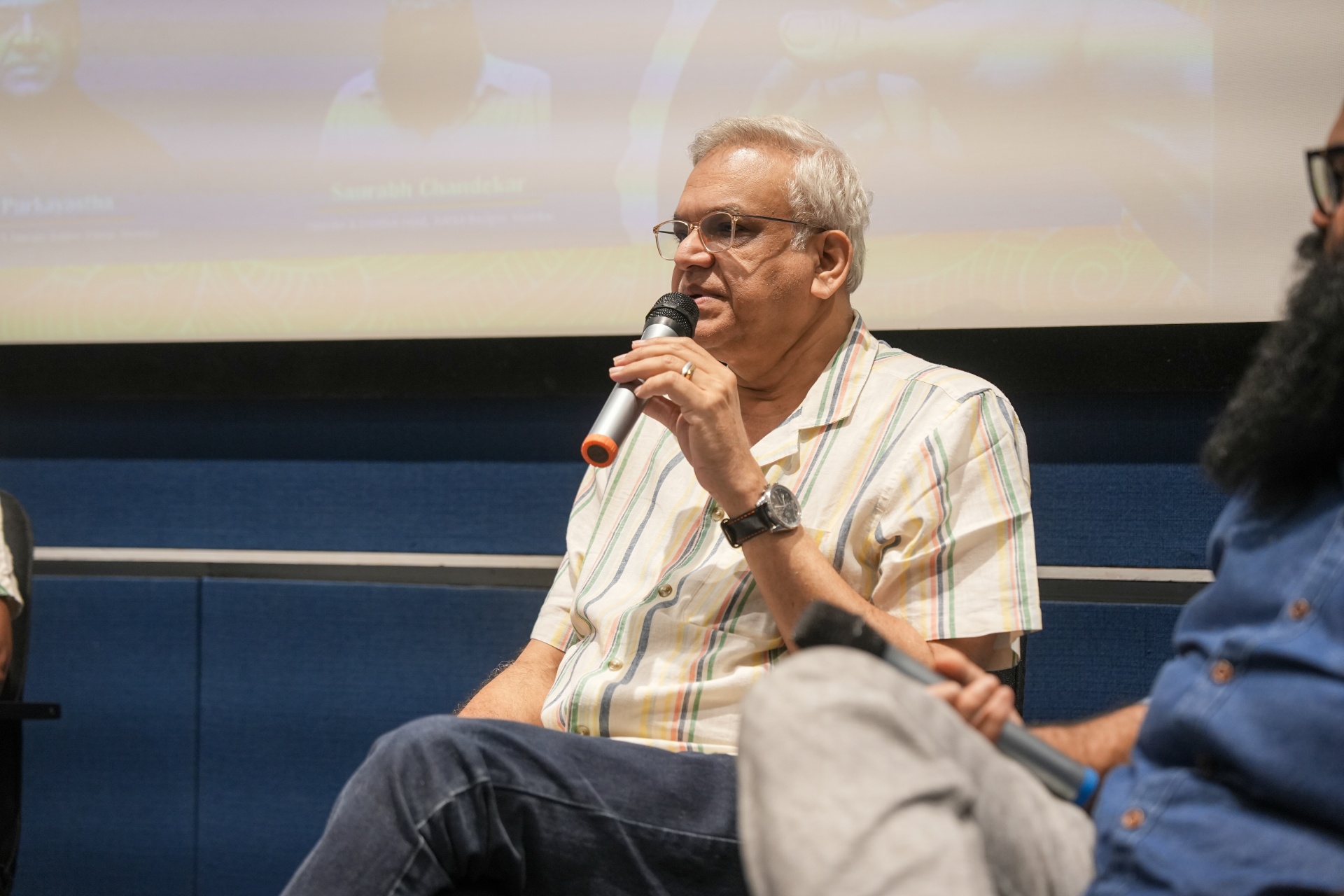
Mithun Rodwittiya opened by observing that applied arts is fundamentally different from even a decade ago. Debojyoti Purkayastha confirmed: earlier it was mostly designing posters, ads, drawings, and creative visuals. Now it enters branding, product design, business strategy, and technology. The field has become vast. Students need to think bigger instead of focusing only on basic design work. The career options now include content creator, UI/UX designer, branding expert, and product thinker. Saurabh Chandekar said confusion is normal but students should focus on building strong basics. If the foundation is solid, shifting into any field later becomes straightforward.
AI: Opportunity and Threat Simultaneously
The panel agreed that AI is the biggest change happening in applied arts right now. Saurabh was specific: AI tools generate outputs in minutes that designers previously spent hours or days producing. Clients expect faster delivery and lower cost as a result. This creates real pressure. But AI is not only a threat. Used properly, it becomes an advantage. The people who adapt fast will grow more than those who resist. Debojyoti added that AI output may come fast but it will not be meaningful or impactful without human understanding behind it. Software knowledge is not enough. Understanding why a design works is more important than knowing how to operate the tool.
Both speakers reinforced what Rekha Rodwittiya had said on Day 1: fundamentals cannot be skipped. Typography, design sense, aesthetics, and the thinking process behind a composition. Even if AI tools are available, these basics determine whether the output has substance. Without them, AI produces fast noise. Transform ideas into powerful visual stories with Communication Design at Parul University.
Execution vs Creativity: The Missing Depth
Mithun raised a concern that applied arts is becoming too execution-driven. Many practitioners do exactly what the client tells them without thinking deeply. Real creativity comes from solving problems in different and unique ways. Debojyoti was emphatic: thinking and idea generation matter more than just making designs. This point was repeated throughout the discussion in different forms. The advertising industry has shifted from TV (deep, crafted campaigns) to digital platforms (Instagram, YouTube, short video) where companies want quick results: views, clicks, engagement. Speed and performance metrics sometimes sacrifice the depth that makes work memorable.
Saurabh connected this to storytelling. Even if a design is excellent, if the designer cannot explain it properly, it loses value. Conversely, a well-presented idea gains acceptance even when the design itself is still developing. Communication skill is not a supplement to creativity. It is inseparable from it.
Advice for Applied Arts Students in 2026
- Be curious. Ask questions. Use college time properly. This period is irreplaceable for learning.
- Reduce phone usage. It reduces focus and creativity. Spend time thinking, observing, and improving skills instead.
- Do not fear change. The industry moves fast. Adaptability is a survival skill.
- Build strong basics first. Trends change. Fundamentals do not.
- Balance speed and quality. The industry rewards speed, but depth is what creates lasting careers.
- Learn to present ideas. Storytelling and communication are as important as the design work itself.
Start your journey towards a dynamic creative career with the Bachelor of Design at Parul University!
FAQ: Applied Arts Career 2026
Is applied arts still a good career?
Yes, but it has expanded far beyond traditional design. Branding, product design, business strategy, and technology are all part of applied arts now.
Is UI/UX still worth pursuing?
Saurabh warned that UI/UX saturation is approaching. AI is replacing repetitive design tasks. Some clients now add anti-AI clauses to contracts. If the goal is only money, UI/UX works for now. If the goal is a lasting identity and name, authentic creative work holds more value.


