Justice Kathpalia: The Critical View Mediation Needs to Hear
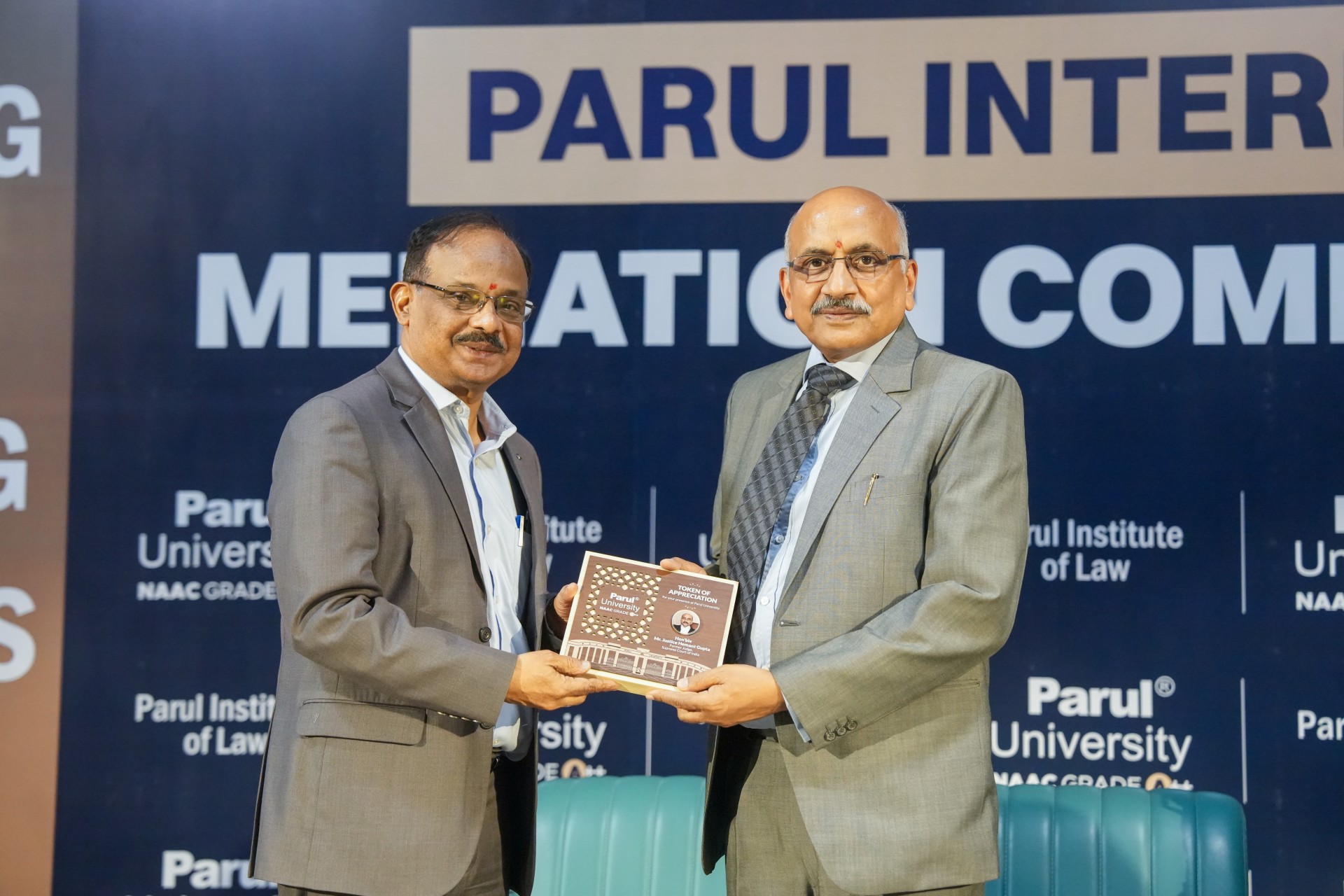
Justice Hemant Gupta, who served as the Supreme Court judge and chairperson of the Indian International Arbitration Center, brought historical perspective. He shared his learnings about mediation and its growth in India, which can be traced back to 2002. During the time, mediation gained institutional recognition
through the development of 40-hour training programs under Order 99 of the Code of Civil Procedure, to the established ADR ecosystem. He said that while there are no stats available on the success rate of the mediation, it works in many cases, especially in family-related cases where civil and criminal litigations have failed.
He shared a personal example: a family dispute that was resolved through mediation after 15 years of parallel civil and criminal litigation. The resolution, a decree of divorce, was not conventionally happy. But it was one both parties accepted and arrived at through dialogue rather than judicial imposition. His message to students was encouraging: there is no loser in this competition. There is only someone who became successful because of presence of mind at a particular time. If the runners-up are strong, they will win the next time.
Learn criminal justice with LL.M. in Criminal and Security Laws.
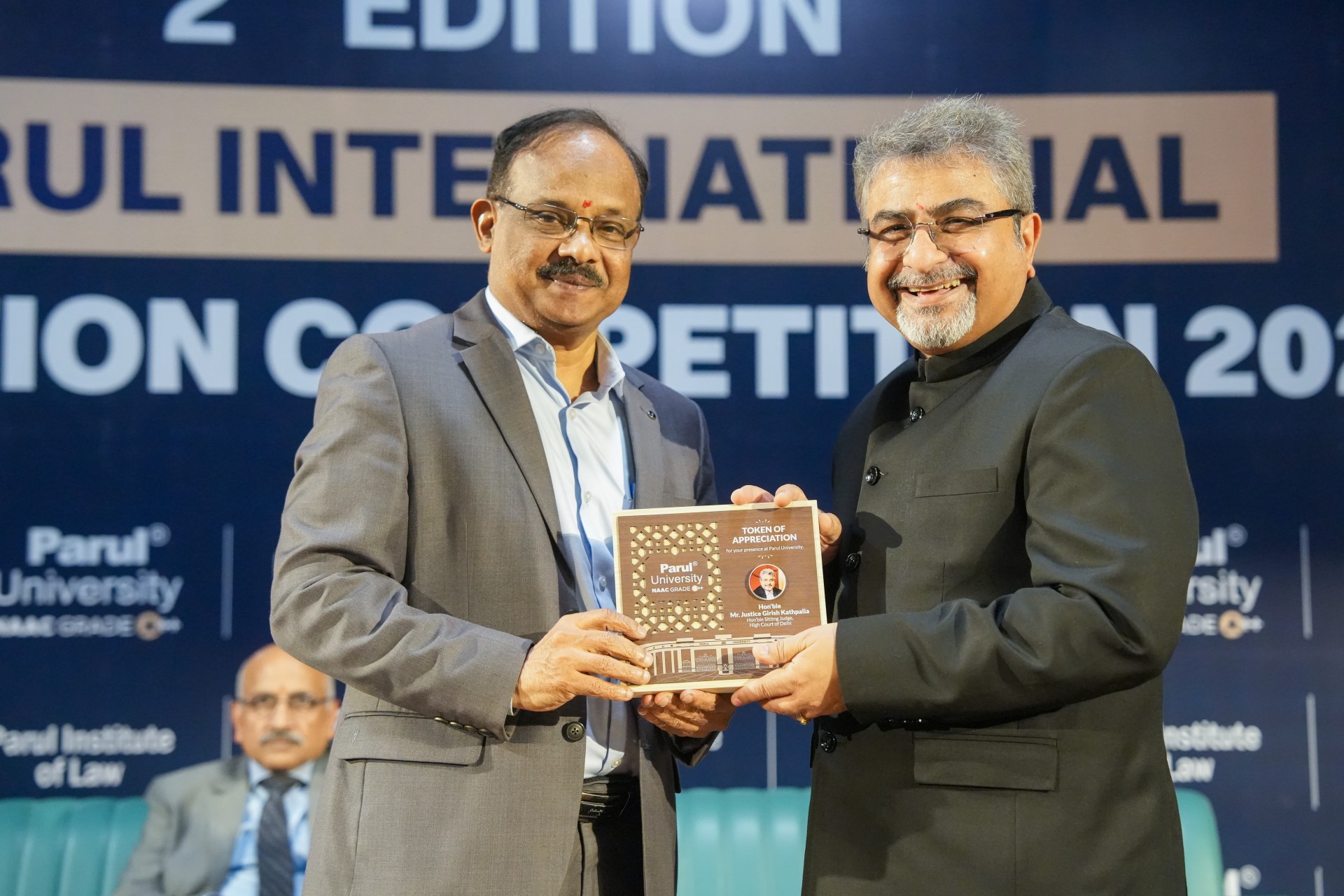
Justice Kathpalia: The Critical View Mediation Needs to Hear
Justice Girish Kathpalia brought the critique that balanced the day’s otherwise pro-mediation consensus. Speaking from over 15 years at the bar and nearly 23 years as an adjudicator, he identified specific structural problems. First: mediation has become statistics-oriented. Institutions focus on the number of settlement agreements produced, not on the quality or durability of those settlements. Cases are pushed into mediation to improve numbers, even when mediation is not appropriate for the dispute.
Second: many mediation settlements are practically non-enforceable. Parties agree in the mediation room but the agreements lack the procedural weight to be enforced later. Third, and most serious: certain criminal matters, such as dowry death (Section 304B) and negligence causing death (Section 304A), are being mediated through monetary compensation. Justice Kathpalia called this blood money. Some problems cannot be solved with money. They require proper justice through the court system.
His constructive proposal: domain experts should serve as mediators in specialised disputes. Technical cases, medical negligence cases, and scientific disputes require subject-matter knowledge that legal practitioners alone may not possess. Not only judges and lawyers should handle mediation. The right mediator for the right dispute is the principle.
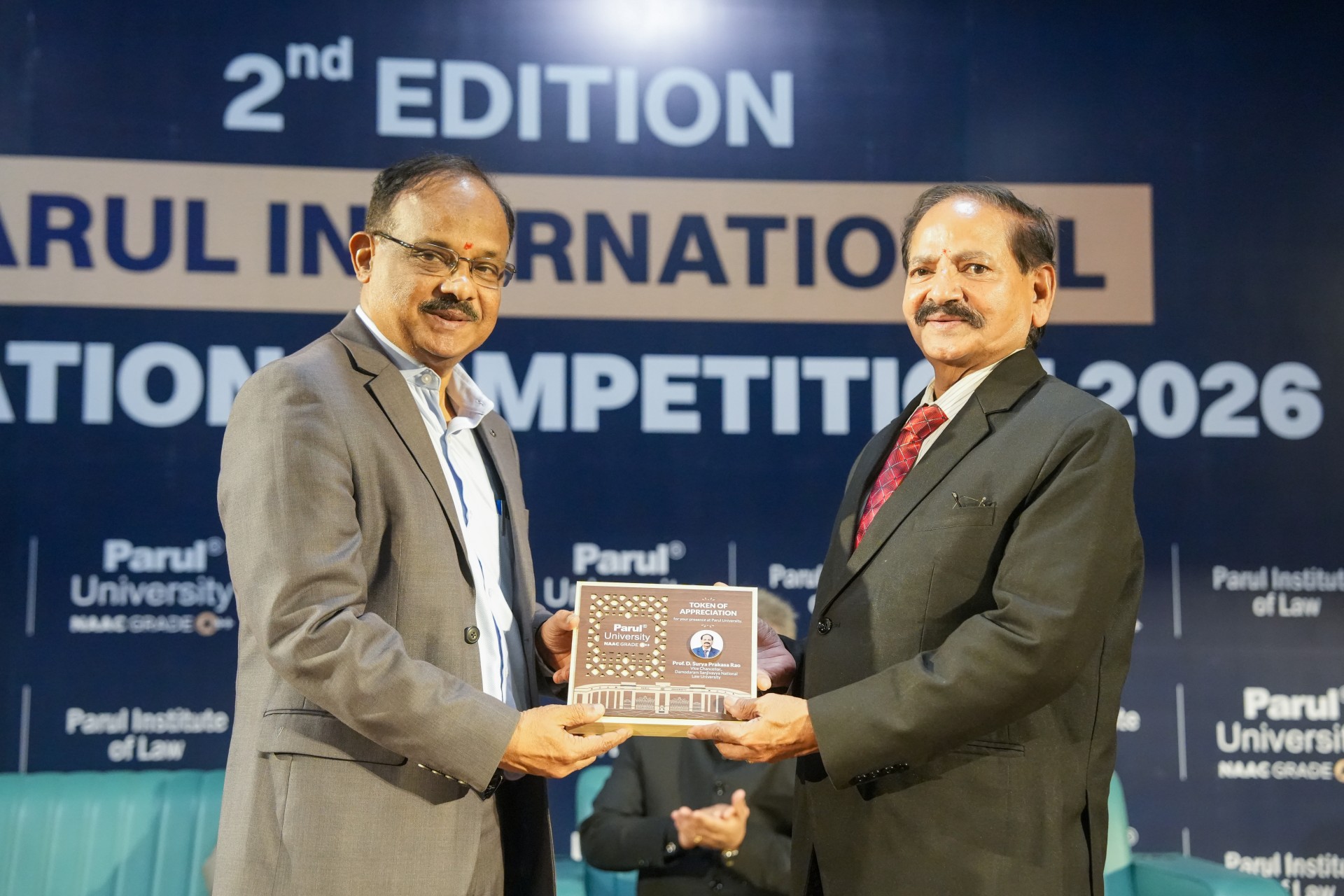
Prof. Surya Prakash Rao: Panchayati Sabha to Supreme Court Mediation Committee
Vice Chancellor of DSNLU Prof. D. Surya Prakash Rao drew an observation from India’s old traditions, like the ancient Panchayati Sabha, where disputes were solved through discussions.He noted that the Supreme Court Mediation Committee is actively working to institutionalise mediation training for advocates across India. But his address went beyond institutional process. It was a call to purpose.
His central message: a good lawyer is not someone who speaks eloquently or argues loudly. A good lawyer dedicates knowledge and hard work to justice for the underprivileged. His phrase: be the voice of the voiceless. Think of the rickshaw puller, the manual scavenger. He is the common man, not you, not me. You owe your voice to that man. He reminded students that many children in India cannot complete basic schooling. Law students receiving higher education carry a privilege that demands service, not just career success.
Visit the Faculty of Law at Parul University and find your niche in law.
FAQ: Valedictory Session PIMC 2026
Who is Justice Hemant Gupta?
Former Judge of the Supreme Court of India and Chairperson of the Indian International Arbitration Centre. Traced mediation's institutional growth in India since 2002 at PIMC 2026, Parul University. Shared a personal account of a family dispute resolved through mediation after 15 years.
What are the problems with mediation in India?
Justice Kathpalia (Delhi HC) at PIMC 2026: mediation is becoming statistics-oriented (quantity over quality), many settlements are non-enforceable, and serious criminal cases (dowry death, negligence death) are inappropriately mediated as monetary compensation. He advocates for domain experts as mediators in specialised disputes.


