The session was an hour of concentrated, well-sequenced science. Foundational concepts gave way to clinical application, with experimental data used not only to support claims but to teach how research in this area is actually designed and read.
On 11th April 2026, Dr Anupam Jyoti began the one-day workshop on microbial cells as green bio-foundries by discussing Microbial Bioactives for Immunomodulatory and Cytoprotective Health Benefits. He initiated his session by asking questions to the students and invited them to ask actively, even in the middle of the session. He spoke about the foundational definition, mechanistic explanations, experimental evidence from studies and his holistic research at the Inflammation Research Lab!
Please interrupt me at any time if you need any clarification. I am open to being interrupted. I am open to discussion anytime.
Dr. Anupam Jyoti, opening sentence of the workshop session
Speaker profile: research record and active funded projects at PIAS
Dr. Anupam Jyoti carries two roles, not one. Associate Professor on the one hand, Chief Research Officer on the other, both at the Faculty of Applied Sciences at Parul University. He did a PhD from CSIR-Central Drug Research Institute, Lucknow and published 83+ research articles, an h-index of 29, and an i10-index of 46, and has somewhere around 3051 citations. He has not stepped back from bench work either. The Inflammation Research Lab at the Parul Institute of Applied Sciences is his, Lab No. 311B to be exact, and two funded projects run there in parallel, one extramural, one intramural.
Where did that money come from? DST and ICMR. And the work it funds lives inside healthcare biotechnology, though he keeps the lens tight on three subjects: sepsis, COPD, free radical signalling. There is a reason to dwell on this. A workshop taught by someone still in the thick of the research lands differently than one taught from memory, and he was clearly in the thick of it.
Biotechnology Beyond Chemicals – Prime Insights from MNRDC’s Bio-Foundry Workshop!
Defining the territory: what are microbial bioactives?
He did not ease in. He went straight to the floor of the subject. What is a microbe, really, and what comes out of it? The organisms got a quick pass: bacteria and fungi, protozoa, algae, nematodes, named more to mark the spread of the field than to linger. Secretion was the real subject. Microbial bioactives, he explained, are mostly secondary metabolites, which is to say compounds the organism could survive without but which happen to be biologically potent, sometimes therapeutically so. Put the microbes in controlled conditions, generally a fermenter, and what they give off finds its way into pharmaceuticals and cosmetics, into bioremediation, into agriculture, into food supplementation. Few fields are left untouched.
Short-chain fatty acids: the body's internal regulators
The first metabolite he singled out was the short-chain fatty acid, and he gave it top billing without apology, the best-characterised class going where human health is concerned. The mechanism barely needs a diagram. So what do they actually do? Four things, give or take. The immune side, where they tune how innate and adaptive cells respond to an infection. The metabolic side, where they have a hand in glucose and lipid control. Cytoprotection, where they keep cells off the worst of oxidative damage, leaning on pathways the session circled back to later. And signalling, the least visible of the four, where they hold steady the processes that let a cell simply keep working. Modulator – that was the word he would not let go of. SCFAs are not out there forcing results; they are adjusting machinery that is already turning, and that is precisely why they fit diseases built on dysregulation rather than on a single broken part.
Cytoprotection: what damages cells and how microbial metabolites help
He turned the question inside out first. Before touching on how metabolites defend a cell, he asked what tears it down, and the damage was sorted into three buckets. Here they are – ionising radiation, stress, matter floating in air. Followed by the chemicals – xenobiotics, environmental contaminants, and some of them were shed by specific bacteria and removed by industry. Biological was the third and last – toxic metabolites pathogens, Salmonella or E.coli.
Three buckets. One thing underneath all of them. Reactive oxygen species. The common thread running through all three categories is reactive oxygen species (ROS).
ROS is a reactive oxygen species. It is basically a type of free radical, any molecule that contains an unpaired electron. Since the electron is unpaired, it is highly reactive. It can pair with other molecules, give its electron to a protein or amino acid, or oxidise it. It will give its electron to DNA, so DNA gets oxidised.
Dr. Anupam Jyoti, on reactive oxygen species in the cytoprotection segment of the session
From the molecular damage to its visible consequence: damaged DNA, oxidised proteins, and at the surface of it, the symptoms associated with skin ageing, including enlarged pores, wrinkles, hyperpigmentation, and related changes. Two transcription factors are central to this story. Nrf2, under normal conditions, migrates from the cytoplasm to the nucleus and activates protective genes. Under oxidative stress, this migration is blocked, which simultaneously removes a layer of cellular protection and triggers NF-κB to activate inflammation and apoptosis. The cellular response to oxidative stress is therefore a question of which pathway gets to the nucleus first.
Experimental evidence I: pyrogallol against carcinogen-induced DNA damage
What set this session apart from an ordinary lecture was how much time went into real experimental results pulled from published studies. Dr. Anupam Jyoti did not just hand over conclusions. He walked students through the design that produced them.
The first dataset centred on pyrogallol, a microbial metabolite put to the test for whether it could shield DNA from damage. Two cell lines carried the experiment, human lung epithelial cells known as BEAS-2B and human fetal hepatic cells known as WRL-68. The setup went like this. Cells were hit first with NNKOAc, a chemical carcinogen, and then treated with pyrogallol at two concentrations, 10 and 25 micromolar. To actually see the DNA damage, the team used a fluorescence dye called Hoechst, which lights up healthy nuclei blue and shifts its staining pattern once a cell’s DNA has begun to degrade. One detail he made a point of flagging was the pyrogallol-only controls, where cells got the compound but no carcinogen at all. Those controls came out looking essentially the same as untreated healthy cells, and that result answered a question he put to the room directly: why bother testing a compound on normal cells before claiming it helps? Because you have to rule out that the compound is toxic on its own.
The results themselves were clear enough. At 25 micromolar, pyrogallol cut the carcinogen-induced DNA fragmentation sharply, with nuclear integrity climbing back close to the healthy control. Caspase 3 and caspase 8, both markers of programmed cell death, were tracked side by side, and both dropped substantially at that higher concentration. What it all pointed to was straightforward: pyrogallol was guarding the DNA against the carcinogen and dialing down the apoptotic signaling that would otherwise have killed the cell.
Experimental evidence II: p-coumaric acid and the case for pre-treatment in cosmetic applications
The second dataset turned to p-coumaric acid and what it did to melanogenesis in skin cells after UVB exposure. There was a deliberate twist built into the design. One group got the compound as a post-treatment, applied after the UV hit, while another got it as a pre-treatment, applied before. The difference was telling. The post-treatment group barely moved the needle, showing only minimal reduction in melanin against the UV-only control. The pre-treatment group told another story altogether, especially at 10 micromolar, where the drop was significant. The microscope made the point without the need for argument, because the dark pigmentation sitting plainly in the UV-treated cells was visibly faded in the cells that had been pre-treated.
Hence, it is concluded that p-coumaric acid is a potential agent and can be used in the cosmetic industry as an anti-tanning agent.
Dr. Anupam Jyoti, on the p-coumaric acid pre-treatment dataset
The practical implication that prevention outperforms correction when it comes to UV-induced pigmentation was left for the data to make on its own. The point about experimental design was made implicitly: a researcher who only tests post-treatment risks misses a strong pre-treatment effect entirely.
Dysbiosis: the disease map underneath the microbiome
Dysbiosis comes down to a balance breaking. In a healthy gut, the beneficial and harmful microbes hold each other in check, and dysbiosis is what you call it when that check gives way. Once it does, SCFA production falls off, and the absence of those metabolites turns out to track closely with a long run of chronic conditions. The list Dr. Anupam Jyoti tied to it was not short. Inflammatory bowel disease sat on it, alongside type 2 diabetes, rheumatoid arthritis, pulmonary fibrosis, cardiovascular disease, non-alcoholic fatty liver disease, obesity, and cancer. On the fatty liver point he paused for a local aside that pulled the global numbers down to something the room could actually picture, noting that a meaningful share of the Indian population now lives with fatty liver disease, obesity riding close behind it as lifestyle habits keep shifting. The gut-brain axis surfaced in the same stretch of the talk. The microbiome, he explained, has a direct hand in neurological function, and gut-brain research has grown into one of the more heavily worked areas the field has going right now.
GPCR and HDAC: how SCFAs communicate with the immune system
On the adaptive immunity side, Dr. Anupam Jyoti explained that SCFAs communicate with T and B cells through two principal mechanisms: G-protein coupled receptors (GPCRs) and histone deacetylase (HDAC) inhibition. GPCRs are seven-pass transmembrane proteins that, when bound by SCFAs, trigger intracellular signaling cascades that influence cytokine production, regulatory T cell differentiation, and B cell activity. HDAC inhibition works through epigenetic modification. SCFAs alter gene expression by preventing the removal of acetyl groups from histones, effectively keeping certain immune-relevant genes in an active state.
When the microbiome is healthy and SCFAs are produced in adequate amounts, these receptor and epigenetic pathways keep the immune system calibrated. When dysbiosis removes the metabolite supply, calibration fails.
Bacteriocins: sublancin, nisin, and the use of microbial weapons in human health
Dr. Anupam Jyoti introduced bacteriocins as proteins or toxins produced by bacteria to kill competing bacterial strains. In the microbial ecosystem, they function as chemical weapons. A bacterium releases a bacteriocin to suppress a competitor that occupies the same niche. For human health, the relevance is that some of these bacteriocins also interact with the host immune system in therapeutically useful ways.
He presented data on sublancin, a bacteriocin, and its effect on phagocytic activity in macrophages. The study used the RAW 264.7 mouse macrophage cell line as an in vitro model and peripheral macrophages taken directly from a living organism as an ex vivo model. Both showed increased phagocytic activity upon sublancin treatment. He used this moment to clarify a distinction students often encounter in textbooks without practical context. In vitro experiments use transformed, modified, or mutated cells in laboratory culture. Ex vivo experiments use real cells extracted from a living organism. He also showed data on nisin and its role in inducing neutrophil extracellular trap (NET) formation, the mechanism by which neutrophils release their own chromatin to capture and kill pathogens extracellularly, with scanning electron microscope images of NETs forming in the presence of the bacteriocin.
The ultimate take-home message is that these bacteria, sublancin, are increasing the immunity or modulating the innate immunity by increasing the phagocytic activity as well as the neutrophil extracellular trap function.
Dr. Anupam Jyoti, on the sub-lancing experimental dataset
Exopolysaccharides: anti-inflammatory activity and the full mechanistic loop
The final major metabolite class covered was exopolysaccharides (EPS), high-molecular-weight sugar polymers secreted by bacteria, fungi, and algae. Dr. Anupam Jyoti described how a study isolated endophytic fungi from plant tissue, characterised the extracted EPS using FTIR spectroscopy, and tested its biological effects across macrophage cell lines, zebrafish models, and rodent systems. He noted that Parul University is in the process of establishing a zebrafish research model, with dedicated training sessions on zebrafish expected to follow. The zebrafish has become a prominent model organism in inflammation and disease research because it shares more than 95 per cent of its genome with humans.
The experimental data on EPS closed the loop on the cytoprotection narrative.
Pro-inflammatory cytokines, including TNF-α, IL-6, IL-1β, COX-2, and nitric oxide production, were all significantly reduced in the presence of EPS treatment compared to the model control. Antioxidative markers, including superoxide dismutase (SOD), were restored. NF-κB phosphorylation was suppressed. Crucially, NF-κB nuclear translocation, the same pathway introduced at the beginning of the session, was clearly reduced in the presence of EPS, with microscopic images showing the nuclear population of NF-κB p65 visibly decreasing with EPS treatment. A parallel liver toxicity assay showed hepatocyte viability substantially restored at the higher EPS concentration.
Cancer and microbial metabolites currently in clinical trials
Toward the end of the session, Dr. Anupam Jyoti covered the anti-tumour activity of microbial metabolites. Immune cells, when appropriately activated by SCFAs and other compounds, can infiltrate the tumour microenvironment and kill cancer cells through the same mechanisms they use against pathogens: interferon signalling, interleukin production, and direct cytotoxic activity. He noted that as of 2024 data, several microbial metabolites are in active clinical trials. The compounds he cited included LPS-derived bacteriocins, SCFAs, and urolithin A, each being evaluated against different disease types.
Ongoing research at the Inflammation Research Lab: sepsis and COPD
The closing segment of the session was a brief look at Dr. Anupam Jyoti’s own active research. His team at the Inflammation Research Lab is working on resveratrol in the context of sepsis. Data show resveratrol treatment significantly reduces ROS and nitric oxide levels in sepsis model conditions and attenuates NET formation in neutrophils. The microscopic panels he showed of neutrophils before and after treatment made the effect visible. A parallel project is applying a similar metabolite-based approach to COPD, and the lab has a 2026 publication confirming that work in both areas is actively producing output.
The conclusion is that microbial metabolites are potent secondary metabolites that play a critical role in oxidative stress in cellular protection. These are bacteriocins, SCFAs, and polysaccharides. They enhance cytokine production by reducing oxidative stress and maintaining cellular integrity. They are central to disease prevention, dysbiosis, and cardiovascular metabolic disorders.
Dr. Anupam Jyoti, closing summary of the session
How this session fits into Parul University's broader applied-sciences research
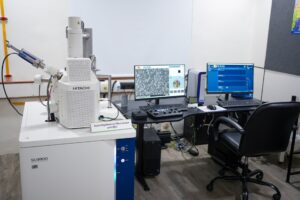
Dr. Anupam Jyoti’s session is one example of the depth of research-active teaching available to students at the Parul Institute of Applied Sciences and the broader Faculty of Applied Sciences. Parul University currently runs more than Rs 58.31 crore in government-funded research across 315 funded projects, with seven faculty members in the Stanford-Elsevier global top 2 per cent of scientists. The Inflammation Research Lab at PIAS is one of several research-active labs across the institution. The MNRDC’s instrumentation infrastructure supports the experimental work that translates research into the kind of dataset Dr. Anupam Jyoti walked the workshop through.
FAQs
Who is Dr. Anupam Jyoti and what is his role at Parul University?
Two posts, held together. At Parul University, he is an Associate Professor and also Chief Research Officer, both within the Faculty of Applied Sciences. Lucknow gave him his doctorate at the CSIR-Central Drug Research Institute. Weigh the record, and it is substantial, past 83 papers, an h-index sitting at 29, an i10-index of 46, citations now beyond 3,051. The lab has not slipped from his hands through all of that. Lab No. 311B is still his, home to the Inflammation Research Lab at the Parul Institute of Applied Sciences, two funded projects breathing at once inside it, one extramural and one intramural, both carried by DST and ICMR. Three subjects hold his attention and no more: sepsis, COPD, free radical signalling.
What are microbial bioactives and why do they matter in human health?
The core of it is plain. They are secondary metabolites, and the makers are bacteria, fungi, protozoa, algae, and nematodes alike. Survival does not hinge on them, which is the sense of secondary, though the biological punch is there all the same, therapeutic punch included. Grow the microbes properly, and the output lands almost anywhere you would think to name: pharmaceuticals and cosmetics, bioremediation, agriculture, food supplementation. The class that is best for human health is the short-chain fatty acids, namely acetate, propionate, and butyrate, each arriving as gut microbiota ferments the fibre in our food. What they touch inside the body is broad, immune function and metabolic balance, the guarding of cells against oxidative damage, and the routine work of cellular signaling.
What is the Inflammation Research Lab at PIAS researching?
The room is Lab No. 311B, the lead is Dr. Anupam Jyoti, the load is two funded projects in tandem, one extramural and one intramural. One pursues resveratrol as a treatment under sepsis model conditions, and the readouts speak plainly, reactive oxygen species and nitric oxide dropping hard, NET formation in neutrophils visibly eased. The other keeps pace beside it, pointing a metabolite-based approach at chronic obstructive pulmonary disease. A 2026 publication stands behind the claim that both are generating results rather than sitting still. The funding, as it does throughout his work, runs back to DST and ICMR.
What is dysbiosis and which diseases is it linked to?
Begin with a gut in order, the helpful and harmful microbes locked in even tension. Dysbiosis is that tension failing. The moment it fails, the microbiota eases off its SCFAs and the other metabolites that do good, and at worst turns to making toxic ones, which sparks inflammation in the intestine and sets a course toward chronic illness. The conditions he named in his MNRDC session stacked up fast: inflammatory bowel disease, type 2 diabetes, rheumatoid arthritis, pulmonary fibrosis, cardiovascular disease, non-alcoholic fatty liver disease, obesity, cancer. Restoring order is hardly a footnote, and the paths under study, fibre, fermented foods, and engineered probiotics, sit squarely inside active research and clinical investigation.
What experimental evidence did Dr. Anupam Jyoti show in the workshop session?
Two published datasets carried the load, several more behind them. The first followed pyrogallol, a microbial metabolite, guarding BEAS-2B and WRL-68 cells from NNKOAc-induced DNA damage at 25 micromolar, the apoptosis markers caspase 3 and caspase 8 both pressed down along the way. The second turned to p-coumaric acid, which curbed UVB-induced melanogenesis as a pre-treatment yet did nothing as a post-treatment, an oddity that lines it up neatly as an anti-tanning agent for cosmetics. The remainder sat around those two, sub-lancing, lifting phagocytic activity in macrophages, nisin kicking off neutrophil extracellular trap formation, exopolysaccharides pulling down NF-κB activation and the pro-inflammatory cytokines riding with it.
Which microbial metabolites are currently in clinical trials?
Drawing on 2024 trial data in his MNRDC session, he singled out several microbial metabolites already deep into active clinical trials, scattered across a range of diseases. Three got names: LPS-derived bacteriocins, short-chain fatty acids, and urolithin A, each aimed at its own target, the spread reaching from oncology to age-related cellular decline. Sitting in live trials is the practical far end of the road the workshop walked from its opening slide, the line that opened by defining microbial bioactives, ran through the building of experiments to validate them, and closed on whether they stand up in the clinic.