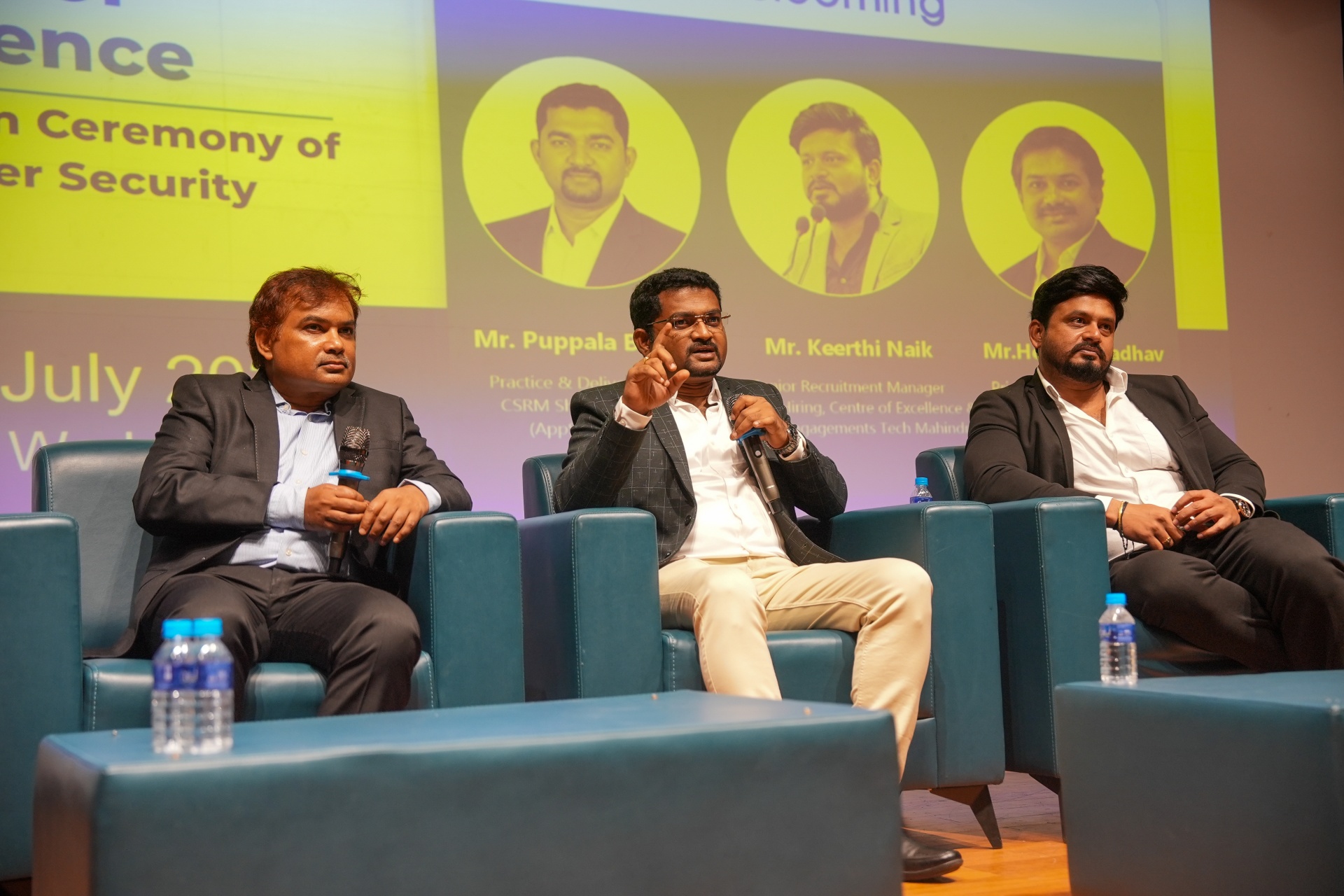
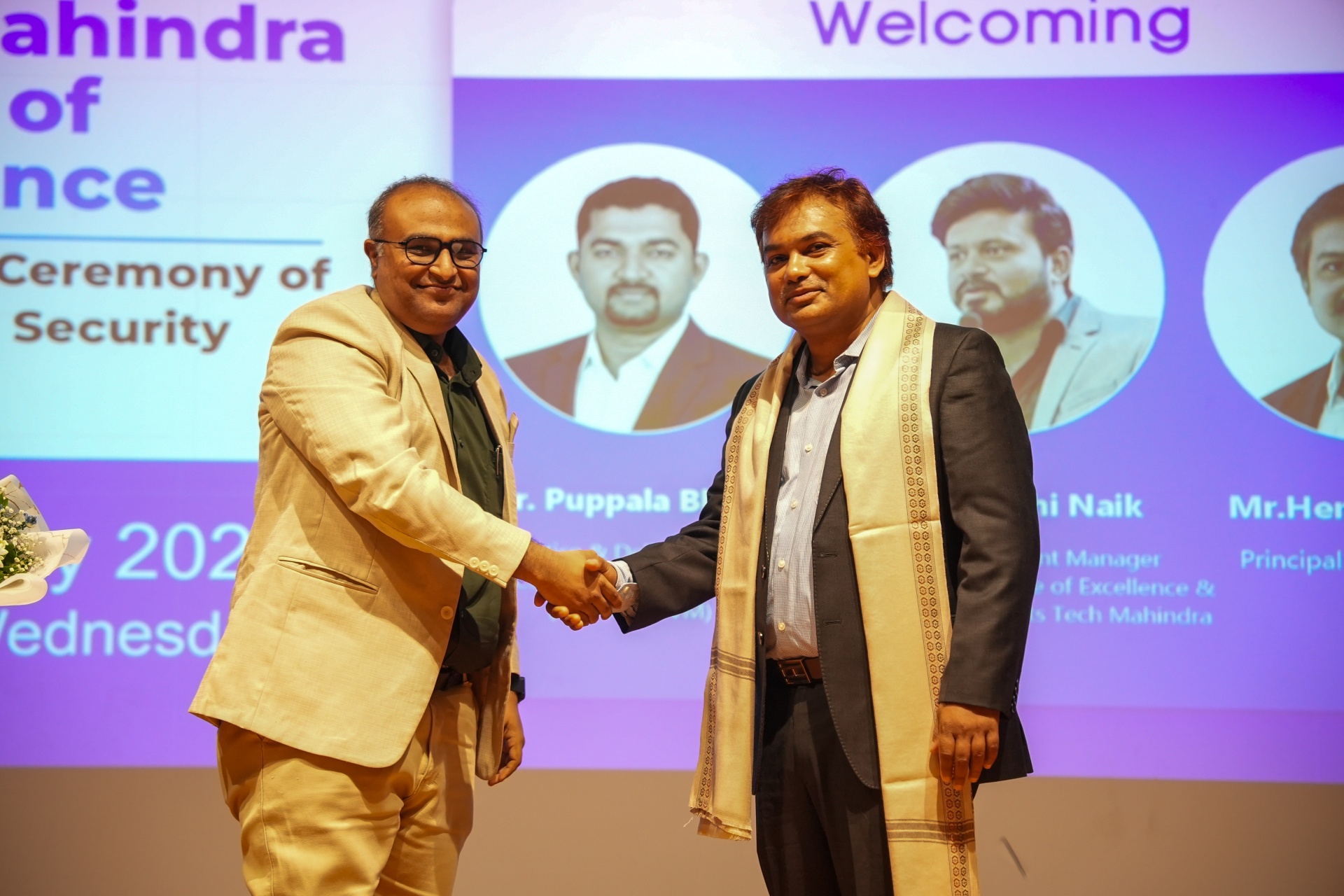
Most freshers preparing for IT jobs collect certificates, on the assumption that more badges mean a better chance. A Tech Mahindra hiring team visiting Parul University said, plainly, that this is the wrong strategy. The advice that followed is worth more than any single certification, because it comes from the people who actually make the hiring decisions.
The company’s senior recruiter was direct about what a large IT services firm needs. Recruiting thousands of graduates a year, it does not have time to verify each candidate’s niche skills, and it is not looking for a subject-matter expert straight out of college.
“I am looking for candidates who can be trained according to my needs.” – Keerthi Sagar Naik, Tech Mahindra recruitment lead
The practical implication is freeing. A fresher does not need to master everything before applying. Once hired, the company pays a full salary and trains the recruit for six months in whatever technology a project needs, SAP one month, Java the next. What it screens for at the door is the ability to learn quickly, not a finished skill set. Learnability, in the recruiter’s framing, beats a wall of advanced certificates, and a candidate who understands that stops chasing badges and starts building depth.
What Recruiters Actually Screen For
Strip away the certificate anxiety and the real checklist is short.
- Learnability: The capacity to pick up a new technology fast, because projects and tools change constantly.
- Communication: The ability to explain and collaborate, valued as highly as technical knowledge.
- Problem solving: Basic, sound reasoning applied to real problems.
- One strong domain: Genuine depth in a single area, with working knowledge of the ones next to it.
That last point was the delivery head’s specific advice: master one domain, then keep learning complementary skills across adjacent technologies. Depth plus adaptability makes a candidate useful on day one and valuable over a career, which is exactly what a service company that reassigns people across projects needs. A candidate who is deep in one thing and curious about the rest is far more useful than one who is shallow across many.
Master one domain. Learn the ones beside it. Depth plus adaptability is the whole game.
The Mindset That Gets You Hired
Skills open the door. Attitude decides whether you keep the job. The recruiter was blunt about a habit that sinks freshers: agreeing to relocate during the interview, then inventing reasons to refuse once hired.
“Your responsibility is to provide me with a solution, not the problem.” – Keerthi Sagar Naik, Tech Mahindra recruitment lead
The point behind the bluntness is that growth happens outside a comfort zone, and an engineer who treats a posting to an unfamiliar city as a problem to escape has misunderstood the job. Ownership, the willingness to go where the work is and return a solution rather than an excuse, is a trait recruiters read quickly and weigh heavily.
The recruiter tested it live, asking who would be willing to work in Chennai. Few hands went up; most students preferred a posting near home. His response was a lesson: an engineer does not expect the employer to build an office next to the hostel. A candidate who agrees to relocate in an interview and then resists after joining has traded credibility for comfort, and recruiters have seen the pattern often enough to price it in.
A Worked Example: Breaking into Cyber Security
For students targeting a specific field, the session offered a concrete roadmap. The cyber security delivery head, an IIM Calcutta graduate who leads security services, framed the discipline as a way of thinking before a set of tools.
“Cyber security is a practice of life, not something related to IT alone.” – Puppala Bhaskar, Tech Mahindra security services head
- Start with application security: Described as the foundation, because everything ultimately runs on software.
- Learn the Zero Trust model: Be sceptical of every connection by default rather than trusting anything automatically.
- Pick a lane: Strong coders into security programming, strong communicators into audit and governance, the tireless into a Security Operations Centre.
- For governance roles: Prioritise ISO 27001 and information-security management certifications, and sharpen communication, because the work is global and people-facing.
The same practical instinct applied to job hunting. One tip: collect job descriptions from several companies, feed them into an AI model to find the skills they share, then master the top three. The delivery head called it reconnaissance, researching the target before acting. It is a small tactic with a large lesson, that a fresher should let the market define the skills worth building, rather than guessing, and that using AI tools to do that research is itself the kind of resourcefulness employers reward.
A Worked Example: A SAP Career Path
SAP drew a parallel roadmap for students on that track. The solutions architect explained that SAP splits into two sides, functional and technical, and that companies run standard processes until they need custom solutions, which is where the technical skills earn their keep.
- Learn the core stack: The HANA database for data, Fiori as the design and user-interface layer, and the Business Technology Platform to build and integrate custom applications.
- Track the AI shift: SAP’s Joule assistant is bringing AI agents into the platform, and the architect pointed students to the Business Technology Platform as the place to integrate it.
- Build defensible projects: The advice to one student building a catalogue app and a finance module was to base them on HANA and Fiori, so the work maps to what employers actually use.
The lesson mirrors the cyber security one. Depth in a real, current stack beats a broad list of credentials, because it produces work a candidate can defend and a company can use.
Also Read: Tech Mahindra’s Center of Excellence at Parul University: What It Brings For Students
Beyond a Job: Research and the Long Game
Not every question in the room was about landing a job. Some students asked whether a large services company does research that solves real societal problems, or only client work. The answer was that firms of this scale run serious research and development, and that some run dedicated programmes to pull research-minded freshers into small groups with direct access to senior leadership.
The takeaway for a fresher is that ambition is an asset, not a distraction. A student who wants to build something significant, whether inside a company’s research track or through a venture of their own, is exactly the kind of learner these firms want, provided the ambition sits on top of a real, current skill. That is the same business-ready mindset Parul University builds toward, examined further alongside the university’s industry partnerships in a companion article on the Tech Mahindra Centre of Excellence.
The Entrepreneur Exception, Which Proves the Rule
The most striking moment came from a student already running a cyber security startup, who had not filled in the college placement form because he considered himself a learner rather than a finished professional. The recruiter called him the most employable person in the room, precisely for that humility and initiative. The lesson is consistent: whether a graduate joins a company or builds one, the trait that decides the outcome is the will to keep learning.
Also Read: How PIERC Helps to Achieve Entrepreneurial Dreams.
Frequently Asked Questions
What do IT companies look for in freshers?
According to a Tech Mahindra hiring team, large IT companies look for learnability, communication, problem solving, and depth in one domain, more than a stack of certificates. They train new hires for months after joining, so the priority at hiring is the ability to learn quickly rather than a finished skill set.
Are certifications necessary to get an IT job as a fresher?
Not in large numbers. The Tech Mahindra recruiter said advanced certificates matter less than learnability, because the company trains new hires in whatever technology a project needs. One strong domain plus genuine adaptability is more valuable than many certificates.
How should a fresher start a career in cyber security?
If someone is a beginner or fresher, then you should begin with application security as the foundation, learn the Zero Trust model, and choose a lane suited to your strengths: programming, audit and governance, or a Security Operations Centre. For governance roles, prioritise ISO 27001 and information-security management certifications alongside strong communication.
Does relocation matter for IT placements?
Yes. The recruiter emphasised that willingness to relocate and take ownership is weighed heavily, and that agreeing to relocate in an interview and then refusing after joining is a common, damaging mistake. An ownership mindset, going where the work is, is a trait recruiters screen for.