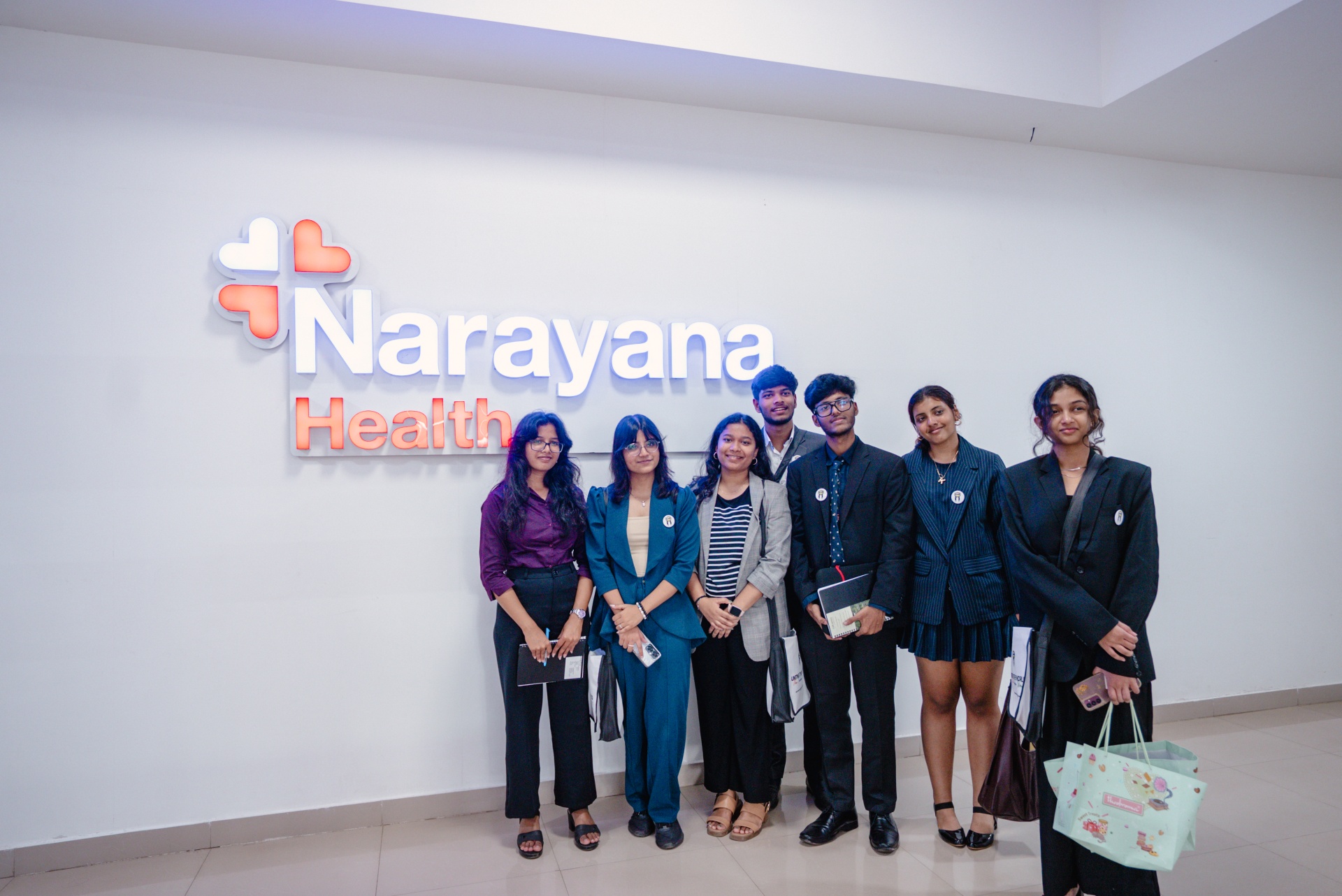
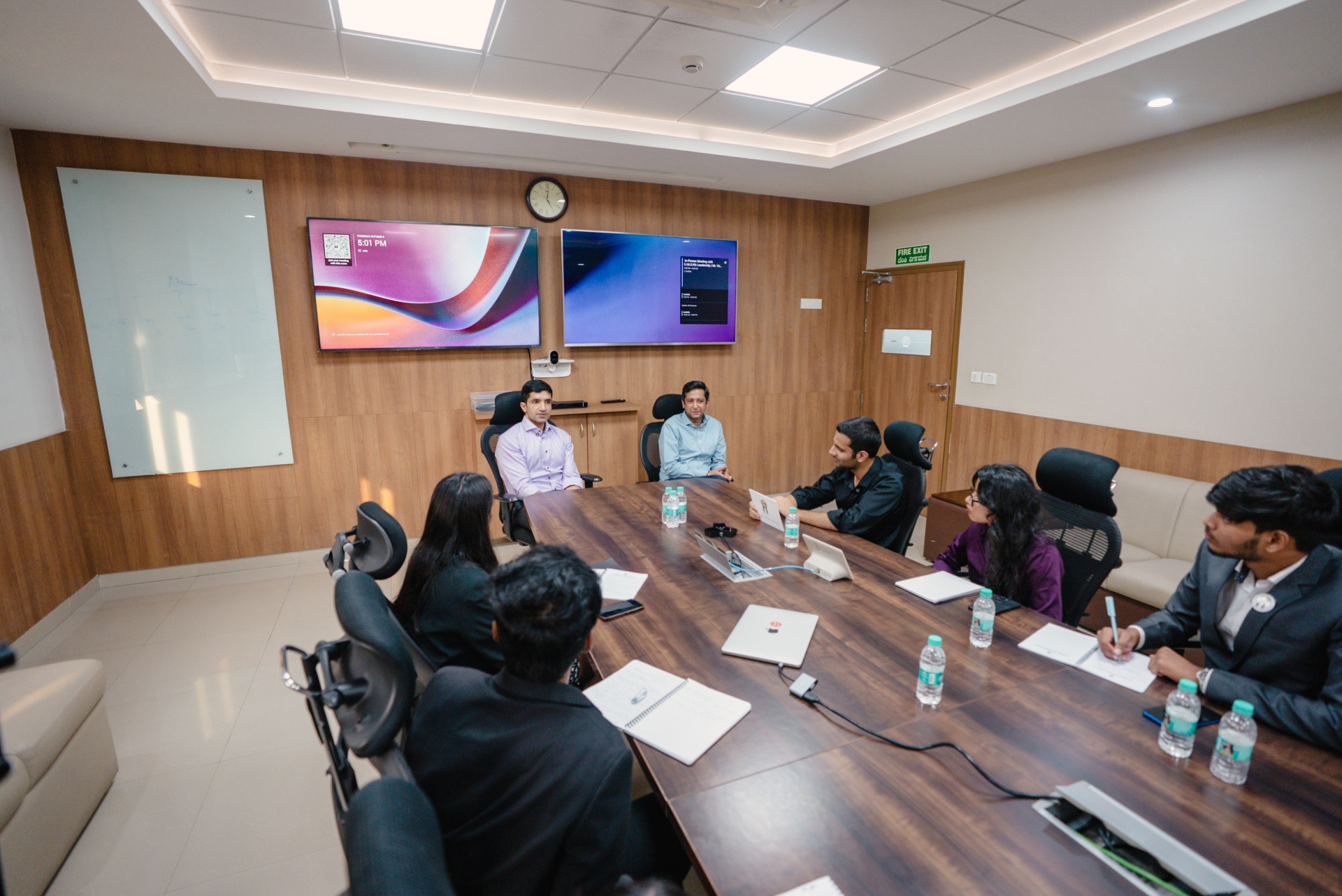
The Foundational Principles of Narayana Health
Mr. Viren Shetty began the session by framing the core vision of Narayana Health:
- Healthcare is not just about hospitals; it is about access, equality, and innovation
- Affordability: making quality healthcare accessible to all sections of society
- Accessibility: expanding reach across regions
- Patient-centric approach: focusing on patient outcomes and experience
Eudaimonia: The Satisfaction of Meaningful Work
One of the most referenced concepts from the session was the Greek philosophical idea of Eudaimonia, which Mr. Shetty introduced to explain why people stay in demanding healthcare roles despite the pressure:
- Eudaimonia is the satisfaction of doing something meaningful
- It means living a purposeful and fulfilling life
- People do not stay in jobs for money alone
- They stay where they feel impact, purpose, and fulfilment
The inverse is also true: high salaries without meaning produce burnout, attrition, and quiet dissatisfaction that no retention bonus can fix.
Marketing and Digital Strategy from Mr. Ashish Bajaj
Mr. Ashish Bajaj, the Group Chief Marketing Officer, described how the marketing function shifted in parallel:
- Traditional marketing moved toward trust-building
- Transparent pricing was published on the website
- Educational content through YouTube and Facebook replaced brand-first advertising
- He quoted – “Outlier success requires outlier behaviour.”
The Money versus Power Framework
Mr. Shetty presented a two-path framework for students navigating career choices:
- Money path: high salary, immediate rewards, better lifestyle
- Power path: delayed rewards, higher responsibility, long-term influence
- Both paths are legitimate
- The error is trying to pursue both simultaneously and ending up with neither
Success Factors of Narayana Health According to Leadership
- Continuous evolution: from single specialty to multi-specialty, from physical care to digital healthcare
- Adaptability: responding to changing needs
- Survivorship: overcoming financial and operational challenges
These stories have inspired students of Parul University. Here are their experiences –
Mr. Atul Ujagar: 28 Years Inside Nike
Mr. Atul Ujagar, the former Managing Director of Nike Sourcing India, met the Parul University students in a separate session. His career arc is exceptional: 28 years at Nike, the youngest Indian country director at the company, and work across over 50 countries.
Core Background
- Born and raised in Delhi
- Parents were Sanskrit professors
- Grew up in a cultural and academic environment
- Missed Delhi College of Engineering by one mark and chose a local college for comfort in his early career decision
- Shifted career path to fashion and management through the National Institute of Fashion Technology (NIFT), His first international job was in Thailand and Indonesia
- Joined Nike and worked across manufacturing, supply chain, and operations globally
Why He Stayed 28 Years at One Company
Mr. Ujagar gave students a clear explanation of why he remained at Nike for nearly three decades, and explicitly warned against staying in toxic environments:
- Company culture aligned with his personal values
- Leadership opportunities continued to arrive
- Financial growth and global exposure were available
- Key advice: if a job is toxic, leave early
The Palm Tree Principle
One of the most quoted frameworks from the session was a simple metaphor:
- You cannot become something completely unnatural to who you are
- A palm tree cannot become a coconut tree
- But a palm tree can become the best palm tree
- Avoid unrealistic comparisons with others who have fundamentally different strengths
Leadership Philosophy: Trust as Foundation
Mr. Ujagar’s definition of leadership was direct:
“Leadership is the ability to build trust so people take action willingly.”
The core elements he listed:
- Trust
- Integrity
- Consistency
- Rule: if trust breaks, leadership fails
Team Management Strategy
His step-by-step approach to managing teams:
- Step 1, encourage success: focus on what employees do right, ignore small mistakes initially
- Step 2, skill development: identify weaknesses and provide training
- Step 3, balanced feedback: appreciate strengths while addressing weaknesses honestly
- Step 4, exit decision: if the mismatch continues, let go
- Core principle: do not rush to punishment; invest in people first
“Keep your word. Don’t break promises. Your word is your brand. Once you lose that, nothing else matters.”
Here are the heartfelt experiences of Parul University’s students.
How These Sessions Connect to Parul University Programmes
The two sessions are directly relevant to several Parul University programmes:
- PIMSR – Parul Institute of Medical Sciences and Research – MBBS, MD, MS programmes with Parul Sevashram Hospital as the teaching hospital
- Parul Institute of Nursing: B.Sc. Nursing, M.Sc. Nursing, and Post Basic B.Sc. Nursing
- Parul Institute of Physiotherapy: BPT and MPT programmes
- Parul Institute of Pharmacy: B.Pharm, M.Pharm, Pharm.D programmes
- Parul Institute of Public Health: MPH programme for students interested in healthcare systems, policy, and scalable health delivery
- Faculty of Management Studies: BBA and MBA programmes with specialisations in human resources, marketing, and leadership relevant to Mr. Ujagar’s trajectory.
FAQ
Who is Mr. Viren Shetty?
Mr. Viren Shetty is the Executive Vice Chairperson of Narayana Health, one of India's leading healthcare organisations, founded by Dr. Devi Prasad Shetty.
Who is Mr. Atul Ujagar?
Mr. Atul Ujagar is the former Managing Director of Nike Sourcing India. He spent 28 years at Nike and became the youngest Indian country director at the company. Before Nike, he was a graduate engineer trainee who shifted career path to fashion and management through the National Institute of Fashion Technology (NIFT).