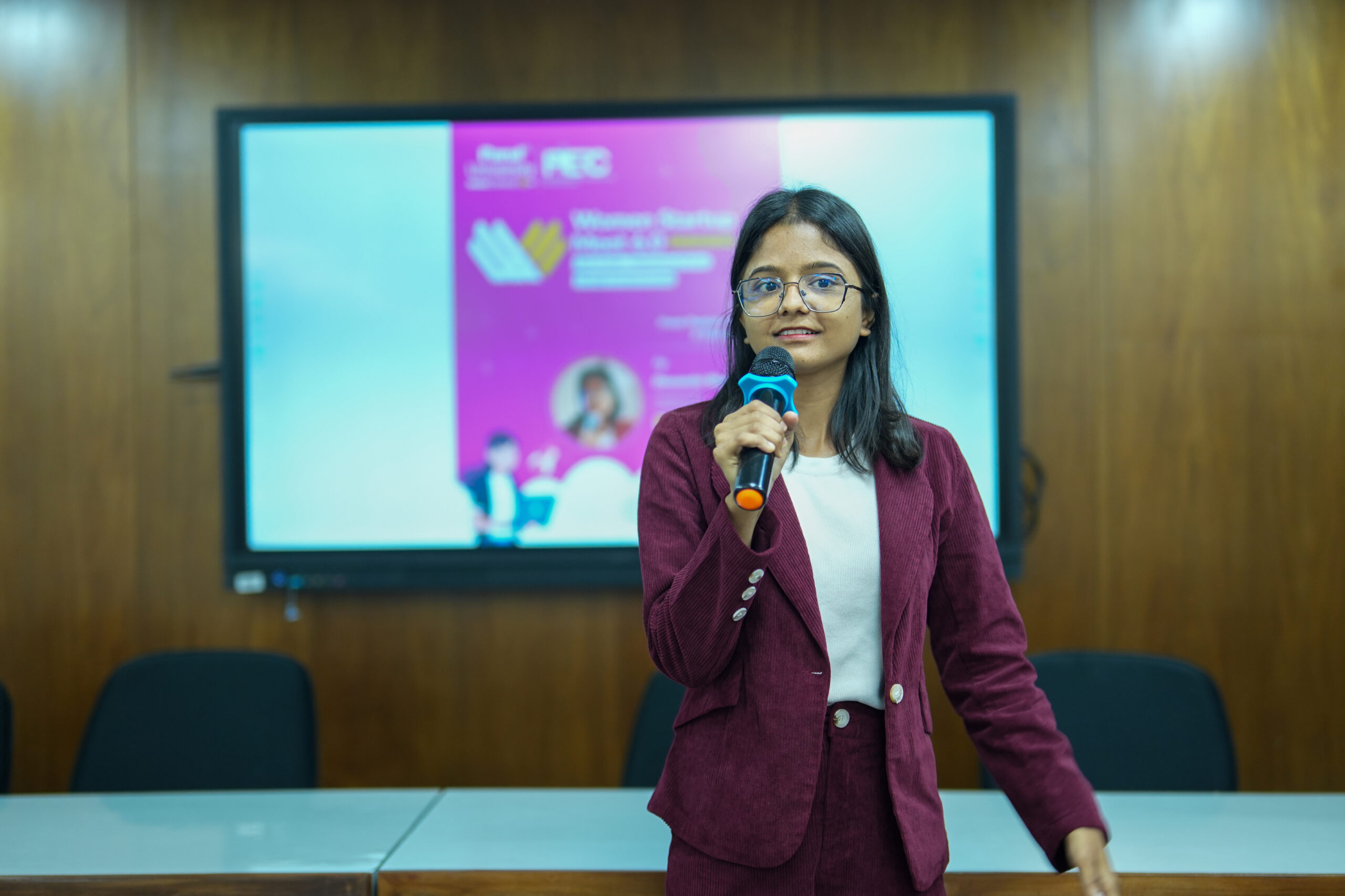
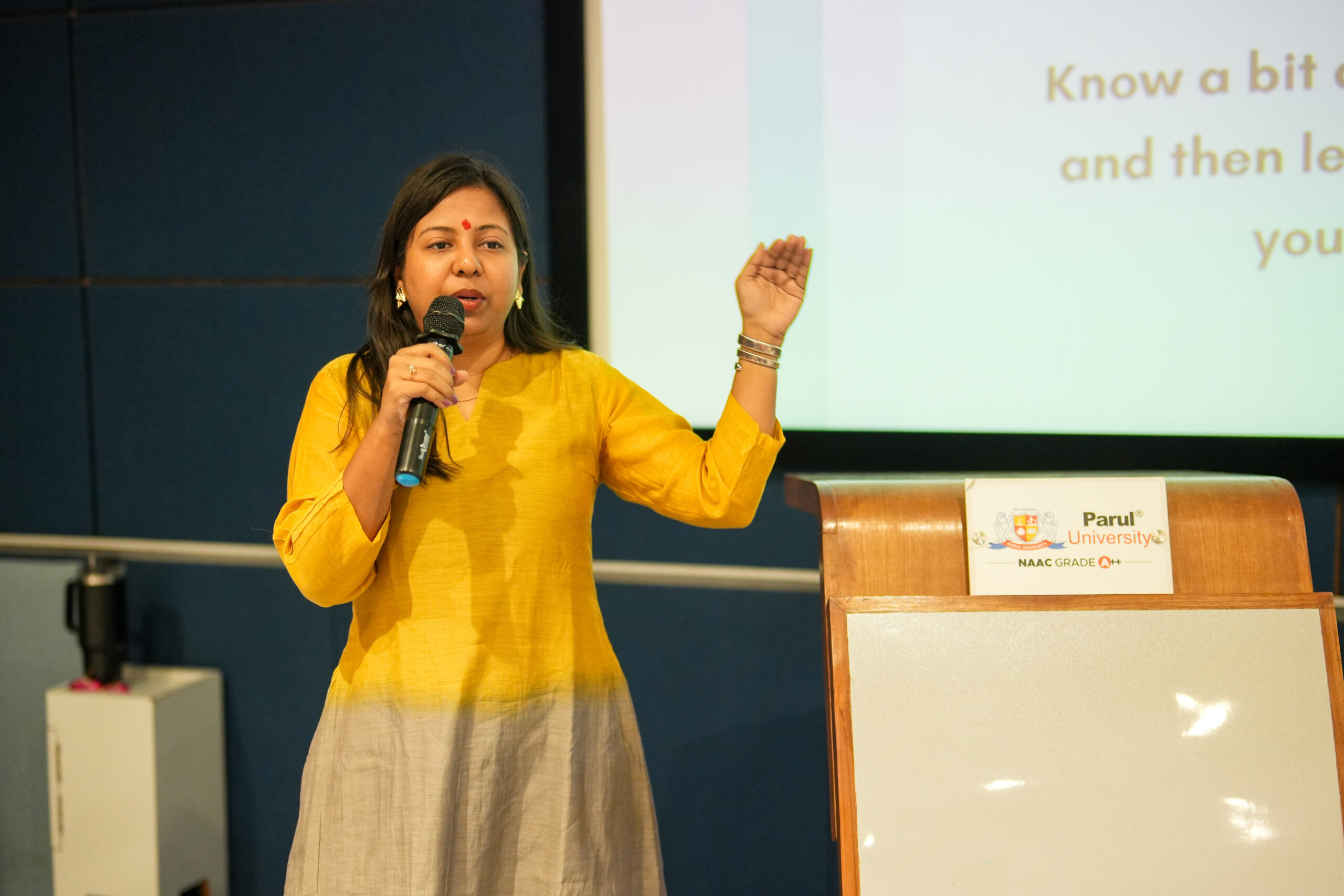
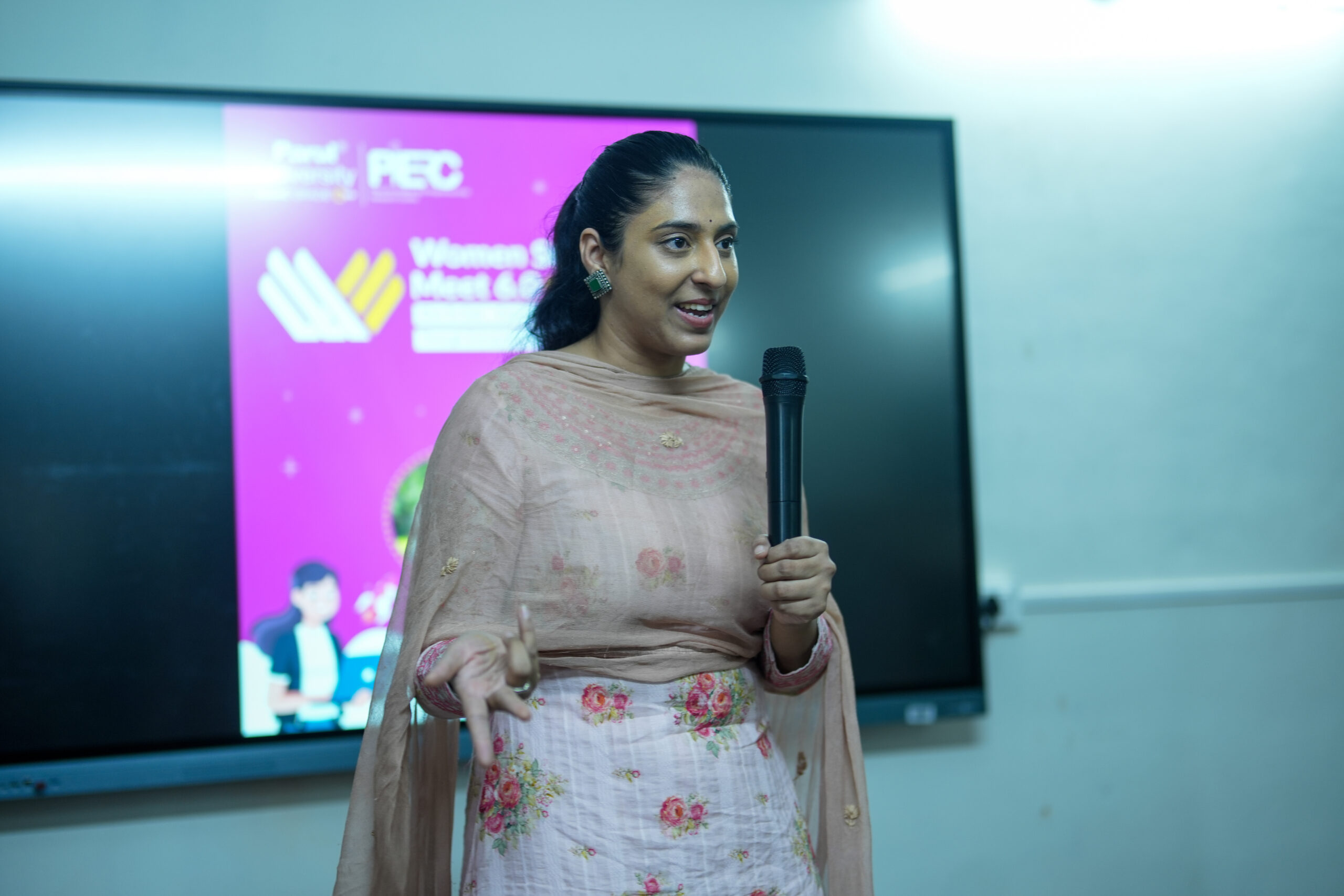

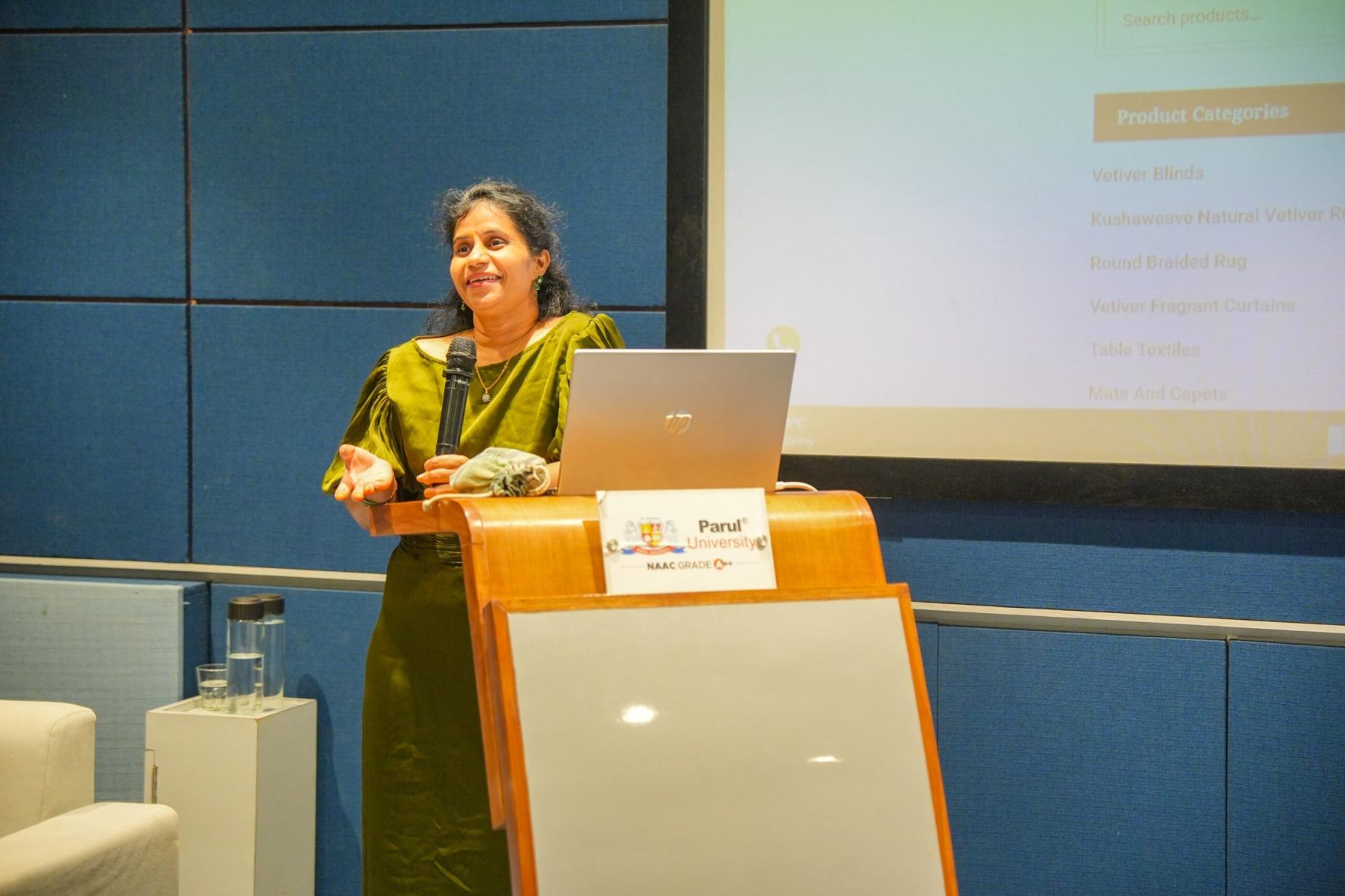
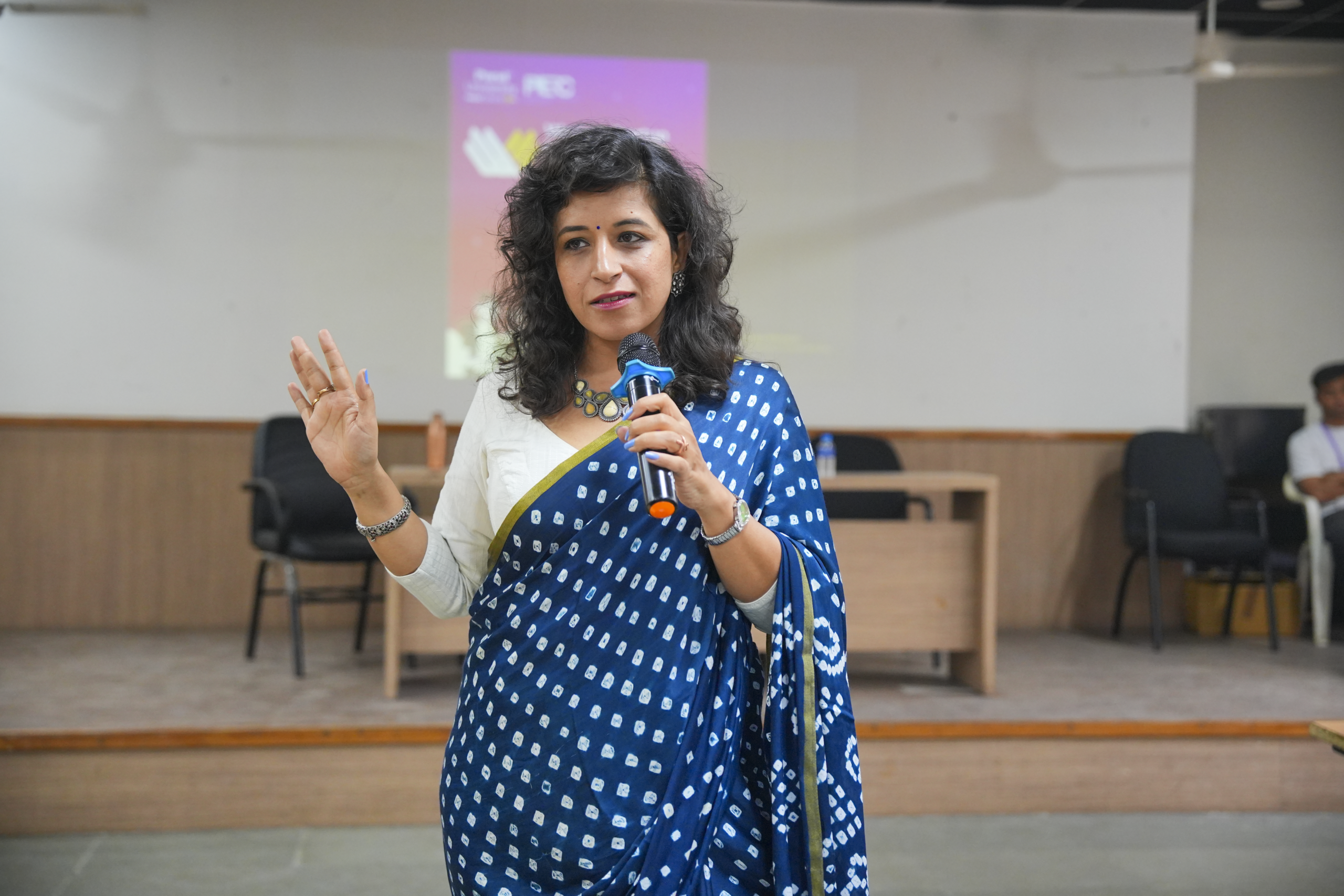
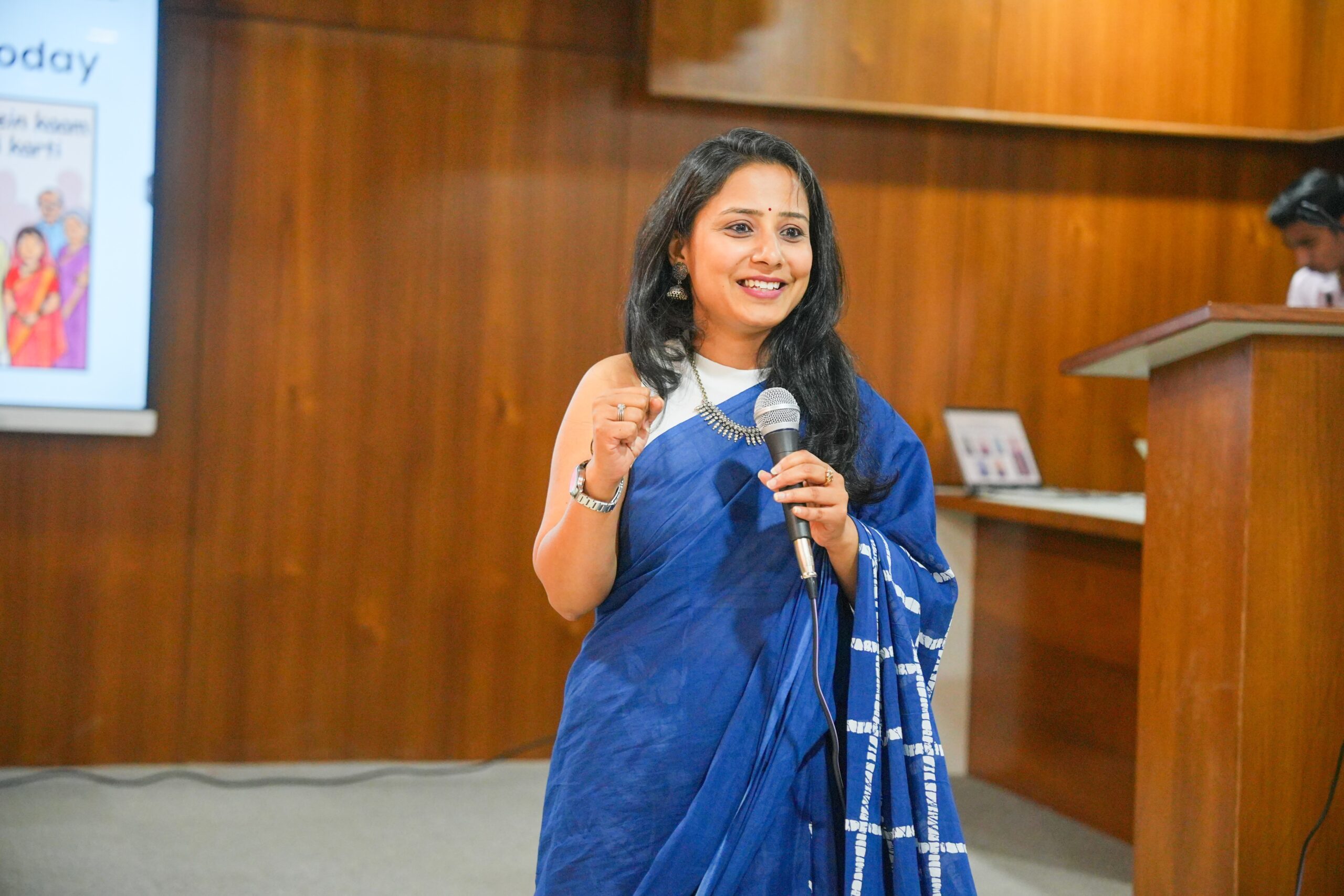
7 women founders at Women Startup Meet 6.0
Every speaker at WSM 6.0 started with the same advice: look at problems in daily life. Dr. Foram Vaghela noticed farmers wasting months on male plants. Priyanshi Rathod saw students suffering in silence because mental health carries a stigma. Himani Kankaria saw brands that nobody knew existed. Dr. Mukta Sharma saw autistic children eating harmful toothpaste. Namrata Soni felt hot air on a bus and asked whether it could be converted to cool air. None of these ideas came from a business school case study. They came from paying attention to what is broken, inefficient, or painful in everyday life.
The simplest test for an idea: does this problem bother only you, or do many people face it? If many people face it, can it be solved? If it can be solved, how can the solution be delivered in a way that is better, cheaper, or more accessible than anything that exists? That three-question sequence, repeated by multiple speakers, is the foundation of every viable startup idea.
Priyanshi validated her idea by distributing a Secret Diary with over a thousand responses. Dr. Foram researched DNA-based methods and found them too expensive for farmers. Itisha Agrawal spent two years in social media marketing before recognising what was missing in the children’s products market. Validation does not require a formal market research budget. It requires talking to real people and listening carefully. Don’t just dream of success, build it with an Integrated BBA & MBA at Parul University.
Step 2: Go to PIERC. The Infrastructure Already Exists.
PIERC, the Parul Innovation and Entrepreneurship Research Centre, is on the ground floor of the BBA building. It is the official incubation centre of Parul University, backed by SSIP and aligned with India’s Startup India initiative. The process is structured. Submit ideas through the PIERC portal (unlimited submissions).
Phase 1 is a verbal pitch: no slides needed, just the idea and confidence.
Phase 2, if selected, requires a formal presentation. Pre-incubation involves 15 days of market research, mentor matching, budget creation, and meeting real customers.
Anjali Khichar walked into PIERC during her first 10 days at Parul University. She was assigned a mentor, who believed in her idea. She received an SSIP 2.2 grant. Priyanshi Rathod entered through the Smart India Hackathon organised by PIERC and received ₹1.2 lakh for platform development. Both emphasised the same insight: PIERC invests in founders, not just ideas. Ideas change. Strong founders succeed regardless.
Grants available through PIERC and connected programmes include SSIP (Student Startup and Innovation Policy), iHub Gujarat (Dr. Foram Vaghela received ₹10 lakh), DPIIT recognition for Startup India benefits, Startup India Seed Fund Scheme (approximately ₹592 crore approved since 2021), and the Credit Guarantee Scheme for Startups. If you’re a student founder, come explore the incubation program of PIERC that helps students navigate applications for all of these.
Step 3: Build With a Team. Solo Founders Get Lonely.
Multiple speakers reinforced the same point: do not build alone. Dr. Mukta Sharma said starting with 2-3 people or at least one friend provides the moral support that prevents burnout. Priyanshi Rathod has two co-founders). Himani Kankaria built Missive Digital with her husband as co-founder and business partner. Namrata Soni said that the entrepreneurial cycle of problem, solution, ignorance, and belief is much harder to survive without someone pushing you forward.
Anjali Khichar’s experience provides the cautionary counterpoint. Her co-founder betrayed her the night before the final pitch, presenting the idea alone. The mentors’ lesson was direct: never place responsibility for an entire project on one person. If they leave, the company is destroyed. Distribute knowledge, responsibilities, and ownership from the start. But Anjali also proved that solo persistence can work when a team fails. She created a new presentation overnight, presented alone, and won the SSIP grant.
The practical advice for Parul University students: find co-founders within your batch, across departments, or through PIERC networking events. The multidisciplinary nature of a university campus is the best co-founder matching pool available. Step into the world of leadership and innovation by pursuing your BBA at Parul University Program!
Step 4: Your First Client Is Your First Brand Ambassador.
Dr. Riddhi Nanda said she treated her first client like gold because the first client is the first ambassador. Good work brings the next client. Dr. Mukta Sharma started selling her teeth whitening powder on the streets near Kamati Garden, standing beside a bakery. People taunted her. She ignored them. Namrata Soni developed seven prototypes before the vetiver cooling system worked reliably. Anjali Khichar lost ₹22 lakh overnight in her transport venture and still did not quit.
The consistent message across all seven speakers: the product does not need to be perfect at launch. It needs to be good enough to test with real customers. Feedback from real buyers is worth more than months of internal perfection. Priyanshi Rathod launched Eternia at MVP stage and is now running paid pilots. Dr. Mukta Sharma said simple packaging is fine if product quality is strong. Itisha Agrawal recommended building a minimum viable product and iterating based on trial phase feedback.
For Parul University students, the implication is clear: do not wait until graduation. Do not wait until the product is flawless. Do not wait until someone gives permission. Submit the idea to PIERC, build the first version, find the first customer, and let the market teach what no classroom can. The hustle is hard, but Integrated BBA-MBA at Parul University can make your journey easy for you. Delay no more and save your seat right away!
7 Lessons From 7 Founders: The Principles That Every Speaker Repeated
- Himani Kankaria: Startups do not just make money. They make you. The transformation matters more than the transaction.
- Dr. Foram Vaghela: Science should not stay in laboratories. It should solve real problems faced by real people.
- Anjali Khichar: Never give up. Not when your co-founder betrays you, not when you lose ₹22 lakh, not when your family doubts you.
- Priyanshi Rathod: Students are silent because they are scared, not because they are fine. Build solutions for problems people are afraid to talk about.
- Dr. Riddhi Nanda: Your first client is your first ambassador. Treat them like gold.
- Namrata Soni: The universe gives you everything, but first it tests you. Patience and persistence are the two most important qualities.
- Dr. Mukta Sharma: Do not love your product. Let your customer love it. The customer’s experience matters more than the founder’s attachment.
If you aspire to build your own startup, now is the time to act. Enroll in the MBA in Entrepreneurship & Startup Acceleration at Parul University, where you will gain hands-on experience in ideation, innovation, funding strategies, and startup growth within a thriving entrepreneurial ecosystem.
FAQs : How to Start a Startup at Parul University
Where is PIERC at Parul University?
PIERC is located at the ground floor of the BBA building. Students can visit directly and speak with Dev, Anup, or Sonali. Submit ideas through the PIERC portal.
Can first-year students start startups at Parul University?
Yes. Anjali Khichar received an SSIP 2.2 grant in her first year and now runs three ventures. Priyanshi Rathod built Eternia in her second semester and is running paid pilots with 3 universities and 2 schools. PIERC invests in founders, not seniority.
What grants are available for student startups at Parul University?
SSIP grants through PIERC, iHub Gujarat (up to ₹10 lakh), DPIIT recognition for Startup India benefits, Startup India Seed Fund Scheme (~₹592 crore approved since 2021), and the Credit Guarantee Scheme for Startups.


