Her Excellency Iveta Radicova did not enter politics through a political party. She entered it through expertise. When the Velvet Revolution came in 1989, the non-violent transition from communist one-party rule to parliamentary democracy, she was among those actively working to change the system.
She told the students at Parul University: I was looking forward to changing the situation. That is why my first step was to be really active in the so-called Velvet Revolution in former Czechoslovakia. Head here to read how Parul University Hosts H.E. Iveta Radičová, Former Prime Minister of Slovakia, on World Health Day!
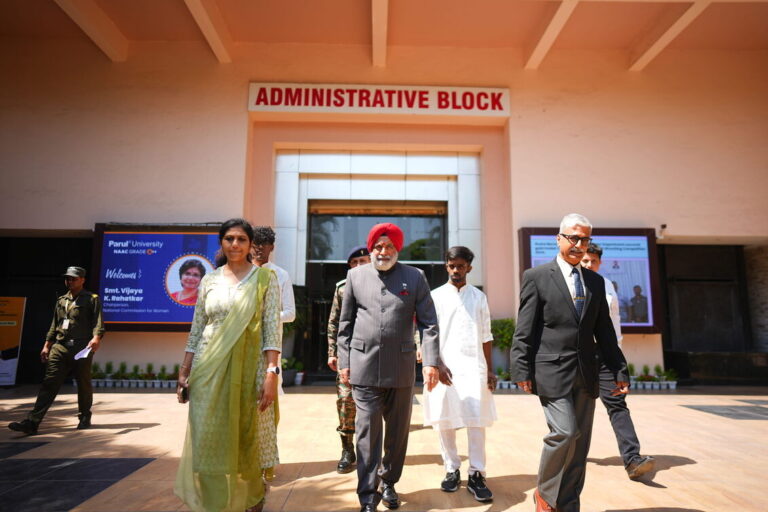
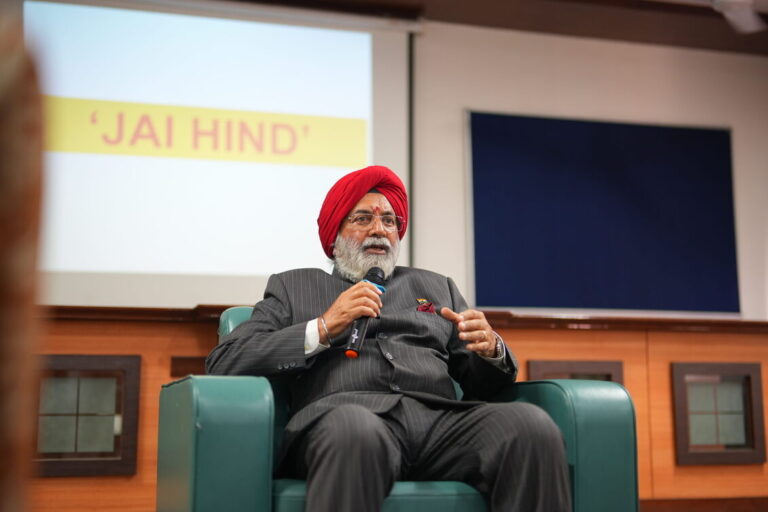
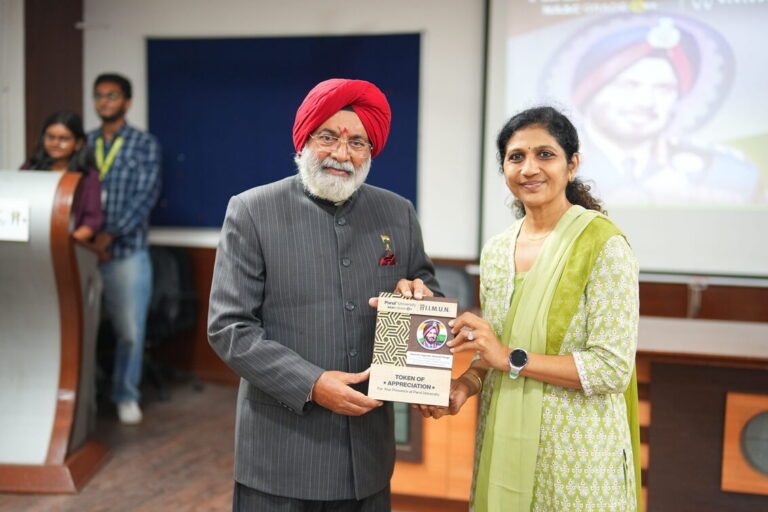
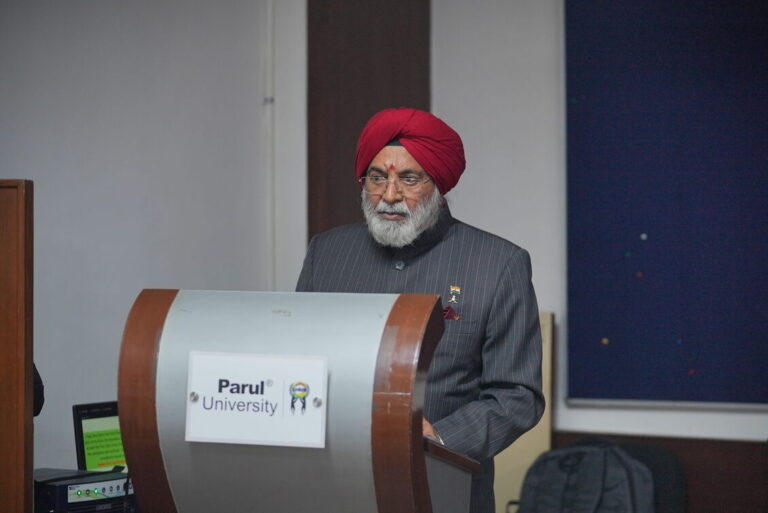
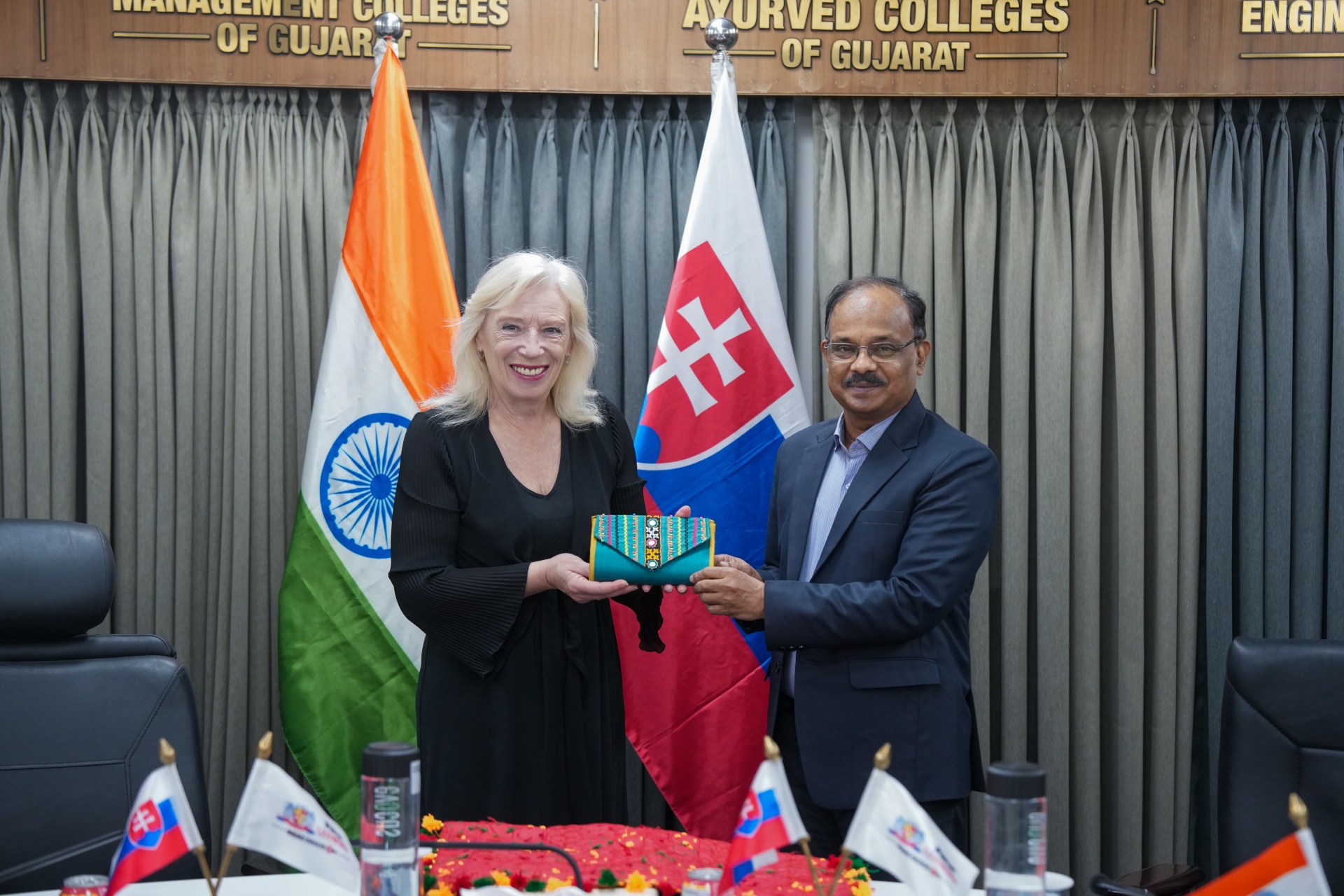
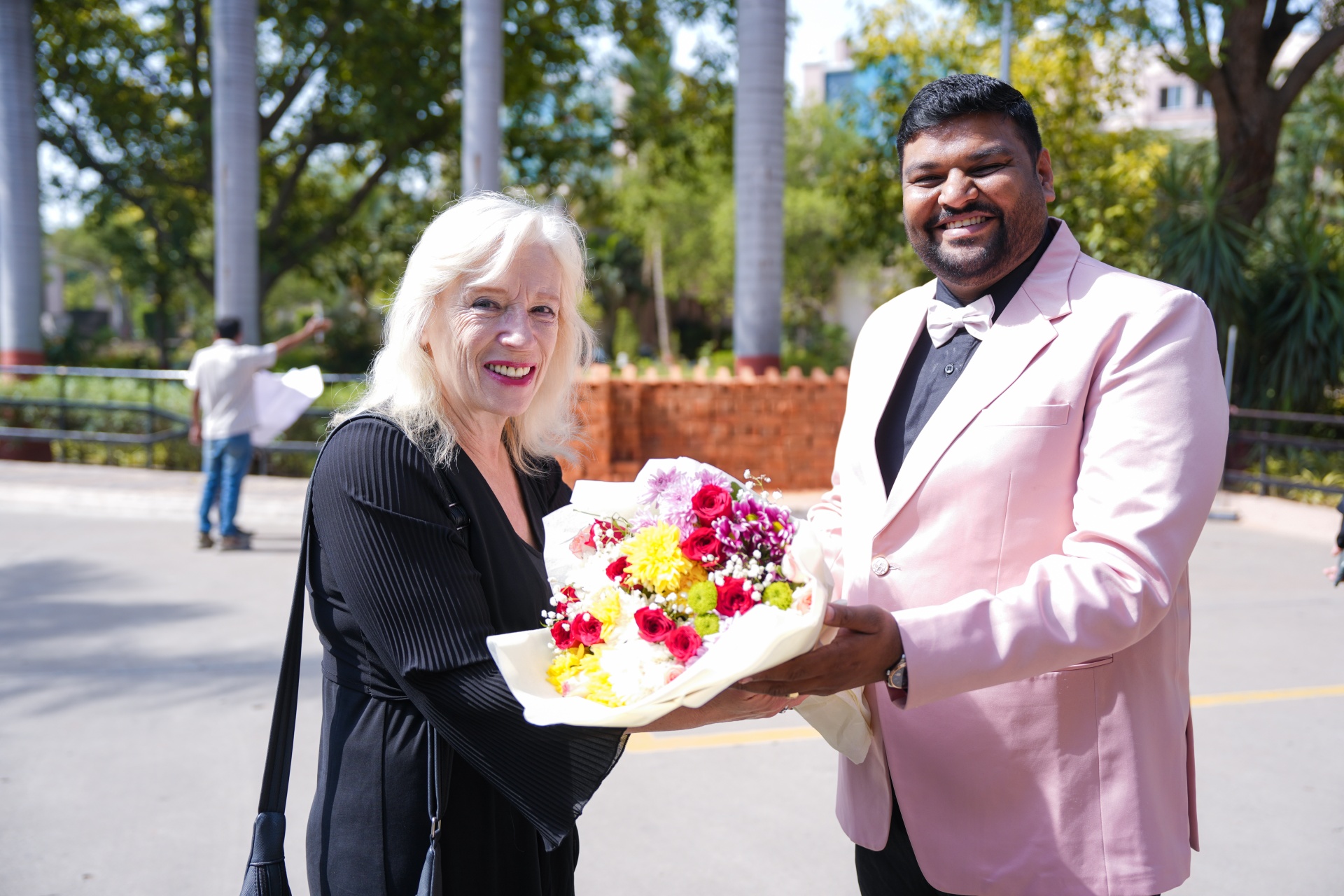
On 7 April 2026, World Health Day, she sat in the Central Auditorium of Parul University as part of the IIMUN Global Perspective Series. The moderator was Krishna Patel. The session ran from 10:30 AM to 11:45 AM. Dr Devanshu Patel, President of Parul University, presented her with a handmade gift at the close. Head here to read Prof Deepak Nayyar at IIMUN – India’s manufacturing crisis and Oxford classrooms, at Parul University.
The 2008 Financial Crisis: 32 Countries Studied, Debt Halved in One Year
The most technically detailed section covered Radicova’s response to the 2008 European financial crisis. Beyond this, she has studied more than 32 countries. She applied these principles to Slovakia:
- Cut bad public expenditure while protecting investment in growth areas
- Told citizens the truth about how severe the situation was, hiding nothing
- Focused on restarting economic growth rather than pure austerity
- Cut the national debt in half within one year.
Head here to read Deepak Nayyar on India’s 1991 crisis: two weeks of forex, 18 months of reform
Healthcare as a Public Good: 80% Comes From Lifestyle, Not Medicine
The session fell on World Health Day. Radicova used the occasion to reframe how students think about health systems: Health is public good. Like education, we have a duty to prepare the system which is open to everybody.
Her key arguments:
- Healthcare must be available to every person regardless of circumstance
- New technology and AI improve healthcare but are making it significantly more expensive
- A sustainable system needs three funding sources: government money, private investment, and insurance
- 80% of health outcomes come from lifestyle, not from medicine
Parul University operates 7 NABH-accredited hospitals (1 allopathy and super-speciality, 2 Ayurved, 4 Homoeopathic), a 750-bed Parul Sevashram Hospital, and the Pragya Advanced Skills and Simulation Centre for emergency medicine training.
Healthcare programmes placed 2,600+ students with recruiters including HCG, Shalby, BAPS, and Deepak Foundation. The university’s integration of clinical training with preventive health education aligns directly with Radicova’s argument that health systems need professionals who understand both treatment and the lifestyle foundations that prevent disease.
The European Union, Ukraine, and What Freedom Costs
Radicova placed her small country in a global context. The European Union, she explained, is a group of 27 countries that came together after World War Two with the primary aim of preventing another large-scale war in Europe. That mission is now being tested by the war in Ukraine, happening directly on Slovakia’s border.
This section carried particular weight at a university hosting 6,000+ international students from 75+ countries with 120+ global university partnerships. The discussion about what holds multinational unions together, how small countries navigate conflicts between larger powers, and why democratic norms require active defence provided direct context for students studying international relations, law, and political science at Parul University. Head here to know the ever-evolving life of 6,000+ international students at Parul University
Five Student Questions That Showed What the Audience Understood
Nihera Sultan (Communication Studies): Biggest Threat to Democracy
Nihera knew Radicova was a member of the Club de Madrid, the network of former democratic heads of state. Radicova explained the Club’s mission: connecting leaders and helping countries build governance frameworks. She warned that leaders who choose conflict over diplomacy keep the risk of war alive.
Chandan Prateek (Sociology and Law): How Health Programmes Fix Poverty
Radicova’s answer was layered: you cannot fix poverty with a doctor. First, people need housing with clean water. Then they need skills. Then the government must create a job market that includes them. Without these foundations, a health programme in isolation will fail.
Isha Kothari : Teacher or Politician?
She spoke about the danger of news consumed on mobile phones and said she teaches her students to find the truth. She hopes one of her students will become a Prime Minister.
Business Student: How Leaders Negotiate Peace During Conflicts
Radicova described daily diplomatic work: talking to ambassadors, explaining facts to politicians, preventing escalation. She referenced tensions with Iran and said the last thing Europe needs is another conflict. Diplomacy is not a single dramatic negotiation. It is a continuous daily effort.
Final Student: First Step During the European Financial Crisis
A small country cannot fight a global crisis alone. She worked with the European Union to secure support, then applied the evidence-based approach that produced results. She told students that no country can survive in isolation and hopes India will help create fair rules for world trade where everyone benefits. Head here to read how Placement Day 2026 looked like. Beyond this, PIERC of Parul University has incubated more than 254+ startups to boost student founders globally.
Parul University Programme Mapping
The themes Radicova covered connect directly to programmes at Parul University:
- Sociology and Political Science: BA/MA Liberal Arts programmes studying democratic institutions, social systems, and governance frameworks
- Healthcare and Public Health: MBBS, BPT, B.Sc Nursing, MPH, B.Sc Allied Health Sciences across 7 NABH hospitals and Pragya simulation centre
- Economics and Finance: BBA, MBA Finance, Commerce programmes. Financial crisis discussion connects to fiscal policy and macroeconomics coursework.
- Communication Studies: Nihera Sultan’s informed question demonstrated the journalism programme’s emphasis on research-backed questioning