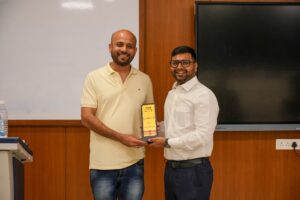
Bhavya Patel structured the framework around major pillars that every startup must work through before launching anything. TAM (Total Addressable Market) is the entire revenue opportunity if every possible customer used your product – the biggest number. SAM (Serviceable Addressable Market) is the portion you can realistically reach given your geography, pricing, and business model. SOM (Serviceable Obtainable Market) is what you can realistically capture in Year 1 – the number that matters most in the early stage.
Primary vs Secondary Research: Zomato and Mamaearth Case Studies
Primary research means collecting original data directly from sources – surveys (quantitative), interviews (qualitative depth), focus groups (how groups perceive concepts), and observation (the gap between what people say and what they actually do). Bhavya Patel used Zomato as an example: when Zomato was new, they made on-site visits to restaurant owners and hungry customers, conducting open-ended discussions about the pain points of searching for food and ordering delivery.
Secondary research uses existing data – published industry reports, competitor analyses from public materials, government statistics and census data, and academic research. Mamaearth was the example: before entering the personal care market, they relied on published data about the shift toward natural and toxin-free products, competitor analysis through public-facing materials, and statistical reports on market growth.
Common Research Mistakes to Avoid
The moment you make these mistakes, your startup is out of game. So let this sink in.
- Confirmation bias
- Too small a sample size
- Wrong target audience
- Ignoring competition
The Startup Detective Challenge
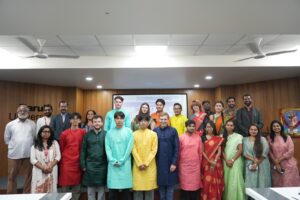
The session closed with a hands-on exercise: each team had to build a customer persona, calculate TAM-SAM-SOM with real numbers, do a market analysis, map the competitive landscape (direct competitors, indirect competitors, emerging threats), and write key insights. The challenge was not about perfect answers – it was about building the habit of investigating before assuming. At PIERC, aspiring entrepreneurs get the platform, guidance, and ecosystem needed to transform ideas into scalable businesses.
FAQ
What are the 4 Golden Questions for customer discovery?
What is the biggest problem you are facing? How do you currently solve it? What do you like or dislike about your current solution? How much does this problem affect your time, money, or stress?
How many customer interviews should a startup do?
At minimum 20-30 real face-to-face conversations. Meaningful patterns only emerge after this many interviews. Speaking to 5 people and assuming validation is one of the most common mistakes student founders make.