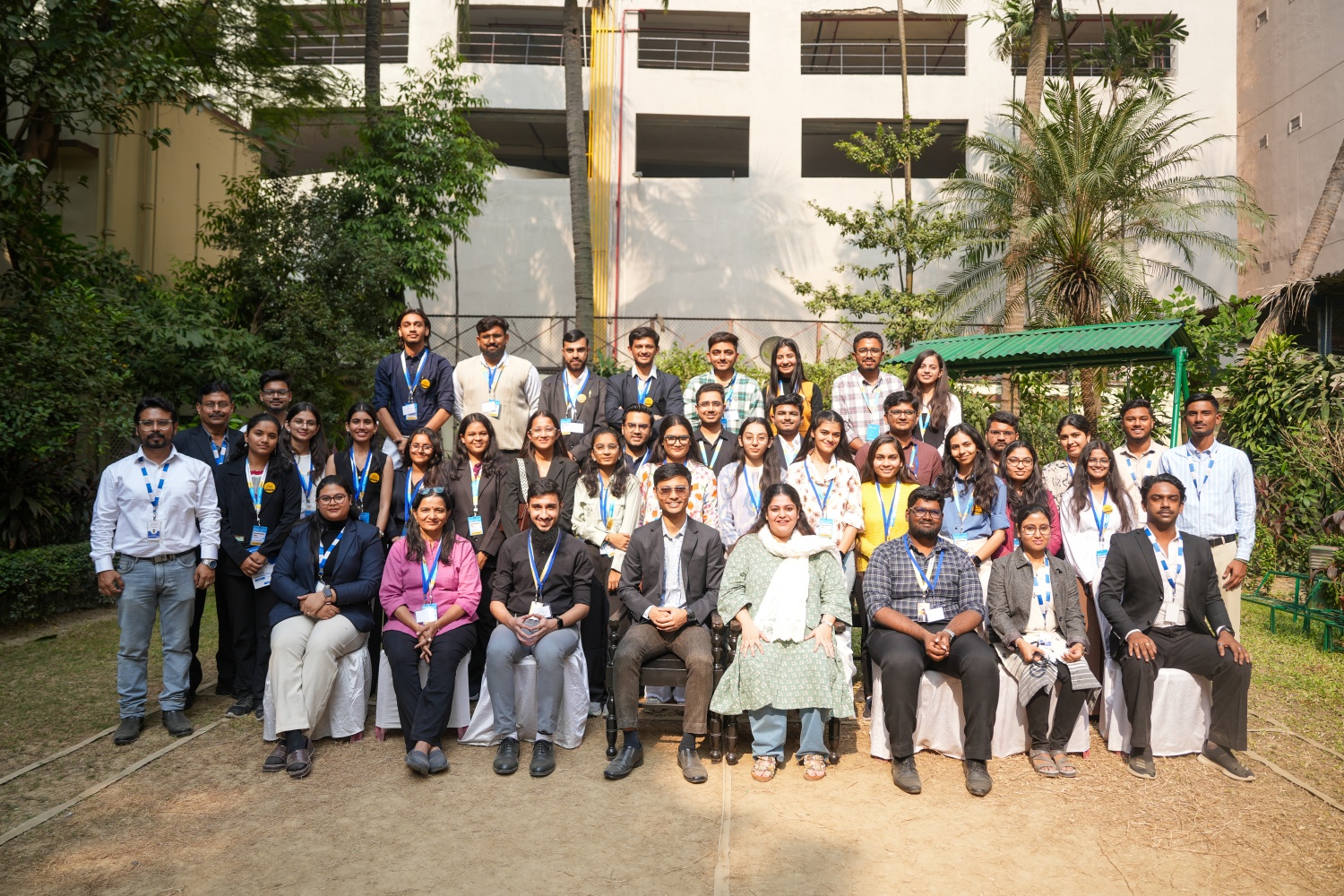
There are institutions where research is an aspiration written on a wall, and institutions where it is happening in the next room. The Dr. Anjali Chatterjee, the Regional Research Institute for Homoeopathy in Kolkata, under CCRH (Central Council for Research in Homoeopathy, Ministry of AYUSH), is the second kind.
Dr. Arti Soren (Officer-in-Charge) and Dr. Chittaranjan Kundu (Research Officer, Scientist) led the visit. The research portfolio is active and diverse:
- Epidemiological surveys and drug proving programmes (testing on healthy individuals to develop materia medica)
- Clinical verification studies (testing proved symptoms against clinical experience)
- Clinical trials on hypothyroidism, diabetes, diarrhoea, COVID-19, and hypertension (ongoing/pipeline)
- Virology laboratory established 2017: studying how homoeopathic medicines act against viruses using human cells, cell lines, and mice
- Gene regulation analysis (up/down regulation) and molecular mechanisms of drug action
- Small animal culture facility with albino Wistar rats for preclinical research
Named scientists at the institute: Dr. Suraiya Parveen (Scientist III, Clinical Research), Dr. Partho Pratim Pal (Scientist II, Clinical Research and OPD), Dr. B. Biswas (Chemistry and Drug Standardisation), Dr. G.V. Narasimha Kumar (Pharmacology), Dr. Abhip Shah Sarkar (Biology/Microbiology).
The emphasis on standardised research protocols and ethical compliance was consistent. Results that cannot be reproduced or were obtained under questionable conditions do not contribute to the field. They only add noise. Publication in peer-reviewed journals is an institutional commitment, not an occasional activity.
“Research is the key to unlock the best evidences of homoeopathy in the modern era.”
For students, the message was direct: the path to legitimacy for the field runs through exactly this kind of rigorous, well-documented, transparently reported research. Several students described a specific interest in pursuing quality research as a direct result of this visit.
BHMS Kolkata Tour – Clinical Practice & Classic Philiosphy
BHMS Kolkata Tour – 10 Institutions, NIH Kolkata, CCRH Labs & Banerji Protocols
NIH Kolkata: What Thousands of Patients a Day Teaches About Systems
The National Institute of Homoeopathy in Kolkata handles thousands of patients in a single day. That is not a vague claim. It is the operational reality of an institution that has built systems to manage clinical complexity at scale.
The department-wise cubicle system keeps patient flow organised, minimises waiting, and ensures each patient is seen in the right clinical context. Specialty OPDs operate within this structure with referral mechanisms that are integral, not afterthought. Director Dr. Pralay Sharma and PG Coordinator Dr. Swapan Paul explained how uniform case-taking protocols serve a dual purpose: they improve patient care and they generate research-quality data. Consistent documentation means follow-up is traceable, treatment planning is reproducible, and clinical outcomes can be analysed meaningfully.
For students who may run solo practices one day, the emphasis on documentation discipline is a habit worth forming early. The IPD operates alongside the OPD as part of an integrated clinical training environment where academic learning and clinical exposure reinforce each other, you too can avail all these experiences by pursuing BHMS – Bachelor of Homoeopathic Medicine & Surgery from Parul University!
“Your patient is the top-most priority, rest come afterwards.”
HAPCO: Where Students Watched Medicine Being Made From Plant to Globule!
Homoeopathic pharmacy sounds straightforward until you look at it closely. The visit to HAPCO (Hahnemann Publishing Company Pvt Ltd) was an exercise in looking closely.
Mr. Durga Sankar Bhar and Mr. Kaushik Bhar led the session with the specificity of people who have spent serious time thinking about why each step matters, not just what it involves.
Medicinal plants are collected at very precise stages: flowers at full bloom, ideally early morning, when active constituents are at peak. Ripeness and geography meaningfully influence the final medicine. Animal and mineral substances, along with nosodes, present ethical challenges that HAPCO addresses by simply not manufacturing from sources that are not naturally or ethically obtainable.
The manufacturing sequence students watched:
- Mother tincture preparation with careful attention to purity and standardisation
- Trituration: converting insoluble substances into colloidal forms using lactose, dramatically increasing solubility and bioavailability
- Purified spirit rooms, bottle washing, filling, sealing, labelling
- Globule preparation: consistency in size, absorption quality, impregnation with medicinal liquid
- Quality control laboratory: HPLC (High Performance Liquid Chromatography) and TLC (Thin Layer Chromatography) technology
- They even spoke on how pursuing Doctor of Medicine Homoeopathy (MD) is helping them in leading the future of homeopathy in sync with latest tech excellence.
“Studying nature is very crucial for studying homoeopathic medicine.”
International Homoeo Research: The Business Side of Homoeopathy
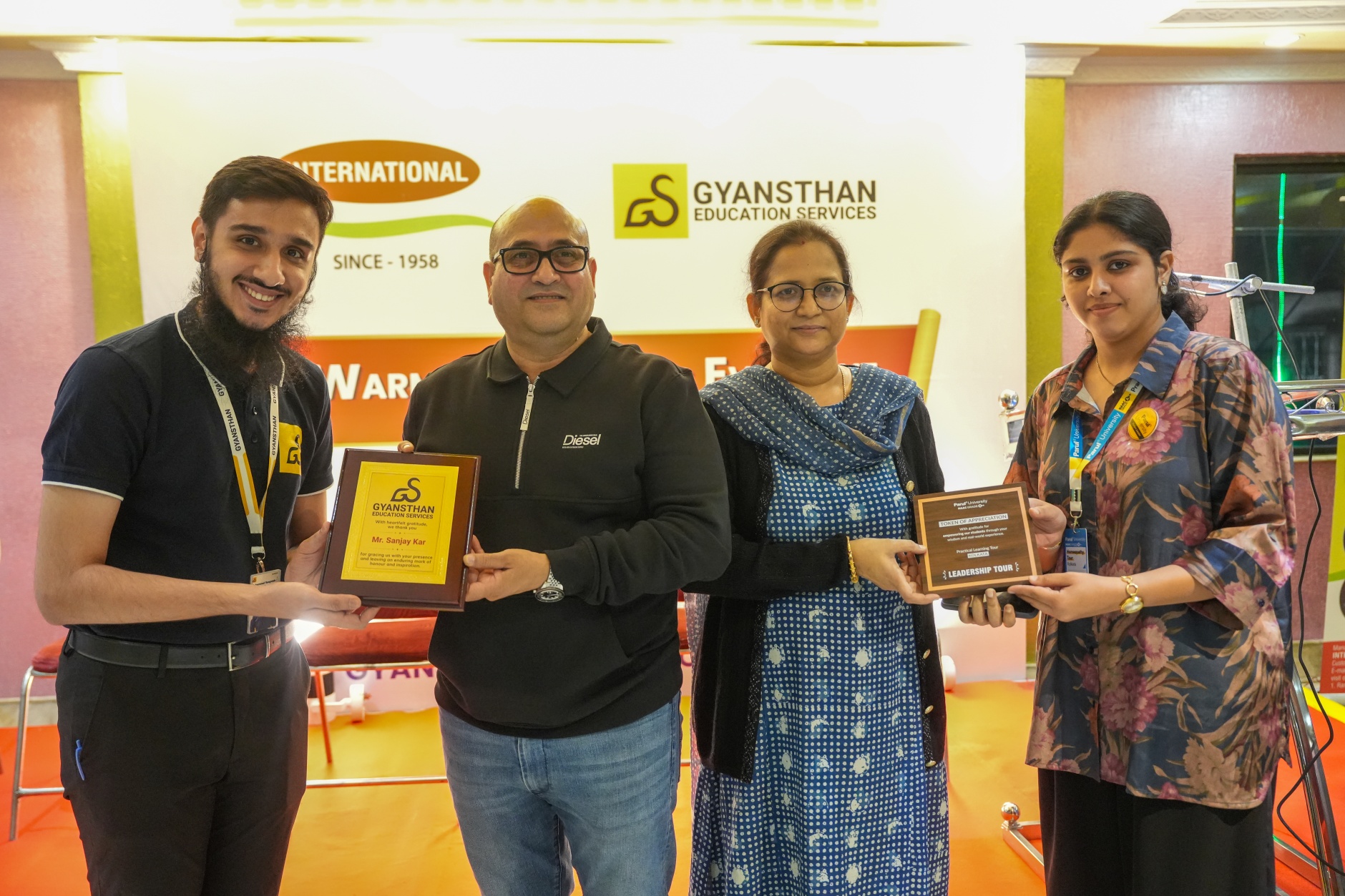
Mr. Sanjay Kar, Managing Director, showed students something they do not often see: the commercial reality of homoeopathy. The industry is substantial, distributed, and competitive. Pharmacy management, distribution networks, entrepreneurship are real career paths and they are growing.
The factory visit covered raw material handling, formulation, filling, sealing, labelling, and quality control with GMP compliance throughout. Biocombinations were explained with clinical rationale, grounding the concept in clinical utility rather than tradition alone. One area that caught students off guard: patented products for animal wellness, specifically those aimed at improving milk quality. A concrete example of homoeopathic application beyond human clinical practice.
“You need to survive in the competition to be the best.”
The point about entrepreneurship was energising. Homoeopaths are trained as clinicians, but the path from graduation to sustainable practice almost always involves business sense. Understanding market dynamics, knowing how distribution works, exploring pharmacy ownership: none of this compromises clinical values. Survival in a competitive market is prerequisite to everything else.
The Banerji Protocols: Standardised Homoeopathy That NCI and NASA Took Seriously
The visit to Dr. Prasanta Banerji Homoeopathic Research Clinic raised a question that classical homoeopaths have debated for decades: can homoeopathic practice be standardised? The Banerji family’s answer, developed over generations of clinical work, is yes.
Dr. Isha Banerji led the session. The Banerji Protocols operate on defined principles: standardised medicines, fixed potencies, predetermined dosage schedules tied to confirmed clinical diagnosis. The emphasis is on reproducibility: can another practitioner, given the same diagnosis, apply the same protocol and achieve comparable outcomes?
The clinical documentation is substantial: decades of case records, radiological evidence, long-term follow-up data. Applications to chronic, degenerative, and life-threatening conditions including various cancers and neurological disorders. Research collaborations with NCI (National Cancer Institute), MD Anderson, and NASA. These are not institutions that extend credibility casually. Their engagement reflects scientific interest in documented clinical outcomes.
The free consultation model and rural outreach were among the session’s most affecting sections. PBHRC operates on a straightforward moral commitment to accessible healthcare. An emergency protocol kit demonstrates that the protocol approach handles clinical complexity in real time, not just the long arc of chronic management.
“Charity and science can go hand in hand when you truly commit to the cause of homoeopathy.”
Whether a student ultimately practises in the classical or protocol-based tradition, understanding what PBHRC has built, and how, is a legitimate and valuable part of a students who are actively searching homoeopathic course after 12th.
What These Sessions Say About Homoeopathy Beyond the Clinic
A virology lab with cell lines and albino Wistar rats. A factory floor with HPLC quality control and protocols that NCI and NASA studied. They’ve even patented animal wellness products. Besides this, entrepreneurship as a legitimate career path and free consultation as a moral commitment that coexists with scientific rigour.
Parul University’s BHMS students did not just see clinical practice in Kolkata. They saw the full ecosystem: the research that generates evidence, the manufacturing that produces medicines, the protocols that enable scale, and the business reality that keeps the profession viable. That ecosystem view is what a Practical Learning Tour provides that no syllabus can replicate.
Parul University Practical Exposure: 19 Cities, 280 Companies
FAQs
What research is being done in homoeopathy in India?
RRIH under CCRH (Ministry of AYUSH) conducts drug proving programmes, clinical verification, clinical trials (hypothyroidism, diabetes, diarrhoea, COVID-19, hypertension), virology research (studying homoeopathic medicines against viruses using human cells, cell lines, and mice), and gene regulation analysis. The Banerji Protocols have been studied in collaboration with NCI, MD Anderson, and NASA. NIH Kolkata generates research-quality data through uniform case-taking across thousands of patients daily.
How are homoeopathic medicines manufactured?
At HAPCO: medicinal plants collected at full bloom early morning (active constituents at peak). Mother tinctures prepared with attention to purity and standardisation. Trituration converts insoluble substances into colloidal forms using lactose, increasing bioavailability. Globules prepared for consistency in size, absorption, and impregnation. Quality control through HPLC and TLC technology. Ethical sourcing: HAPCO will not manufacture from sources that are not naturally or ethically obtainable.
What are the Banerji Protocols?
Standardised homoeopathic treatment protocols developed over generations by the Banerji family. Standardised medicines, fixed potencies, predetermined dosage schedules tied to confirmed clinical diagnosis. Designed for reproducibility across practitioners. Supported by decades of case records, radiological evidence, and long-term follow-up. Research collaborations with NCI, MD Anderson, and NASA. Applications to chronic, degenerative, and life-threatening conditions including cancers and neurological disorders. Free consultation model with rural outreach
Can homoeopathy be a career beyond clinical practice?
Yes. At International Homoeo Research, Mr Sanjay Kar demonstrated: pharmaceutical manufacturing, GMP compliance, distribution networks, biocombinations, patented animal wellness products, and entrepreneurship as a career path. At HAPCO: pharmaceutical production with HPLC/TLC quality control, ethical sourcing policy, and specialised manufacturing. Understanding market dynamics, pharmacy ownership, and distribution is not separate from clinical values. It is what makes sustainable practice possible.


