Discover how clinical journaling connects patient observations with practical physiotherapy learning.
For students pursuing a Bachelor of Physiotherapy, learning does not happen only through textbooks. Observing patients, understanding their movements, and noticing small changes during treatment are equally important.
A clinical journal helps students record these experiences and think about what they have learned. Something as simple as noticing how a patient walks can become an important lesson when students examine the observation carefully.
Why Should BPT Students Maintain a Clinical Learning Journal?
During clinical training, students may observe patients with different injuries, movement difficulties, and rehabilitation needs.
However, remembering every small detail can be difficult.
A clinical learning journal allows students to record what they observed, what they understood, and what questions came to their minds.
For example, a student may notice that a patient with a knee injury avoids putting weight on one leg. Writing about this observation helps the student connect it with classroom lessons on muscles, joints, and movement.
Over time, these notes can help students identify gaps in their understanding and prepare questions for their teachers.
What Should Students Record After a Clinical Observation?
A useful clinical journal does not need long explanations. Students can focus on details that support their learning.
Some important points include:
• Patient Movement:
Note difficulties in walking, standing, sitting, or changing positions.
• Physical Assessment:
Record the assessment methods observed during the session.
• Treatment Activities:
Describe exercises or rehabilitation methods demonstrated by the supervising physiotherapist.
• Patient Response:
Observe how the patient responds to movement or treatment.
• Personal Learning:
Write one important lesson or question from the session.
Students must follow patient privacy rules. Names, photographs, identifiable medical details, and other confidential information should not be included without proper permission.
How Can Small Clinical Observations Improve Physiotherapy Understanding?
Consider a student observing two patients recovering from ankle injuries.
One patient walks slowly because of pain. Another patient has less pain but struggles to maintain balance.
At first, both cases may appear similar because the injuries involve the same body part.
However, writing these observations in a journal can help the student understand why patients may have different physical difficulties.
The student can then discuss these differences with a supervising physiotherapist.
This process encourages students to look beyond the injury and understand the patient’s overall movement.
How Can Students Turn Journal Notes into Better Learning?
Writing observations is only the first step. Students must also review their notes to understand what they have learned.
A few useful habits include:
• Review Notes Regularly:
Read previous observations to remember important lessons.
• Connect Theory with Practice:
Compare clinical experiences with concepts learned in class.
• Ask Questions:
Discuss unclear observations with faculty members or clinical supervisors.
• Identify Learning Gaps:
Note subjects that need further reading or practice.
For example, if a student repeatedly finds balance problems difficult to understand, reviewing biomechanics lessons may help.
A clinical journal can support learning, but it does not replace formal patient records or professional supervision.
Get Complete Details From Expert
How Does Parul University Support Clinical Learning for BPT Students?
The Bachelor of Physiotherapy programme at Parul University is a five-year course that combines classroom education with practical clinical experience.
Students study subjects such as anatomy, physiology, biomechanics, and therapeutic procedures. These subjects help them understand body movements, physical conditions, and rehabilitation methods.
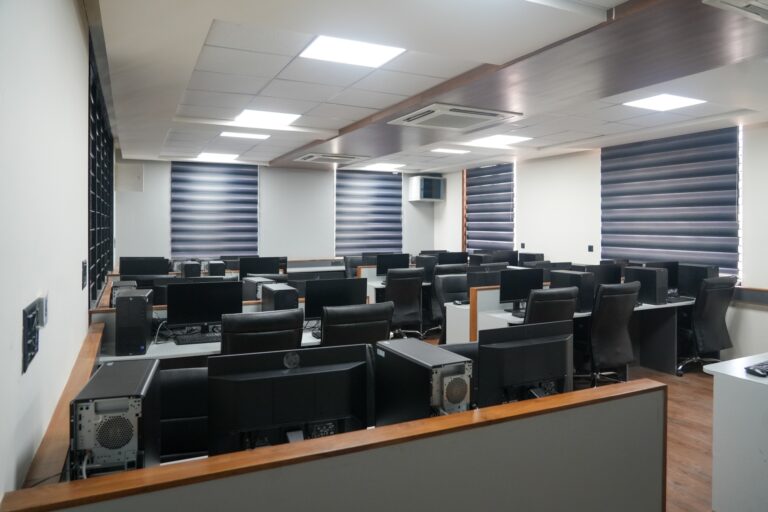
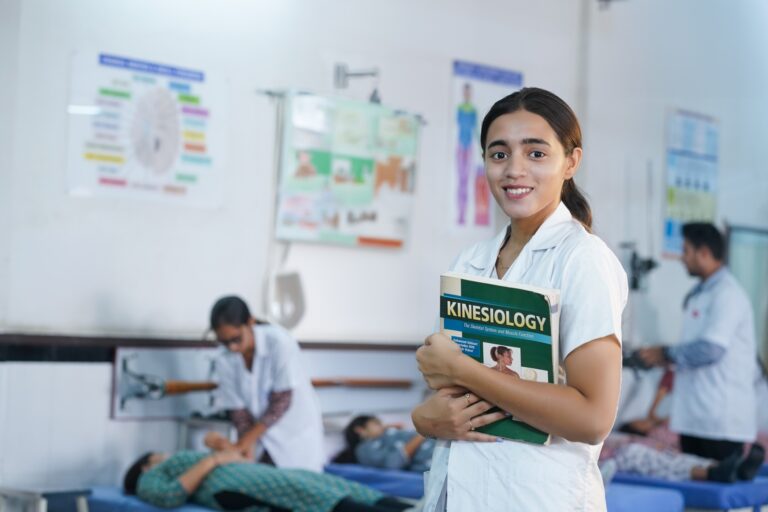
Parul University provides practical exposure through laboratories, clinics, and hospital-based learning from the early stages of the programme. Students also benefit from guidance provided by experienced faculty and healthcare professionals.
The programme includes internships and field training, allowing students to observe patient care in real healthcare settings.
Such experiences provide students with useful material for reflective learning. By maintaining a journal, they can revisit clinical observations and connect them with the knowledge gained during their studies.
Why Is Reflecting on Mistakes Important During Clinical Training?
A student may sometimes misunderstand a movement or struggle to explain an assessment.
Instead of ignoring the confusion, the student can write about it and discuss the observation with a supervisor.
Reflection helps students recognise what they need to improve. It also encourages them to avoid making assumptions about a patient’s condition.
Learning to accept corrections is an important part of becoming a responsible healthcare professional.
Every Observation Can Become a Lesson
A student may finish a clinical session with a notebook full of small observations. One question from those notes could lead to a better understanding of patient care.
Students interested in developing such practical learning habits can explore the Bachelor of Physiotherapy at Parul University, where classroom knowledge and clinical exposure support their journey towards becoming physiotherapy professionals.