Discover essential site visit learnings, building materials observation, structural work insights, and safety practices for architecture students.
According to a 2026 report, around 98.54 lakh households undertook construction work for their own use during the survey’s reference period. (PIB) This shows how construction remains an important activity across India.
For students pursuing a Diploma in Architecture, visiting a construction site is a chance to see how buildings take shape. From checking measurements to understanding materials, students can learn many things that drawings alone cannot explain.
Why Should Architecture Students Study Buildings Under Construction?
A classroom drawing shows how a building should look. However, a construction site shows how workers actually build it.
Students can observe how different teams work together, how materials are used and how construction follows a planned order.
For example, a student may understand the purpose of a column from a drawing. During a site visit, they can see its reinforcement, formwork and concrete work at different stages.
Such experiences help students connect their technical lessons with actual building work.
Which Building Materials Should Students Examine During Site Visits?
Every building uses materials with different properties and purposes. Understanding these materials is an important part of architectural education.
During construction site visits, students should observe:
-
- Bricks and Blocks: Check their sizes, shapes and how workers arrange them while making walls.
- Cement and Concrete: Understand where these materials are used and how proper mixing and curing support construction quality.
- Steel Reinforcement: Observe how steel bars are placed inside structural members according to approved drawings.
- Tiles and Flooring: Study how workers prepare surfaces and maintain proper levels during installation.
Students should also notice how materials are stored. For example, cement needs protection from moisture, while steel should be kept in suitable storage conditions.
These small observations help students understand material handling and basic construction practices.
How Can Students Understand Structural Work at a Construction Site?
A building needs a strong structural system to carry its loads safely. During site visits, students can observe foundations, columns, beams and slabs.
They should try to understand how these parts connect with one another. They can also compare the structural drawings with the work visible at the site.
For example, students may notice that workers use temporary supports while constructing a concrete slab. Such observations help them understand why construction happens in stages.
However, students should not judge structural safety on their own. They should ask the site engineer or supervisor to explain the approved construction methods.
What Safety Practices Should Students Notice Before Entering a Site?
Construction sites have moving equipment, unfinished surfaces and different work activities. Students must follow site instructions and remain within approved visitor areas.
Important safety practices include:
- Protective Equipment: Wear a safety helmet, suitable shoes and any additional protection required by the site.
- Safe Walking Routes: Use marked pathways and stay away from open edges or restricted areas.
- Machinery Awareness: Maintain a safe distance from cranes, vehicles and operating machines.
- Supervisor Instructions: Follow the guide and never touch equipment or materials without permission.
Safety also includes noticing how workers maintain clean pathways and manage construction waste.
How Should Students Observe Space Planning and Building Services?
A building should provide enough space for people to move and use different rooms comfortably.
Students can observe door openings, corridors, staircases, windows and room arrangements. They should compare these spaces with the measurements shown in architectural drawings.
It is also useful to understand where electrical pipes, plumbing lines and ventilation systems are placed.
For example, observing bathroom construction can help students understand how plumbing work affects wall thickness, floor levels and drainage arrangements.
These details are important when preparing practical building designs.
How Does Parul University Help Students Learn About Construction Practices?
Parul University’s Diploma in Architecture is a three-year programme covering architectural design, construction technology, building materials and structural systems.
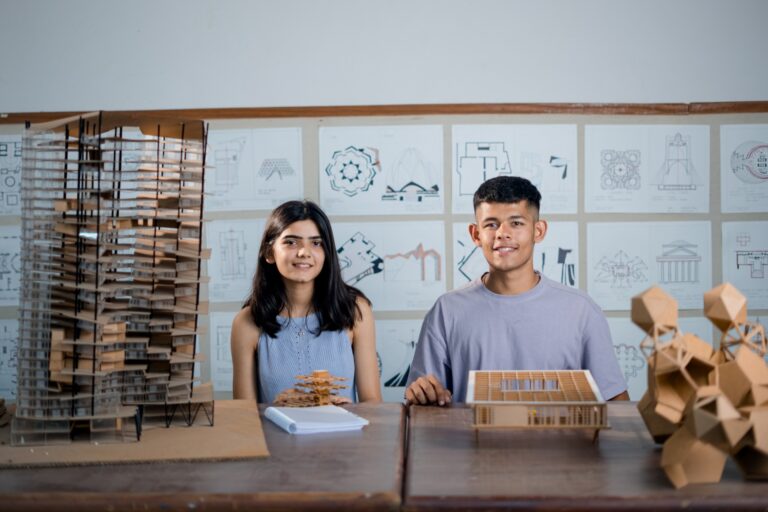
The programme includes practical learning through design labs, model-making workshops and site visits.
Students also learn architectural graphics, CAD software, building regulations and construction project management.
This combination helps students connect classroom drawings with practical construction methods. It also prepares them for entry-level opportunities such as architectural drafter, CAD technician, site supervisor and construction project assistant.
Turning Site Observations into Better Architectural Skills
A construction site often raises questions that students may not think about while preparing drawings. Understanding these questions helps them develop a more practical approach to design.
Students interested in learning how buildings are planned and constructed can explore the Diploma in Architecture at Parul University and begin developing the skills needed for architectural work.