Your Entry Route to Joining the Indian Army as an Officer!
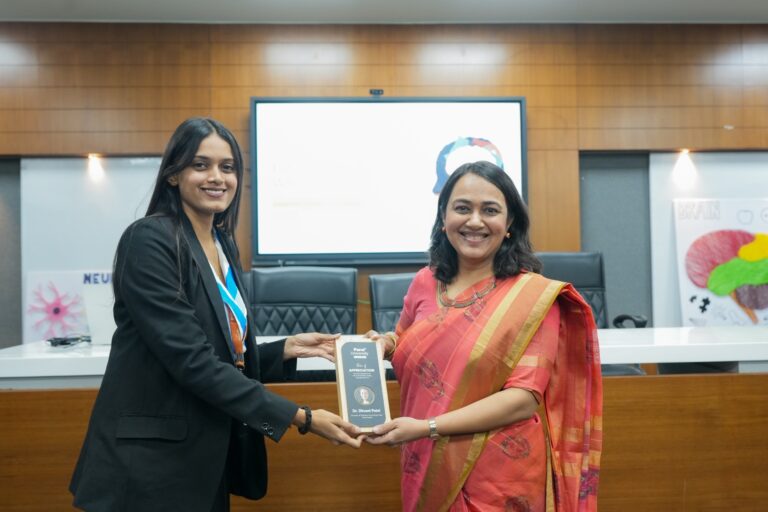
Learning how to join the Indian Army as an officer starts with a simple fact: the Army offers the widest range of officer-entry routes of the three services, and they suit different people at different stages. A Class 12 student, a graduate, and an engineering graduate each have a best route, and choosing correctly is half the task. This is the path a Parul University aeronautical graduate took to an Army recommendation, and it is worth mapping the options in full.
Entry After Class 12!
- NDA (National Defence Academy): The most prestigious route, through the UPSC NDA examination after Class 12 (any stream for the Army wing). Cadets train for three years at NDA, Khadakwasla, and one year at IMA, Dehradun, leading to a permanent commission. Open to women since 2022.
- TES (Technical Entry Scheme): For science (PCM) students after Class 12 who want a technical commission, shortlisted on 10+2 marks with a direct SSB and no written exam, leading to a permanent commission in the technical arms.
Entry After Graduation
- CDS (Combined Defence Services): The main graduate route, through the UPSC CDS examination. It leads to a permanent commission via IMA Dehradun or a short service commission via the Officers Training Academy (OTA) in Chennai.
- TGC (Technical Graduate Course): A permanent commission route for engineering graduates into technical arms such as the Corps of Engineers, Signals, and EME, training at IMA.
- SSC (Technical): A Short Service Commission technical entry for engineering graduates, open to both men and women through separate notifications; training at OTA, the graduate technical route through which the Parul University cadet in the related profile entered.
- NCC Special Entry: For graduates holding the NCC ‘C’ certificate, a direct SSB with no written exam, open to men and women, training at the OTA.
- JAG (Judge Advocate General): A specialised entry for law graduates.
A note on current changes: the Army has been moving its technical graduate entries (TGC and SSC Technical) toward a national written examination, rather than shortlisting purely on engineering marks, so aspirants should check the latest notification on the official Join Indian Army portal.
The Common Funnel: SSB, Medical, Merit
Whichever route you choose, the flow converges. Depending on the entry, you may sit a written examination (for UPSC routes such as NDA and CDS and increasingly for technical entries), then attend and clear the five-day Services Selection Board, then pass the medical examination, and finally make the merit list before training. The written stage varies, but the SSB is common to all, which is why clearing the SSB is the decisive skill for any aspirant, exactly as it is for the Navy’s officer entries.
Permanent Versus Short Service Commission
Entries lead to one of two commission types. A permanent commission (through NDA, CDS-IMA, or TGC) is a full-length career with long-term stability and pension benefits. A Short Service Commission (through CDS-OTA, SSC Technical, NCC Special, and others) is a fixed tenure, typically ten years extendable to fourteen, with the option to be considered for a permanent commission later. Got aviation on your mind? Here’s your sign. Explore B.Tech in aeronautical engineering, B.Tech in aerospace engineering, and Diploma in aeronautical engineering at Parul University and start building your future in the skies!