Program details overview
Bachelor of Arts in Journalism and Mass Communication
The Bachelor of Arts in Journalism and Mass Communication program at Parul University is designed to equip students with the skills required for dynamic careers in journalism, media production, and digital communication. This program provides hands-on experience in reporting, content creation, broadcasting, and multimedia storytelling.
Journalism and modern media studies are ideal for students passionate about investigative reporting, content writing, digital media, and public communication. Graduates can pursue careers in news agencies, broadcasting companies, social media, and corporate communications.
Here is how you can study this program

Bachelor of Arts in Journalism and Mass Communication
The 3-years Bachelor of Arts in Journalism and Modern Media program provides students with a strong foundation in core media subjects such as journalism ethics, media laws, and digital content creation. The curriculum blends theory with practical training, offering exposure to news reporting, video production, and social media strategies. Students learn to craft compelling stories, analyze media trends, and produce multimedia content for digital platforms. This program prepares graduates for careers in journalism, content writing, broadcasting, and digital marketing, while also offering a base for further studies in media and communication.
Secure your place
25th August 2026
Applicable deadline
25th August 2026
Batch Commencing
8th July Onwards
Duration
3 years
Credits
180
Seats
60
Fee
95,000/- Per Annum
Language
English
Eligibility Criteria
Candidate shall have passed 12th Examination in any stream (Science/ Commerce/Arts) with English subject from a recognized board.
*Tuition Fees may vary depending on the Country/State in which the candidate has passed their qualifying examination.
Bachelor of Arts in Journalism and Mass Communication (Hons.)
The 4-years BA Honours in Journalism and Modern Media is a comprehensive, future-focused program designed to build advanced media competencies. In addition to core subjects, students explore specialized electives in investigative journalism, media analytics, digital storytelling, and cross-platform content creation. The program emphasizes hands-on learning through research projects, internships, and workshops with media professionals. With training in data journalism, visual storytelling, and audience engagement tools, students graduate with the skills needed to thrive in today’s fast-evolving media landscape—ready for careers in newsrooms, digital agencies, production houses, or higher academic pursuits.
Secure your place
25th August 2026
Applicable deadline
25th August 2026
Batch Commencing
8th July Onwards
Duration
4 Years
Credits
180
Seats
60
Fee
95,000/- Per Annum
Language
English
Eligibility Criteria
Candidate shall have passed 12th Examination in any stream (Science/ Commerce/Arts) with English subject from a recognized board.
*Tuition Fees may vary depending on the Country/State in which the candidate has passed their qualifying examination.
Extend Your Learning, Walk Away with Dual Degrees
While you are studying your main degree, you can also study another degree as a dual degree program which provides you an opportunity to explore multiple fields of study. With Dual Degree you can study your main degree in physical mode and your second degree in hybrid mode with adjustable study hours
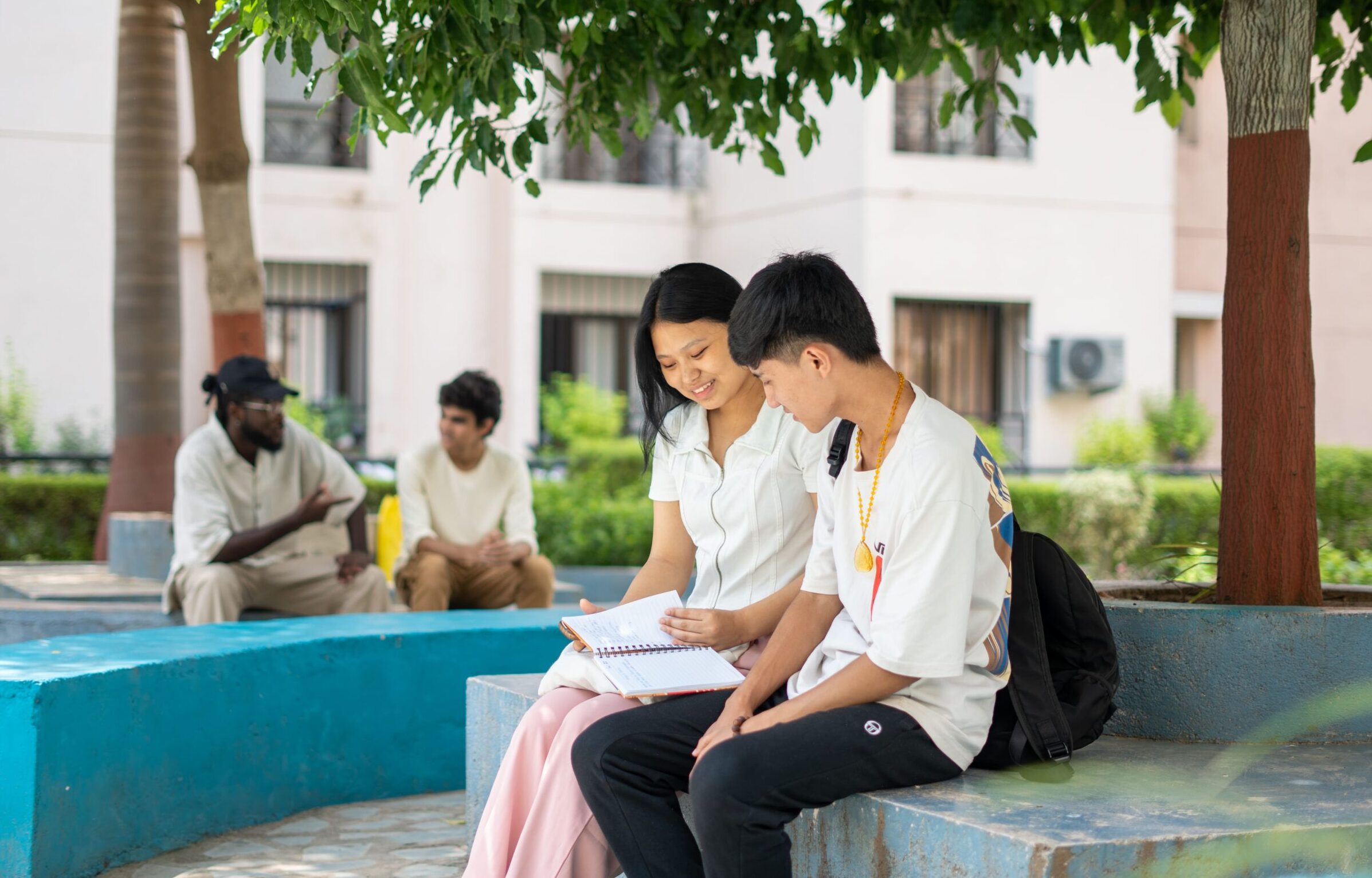
Why study this program
Be a part of an engaging learning atmosphere that gives you the tools to excel in the career of your choice.
Media Talent
The media industry is expanding rapidly, creating numerous opportunities for skilled journalists and content creators.
Diverse Career Paths
Graduates can work in print media, digital journalism, broadcasting, content writing, and corporate communications.
Digital Narratives Unleashed
The program enhances research skills, problem-solving abilities, and the ability to evaluate sources critically.
Cutting-Edge Learning
Parul University provides state-of-the-art studios, media labs, and real-time industry exposure through internships and collaborations.
Industry-Oriented Curriculum
The curriculum blends traditional journalism techniques with modern digital tools, ensuring students are industry-ready upon graduation.

What you can become after studying Journalism and Mass Communication?

Content Writer

Journalist

News Anchor

Video Producer

Social Media Manager

Media Analyst

Here is the Important Information you need to Know
Find out if this is the right course for you.
Find out if this is the right course for you.

Download curriculum
Get a complete overview of what you’ll learn, the skills you’ll build, and how the program shapes your academic journey.


Download teaching scheme
Understand how your learning is structured, from subject flow to timelines, designed to keep your progress clear and consistent.

Download faculty details
Discover the experts behind your education: their experience, specialisations, and the knowledge they bring into the classroom.
Download curriculum
Get a complete overview of what you’ll learn, the skills you’ll build, and how the program shapes your academic journey.
Download teaching scheme
Understand how your learning is structured, from subject flow to timelines, designed to keep your progress clear and consistent.
Download faculty details
Discover the experts behind your education: their experience, specialisations, and the knowledge they bring into the classroom.
Launch your career with our leading placements
We provide you with leading placement opportunities before you graduate, with the best career training and an exposure to leading recruiters.
4-6 LPA
Average Package
2,200+
Recruiters
60* LPA
Highest Package Offered

Give your future career a head start
Explore our facilities & resources for this program
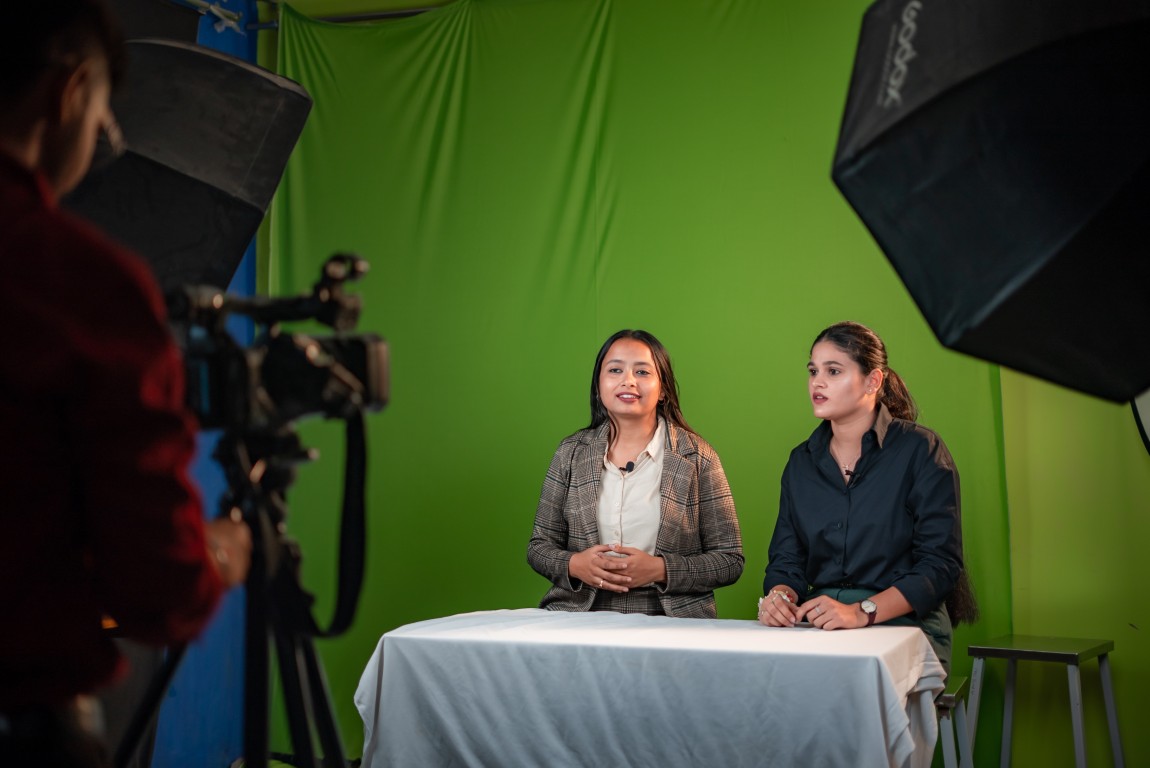
Media Lab
Equips students with tools for multimedia creation and digital journalism.
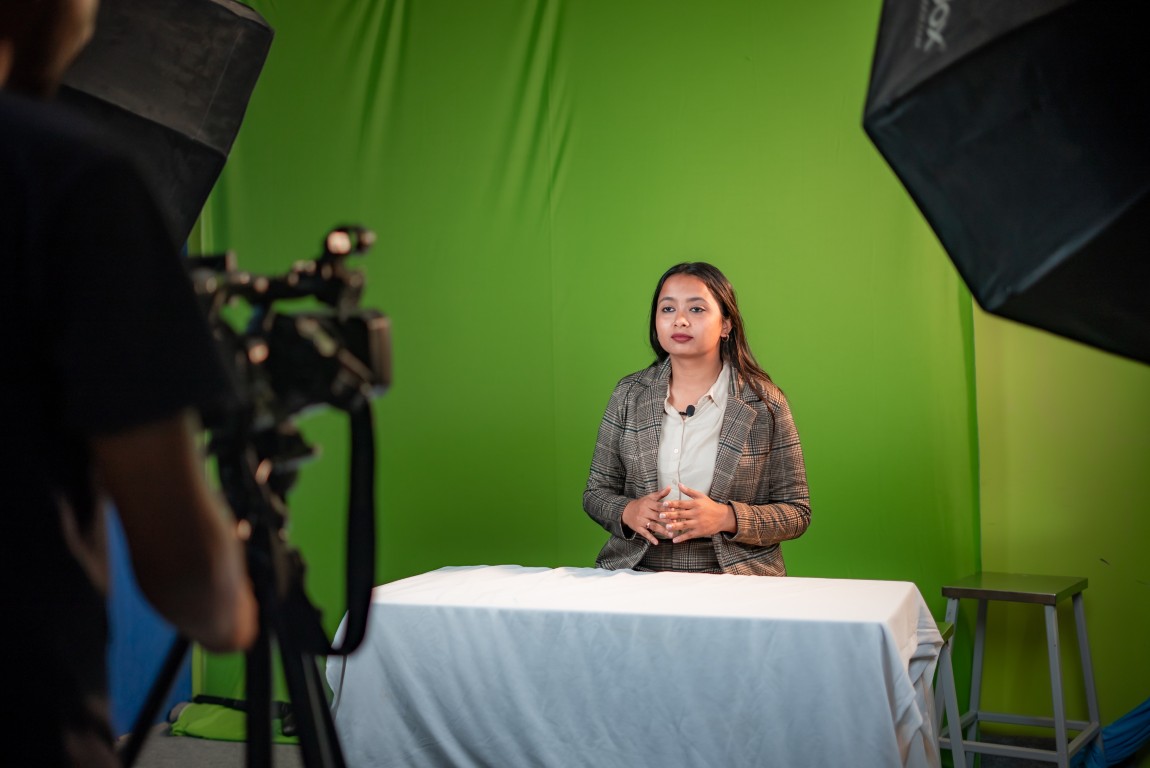
Journalism Studio
A newsroom-style setting fostering practical reporting, editing, and broadcast training.
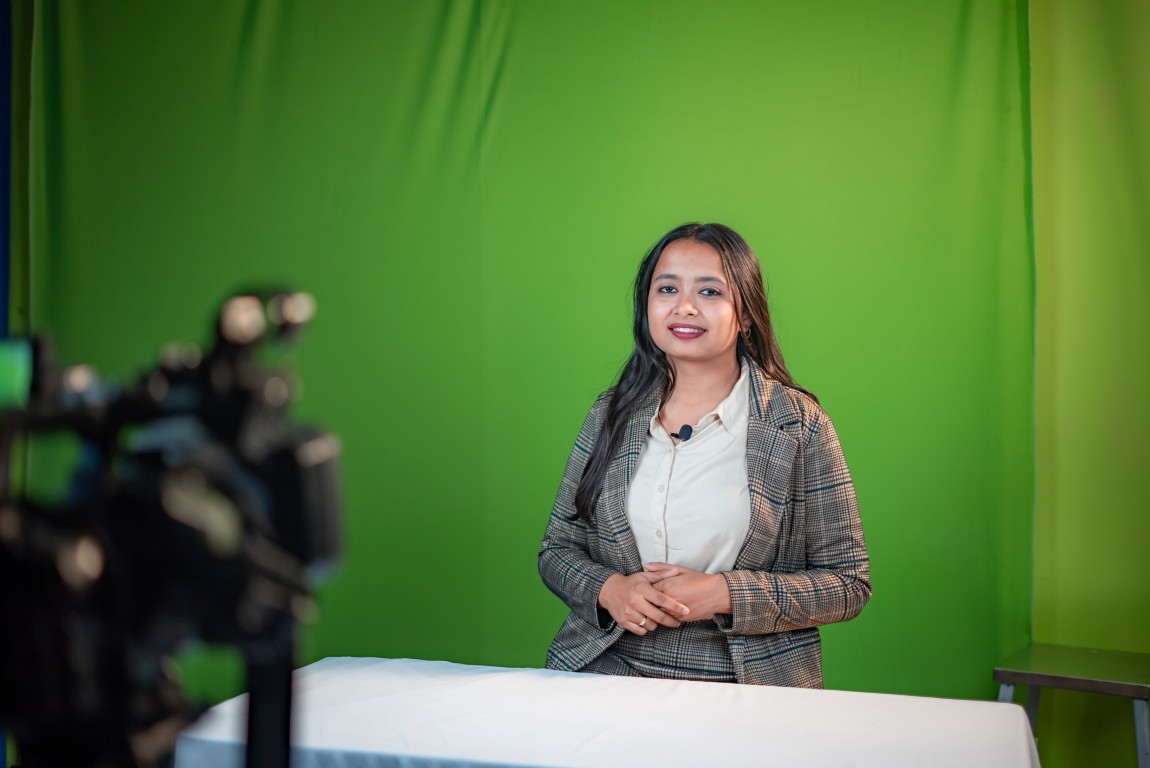
24 Frames
A creative media studio supporting production in film, documentary, and visual communication.
Scholarships & funding
Financing and supporting your education
Get information on the various scholarships, grants, and student loans you can avail to fund your dream education.

Meritorious scholarships
Recognising academic excellence by providing scholarship opportunities to those who exceptionally pass board and entrance exams
Know more

Sports scholarships
Recognising athletic excellence by providing scholarship opportunities to those who have achieved distinction in sports at State, National, or International levels.
Know more
Alumni scholarships
Fostering lifelong connections by providing scholarship opportunities to the wards of PU alumni to continue the legacy of excellence.
Know more

Defense scholarships
Honoring the families of defense service persons by providing scholarship opportunities to their wards to study at PU
Know more

Stay up to date with Media Trends

How to Become a News Anchor: Advice From India’s Top Anchors, As Discussed with Parul University’s Hosted Delhi Leadership Tour!
From the outside, anchoring looks like the glamorous peak of journalism. From the inside, India’s top anchors describe something harder and lonelier: a craft built on preparation, practice, and journalistic foundations. Here is their honest advice to Parul University students on how to become a news anchor.

PTC – Piece To Camera – Master Live Reporting & Camera Skills at Parul University!
10 minutes, 60 seconds of PTC at India Gate, and that’s when Parul University’s journalism students got challenged for real. See how it went, what they learned, and how they mastered PTC, Piece to Camera, with real reporters!

Women in Cinema, Ageism & Overall Representation – Indian Actress Taapsee Pannu at Jagran Film Festival with Parul University’s students!
The new age media or cinema needs original voices with unshakable spirits and not just fake followers. Cinema doesn’t just reflect society, but it shapes how we think and see. At the Jagran Film Festival, Indian actress Taapsee Pannu shared her views on breaking stereotypes, ageism, and why films should invite the real and unshakable side of women instead of the softer ones!

How a Newspaper Is Printed: From Page to Press at Parul University’s Delhi Leadership Tour!
A journalist’s work does not end with a byline; it ends on a press floor most readers never see. On a visit to Hindustan Times, Parul University students learned the exact, precision-engineered journey a story takes from a finished page to a physical newspaper rolling off the press at nearly 100,000 copies an hour.

Delhi Leadership Tour by Parul University – AI and Deepfakes in Journalism!
Artificial intelligence can now clone a journalist’s face and voice convincingly enough to fool millions. For journalism, whose entire value rests on truth, that is an existential challenge. On their Delhi media tour, Parul University students heard from those on the front line, including Rajat Sharma, on how AI is reshaping the fight for facts.

The Business of Journalism: How Newsrooms Actually Make Money!
You rarely pay for the news you read, so who does? Understanding the business behind journalism is as important as the craft itself. On their Delhi media tour, Parul University students learned how newsrooms make money, why a wall separates business from editorial, and how modern advertising really works.
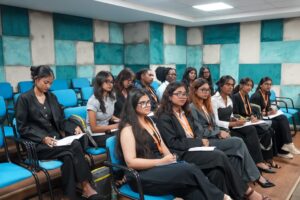
How a TV Newsroom Really Works: From Story to Broadcast at Parul University’s Delhi Leadership Tour!
A television bulletin looks effortless, with one anchor calmly delivering the news. Behind that single face is an entire machine. On their Delhi media tour, Parul University students traced a story from first tip to final broadcast across India’s biggest newsrooms. Here is how a TV newsroom actually works.
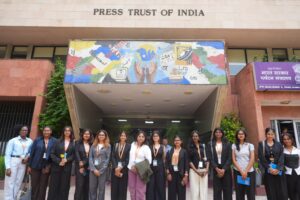
How News Is Verified: Inside PTI’s Three-Source Rule (Accuracy Over Speed)
In an age of viral misinformation, how does a newsroom confirm a story is actually true before publishing it? On their Delhi media tour, Parul University students got the answer from India’s biggest news agency and its leading newsrooms, and it starts with a simple, uncompromising rule: never trust a single source.
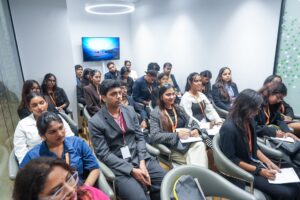
How to Build a Career in Journalism: Advice From India’s Top Anchors and Editors
What does it actually take to succeed in journalism? On their Delhi media tour, Parul University students got the answer straight from the people who have done it: Padmaja Joshi, Rajdeep Sardesai, Saurabh Agarwal, and more. Their advice, gathered here, is a practical roadmap for any aspiring journalist.
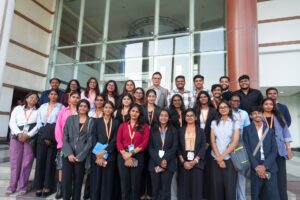
Free, Fair & Fearless Journalism with Rajat Sharma – Young Journalists at Parul University!
At the Delhi Leadership Tour, Parul University’s students meet India’s most watched journalist, Mr. Rajat Sharma. From the live coverage of 26/11 to AI deepfakes to ethical journalism, he shared his experiences with these curious minds, and they’re still in awe!
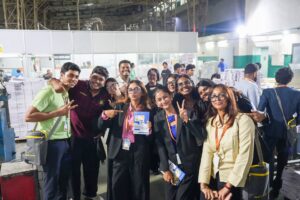
Why Study Journalism at Parul University? Inside the Delhi Media Leadership Tour!
Meet India’s Top Journalists & hear their views, straight from the Delhi Leadership Tour of Parul University. Read ahead to know how students spent their 6 days in the capital of India and met Rajat Sharma, Padmaja Joshi, and Rajdeep Sardesai and visited India’s biggest media houses!
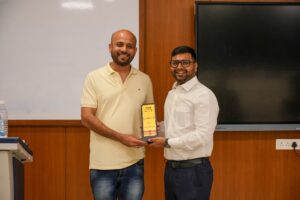
Podcast vs Interview: A Masterclass With India Today’s Head of Podcast at Parul University
An interview asks questions. A podcast has a conversation. Vaibhav Mathur, National Head of Podcast at India Today Digital, spent an hour with journalism students at Parul University on what separates the two, why audiences now buy stories rather than products, and how to build a podcast that lasts.
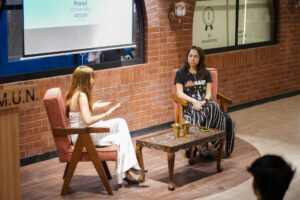
Importance of Vocabulary in Fashion Journalism – Vogue India’s Editorial Content Head – Rochelle Pinto on AI, Design, Fashion Journalism and Storytelling at the Parul Institute of Design’s Industry Tour to Mumbai!
Parul Institute of Design’s students met Rochelle Pinto, head of editorial content at Vogue India in Mumbai. Her exclusive session covered how fashion journalism works at all levels; she even spoke about her reading habits, parental influence, vocabulary, ethics, fashion journalism, and emotional resilience, which are required to survive cancel culture and instant feedback. How one can lead a creative team in sync with the Indian Design Imagination and by ending Western validation. She suggested students read core dictionaries and use AI limitlessly, read thoroughly and carve their craft accordingly!
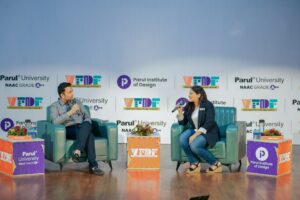
Sarita Patil at Parul Institute of Design: Why a Film Producer Is More Like a Farmer Than a Banker
At VFDF 4.0 on 9 April 2026, Matchbox Pictures co-founder Sarita Patil told PID students the producer’s role is not money management. It is three-phase cultivation: acquisition, sowing, harvesting. After 26 years in corporate film including Vice President at Viacom18 Motion Pictures, she left at 45 to co-found an independent production company. Her films since then include Scoop and IC 814.
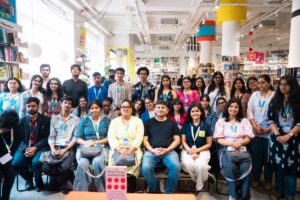
She Gave UPSC 21 Days After a Caesarean and Her Article About Sex Education Was Pinned on Every Notice Board, a Vice Chancellor Still Fails at Counting 5 Breaths After Years of Practice, and a Comedian Used Naruto to Explain Creative Growth Then Lost His Voice for 19 Months: What Writing and Creative Life Cost at Parul University’s Writers Tour
IAS Nidhi Chaudhry: UPSC after caesarean, RBI and CAG before IAS, IGP sister, JK Rowling and KFC references, sex education article pinned on notice boards, does not eat after sunset, Zimbabwe student, KBC finalist in the room. Dr Ujwala Chakradeo spoke on breathing techniques and Vikram Poddar explained Naruto framework, Ramayana Investment Banker, 60 comedians in 2009, mind mapping, three layers, arrange marriage. Saurabh Bajaj: physicist to author and Diya Sen Gupta: Cubbon Reads inspiration.

