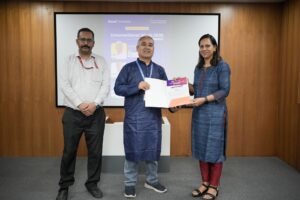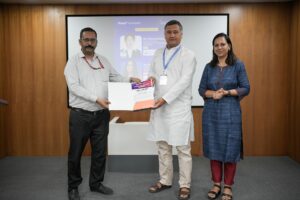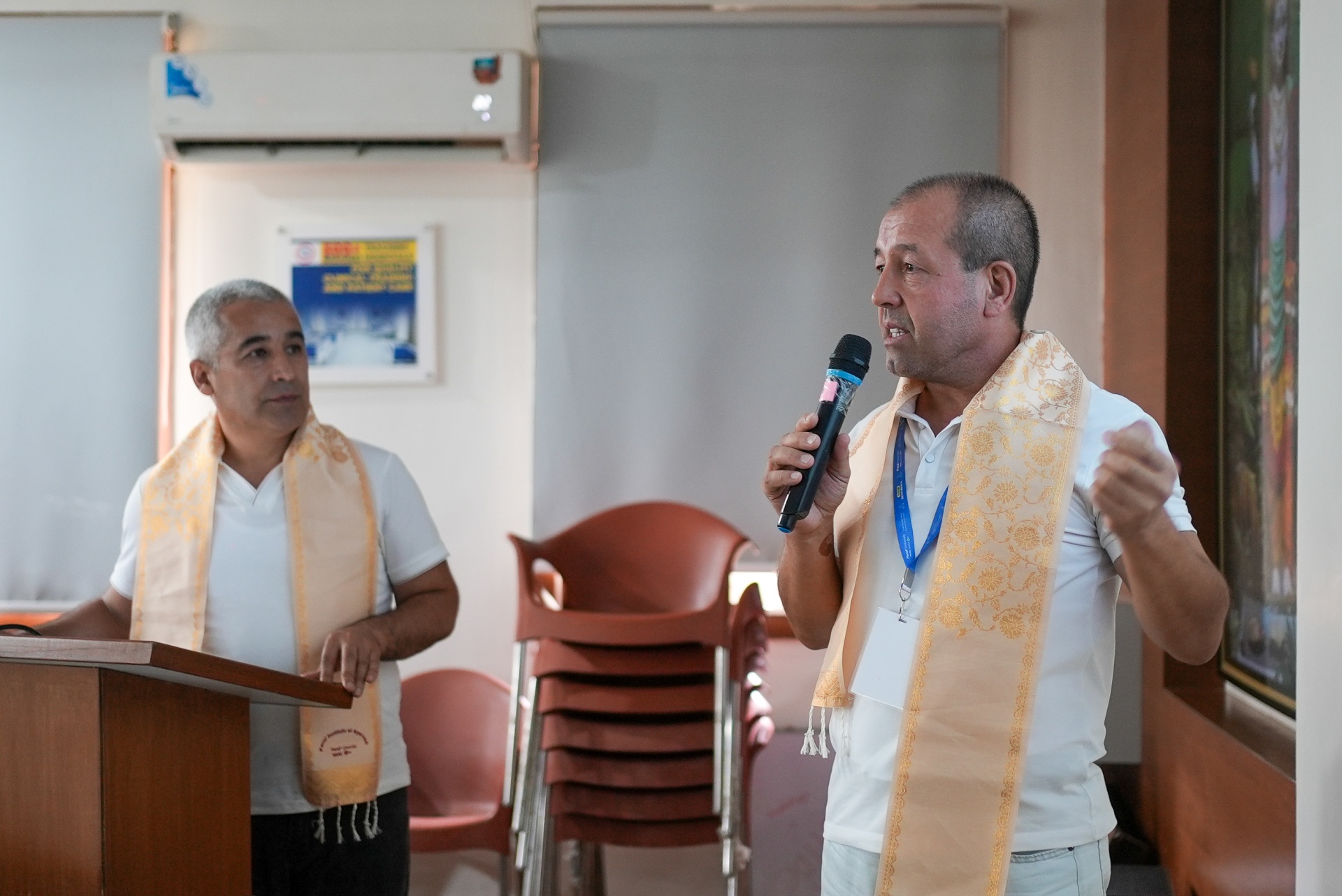
Few medical practices bridge ancient tradition and modern surgery quite like hirudotherapy. At a guest lecture during International Week, hosted by Parul University’s Faculty of Ayurveda, Dr. Akbarali from Namangan, Uzbekistan, introduced students to medicinal leech therapy and the traditional Eastern understanding of health from which it emerged. This is an educational overview of what he shared.
What Medicine Is Really For?
Dr. Akbarali began with a broad definition. On the medicine front, he said it’s not about treating disease but about preserving health, restoring lost health, preventing problems, and improving the quality of life. Eastern medicine has always been concerned with balance and prevention, not just cure!
The Traditional Eastern View of Health
The core theory of the Four Elements: Earth, Water, Air, and Fire, is believed to be connected with the functioning of the body. Hence, the quality of human life is described in these four qualities, such as hot, cold, wet & dry. An imbalance among these qualities was believed to contribute to disease. This historical understanding is the foundation from which several traditional treatment practices, including bloodletting, developed.
Traditional Methods of Body Cleansing
Among the ancient practices Dr. Akbarali described was bloodletting (Tanqiya), historically used to remove excess or harmful substances from the body. He introduced three traditional forms:
- Fasd (Venesection) – Opening a vein through a specific technique to remove blood, connected to the modern medical term venesection.
- Hijama – Also known as wet cupping, it involves making small cuts and using designed cups to draw blood. This process is still being used in some forms of traditional medicine!
- Ta’liq – Also known as Hirudotherapy, it’s done by the use of medicinal leeches, the central topic of the session!
These are traditional and clinical procedures that require qualified medical supervision; they are described here for understanding, not as anything to attempt oneself.
Understanding Hirudotherapy
AHirudotherapy is a treatment method using medicinal leeches. Crucially, Dr. Akbarali stressed that this involves not ordinary leeches but specially bred, carefully maintained medicinal leeches used for therapeutic purposes. The practice sits within the long history of traditional Eastern medicine, yet, remarkably, it has found selected applications in modern clinical settings.
Hirudotherapy in Modern Medicine
This is where tradition meets contemporary science. Today, medical professionals use medicinal leeches under supervision in specific clinical situations. Dr. Akbarali highlighted three in particular:
- Microsurgery, where leeches can help maintain blood flow in delicate reattached tissue.
- Reconstructive plastic surgery, supporting the survival of grafts and flaps.
- Reducing venous congestion, where blood pools and needs to be drawn off.
It is a striking example of how a treatment with ancient roots can retain a legitimate, evidence-informed place in modern medicine when applied under proper supervision, with appropriate clinical indications, sterilisation, and modern medical standards.
The Takeaway: Tradition and Science Together
The session’s deeper message was about the relationship between traditional knowledge and contemporary practice. Rather than dismissing traditional medicine as merely historical, Dr. Akbarali encouraged students to study it in relation to modern medicine, understanding its origins while evaluating its relevance through scientific and clinical standards. For students of Ayurveda and integrative healthcare, hirudotherapy is a powerful case study in exactly that balance.
FAQs
How does hirudotherapy work?
It’s a medicinal leech therapy in which leeches are used for therapeutic purposes, and they’re not ordinary ones. It has roots in traditional Eastern medicine and is still being used today under professional medical supervision.
Is leech therapy still used in modern medicine?
Yes. Under medical supervision, medicinal leeches are used in selected situations, notably in microsurgery, reconstructive plastic surgery, and to reduce venous congestion where blood pools and needs to be drawn off. It is applied with appropriate clinical indications, sterilisation, and modern medical standards.
What is the difference between hijama, venesection, and hirudotherapy?
All are traditional forms of bloodletting. Fasd (venesection) opens a vein to remove blood; hijama (wet cupping) uses small superficial cuts and cups to draw blood; and hirudotherapy uses medicinal leeches. Each requires qualified medical supervision and is described here for educational understanding only.