Ayurveda is an age-old way to treat the body. The traditional scripture describes how it was useful during wars, and before that. Prakriti is a term in Ayurveda. It is used for finding what is individual body made of naturally. It is a unique of mix of the three doshas that shapes the body and mind.
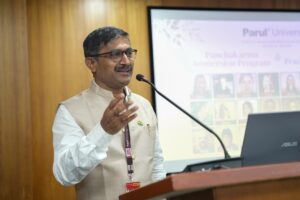
Understanding it was a central module for international practitioners at Parul University’s Ayurveda programs, who received personalised assessments. Here is a clear, educational guide to one of Ayurveda’s most important ideas.
Every Body is Unique
Every body is composed different elements. Ayurveda defines it through Prakriti. It is the defining principle of Ayurveda. Hence, no single protocol suits everyone.
Instead of one universal diet or routine, Ayurveda holds that recommendations should be tailored to each person’s constitution. The body is made of three doshas. The balance of it helps to understand the constitution of body. Or helps to understand the functional energies. The three doshas are Vata related to movement and the nervous system. Pitta is associated with digestion and metabolism while Kapha is related to stability and structure. The body’s Prakriti is decided based on the dominating dosha usually two doshas are dominating.Learn with MD in Ayurveda how dosha imbalance can impact body.
How Is Prakriti Assessed?
In an Ayurvedic assessment, as conducted for the visiting practitioners at Parul University, a practitioner builds a detailed profile using a structured set of observations across physical, behavioural, and psychological traits. These traditionally include:
- Body structure (Sharir), for example thin and light (Vata-leaning), medium and warm (Pitta-leaning), or solid and stable (Kapha-leaning).
- Features such as skin, hair, nails, eyes, and joints, each carrying traditional dosha associations.
- Digestion and appetite, described in Ayurveda as irregular, intense, or slow and steady depending on the dominant dosha.
- Behavioural and mental tendencies, including pace of speech and movement, memory, temperament, and even the character of one’s dreams.
From this picture, the practitioner identifies the person’s dominant and secondary doshas, the basis for personalised guidance.
For Personalised Guidance It Matters
Prakriti helps a lot in deciding what the body is composed of. Ayurveda focuses on Prakriti to guide the individual with lifestyle changes if required and dietary choices.
For example, a person with a strong Pitta (fire) tendency may be advised, within the Ayurvedic framework, toward cooling, calming foods and moderate rather than intense exercise, while a Vata-dominant person may be guided toward warmth, routine, and grounding practices. These are traditional principles of balancing one’s constitution, offered here to explain the concept, not as prescriptive medical advice; personalised guidance should come from a qualified practitioner who has assessed you directly.
Prakriti vs Vikriti
One useful distinction: Ayurveda separates Prakriti (your stable, inborn constitution) from Vikriti (your current state of balance or imbalance, which can shift with diet, season, stress, and lifestyle). Much of Ayurvedic practice is about understanding both, knowing your baseline nature, and noticing when you have drifted from it, so that daily and seasonal choices can gently bring you back toward balance.
Frequently Asked Questions
How to describe Prakriti?
Ayurveda is filled with knowledge. The knowledge of physical and mental health. Prakriti is part of it. It is described as a unique natural constitution in Ayurveda. It is the balance of the three doshas: Vata, Pitta, and Kapha. These doshas shape our body. And there is no one specific that suits all, the treatment is decided based on these doshas.
How to explain the three doshas?
Body is composed of three doshas. According to Ayurveda, the Prakriti of body is decided. The doshas are Vata, which is associated with the movement and the nervous system. There is Pitta related to digestion and metabolism. Next there is Kapha associated with stability and structure. The dominating dosha decides the Prakriti. Usually two are there deciding factors for Prakriti.
What are the determinants of dosha or Prakriti?
Ayurveda is wide field. There are certain ways they use to detect the problems in the body. The practitioner would decide or know about your Prakriti through a structured evaluation. Evaluation of the body is done through physical traits (body build, skin, hair, nails, eyes). It also includes digestion and appetite, and behavioural and mental tendencies. From these observations, they identify the dominant and secondary doshas. An accurate assessment is done by a qualified practitioner in person, not from a quick online quiz alone.