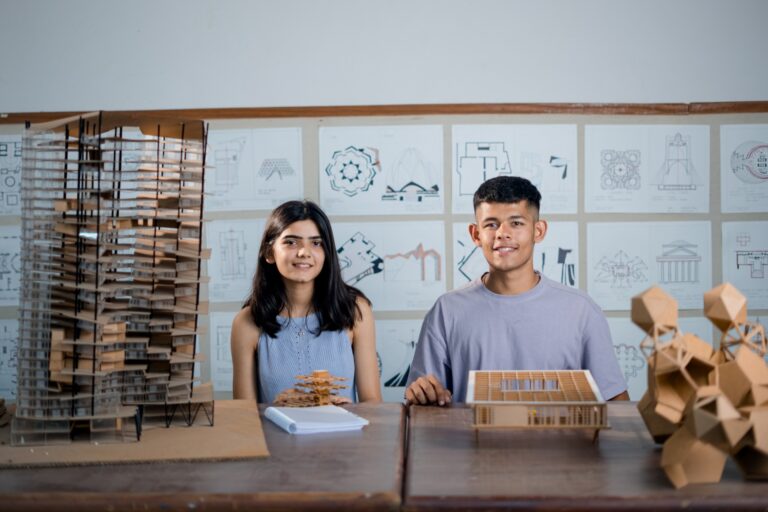
Explore key factors that set leading private engineering institutes apart, from hands-on learning to future-skills labs and industry readiness.
The employability rate of B.E. and B.Tech graduates in India stands at 70.2%. (2026 NITI Aayog report) This means that getting an engineering degree alone may not be enough. Students also need practical skills to prepare for the job market.
When students look for the top private engineering colleges in India, they often check placements, courses, and campus facilities. However, what makes a college different is how well it prepares students for real engineering work.
Why Does Practical Learning Matter More Than Just Classroom Teaching?
Engineering is a subject where students must understand how things work. Reading textbooks is important, but using that knowledge is equally necessary.
Good engineering colleges give students chances to work on machines, software, circuits, and real projects. For example, a mechanical engineering student should learn how to design machine parts instead of only studying drawings.
Similarly, computer science students should get opportunities to write programs, build applications, and solve coding problems.
Practical learning also helps students understand their mistakes and find better solutions. These experiences can make them more confident during internships and job interviews.
What Facilities Should Students Look for in an Engineering College?
A good engineering college must have facilities that support learning beyond regular classes. Students should check whether the college has the following:
- Modern laboratories: Equipment and tools for practising engineering concepts.
- Computer facilities: Updated systems and software for coding, design, and research.
- Project spaces: Areas where students can create and test their ideas.
- Library facilities: Access to useful books, journals, and online learning materials.
Students should also check whether these facilities are regularly available for practical sessions.
How Do Industry Connections Make Engineering Education Better?
Engineering companies look for graduates who can understand workplace problems and use their knowledge to solve them.
This is why industry connections matter when choosing a college. Guest lectures, factory visits, live projects, and internships help students learn how companies work.
For example, an electrical engineering student who visits a manufacturing unit can understand how electrical systems are used in daily operations.
Such experiences also help students discover which engineering field interests them most.
What Kind of Placement Support Should Engineering Students Expect?
Placement support should begin before the final year. Students need enough time to improve their technical knowledge and communication skills.
When comparing colleges, students can check these areas:
- Aptitude training: Practice for common recruitment tests.
- Interview preparation: Guidance for technical and HR interviews.
- Internship assistance: Opportunities to gain workplace experience.
- Career guidance: Support for choosing jobs or higher studies.
Students should also ask for branch-wise placement records, the number of students placed, and the types of companies visiting the campus.
How Does Parul University Support Modern Engineering Education?
Students who wish to study at a top university for engineering should look at the courses, learning facilities, and career opportunities available.
Parul University offers engineering education through its Faculty of Engineering and Technology. Students can explore B.Tech and M.Tech programmes across different specialisations.
The university provides learning opportunities in areas such as Artificial Intelligence, Cyber Security, Robotics, Electric Vehicles, and other engineering fields.
Its Lakshya 2047 future-skills centre offers facilities for learning technologies such as cloud computing, robotics, and industrial automation.
Parul University also supports students through internships, industry projects, and training and placement activities.
Students interested in developing their own products can explore its entrepreneurship and innovation support facilities.
These opportunities allow students to gain experience beyond classroom learning. However, students should check the latest course details, eligibility, fees, and placement information before applying.
Why Should Students Think About Their Career Goals Before Choosing a College?
Not every engineering student wants the same career. Some want to become software developers, while others prefer research, manufacturing, or starting a business.
Students should first understand their interests and then compare engineering branches. They can also speak with teachers, working engineers, and current students before making a decision.
Choosing the right engineering college is an important beginning. The next step is making good use of every project, practical session, and opportunity available during those four years.