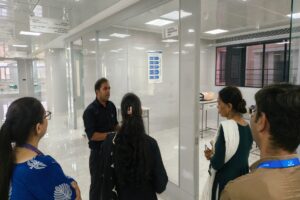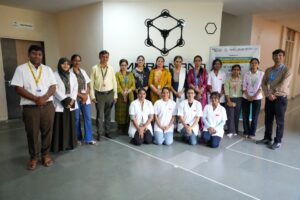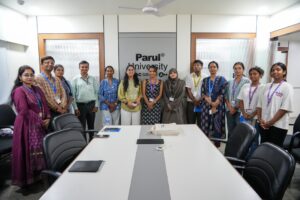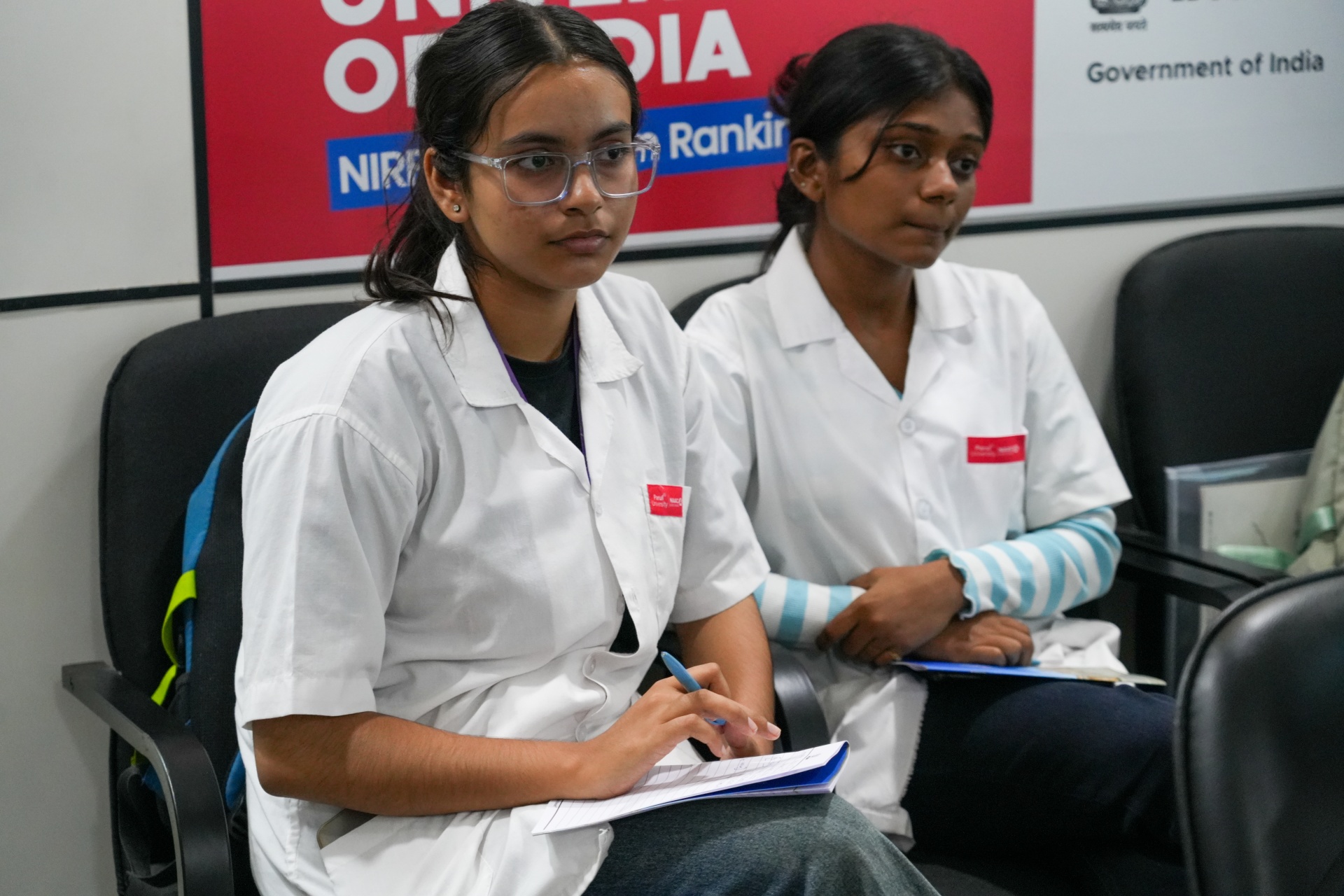
Dr Puja Sandhbor – DST Inspire Faculty at the Tata Memorial Centre, ACTREC, research & education in cancer. She visited MNRDC, Parul University to attend a 3-day hands-on workshop on Microbial Cell Factories on 12th June 2026. She delivered an expert session on Emerging Applications of Nanomedicine and Biopolymers in Cancer Therapy. She spoke on bench to bedside translation, spoke on global cancer challenges, historical revolution of nanomedicine from liposomal DOXIL to mRNA COVID Vaccines and showcased her research on glioblastoma and breast cancer nanomedicine, and how the active role of biopolymers in cancer therapies.
The workshop master hub coverage is at the MNRDC Microbial Cell Factories Workshop article, with the parallel technical tracks documented at the MIC Antimicrobial Assay article and the Microalgae Cultivation article. The Day 3 industry expert session by Dr Sanjiv Kumar Mishra on Spirulina manufacturing is documented at the Sea Pearl Biotech session coverage. Tata Memorial Centre is available at tmc.gov.in, ACTREC is available at actrec.gov.in and DST – Inspire Faculty Programme is exclusively operating under the Department of Science & Technology.
Core challenges in Cancer - why basic therapies fall short!
Dr Puja Sandhbor started the session with a global cancer scenario which has a burden at all the levels. Approximately, 20 million new cancers are diagnosed globally every year. The session started with figures that matter the most, it challenged the basic limitations of conventional chemotherapy via 4 mechanisms.
- Firstly, drug resistance arising from tumour heterogeneity, wherein genetical and phenotypical cell populations amidst one single tumour responds very differently to the legalised chemotherapy sessions.
- Secondly, efflux of chemotherapeutic drugs from tumour cells via peak activities of ATP-binding cassette (ABC transporters), actively pumps up the drugs out of cells just before concentrations arise.
- Thirdly, the immunosuppressive tumour in the microenvironment, eventually decreases immune-based tumour clearance mechanisms.
- Fourth, the normal tissue toxicity, wherein standard chemotherapeutic agents damages healthy & cancer cells, leading to the production of side effects.
To be precise, these 4 mechanisms collectively elaborate all the approaches of chemotherapy. The approaches are producing uneven outcomes across all the patient & tumour types, and the session was hosted in a way to spread awareness about the emergence of precision medicine as the prime response. Students learnt that patients receive the correct drug at the right time, followed by apt treatments guided by molecular characterisation, instead of generic disease bifurcation!
The FDA approval timeline: how cancer therapy has evolved
Dr Sandhbor traced the cancer therapy approval timeline across the past three decades. Notable FDA approvals span Rituximab (1997, the first chimeric monoclonal antibody approved for cancer), Imatinib (1999, the BCR-ABL tyrosine kinase inhibitor that transformed chronic myeloid leukaemia treatment), Gefitinib (2003, the EGFR tyrosine kinase inhibitor for non-small cell lung cancer), Bevacizumab (2004, the anti-VEGF monoclonal antibody for multiple cancer types), CAR-T cell therapy (2011 onward, chimeric antigen receptor engineered T-cell therapies), and the more recent combination therapy with Atezolizumab and Bevacizumab for advanced hepatic cancer.
The progression illustrates the broader shift from cytotoxic chemotherapy toward targeted therapy, immunotherapy, and combination approaches that exploit specific molecular features of tumour cells. Continued unmet medical needs remain across many cancer types, with ongoing research developing the next generation of therapies that will enter clinical practice over the coming decade.
Introduction to nanomedicine: nanoscale drug delivery
Dr Sandhbor defined nanomedicine as the application of nanotechnology to medicine, with the field operating at the nanometre scale (approximately 1 to 1,000 nanometres). The historical milestone for nanomedicine in public awareness was the COVID-19 vaccine development of the 2020s, where lipid nanoparticle (LNP) based delivery enabled mRNA vaccine platforms including the technologies underlying widely deployed COVID vaccines.
- Lipid nanoparticles (LNPs). The delivery platform that enabled mRNA COVID vaccines. LNPs encapsulate fragile mRNA cargo and deliver it intracellularly while protecting against enzymatic degradation in the bloodstream.
- Phospholipid bilayer vesicles that can encapsulate hydrophilic drugs in the aqueous core and lipophilic drugs in the lipid bilayer. The pioneering nanomedicine platform with the longest clinical track record.
- Polymeric nanoparticles. Synthetic polymer-based delivery systems offering controlled drug release through polymer degradation kinetics.
- Block copolymer micelles. Self-assembled structures formed from amphiphilic block copolymers, with hydrophobic cores that can encapsulate poorly water-soluble drugs.
- Drug formulations at nanoscale particle size, improving dissolution rate and bioavailability of poorly soluble drugs.
- Gold nanoparticles (AuNPs). Inorganic nanoparticles with applications across drug delivery, imaging, and photothermal therapy.
- Quantum dots (metal). Semiconductor nanocrystals with unique optical properties for imaging and theranostic applications.
- Magnetic nanoparticles. Particles enabling magnetic field-guided drug delivery and magnetic resonance imaging contrast.
- Highly branched, monodisperse polymeric structures with defined molecular architecture for precision drug delivery.
Nanoparticle transport mechanisms: protein corona, MPS clearance, passive and active targeting
A significant portion of the session covered how nanoparticles navigate the body after intravenous administration. Dr Sandhbor explained the challenges posed by the protein corona effect (where serum proteins coat nanoparticles upon entering the bloodstream, altering their effective surface chemistry and biological behaviour) and clearance by the mononuclear phagocyte system (MPS, also known as the reticuloendothelial system, which removes foreign particles from circulation through macrophage activity in liver, spleen, and lymphatic tissues).
- Passive targeting. Exploits the Enhanced Permeability and Retention (EPR) effect where tumour vasculature shows increased porosity compared to healthy tissue, allowing nanoparticles to accumulate preferentially in tumour sites through size-dependent extravasation.
- Active targeting. Uses surface modifications on nanoparticles (antibody, aptamer, peptide, or other targeting ligand) to specifically bind tumour cell surface receptors. Active targeting enables precision delivery to specific cancer types while minimising off-target accumulation in healthy tissue.
- Surface functionalisation strategies. PEG linkers (extending blood circulation time by reducing protein corona formation), fluorescent probes (enabling imaging and tracking of nanoparticle distribution), targeting moieties (antibodies, aptamers, peptides for active targeting), and stimulus-responsive groups (pH-sensitive, redox-sensitive, or temperature-sensitive elements for triggered release at the tumour site).
Liposomes and the DOXIL success story: the first nanomedicine approval
Dr Sandhbor highlighted liposomes as the pioneering success story of nanomedicine. The discovery of liposomes by Bangham in 1960 began the evolution of liposome technology. PEGylated liposomes (with polyethylene glycol surface coating) emerged during the 1980s, extending blood circulation time by reducing MPS clearance. The first FDA-approved liposomal product was developed during this period.
DOXIL (doxorubicin HCl liposome injection) is the first nano-drug approved by the FDA. Doxorubicin is a highly effective anthracycline chemotherapy agent with substantial cardiotoxicity that limits its clinical dose. Liposomal encapsulation of doxorubicin in DOXIL significantly reduces cardiotoxicity by altering pharmacokinetic distribution, while enhancing tumour accumulation through the EPR effect. The DOXIL approval pathway established the regulatory and commercial foundation for subsequent nanomedicine development. The lipid nanoparticle (LNP) based mRNA COVID-19 vaccines of 2020 represent the most prominent recent application of liposomal-type technology.
Precision therapy: the paradigm shift toward stratified and individualised treatment
She even reframed precision therapy as the primary paradigm shift that navigates from broad-spectrum via treatment. The precision based medicine interlinks genomics, proteomics, holistic lifestyle, history of health, and biomarkers, followed by the final treatment decision. The diagnostics bifurcates patients based on molecular classification, which approves identification of the correct therapy based on the patient’s tumour history.
This precision framework exclusively operates on one single thing – cancer isn’t a single disease but a heterogeneous collection of molecular subtypes which respond differently to intervention. Hence, treatment is finalised on molecular bifurcation, it produces better results.
Research focus: glioblastoma, the blood-brain barrier, and tumour heterogeneity
Dr Sandhbor presented clinical evidence on glioblastoma, the most aggressive primary brain tumour. Median survival rates range from 12 to 15 months, with five-year survival less than 7 percent. Despite aggressive combination treatment including surgery and chemoradiation, patient prognosis remains poor. The treatment challenges include the blood-brain barrier (BBB) blocking most therapeutic agents from reaching brain tumour sites, extreme variability among individual tumours, and the over 90 percent recurrence rate after first-line treatment.
Dr Sandhbor presented her own published research on actively targeted nanoparticles for precision therapy (Nanoscale, 14(1), 108-126, 2021), demonstrating cell-type-specific uptake of functionalised nanoparticles in glioblastoma models. Her group’s work on spatial-specific nanoparticle delivery systems to combat breast tumour heterogeneity (Wang et al., Journal of Controlled Release, 348, 2022) showcased pH-responsive nanoparticles delivering drugs selectively to different tumour zones. The biopolymeric gel work for targeted treatment of residual glioblastomas (Nanoscale, 14, 12773-12788, 2022) demonstrated how nanoparticles entrapped inside alginate hydrogels positioned at tumour resection sites support localised drug delivery against residual cancer cells, with survival curve data showing the superiority of nanoparticle-loaded hydrogel formulations over controls.
Biopolymers as nature-inspired therapeutic platforms
The session expanded into biopolymers, the natural polymers employed for biomedical applications. Dr Puja Sandhbor briefly explained a massive range of biopolymers family, covering hyaluronic acids, chitins, chitosans, celluloses, collagens and gelatins.
– Biocompatibility – Natural polymers often integrate with biological tissue instead of triggering rejection or immune response, followed by the support of their use as implant materials & drug delivery vehicles.
– Biodegradability – Natural polymers degrade via enzymatic or hydrolytic pathways into non-toxic metabolites and that leads to the decrease of surgical retrieval that synthetic non-degradable implants need.
– Non – immunogenicity – The natural polymers never trigger immune based responses, followed by the holistic support of chronic conditions and repetitive dosing applications.
– Fabrication platforms – Biopolymers are supporting diverse fabrication approaches that cover hydrogels, electrospun scaffolds, wafers, implants and microchips for drug based deliveries.
Workshop participant impact and Lakshya 2047 collaboration
Dr Sandhbor’s session provided workshop participants with the bridge between the upstream biological tools they had been practising (microbial cell culture, pigment extraction, lipid production) and the downstream clinical applications in oncology. The session reinforced the workshop’s core message that microbial cell factories operate within a broader translational pipeline reaching from laboratory bench to clinical bedside. Participants gained an inspiring view of how the methods they were now learning could eventually contribute to clinical applications across cancer therapy and adjacent therapeutic areas.
Following the workshop session, Dr Sandhbor visited the Lakshya 2047 location and met with the MNRDC research team to discuss possible collaborations and future research directions extending beyond the workshop scope. The collaboration pathway connects Parul University’s MNRDC research infrastructure with the Tata Memorial Centre ACTREC research network, with the partnership potentially supporting future joint research projects, doctoral co-supervision arrangements, and translational research initiatives in cancer nanomedicine.
Institutional context: MNRDC and translational research at Parul University
The MNRDC at Parul University houses the advanced characterisation infrastructure required for nanomedicine research, including scanning electron microscopy, atomic force microscopy, X-ray diffraction, and the broader instrument suite supporting nanoscience. The Faculty of Pharmacy at Parul University includes three Stanford-Elsevier global top 2 percent scientists working on pharmacology and drug delivery themes that intersect directly with Dr Sandhbor’s session content: Dr Mange Ram Yadav (Senior Professor Research, Faculty of Pharmacy, h-index 36, Medicinal and Biomolecular Chemistry), Dr Deep Pooja (Associate Professor, Faculty of Pharmacy, h-index 37, Pharmacology and Pharmacy with focus on polymers and drug delivery systems), and Dr Bhupendra Gopalbhai Prajapati (Professor Research Cadre, Faculty of Pharmacy, h-index 34, Pharmacology and Pharmacy, Oncology and Carcinogenesis).
Parul University holds Top 10 in India for SDG 3 (Good Health and Well-Being) in the Times Higher Education Sustainability Impact Ratings 2026. The 7 NABH-accredited hospital network, including Parul Sevashram Hospital at 1100+ beds, anchors clinical translation pathways for nanomedicine and oncology research. The institutional Rs 58.31 crore in government-funded research projects across 315 funded projects supports the broader research environment that translational research engagements like Dr Sandhbor’s session operate within.
FAQs
Who is Dr Puja Sandhbor and what did she present at the MNRDC Parul University workshop?
Dr Puja Sandhbor is DST Inspire Faculty at the Tata Memorial Centre Advanced Centre for Treatment, Research and Education in Cancer (ACTREC). The DST Inspire Faculty Programme is administered by the Department of Science and Technology of the Government of India, supporting early-career researchers to establish independent research careers at recognised Indian institutions. The Tata Memorial Centre ACTREC is among India's premier cancer research institutions. Dr Sandhbor delivered the Day 2 expert session at the MNRDC Three-Day Hands-On Workshop on Microbial Cell Factories at Parul University on 12 June 2026. The session, titled Emerging Applications of Nanomedicine and Biopolymers in Precision Cancer Therapy: From Bench to Bedside, covered the global cancer challenge, the historical evolution of nanomedicine from liposomal DOXIL to mRNA COVID vaccines, the mechanisms of nanoparticle transport and tumour targeting, her own research on glioblastoma and breast cancer nanomedicine, and the emerging role of biopolymers in localised cancer therapy.
What is glioblastoma and why is it difficult to treat?
Glioblastoma is the most aggressive primary brain tumour, with median survival rates of 12 to 15 months and five-year survival less than 7 percent despite aggressive combination treatment including surgery and chemoradiation. The treatment challenges arise from three principal factors. First, the blood-brain barrier (BBB) blocks most therapeutic agents from reaching brain tumour sites, limiting the effectiveness of systemically administered chemotherapy. Second, glioblastoma tumours show extreme variability among individual tumours and within single tumour masses, making one-size-fits-all therapy ineffective. Third, over 90 percent of glioblastomas recur after first-line treatment, with the residual cancer cells in the surgical resection bed driving recurrence. Dr Puja Sandhbor's research includes work on biopolymeric hydrogels for localised drug delivery at tumour resection sites, with nanoparticles entrapped inside alginate hydrogels positioned at the surgical cavity to deliver drugs locally to residual cancer cells, significantly extending survival in preclinical models. The work was published in Nanoscale (14, 12773-12788, 2022).
How does Dr Puja Sandhbor's session connect to the broader MNRDC workshop and Parul University research?
Dr Puja Sandhbor's nanomedicine session connected the upstream microbial cell factory work that workshop participants were practising (cell culture, pigment extraction, lipid production) to the downstream clinical applications in oncology. The cellular materials and biopolymers students extracted from microalgae through the Bligh and Dyer protocol are the foundational substrates for therapeutic nanoparticle development. The biopolymer families covered in Dr Sandhbor's session, including alginates, hyaluronic acids, chitosans, celluloses, and collagens, are derived from natural sources that parallel the microalgal cell factory framework. At Parul University, three Stanford-Elsevier global top 2 per cent scientists work on adjacent themes: Dr Mange Ram Yadav (h-index 36, Medicinal and Biomolecular Chemistry), Dr Deep Pooja (h-index 37, Pharmacology and Pharmacy with a focus on polymers and drug delivery systems), and Dr Bhupendra Gopalbhai Prajapati (h-index 34, Pharmacology and Oncology). Parul University holds Top 10 in India for SDG 3 (Good Health and Well-Being) in the Times Higher Education Sustainability Impact Ratings 2026, with the 7 NABH-accredited hospital network, including Parul Sevashram Hospital at 1100+ beds anchoring clinical translation pathways. Following the workshop session, Dr Sandhbor visited the Lakshya 2047 location and met with the MNRDC research team to discuss future collaboration directions.