90 Years, 3 Generations, One Business at YEEP 2026, Parul University!
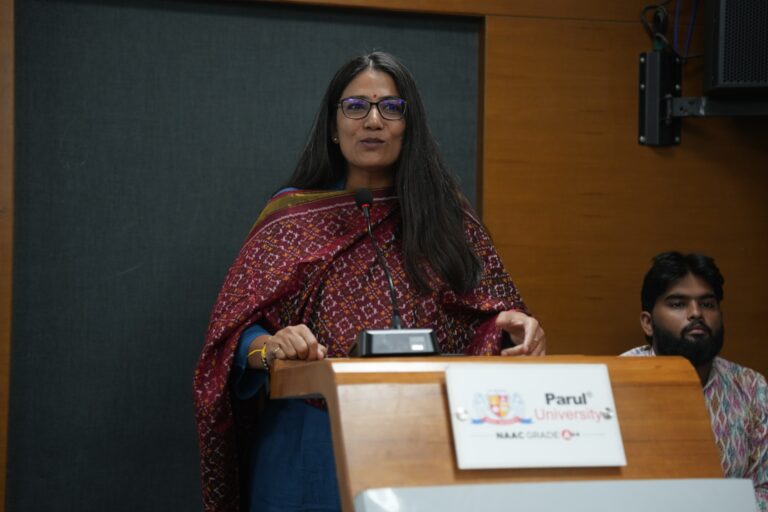
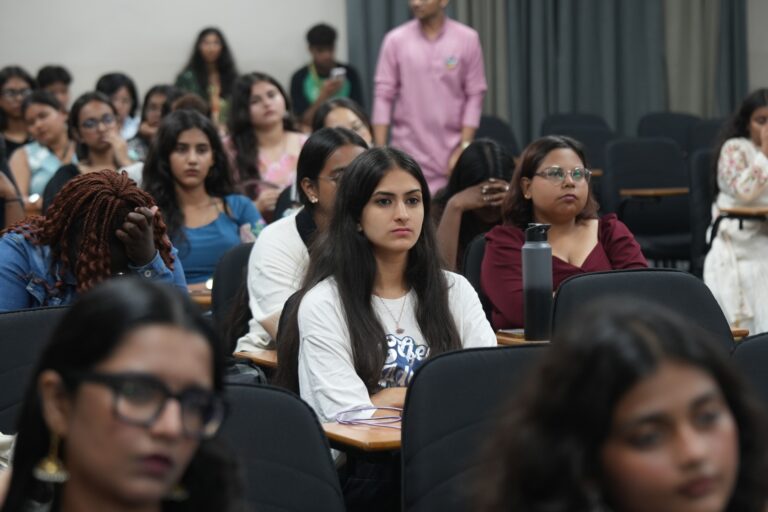
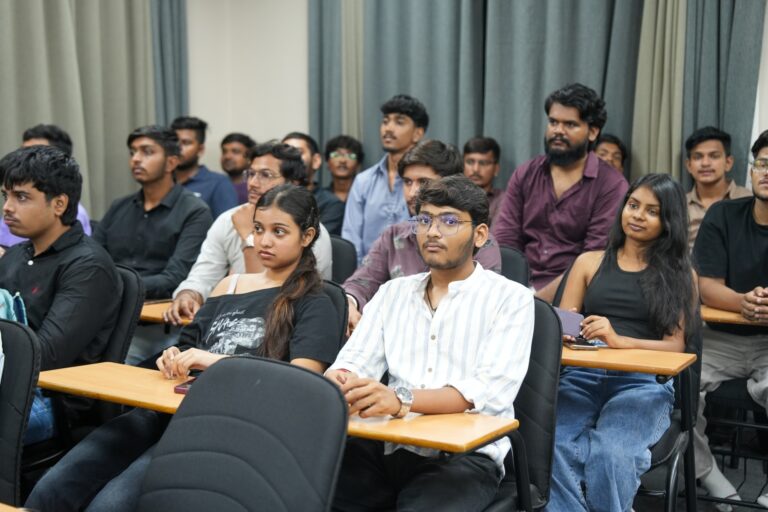
We usually study innovation through young startups. But almost all the major lessons come to us from adapting and learning again and again. At the YEEP 2026 at Parul University, the globally-revered founders of J.P. Perfumery Works – a prestigious fragrance and incense house running since 1934, shared how their family business keeps innovating & evolving. No matter what era it is, they believe in building something that’s meant to last!
The Power of a Story and a Standard
Tracking back to their roots in 1934, this business was started by their grandfather. He started with a modest shop selling incense, aromatic oils and elixirs. From the very beginning, their quality chart was always upwards that even royal people brought from him directly. They’re a classic example of how heritage quality can be safeguarded in this competitive market. Their first lesson of a legacy business is to know your story, protect that standard and keep upgrading it.
Each Generation Must Add Something New
A legacy survives only when each generation contributes rather than merely inherits. In this family, the present generation, brothers Hardik Buddhdev and Yash Buddhdev, did exactly that. Hardik, trained formally in aroma and organic chemistry at a specialist government institute in Kannauj, brought technical depth and created new incense products from scratch. Yash, unusually a trained theatre actor, brought marketing instinct, packaging, and an eye for how a traditional product should be presented to a modern consumer. Neither simply ran the old shop; each added a capability the business did not have before.
A legacy is not something you inherit and protect; it is something each generation must earn again by adding to it.
– Hardik & Yash Buddhdev
Modernise the Product, Keep the Purpose!
The clearest innovation was turning a traditional strength into a modern advantage. Observing that this entire market relies on synthetic chemicals, the founders focused on purity, and on developing clean yet organic products. They started introducing eco-friendly Holi colours (easy to remove from face), by carrying traditional yet modern values attached. They even believed in modernising the positioning of the products but the sentimental value must hold the real context. That is the balance a legacy business must strike: change the form, keep the purpose.
Find the Big, Overlooked Market
Legacy businesses often sit inside surprisingly large markets that outsiders underestimate. The founders noted that the Indian incense and fragrance market is vast, valued in the thousands of crores and growing steadily each year, yet much of it competes on price with synthetic products. By competing on purity and quality instead, a heritage brand can occupy a premium position that price-cutters cannot reach. For any founder, the lesson is to look again at “boring” traditional markets; scale and opportunity often hide there. If you’re equally passionate about driving growth, innovation and sustainable leadership for your family business, discover Parul University’s MBA in Innovation Entrepreneurship and family owned Business and scale your ecosystem, nationally & internationally!
Key Takeaways for Founders & Startup Enthusiasts
- Heritage is a moat: A real, hard-won standard of quality is hard to copy, so protect it.
- Add, do not just inherit: Each generation should bring a new capability to the business.
- Change form, keep purpose: Modernise products and marketing around an unchanging core value.
- Mine traditional markets: Large, overlooked opportunities often sit in familiar, “old” industries.
These are lessons Parul University’s PIERC works to instill in student founders that innovation is not only about inventing the new, but about renewing what already has value.