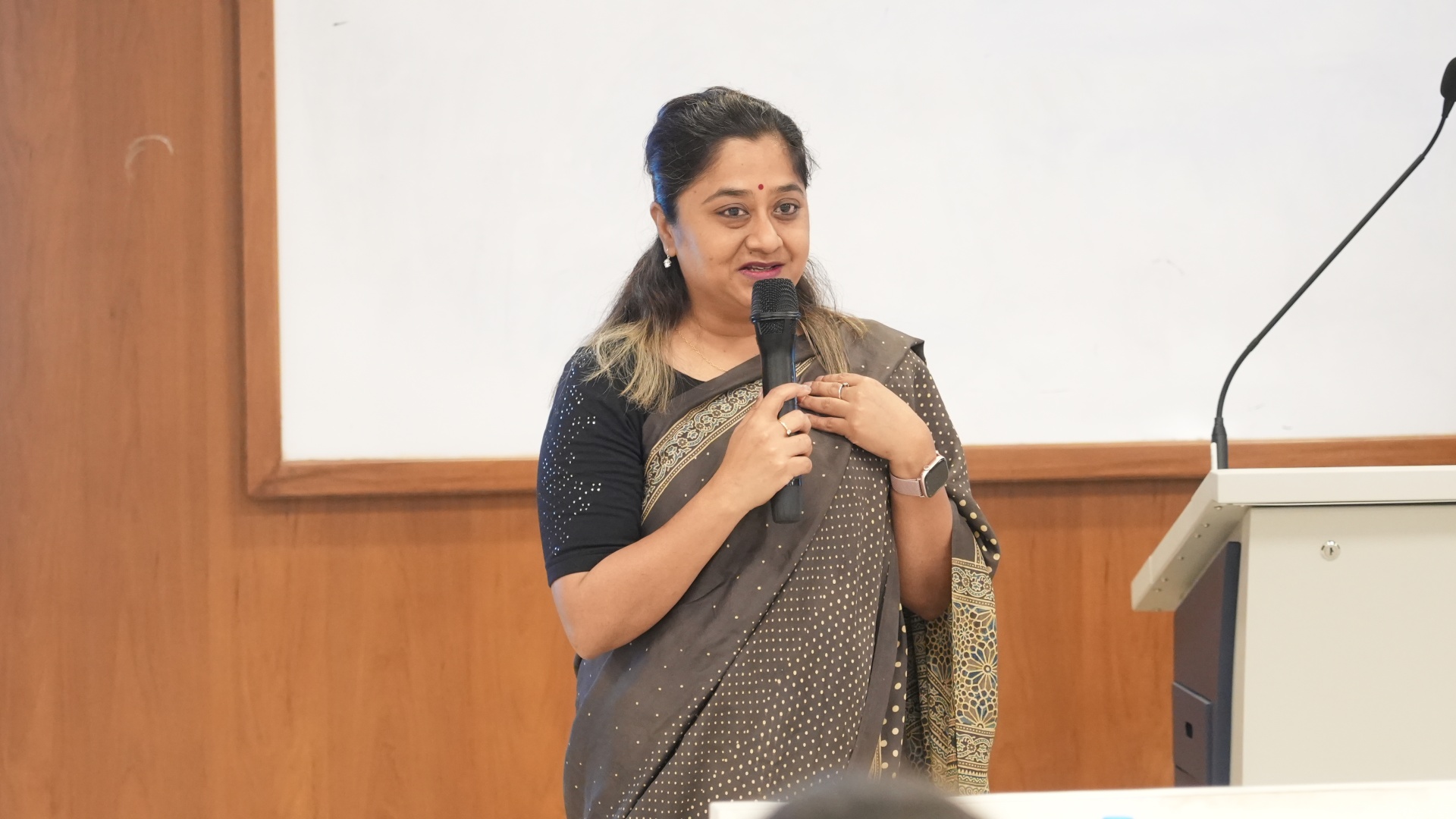
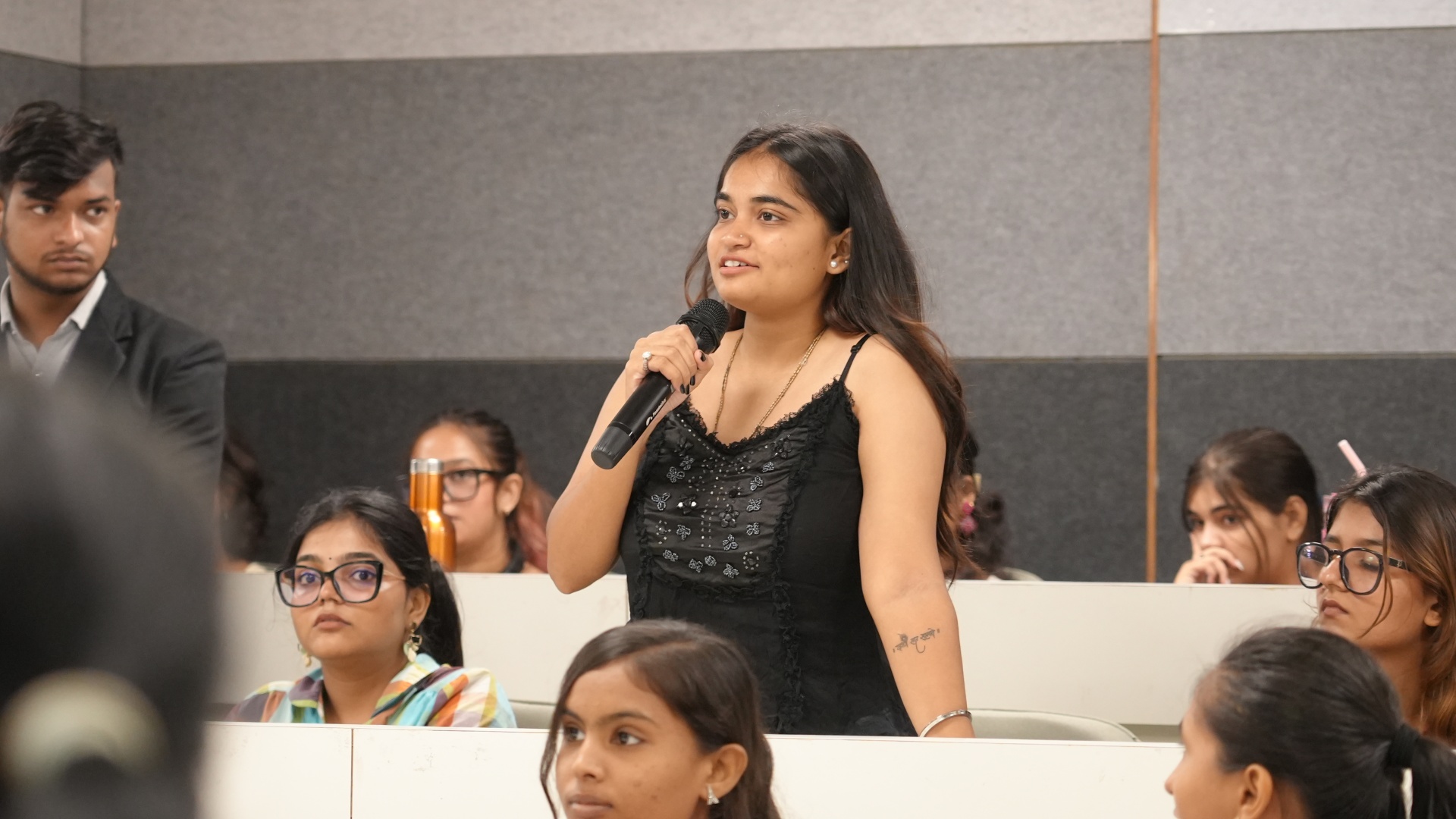
When students at Parul University asked Anindita Sardar, Design Head at Titan Company, how to prepare for a career in fashion and design, her advice was refreshingly grounded- not a checklist of everything to master, but a clear sense of where to start. Drawing on 26 years across the industry, here is what she told them.
Find What Genuinely Interests You
It is necessary to start with what interests you. Sardar gave advice not to plan to specialise in everything at once. You should explore industry-related areas; the fashion industry is filled with many other fields such as design, merchandising, retail, communication, supply chain and more. When you think of becoming good at all of these fields, you reach nowhere. Rather, find an area that interests you more than others, and work towards that; try to work deeply in it. Real focus on something you actually care about beats shallow familiarity with everything.
Research Your Field and Get Real Exposure
When you have found out what interests you, work on researching it deeply. The next step is to gain practical exposure. Sardar emphasised taking up internships and hands-on experience in the industry that will help students know more about the field they like, because the creative industry can be learned more through practical work. With real experience, candidates gain experience of how the industry works, how day-to-day activities are performed, what genuinely suits them, and they learn about it before they think of making a career in it. This kind of experiential learning is where classroom knowledge becomes professional judgement.
For Craft-Led Work, Embrace the Field
Sardar had a specific message for students drawn to craft led work: be ready for the field. Working with artisan communities often involves extensive travel and the ability to adapt to environments very different from a conventional corporate office. Craft lives where the artisans are, in villages, workshops, and clusters, and doing this work well means being comfortable there, not just at a design desk. For the right person, it is one of the most rewarding paths in the industry.
Build Your Network Patiently
On networking, Sardar was realistic. Professional networks are not built through a single approach or event; they develop gradually, through genuine interaction, practical experience, and consistent engagement. She advised students to start where they are, building relationships with peers, seniors, and professionals already working in the industry. Over time, and with steady, sincere effort, those relationships become a network. The students who invest in it early, and authentically, benefit for years.
Remember: The Industry Needs More Than Designers
Finally, it is worth remembering that a career in fashion does not have to mean being a designer. As Sardar emphasised throughout her session, building great products and brands requires merchandising, retail, communication, supply chain, finance, and customer management- a whole ecosystem of roles. Students at Parul University’s Faculty of Design have gone on to varied paths, from fashion design and marketing to fashion merchandising and production. Whatever your strength, there is a place for it in this industry.
FAQs
What is required to make a career in fashion and design?
To make a career in fashion and design, don't push yourself to specialise in all the fields; work on finding what interests you more. Once you know what your area of interest is, try to gain experience in the field through internships, research well in the field, work with senior professionals, observe how daily activities are performed and be open to the many roles beyond design, from merchandising to communication, that the industry needs.
What skills should one have for the fashion industry?
Beyond creative or technical ability in your chosen area, the industry values practical exposure, adaptability (especially for craft-led work involving travel and fieldwork), and strong professional relationships. Because fashion spans design, merchandising, retail, supply chain, and more, the most useful first step is depth in what genuinely interests you.
Is it necessary to do networking in the fashion field?
Very. Professional networks open doors, but they are built gradually through genuine interaction, practical experience, and consistent engagement, not a single event. Starting early by building relationships with peers, seniors, and industry professionals, and nurturing them sincerely over time, pays off throughout a career.