Cloud computing is understood as platforms like AWS, Azure, and Google Cloud. But if you go deeper, cloud native is broader. It is an approach to building and deploying modern applications to the cloud in a defined, structured, secure, and easy manner. Multinational companies make software consistently and at scale. The important part is that simply delegating an app to AWS does not make it cloud native. What makes it cloud native is the way it is built and delivered. It should be done with proper processes, automation, and controls around it.
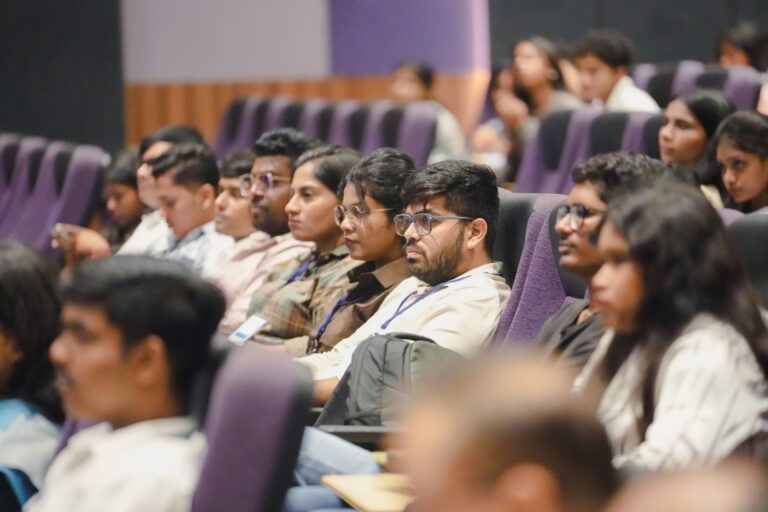
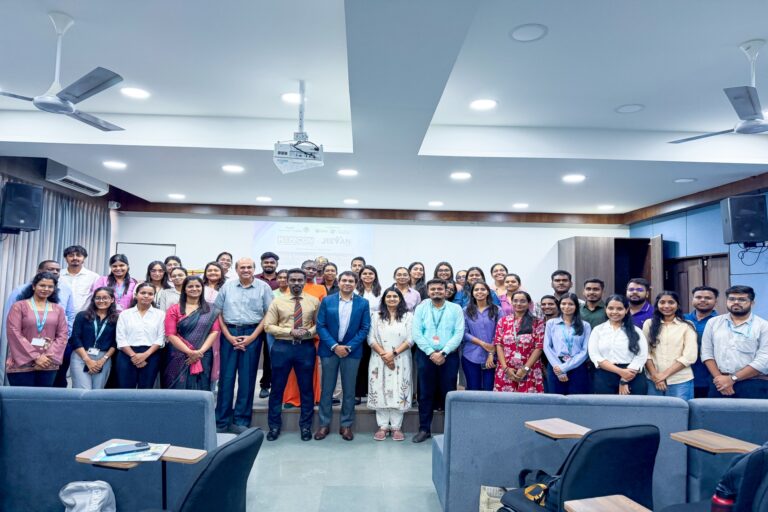
“Cloud native” is one of the most used and least understood terms in modern software. At a cloud-native session hosted by the AWS Student Builder Group at Parul University, one speaker asked a room full of students how many knew what it actually meant, and only a couple of hands went up. That is the right place to start, because cloud native is not just a buzzword for “using the cloud.” It is a distinct way of building software.
The Four Pillars of Cloud Native
A cloud-native approach rests on four core ideas, each of which has its own deeper explainer in this series:
- Microservices: breaking an application into small, independent services rather than one large, fragile whole.
- Containerisation: packaging each service so it runs consistently anywhere; the job of Containers and Docker.
- Orchestration: managing many containers automatically, which is what Kubernetes does.
- CI/CD pipelines: automating how code is built, tested, and released, a core part of Devops.
Why Cloud Native Matters
Cloud-native architecture is essential because it offers practical benefits: scalability and resilience to failures. Companies and organisations that are cloud-native have plans in place, which prevents them from dealing with disasters rather than being caught off guard.
It matters because applications are broken into small parts that are deployed independently; they are also easier to manage and can be updated with minimal disruption, rather than requiring a risky change to one giant system. In brief, it can be said that cloud native trades the simplicity of one big application for easy management of small applications.
The CNCF: The Ecosystem Behind Cloud Native
Much of the cloud-native world is organised around the Cloud Native Computing Foundation (CNCF), which operates under the larger Linux Foundation. The CNCF hosts and governs the open-source projects that form the backbone of cloud-native software. Its most famous project is Kubernetes, which was originally built by Google to manage its own applications before being donated to the CNCF, which now governs it alongside well over a hundred other projects. You can browse them all on the public CNCF Landscape, a catalogue of tools by category (observability, CI/CD, databases, messaging, and more) that gives a sense of just how large the ecosystem is.
How Projects Join the CNCF (and How Yours Could)
The CNCF has a clear maturity path, useful to know if you ever build an open-source tool of your own. A new project can enter as a sandbox project while it is still experimental. As more companies adopt and evaluate it, it can move to incubating status, and once it is proven reliable and widely used, it can graduate, the same journey Kubernetes itself followed. It is a reminder that the tools running the world’s software often started as someone’s side project.
Cloud Native Is a Practice, Not Just a Place
Simply deploying to AWS does not make you cloud native. The processes around the deployment are what matter.
– A cloud-native session at Parul University
The most important takeaway is this: cloud native is defined by discipline, not location. What separates a cloud-native organisation is the presence of continuous integration, continuous deployment, continuous testing, and proper checks and controls. Imagine running your own product: you would not let any developer push untested code straight to live customers on a whim. The approvals, tests, and controlled processes that prevent that are exactly what cloud native is about. This whole series, built from a session supported by the Tinkering Hub at Parul University, unpacks how it all fits together.