Well, the not so comforting reality of entrepreneurship is that most startups fail but the major question is – Why?
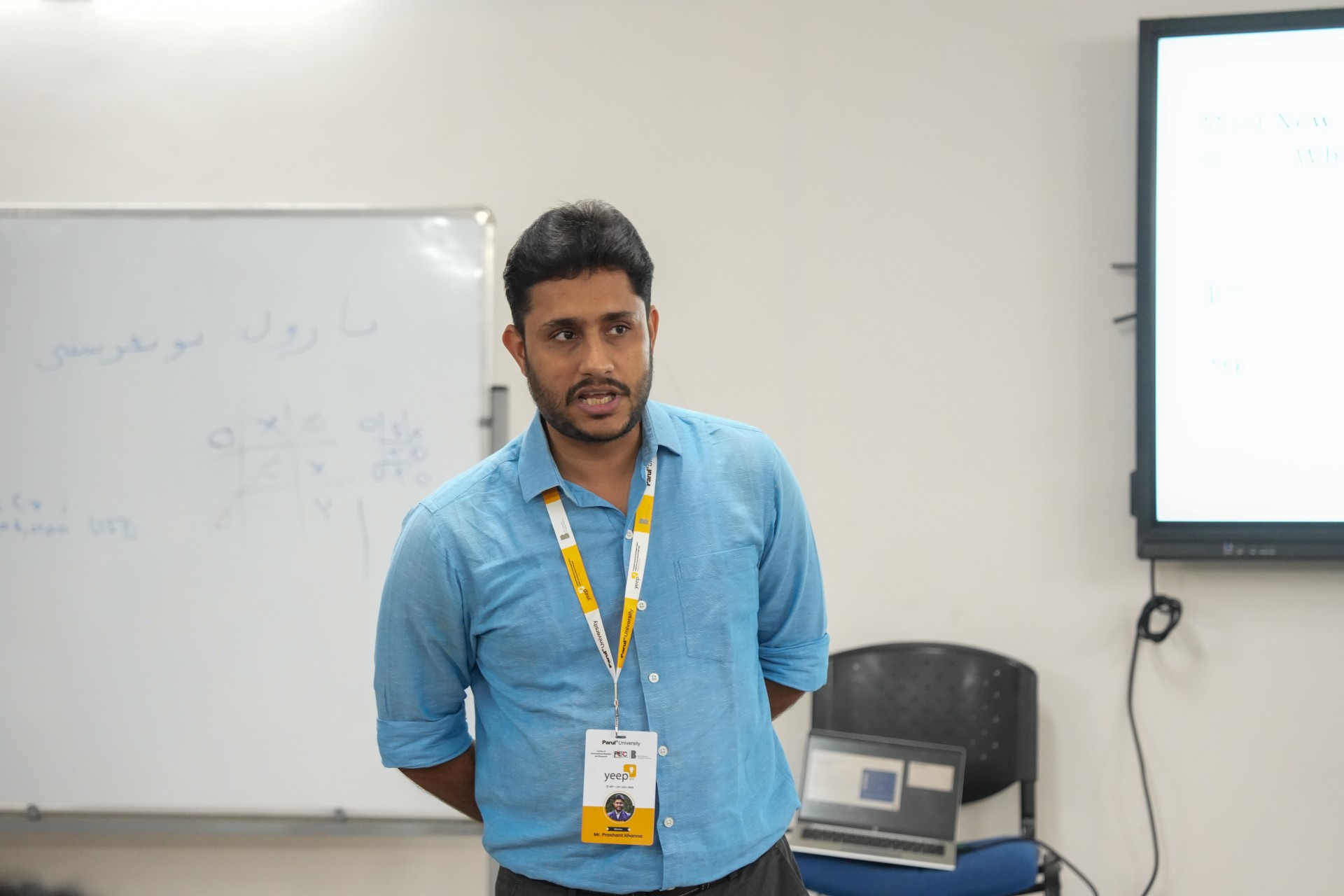
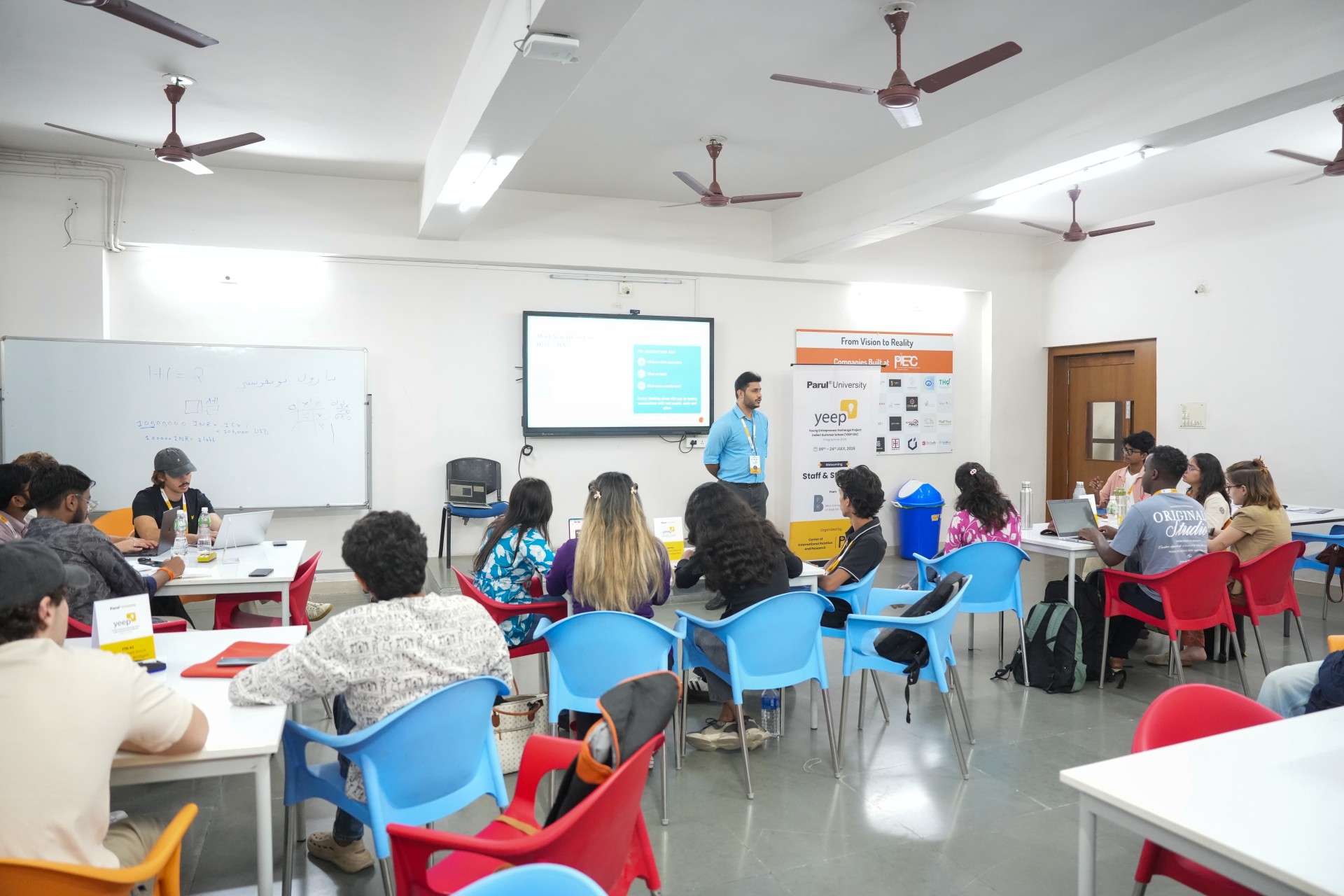
Honestly, it’s easier to blame it onto a weak product but the evidence belongs somewhere else. That gap is all we will discuss and figure out what exactly is lacking. At Young Entrepreneur Exchange Program (YEEP) 2026 at Parul University, Mr. Prashant Khanna focused on these gaps and presented data from the original survey of 101 startups. Let’s see what those figures say!
The very first reason - Zero Market Demand
This is one of the most trending reasons why startups fail? So basically, startup founders fall in love with their own idea and are super-convinced that their idea is excellent without acknowledging the fact of market research or demand. In reality, the market has no such real need for it and that’s the gap for most failures. A product that’s built on an assumption can never work as no matter how perfectly it’s engineered or coded, it will fail!
#YEEPEntrepreneurship2026 – Your idea is cool. Can it actually become a business?
The Second Reason: Running Out of Cash
The second major reason is running out of money, but the cause behind it is revealing. Startups run after building a product that is unnecessary and that’s when spending time, cash and energy fails. Simply, the cash problem is frequently in demand as the product development is in a different direction. Other contributing factors include mispriced products, being out-competed, weak business models, and scaling too early, but demand and cash sit at the top.
They believe the product they are building is really good, but in the market they find out it is something nobody wants.
– Prashant Khanna, at YEEP 2026
The Third Reason - Assumption
No matter how hard they track, each failure traces back to one single root-cause – a gap between assumption and customer expectations. The only core solution is putting the customer at the centre of everything and then validating each step so the demand is in sync with the time, energy and cost you’re investing. If you too are a startup enthusiast, discover business-focused programs at Parul University such as BBA in Marketing, BBA in Financial Management, BBA in Digital Marketing, and BBA in International Business and build a successful career in entrepreneurship!
The Art of Avoiding Failures
- Validation of demand – This step truly confirms what people want and that’s when they will pay. So focus on that core solution and that’s how validation begins!
- Customer as the top priority – Design an intuitive and strategic strategy, instead of one out of assumptions or gaps!
- Building MVP – Test & validate the core of an idea with a vision before investing time, energy & money!
- Cash management – Learn how to spend the right way and don’t overspend onto the features or on polishing features that aren’t in demand!
- Mentorship & feedback – Experienced mentors & customer feedback will help you with the right gap to fill, take it positively and work on flawed assumptions!
How Parul University and PIERC Help Founders Beat the Odds?
Parul University’s approach through PIERC is built to attack the top failure causes directly: it encourages founders to build from real problems they have observed, validate demand with the campus and market before scaling, and refine their models with mentors. The results speak to the method, more than 300 startups incubated, over Rs 60 crore in revenue, and 1,600-plus jobs created, supported by mentoring, prototyping labs, staged funding, and a market of 70,500-plus students to test ideas on. Students build this discipline in management and entrepreneurship programmes and live programmes like YEEP, where validation comes before the pitch.
FAQs
Why do most startups fail?
The leading reason is a lack of market demand, building a product people do not actually want, followed by running out of cash, often because money was spent building that unwanted product. Most other causes, from poor pricing to scaling too early, trace back to a gap between founders’ assumptions and real customer needs. Besides this, the number one reason is they believe in launching first and then figuring out what’s lacking? Testing demand before building is the safest & most effective way to avoid any failures. Hence, idea validation becomes primary and so is design thinking!
How can a founder avoid startup failure?
Validate demand before building, keep the customer at the centre of design, test with a Minimum Viable Product, spend cash to reduce your biggest unknowns rather than to polish features, and seek mentorship and real customer feedback early. These habits close the assumption gap that causes most failures.
How does Parul University help startups succeed?
Through PIERC, Parul University helps founders build from real problems, validate demand early, and refine their business models with mentors, prototyping labs, and staged funding. Its ecosystem has supported 300+ startups generating Rs 60 crore-plus in revenue and 1,600-plus jobs, and is open to students and external founders alike.