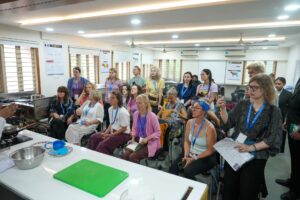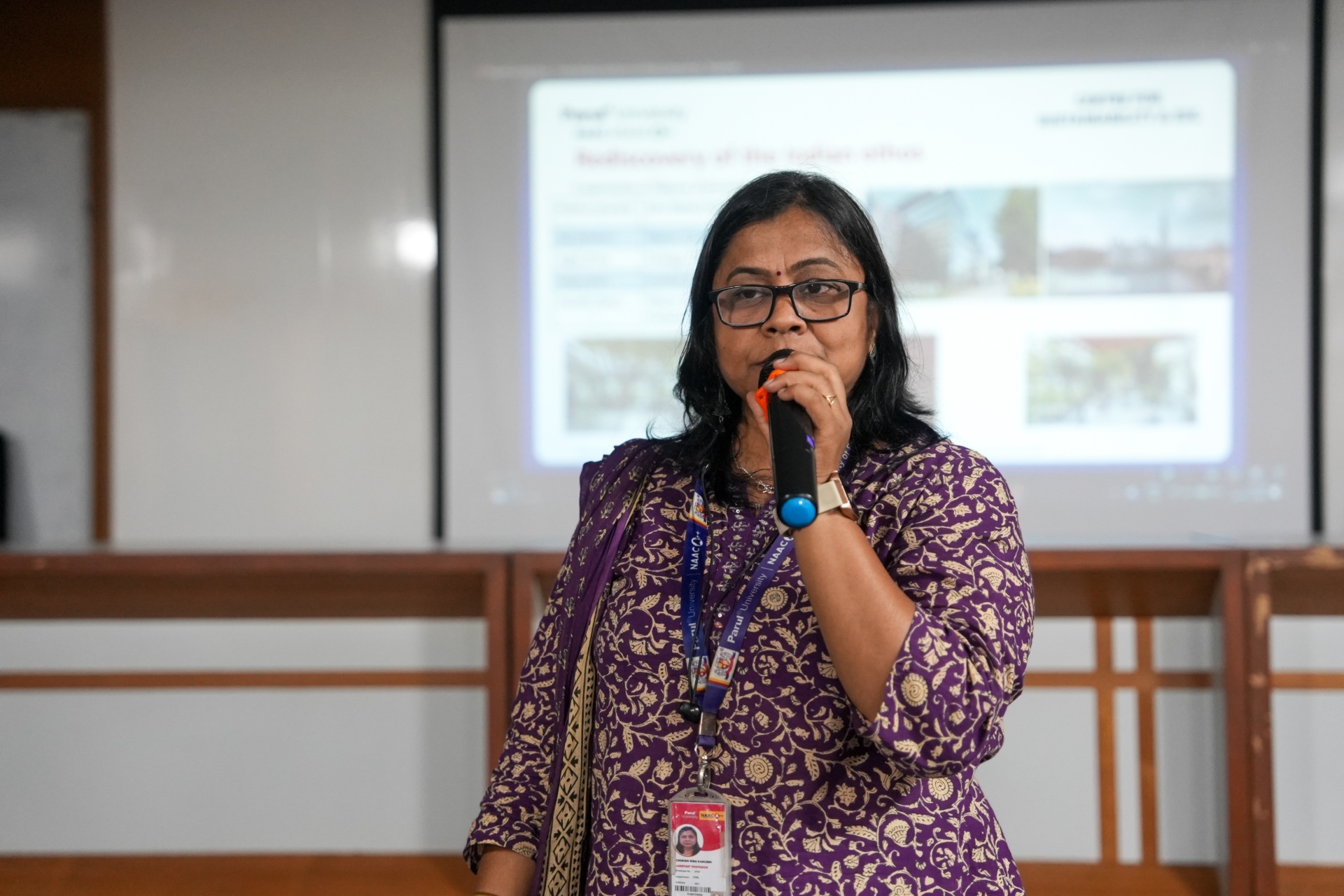
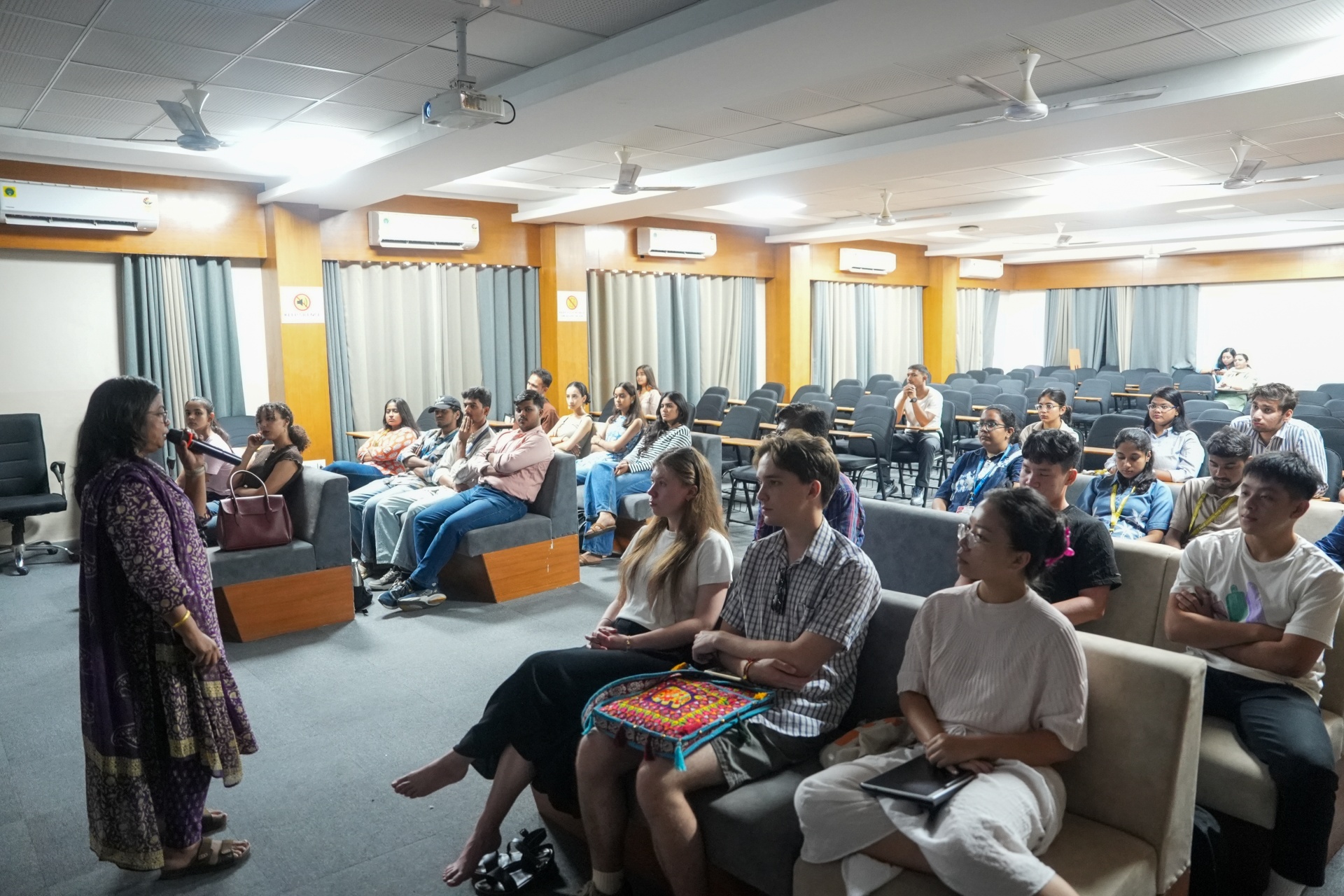

Every year, more international students choose India for their studies, and many arrive with questions about what daily life will actually be like. The best answers come not from a brochure but from students who have lived it. Drawing on the experiences of three international students at Parul University, from Morocco, Russia, and Vietnam, here is an honest guide.
The Biggest Surprise: The People
Ask international students what surprised them most about India, and the answer is remarkably consistent: the warmth and helpfulness of ordinary people. Several arrive with impressions shaped by the internet, only to find the reality far kinder. One student, landing without a local SIM card, asked a stranger for help and was immediately offered his phone’s hotspot. Another found that whenever she stopped a student to ask for directions on a large campus, they would drop what they were doing to help, every single time. “The kind act of an unknown person made me realise that most of the negative things I had believed were untrue,” one recalled. If you take one thing from this guide, take this: the people are the highlight.
Campus Life: Everything in One Place
One pleasant surprise for many is the Indian residential-campus model. Rather than academic buildings scattered across a city (as at many universities worldwide), a large Indian campus often houses classrooms, laboratories, hostels, dining, and recreation all in one place, green, self-contained, and convenient. For an international student far from home, having everything, and a ready-made community, within walking distance makes settling in far easier. Many also notice visible sustainability efforts, from solar panels to green spaces, woven into daily campus life.
The Teaching: Ask Questions
International students often remark on the teaching culture. Where some education systems encourage students to hold back and “think before you speak,” many find Indian faculty actively encouraging questions, urging students not to be shy, and patiently simplifying complex ideas so that everyone, including those without a strong background in the subject, can follow. Just as valuable is the comparative, global framing: sustainability, public health, and policy are often taught by looking across countries, so students learn about the world, and about their own country, at the same time. Expect hands-on projects and real teamwork, not just lectures.
The Food: Spice, and Sweets
Let us be honest about the food: if you are not used to Indian cuisine, it can be spicy, sometimes more than you expect, even in dishes locals consider mild. Most international students adapt within a week or two, and in the meantime find plenty of gentler options: breads, soups, milder dishes, and, in one student’s case, a well-cooked butter chicken that “rescued” dinners. The near-universal favourite, though, is the sweets. From gulab jamun to regional halwas, India’s desserts win over almost everyone, a sweet reward after a spicy meal.
Culture: Festivals, Temples, and Warmth
Studying in India means living its culture. Students describe the joy of experiencing festivals like Holi (the festival of colour) for the first time, the variety of music and dance, and the pull of temple architecture, each one, as one student noted, different from the last. What strikes many is how alive these spaces feel: temples visited daily by ordinary people, full of families and energy, feel less like monuments and more like a living part of the community. For many, the cultural immersion becomes as memorable as the academics. Experience diversity where all cultures celebrate together.
Honest Advice: Take the Leap
The students who came offer consistent advice. Keep an open mind, and try not to let online impressions decide for you; the reality is often warmer than the internet suggests. Expect to adapt, to the food, the climate, a more relaxed sense of time, and know that adapting quickly is part of the experience. And above all, do not let nervousness stop you. As one student who arrived anxious and left grateful put it, it is an opportunity no one should pass up, one that offers, in his words, benefits “from culture to study to projects.” For students weighing the leap, that is perhaps the most honest recommendation of all.
Frequently Asked Questions
What is it like to study in India as an international student?
International students in India commonly describe warm, helpful people as the biggest positive surprise; convenient, self-contained residential campuses; a teaching culture that encourages questions and hands-on projects; spicy food that takes some adjustment (with beloved sweets); and rich cultural immersion through festivals and temple life. Many arrive with online-shaped impressions and find the reality far more welcoming.
Is India a good place for international students?
Well, international students say yes. They rate their experience at the higher side. They express their experience through the warmth they receive, strong academic engagement and affordability. Describing about campus as a lively one, with a self-contained campus and offering cultural inclusion. India is a fast-growing study destination, supported by national initiatives like Study in India, and universities with large international communities help students settle in and thrive.
Is the food in India too spicy for international students?
People visit India for culture, traditional values, and food. But Indian food is usually on the spicier side. Hence, many international students are not used to it. They prefer to have less spice in the local dishes too. India does offer milder dishes like breads, soups, etc and of course the sweets. Students love the Indian sweets, which they can adapt. Spice in the food is manageable for them.