To be a premier institution in engineering and technology that fosters excellence in education and research with ethics towards inspiring and developing future technocrats.
- To impart quality educational experience with ethical and human approach and skills to students that enables them to become successful technocrats in their chosen career.
- To nurture scientific temperament and promote research and development activities.
- To provide service to industries and communities through educational, technical and professional activities.
The department envisions empowering students with a strong foundation in scientific principles, analytical reasoning, and computational intelligence. Through the B. Tech program in Mathematics and Computing, we aim to cultivate innovators, researchers, and ethical leaders who leverage technology and human values to solve real-world challenges and drive sustainable global progress.
M1 – To foster critical thinking, problem-solving skills, and innovation through experiential and technology-enabled education.
M2 – To promote research-oriented and interdisciplinary learning in mathematics, computing, data science, and artificial intelligence.
M3 – To prepare students for academic excellence, professional competency, and emerging technologies, enabling them to contribute effectively to society and industry.
PEO 1 – Pursue successful career in engineering involving professional knowledge and skills for analysis, design and solution of real time engineering problems.
PEO 2 – Excel in professional career with sound fundamental knowledge and pursue life-long learning including higher education and research.
PEO 3 – Demonstrate interpersonal skills, leadership ability and team building to achieve organization goals and serve society with professional ethics and integrity.
PO1 – Engineering knowledge: Apply the knowledge of mathematics, science, engineering fundamentals, and an engineering specialization to the solution of complex engineering problems.
PO2 – Problem analysis: Identify, formulate, review research literature, and analyze complex engineering problems reaching substantiated conclusions using first principles of mathematics, natural sciences, and engineering sciences.
PO3 – Design/development of solutions: Design solutions for complex engineering problems and design system components or processes that meet the specified needs with appropriate consideration for the public health and safety, and the cultural, societal, and environmental considerations.
PO4 – Conduct investigations of complex problems: Use research-based knowledge and research methods including design of experiments, analysis and interpretation of data, and synthesis of the information to provide valid conclusions.
PO5 – Modern tool usage: Create, select, and apply appropriate techniques, resources, and modern engineering and IT tools including prediction and modeling to complex engineering activities with an understanding of the limitations.
PO6 – The engineer and society: Apply reasoning informed by the contextual knowledge to assess societal, health, safety, legal and cultural issues and the consequent responsibilities relevant to the professional engineering practice.
PO7 – Ethics: Apply ethical principles and commit to professional ethics, responsibilities, and norms of the engineering practice.
PO8 – Individual and teamwork: Function effectively as an individual, and as a member or leader in diverse teams, and in multidisciplinary settings.
PO9 – Communication: Communicate effectively on complex engineering activities with the engineering community and with society at large, such as, being able to comprehend and write effective reports and design documentation, make effective presentations, and give and receive clear instructions.
PO10 – Project management and finance: Demonstrate knowledge and understanding of the engineering and management principles and apply these to one’s own work, as a member and leader in a team, to manage projects and in multidisciplinary environments.
PO11 – Life-long learning: Recognize the need for, and have the preparation and ability to engage in independent and life-long learning in the broadest context of technological change.
PSO 1 – Develop efficient algorithms for computational problem-solving, emphasizing optimization and scalability.
PSO 2 – Apply fundamental and advanced concepts of mathematics, Statistics and computational techniques to Analyze and solve real world problems.
PSO 3 – Formulate mathematical models, perform data analysis, optimization, and simulation for interdisciplinary applications in science, engineering, finance, and technology.
Program details overview
Bachelor of Technology in Mathematics and Computing
Parul University’s B.Tech in Mathematics and Computing provides students with mathematical rigor and technical proficiency to solve complex problems in science, finance, and technology industries.
Mathematics and Computing is a powerful interdisciplinary field combining pure math, computer science, and data analysis. It enables students to build algorithms and systems that power fintech, AI, and computational research.
Here is how you can study this program

Bachelor of Technology in Mathematics and Computing
The 4-years Bachelor of Technology in Mathematics and Computing program blends rigorous mathematical theory with programming, algorithms, and computational modeling. Students gain strong analytical and logical reasoning skills, enabling them to solve complex problems in high-tech sectors like data science, software engineering, quantitative finance, artificial intelligence, and cybersecurity.
Secure your place
25th August 2026
Applicable deadline
25th August 2026
Batch Commencing
8th July Onwards
Duration
4 years
Credits
180
Seats
60
Fee
1,75,000/- Per Annum
Language
English
Eligibility Criteria
Candidate shall have passed 12th Science with Physics and Mathematics as compulsory subject with Chemistry/Computer Science/Information practice/Computer with 45% for general and 40% for reserved category in theory or theory + practical from recognized board.
*Tuition Fees may vary depending on the Country/State in which the candidate has passed their qualifying examination.
Bachelor of Technology in Mathematics and Computing
The lateral entry pathway allows diploma holders or candidates with relevant work experience to join directly in the second or third year of the program. This track enables learners to fast-track their technical education and specialize in areas such as algorithm design, applied mathematics, cryptography, and numerical computing - equipping them for innovation-driven roles in both academia and industry.
Secure your place
25th August 2026
Applicable deadline
25th August 2026
Batch Commencing
8th July Onwards
Duration
3 Years
Credits
180
Seats
60
Fee
1,75,000/- Per Annum
Language
English
Eligibility Criteria
Candidate shall have passed Diploma engineering with 45% for Open Category and 40% for( SC/ST/SEBC) and can get admission in 2nd year of B.Tech (Lateral Entry) (Candidate can change the specialization from diploma to degree)
*Tuition Fees may vary depending on the Country/State in which the candidate has passed their qualifying examination.
Bachelor of Technology in Mathematics and Computing
The global degree format provides students with an international perspective by integrating global curriculum standards, cross-border collaborations, and student exchange programs. Learners gain exposure to international research opportunities, dual degree options, and multicultural learning environments—preparing them to thrive in global careers in research, finance, and technology.
Secure your place
25th August 2026
Applicable deadline
25th August 2026
Batch Commencing
8th July Onwards
Duration
2+2 Years
Credits
180
Seats
60
Language
English
Eligibility Criteria
Candidate shall have passed 12th Science with Physics and Mathematics as compulsory subject with Chemistry/Computer Science/Information practice/Computer with 45% for general and 40% for reserved category in theory or theory + practical from recognized board. - testing
*Tuition Fees may vary depending on the Country/State in which the candidate has passed their qualifying examination.
Extend Your Learning, Walk Away with Dual Degrees
While you are studying your main degree, you can also study another degree as a dual degree program which provides you an opportunity to explore multiple fields of study. With Dual Degree you can study your main degree in physical mode and your second degree in hybrid mode with adjustable study hours

Why study this program
Be a part of a engaging learning atmosphere that gives you the tools to excel in the career of your choice.
Mathematics & Power
B.Tech in Mathematics and Computing equips students with strong analytical skills and computational techniques to solve complex real-world problems across science, finance, and technology.
High Demand
Professionals with a blend of math and programming are highly sought after in machine learning, quantitative finance, cryptography, algorithm design, and software development.
Practical Learning
Students gain practical experience in mathematical modeling, statistical analysis, algorithm development, and programming through hands-on projects and simulations.
Modern Infrastructure
Parul University offers access to computational labs and tools like Python, R, MATLAB, and various mathematical libraries to support advanced learning and research.
Advanced Learning at PU
The program covers linear algebra, probability, numerical methods, data structures, machine learning, optimization, and cryptography—bridging pure math with practical computing.

What you can become after studying Mathematics and Computing?

Algorithm Engineer

Quantitative Analyst

Cryptography Expert

Data Scientist

Computational Researcher

AI Systems Developer

Here is the Important Information you need to Know
Find out if this is the right course for you.
Find out if this is the right course for you.

Download curriculum
Get a complete overview of what you’ll learn, the skills you’ll build, and how the program shapes your academic journey.


Download teaching scheme
Understand how your learning is structured, from subject flow to timelines, designed to keep your progress clear and consistent.

Download faculty details
Discover the experts behind your education: their experience, specialisations, and the knowledge they bring into the classroom.
Download curriculum
Get a complete overview of what you’ll learn, the skills you’ll build, and how the program shapes your academic journey.
Download teaching scheme
Understand how your learning is structured, from subject flow to timelines, designed to keep your progress clear and consistent.
Download faculty details
Discover the experts behind your education: their experience, specialisations, and the knowledge they bring into the classroom.
Launch your career with our leading placements
We provide you with leading placement opportunities before you graduate, with the best career training and an exposure to leading recruiters.
4-6 LPA
Average Package
2,200+
Recruiters
60* LPA
Highest Package Offered

Give your future career a head start
Explore our facilities & resources for this program
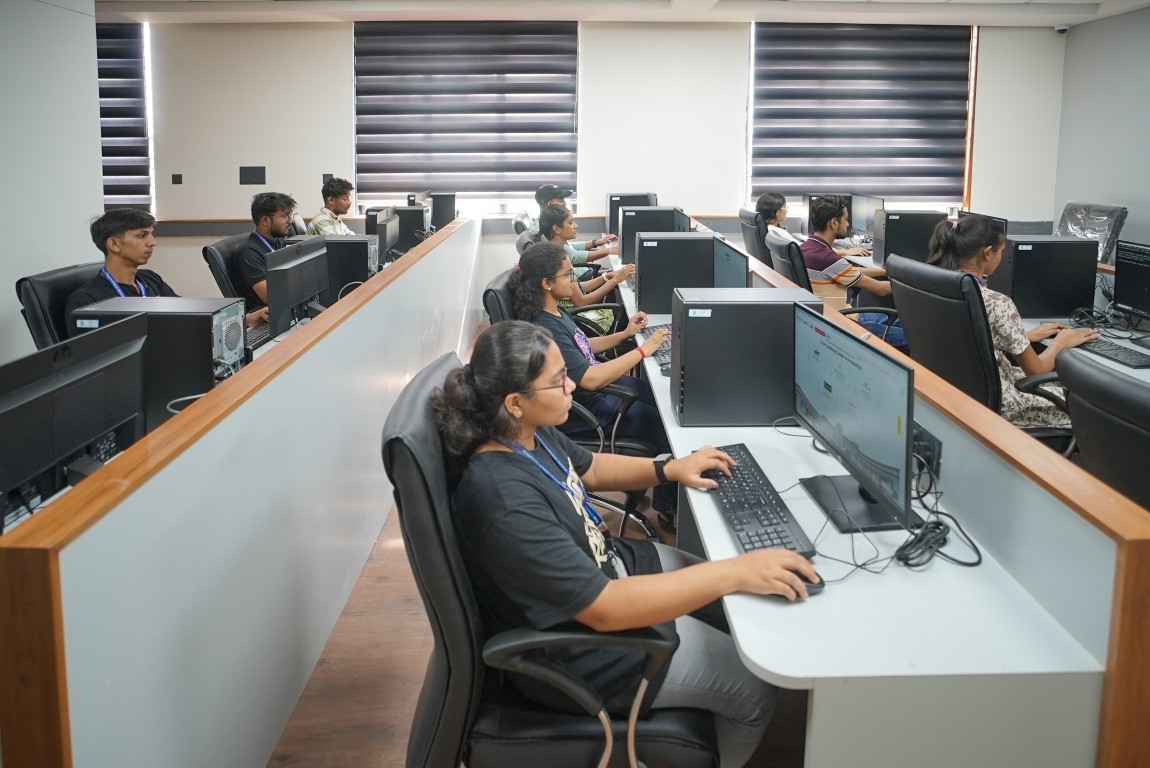
Automobile Engineering Lab
Combines theory and practice in vehicle mechanics, design innovation, and performance testing under simulated industry conditions.

Nanotechnology Lab
A research-oriented lab advancing studies in nanoscale materials, sensors, and technologies for futuristic engineering solutions.
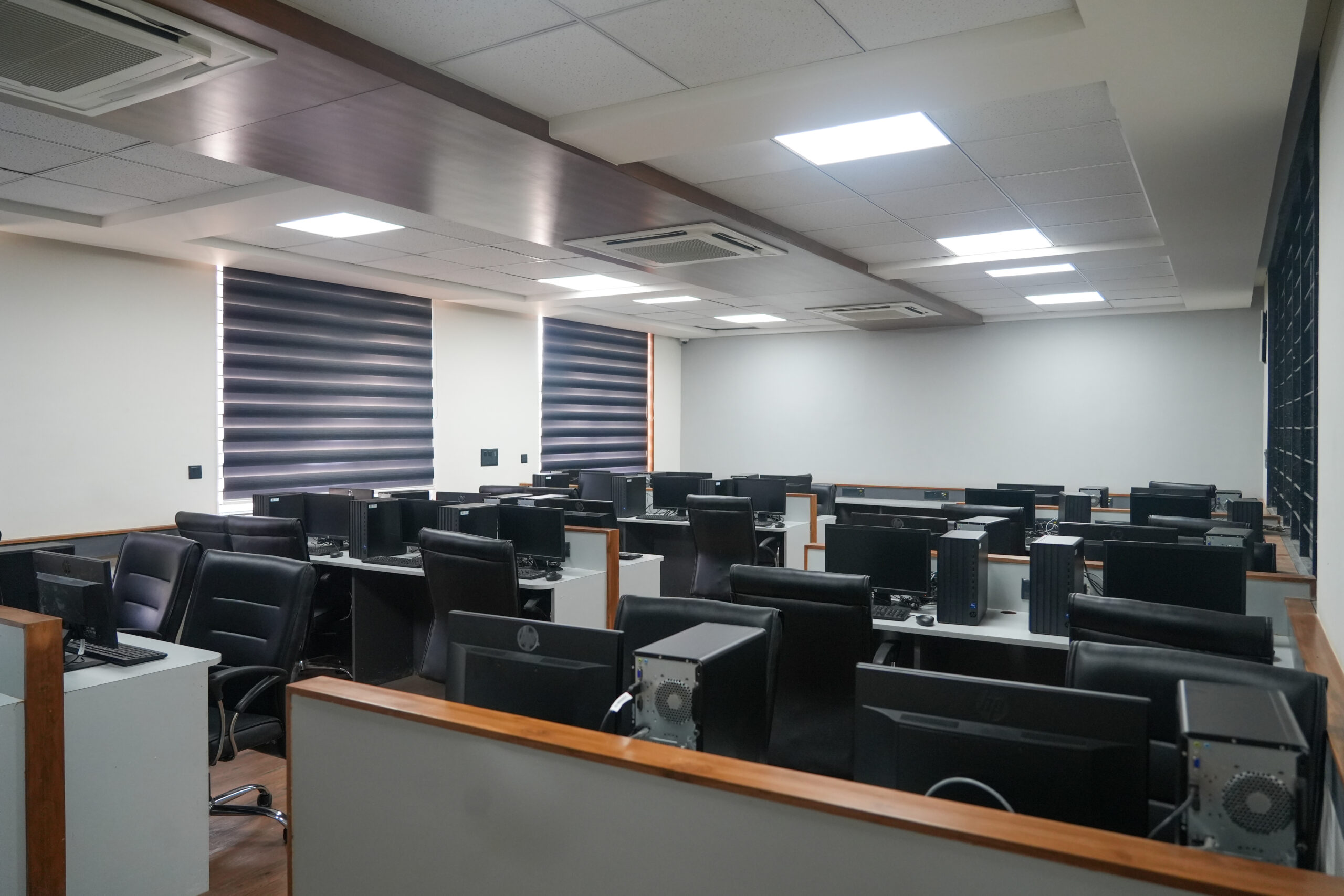
Cloud Computing Lab
Explores distributed computing systems, cloud architecture, and virtualization through hands-on server-based simulations.
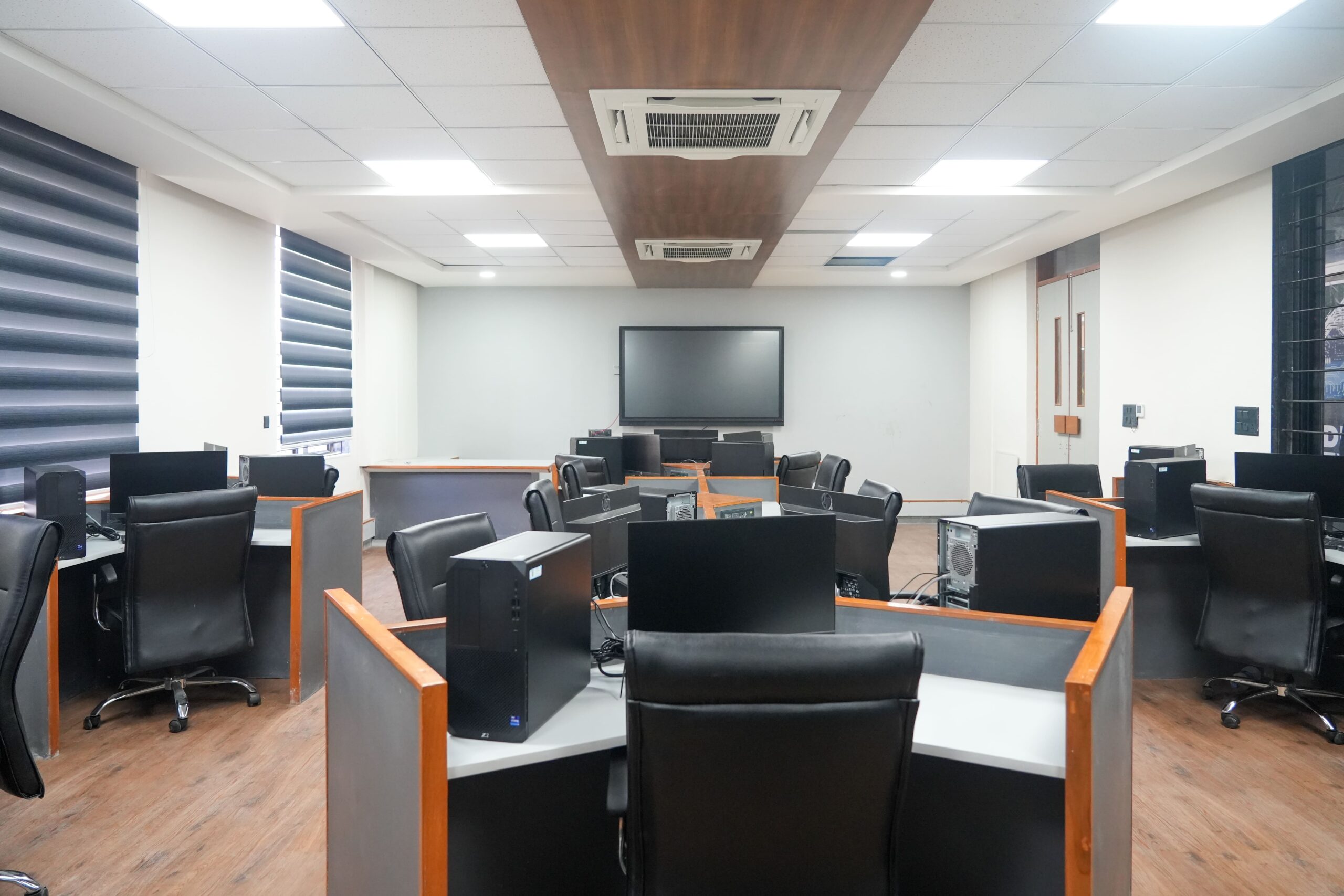
Internet of Things (IoT) Lab
Integrates sensors, networks, and intelligent devices to build smart solutions for automation and real-time connectivity.
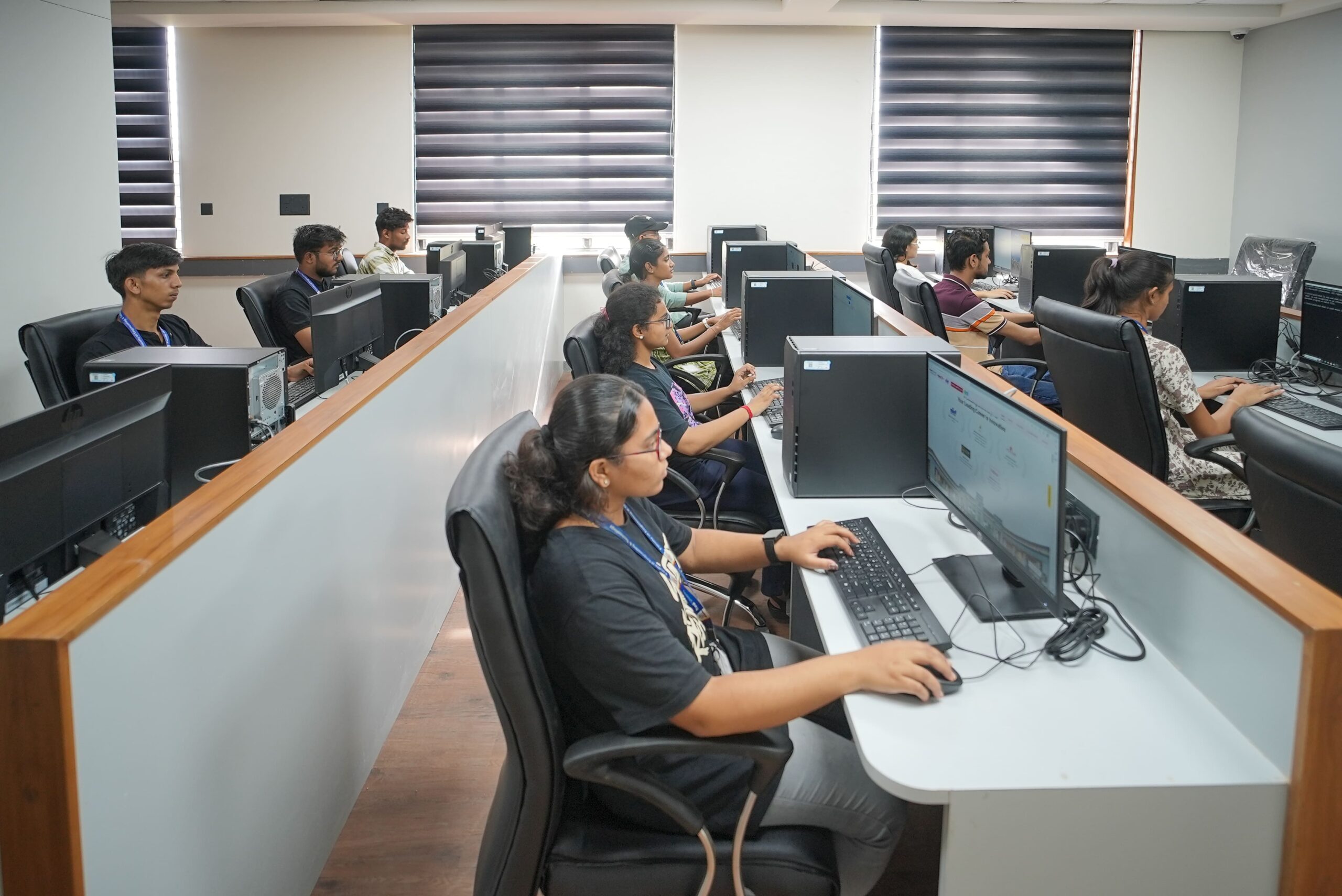
Network Architecture Lab
Offers a dynamic environment for designing and analyzing enterprise-level network systems and security configurations.
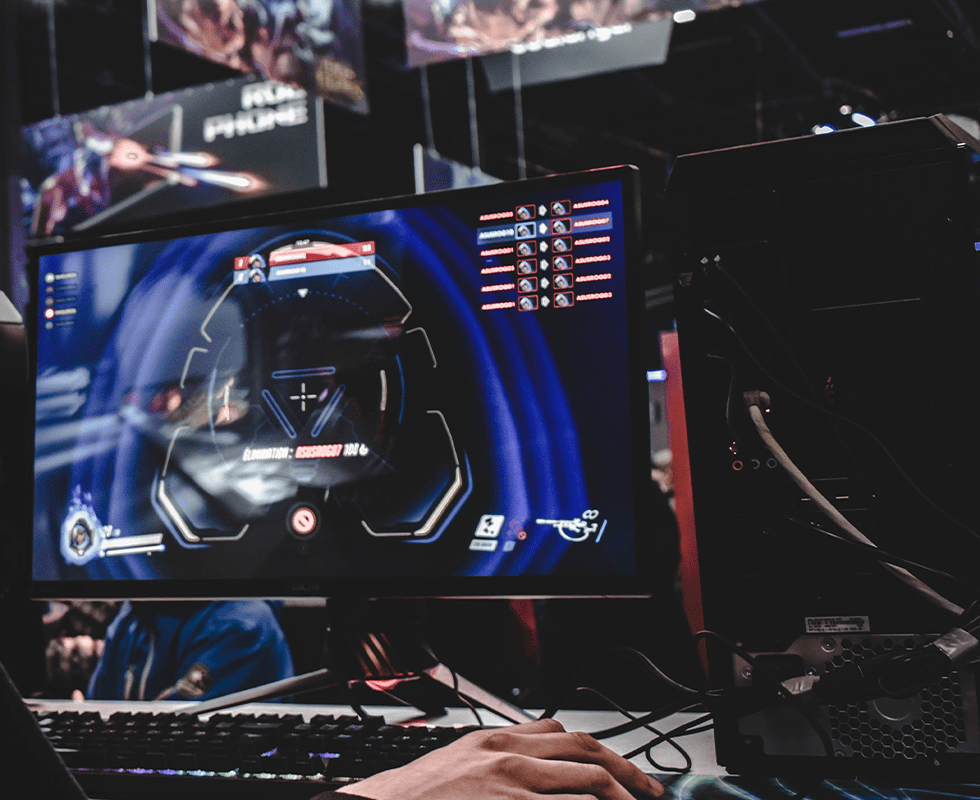
Extended Reality & Game Lab
Encourages experimentation in immersive storytelling and interactive media through AR, VR, and game design tools.
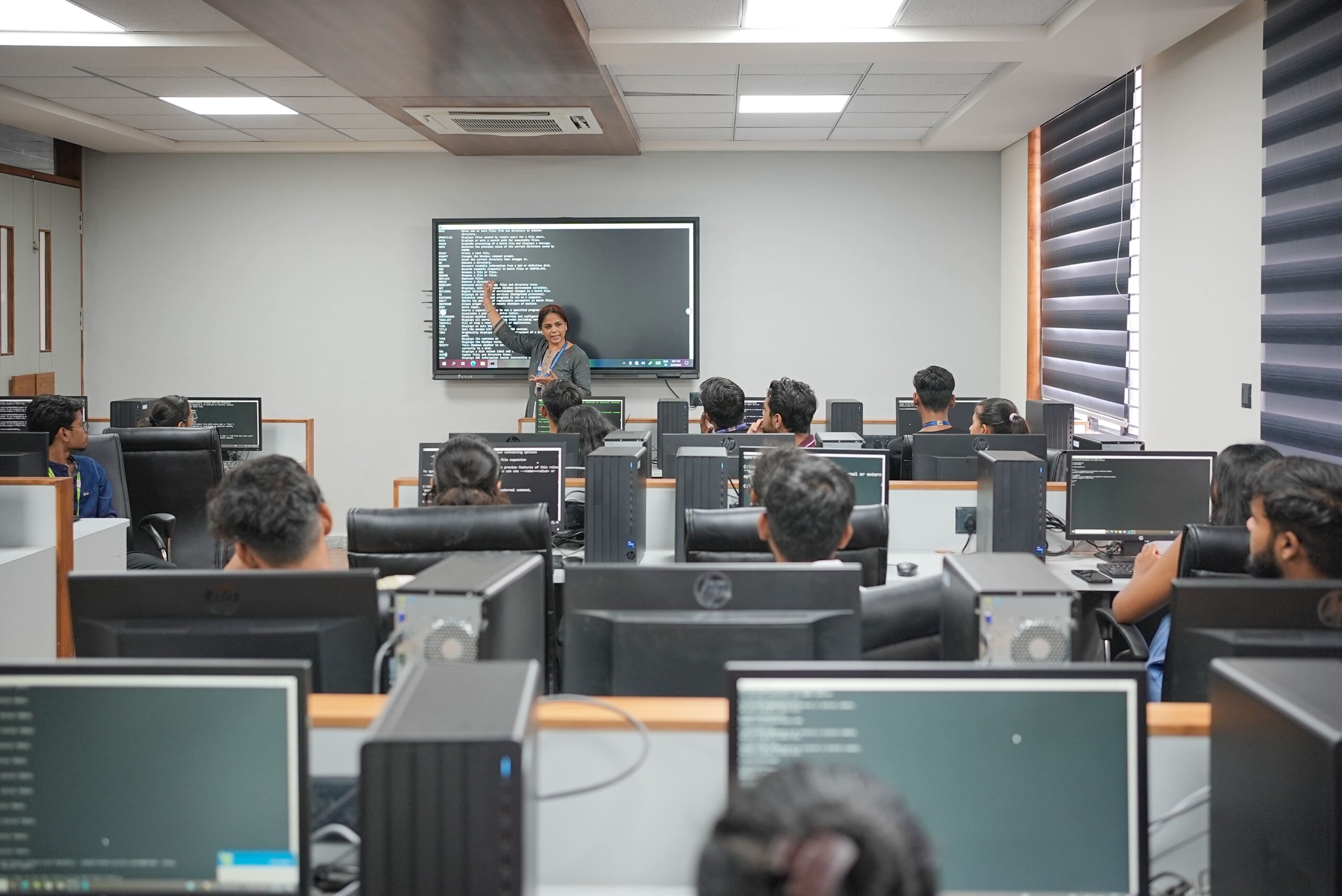
Civil Surveying Lab
Provides training in geospatial mapping and land surveying using modern equipment and digital measurement systems.
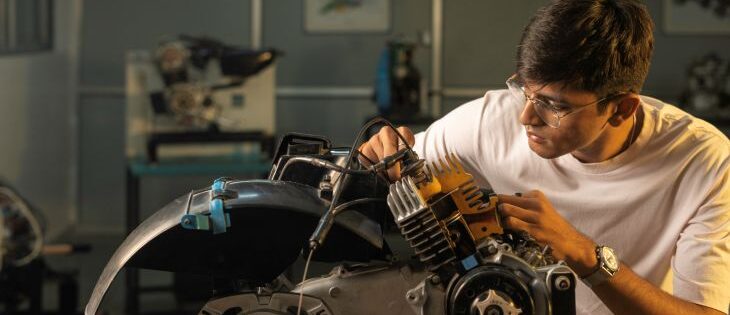
Aircraft Maintenance & Repair Lab
Replicates real-world aviation environments, allowing students to engage with aircraft systems and maintenance technologies.
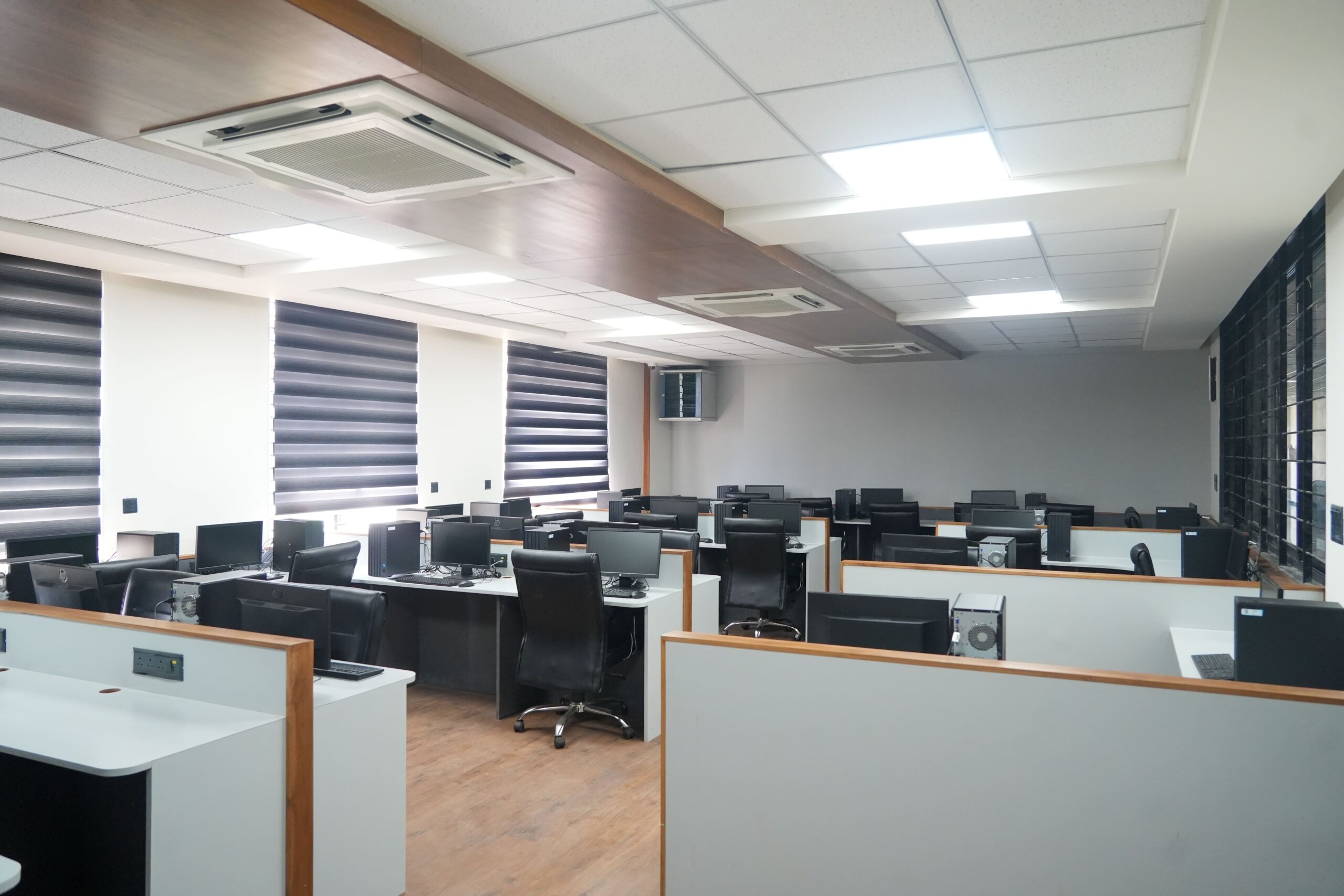
Fab Lab
A digital fabrication space that nurtures innovation through 3D modelling, CNC machining, and hands-on prototyping.
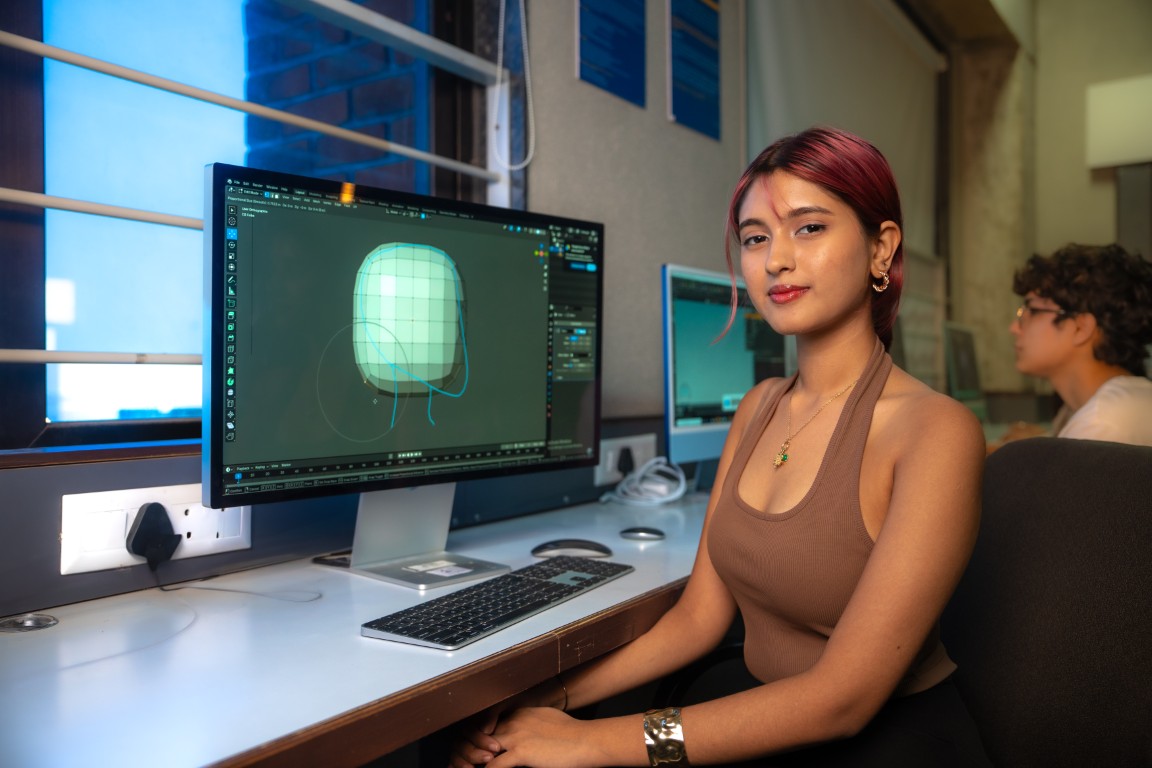
3D Printing Lab
Bridges design and production by allowing students to translate digital concepts into tangible prototypes with precision.
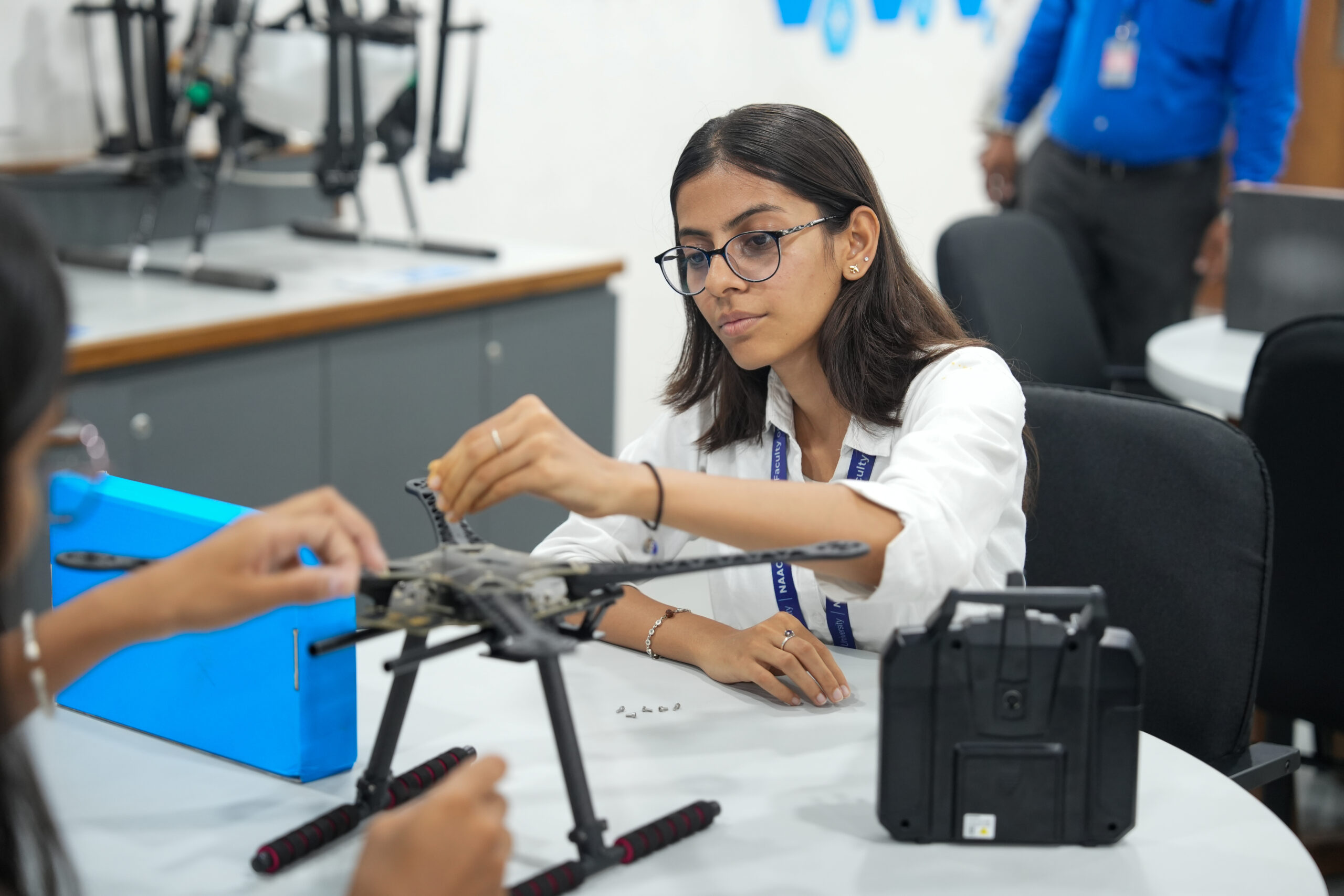
UAV/Drone Lab
Trains students in drone design, programming, and deployment for applications across engineering, agriculture, and logistics.
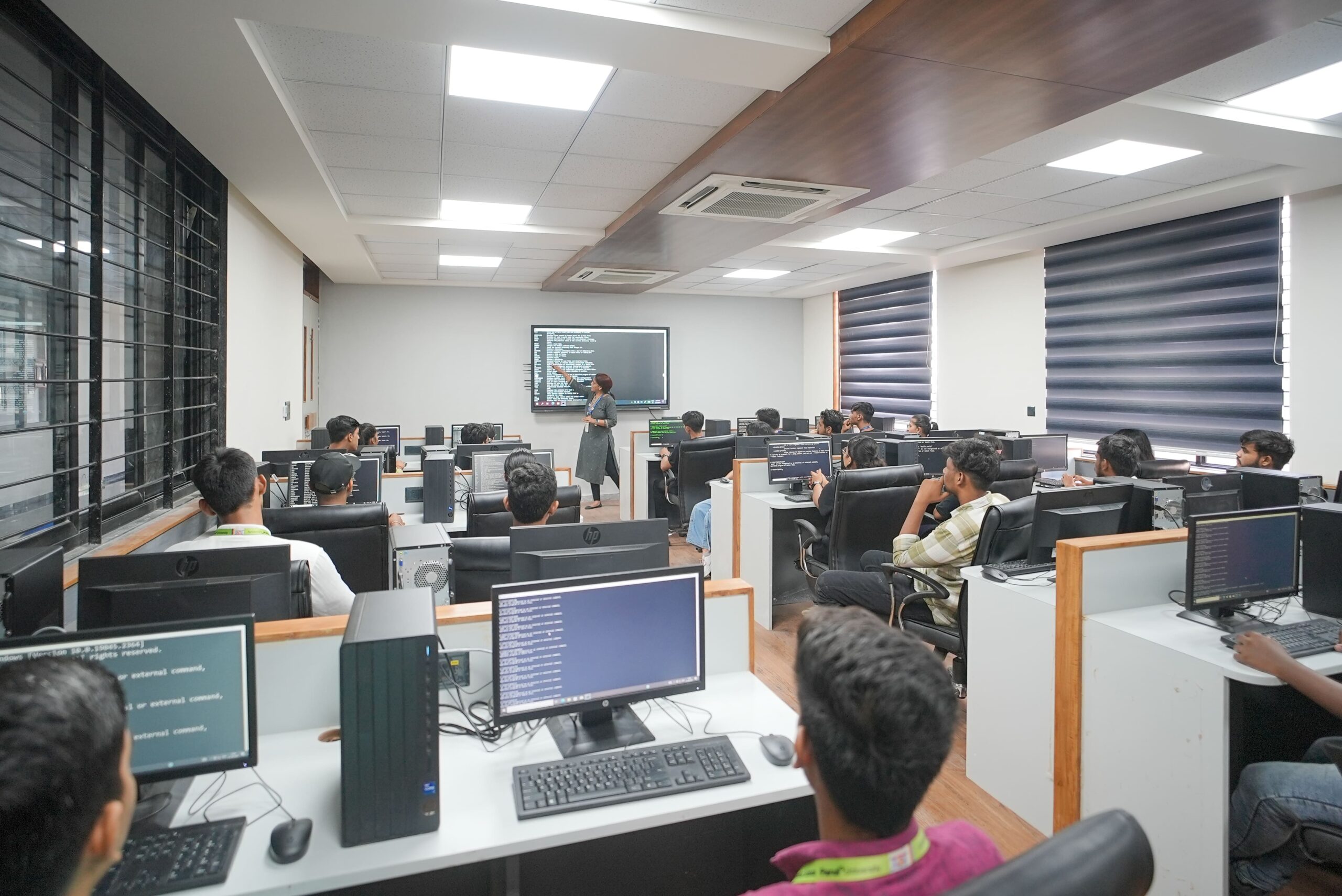
Cyber Security Lab
Designed for hands-on training in ethical hacking and digital forensics, ensuring students learn to safeguard modern digital infrastructures.
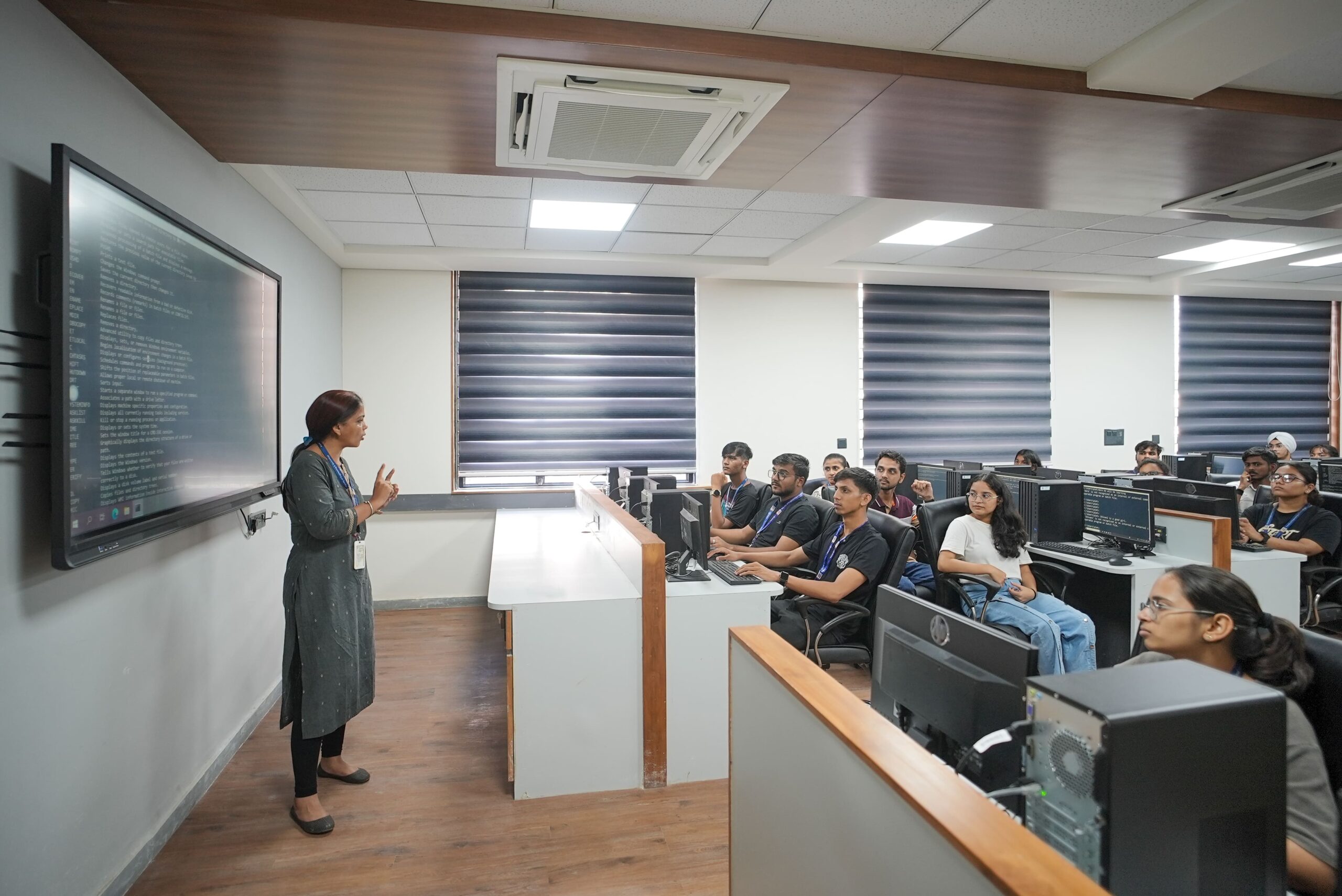
Tinkering Hub
A collaborative innovation studio where ideas evolve into prototypes, encouraging interdisciplinary creativity and problem-solving.
Computer Lab
Equipped with high-end systems and licensed software to facilitate programming, computational analysis, and digital experimentation.
Supercomputer Lab
Empowers advanced computation and data-intensive research through high-speed processing for AI, engineering, and scientific modelling.
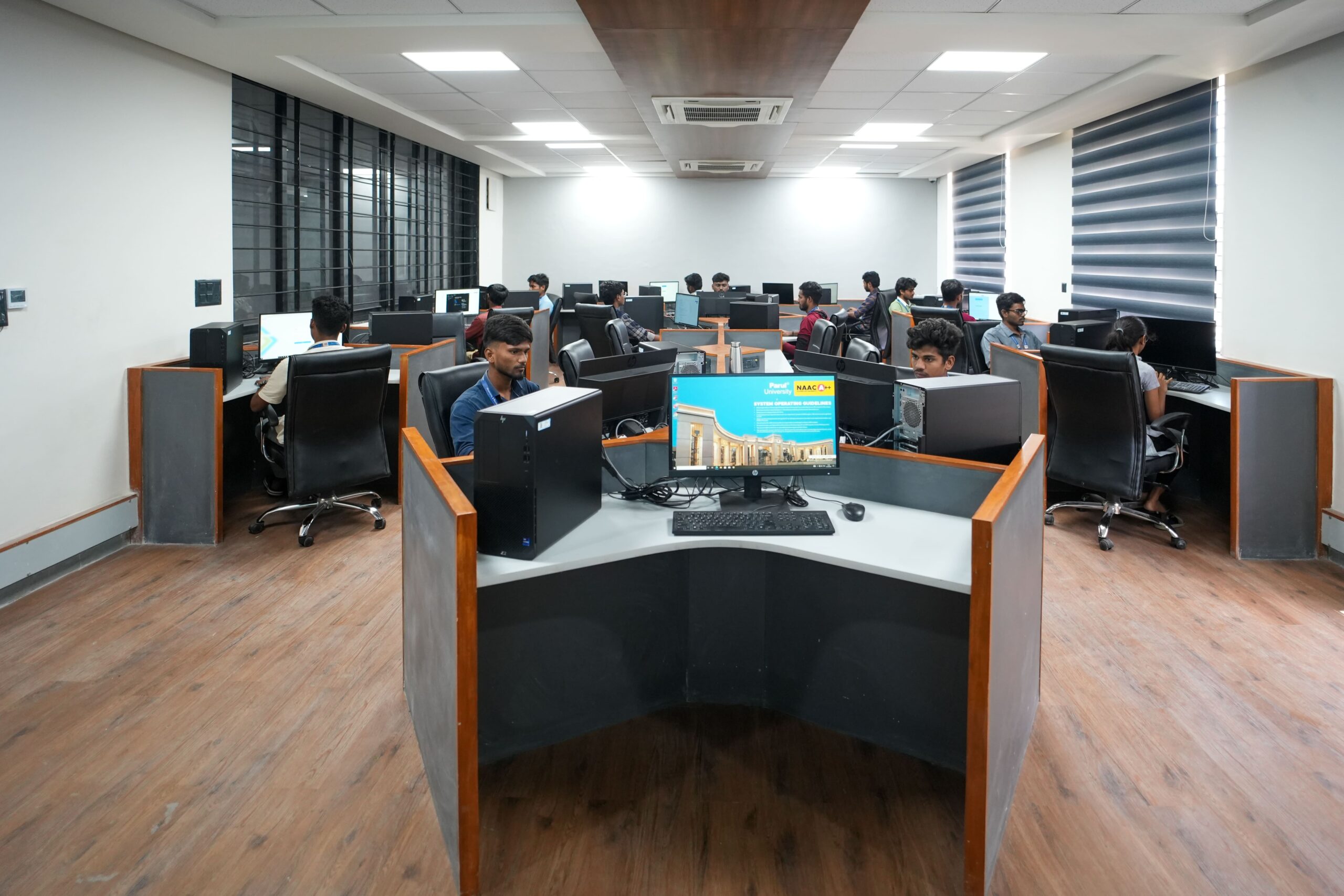
AR/VR Lab
Enables immersive learning through the creation and simulation of augmented and virtual environments for engineering and design.
Scholarships & funding
Financing and supporting your education
Get information on the various scholarships, grants, and student loans you can avail to fund your dream education.

Meritorious scholarships
Recognising academic excellence by providing scholarship opportunities to those who exceptionally pass board and entrance exams
Know more


Sports scholarships
Recognising athletic excellence by providing scholarship opportunities to those who have achieved distinction in sports at State, National, or International levels.
Know more

Alumni scholarships
Fostering lifelong connections by providing scholarship opportunities to the wards of PU alumni to continue the legacy of excellence.
Know more

Defense scholarships
Honoring the families of defense service persons by providing scholarship opportunities to their wards to study at PU
Know more

Stay up to date with Computational Innovations
What Is Prompt Injection? AI Security in the Age of Agentic AI and MCP
As AI systems move from answering questions to taking actions, they become software that can be attacked. Prompt injection, now ranked the number-one risk to AI applications, is the central threat, and agentic AI and the Model Context Protocol expand the attack surface. Here is what it means, and how to defend against it.

Why B.Tech Mathematics and Computing is the Secret Weapon for Algorithmic Trading
You can literally build machines that can trade better than humans if you understand math deeply

