

Program details overview
Diploma in Ophthalmic Assistant (DOA)
Ever wondered who keeps an eye clinic running smoothly behind the specialist? The Diploma in Ophthalmic Assistant (DOA) at Parul University is built around that role. The program begins with the basics of eye care, then moves into eye anatomy and physiology, vision testing, common eye defects and ailments, and the ways an assistant supports an eye specialist. The learning is hands-on. Classroom teaching comes first, followed by lab practice and clinical observation. Along the way, students get comfortable with the instruments used to test and examine eyes, learn to manage patients, and pick up how to assist qualified specialists.
After the diploma, graduates can look towards eye hospitals and clinics, ophthalmology departments in hospitals, vision screening centers, diagnostic centers, and community eye care organizations. They would be helping patients and communities with their eye care and assisting doctors during vision tests and examinations. Entry-level jobs are within reach too, especially the ones that need a working grasp of eye care, eye-related instruments, vision testing, and basic treatments or procedures carried out under an eye care specialist’s supervision.
Here is how you can study this program

Diploma in Ophthalmic Assistant (DOA)
This program covers the medical fundamentals and practical skills that eye care work depends on. Vision testing and eye examination sit at the center, along with how to assist specialists during eye treatments and surgeries. Supervised practice, case-based learning, and lab and clinical observation do the rest. By the end, students are more sure of themselves around eye care procedures and patients and ready to back up professionals who deliver high-quality care.
Secure your place
Batch Commencing
8th July Onwards
Duration
3 Years
Credits
180
Seats
60
Fee
77,000/- per Annum
Language
English
Eligibility Criteria
Admission to the DOA programme requires the successful completion of the Senior Secondary (10+2) or an equivalent examination from a recognized board or institution with Physics, Chemistry, and Biology or Mathematics as subjects, securing a minimum of 50% marks in accordance with the prevailing regulatory norms. Admission shall be granted based on the merit obtained in the Senior Secondary (10+2) examination. The candidate must have completed 17 years of age at the time of admission or must attain the age of 17 years on or before 31st December of the year of admission. A medical fitness certificate, duly endorsed by a Government Medical Officer, is mandatory at the time of admission. Reservation for admission shall be applicable as per the prevailing State/Central Government norms. The admission criteria may be revised by the Commission from time to time, and the admission process shall be conducted by the respective State Government, Union Territory, or University in accordance with the applicable regulations.
*Tuition Fees may vary depending on the Country/State in which the candidate has passed their qualifying examination.
Why study Diploma in Ophthalmic Assistant (DOA)
If you want to work alongside eye care professionals, this is a good place to begin. You'll get a real sense of eye health, patient care, and what an ophthalmic assistant's working day looks like.
Practical Clinical Training
Much of the learning happens through supervised practice. Students gets the firsthand opportunities to handle vision testing, patient management, and help with basic treatments.
Diagnostic Skills
Students learn to assist with visual acuity tests, eye examinations, and other diagnostic procedures. They also become familiar with the diagnostic instruments and equipment used in them.
Eye-Care Specific Knowledge
Expect to go deeper into eye anatomy and physiology, eye ailments and defects, and patient safety. Proper medication, management & prevention of eye concerns as well.
Comprehensive Program Curriculum
The curriculum spans ophthalmic sciences, basic medical sciences, clinical procedures, eye care instruments and equipment, and patient management and safety. Community eye health and eye care also feature, including how caring for the eyes ties into general health and good vision.
Professionally competent ophthalmic assistants
Graduates leave with the foundational knowledge and skills that entry-level positions require in eye hospitals, eye clinics, diagnostic centers, vision care centers, and community eye care organizations.

What can you become after studying Diploma in Ophthalmic Assistant (DOA)

Ophthalmic Assistant
Eye Care Assistant
Ophthalmic Clinical Assistant
Vision Screening Assistant
Ophthalmic Diagnostic Assistant
Eye Hospital Assistant

Explore our facilities & resources for this program
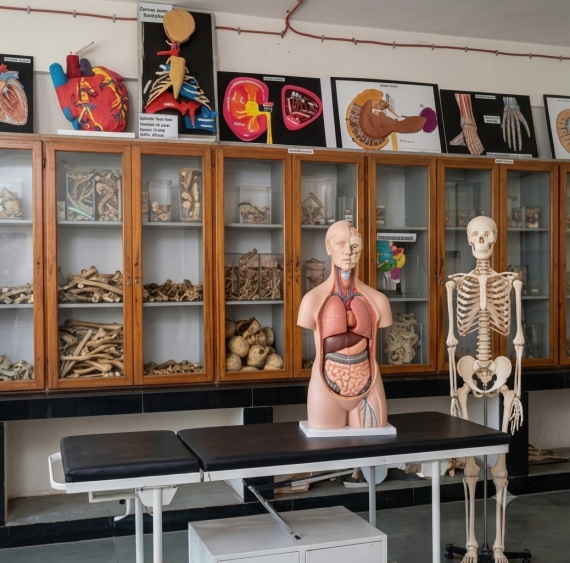
Anatomy Lab

Teaching Lab
An academic laboratory which facilitates the transition from classroom concepts to practical aspects of science.
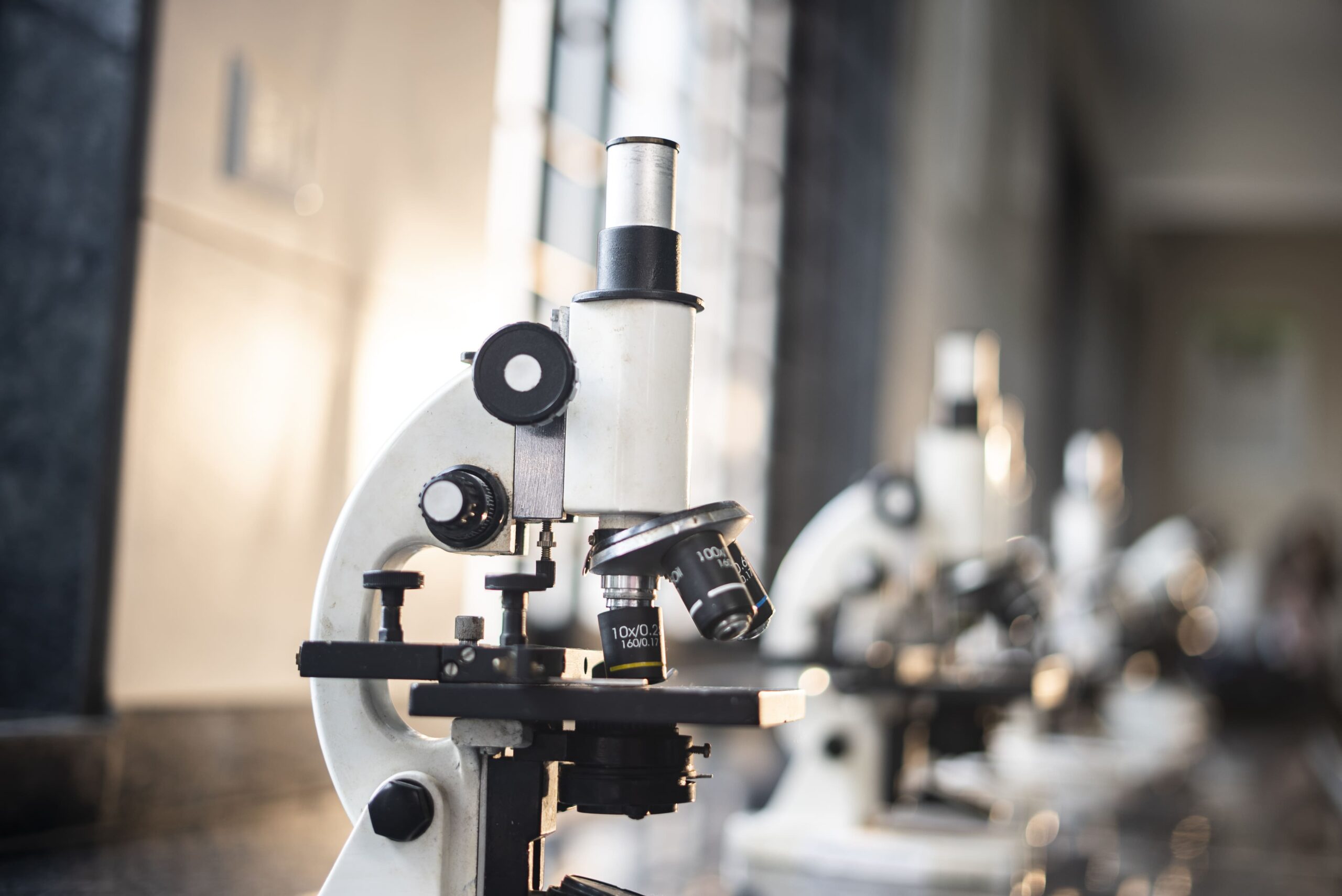
Pharmaceutical Lab
This lab conforms to industrial standards and is meant for formulation of pharmaceuticals and their analysis. These laboratories help the students get practical exposure to...

Biochemistry Lab
This is a modern laboratory that is equipped with equipment used in the study of biological molecules and processes. This laboratory reinforces student knowledge through...
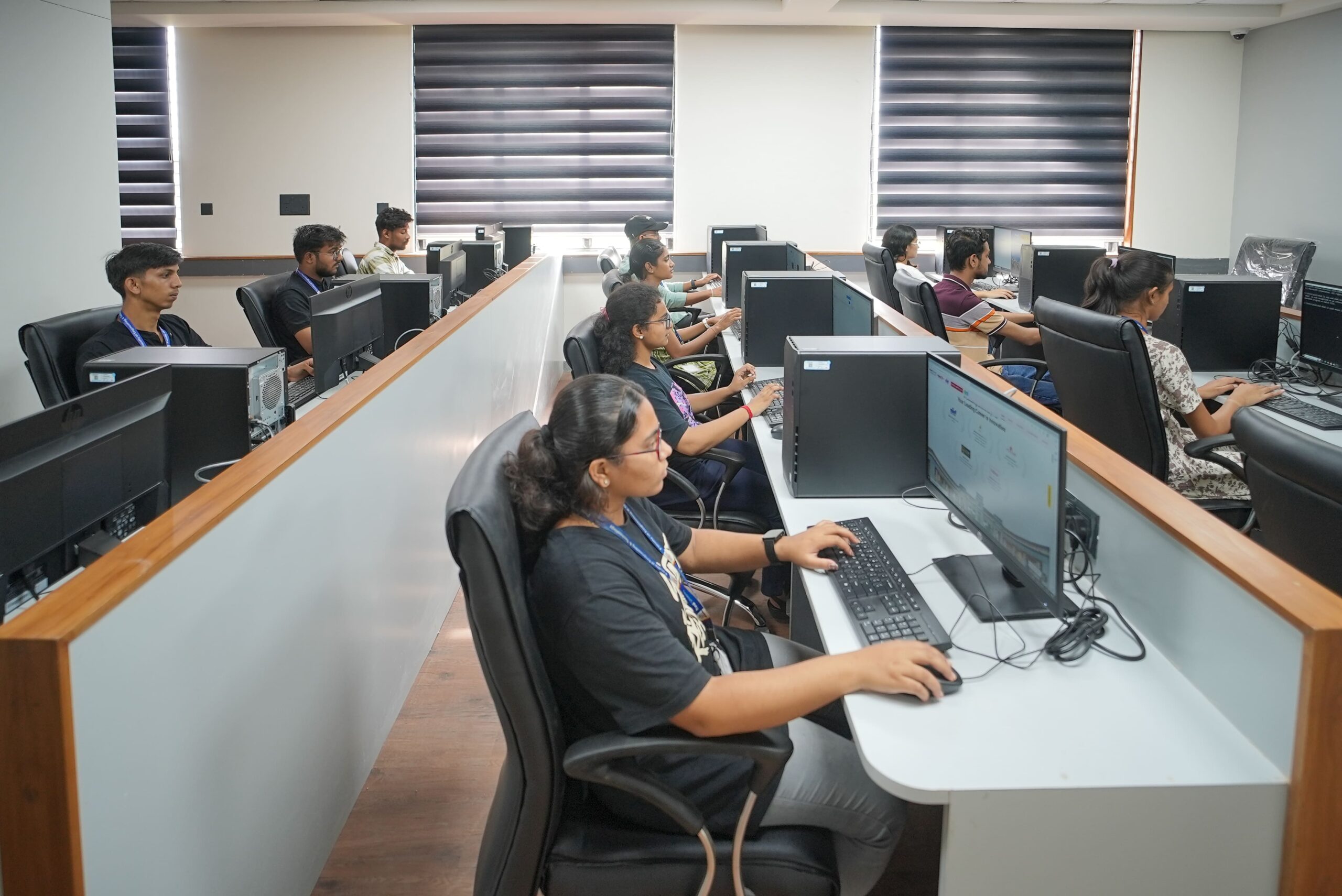
Computer Lab
Facilitates computational data analysis, simulations, and research in applied sciences.
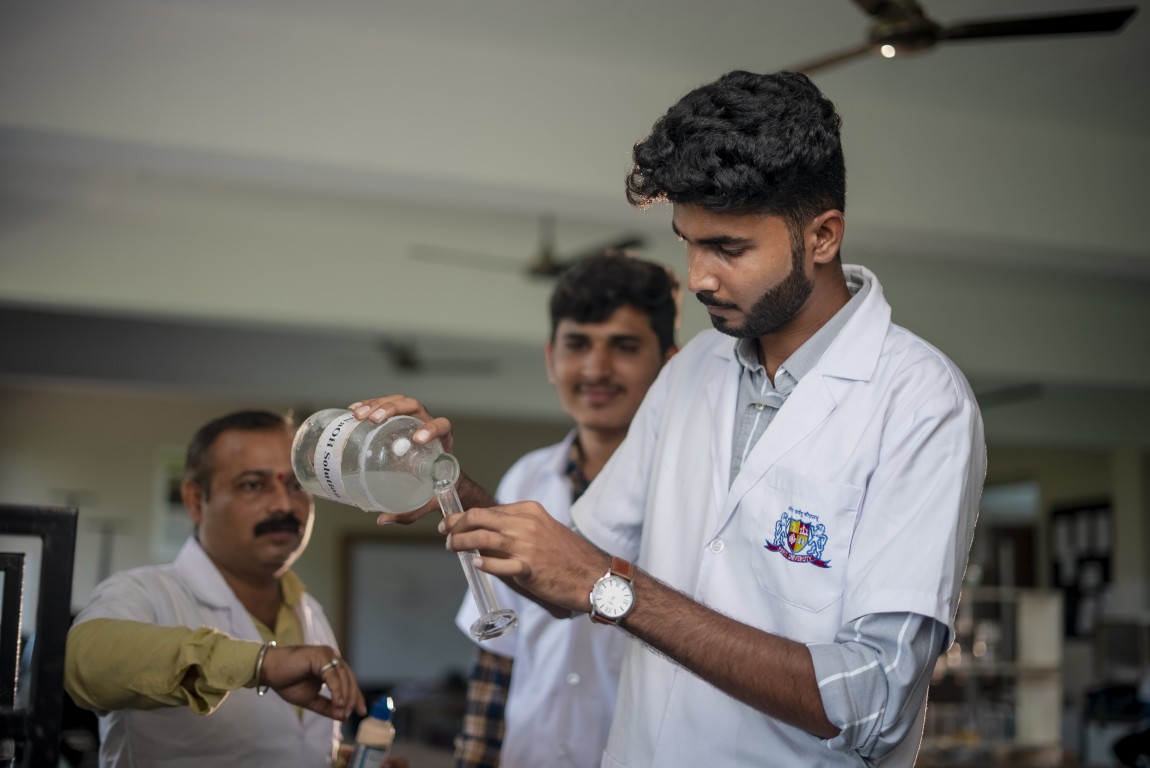
NABL Accredited Clinical Medical Research Laboratory
Supports diagnostic excellence and translational research through certified medical testing.

Micro-Nano Research & Development Center
Facilitates medical innovation through nanoscience and biomedical research collaborations.
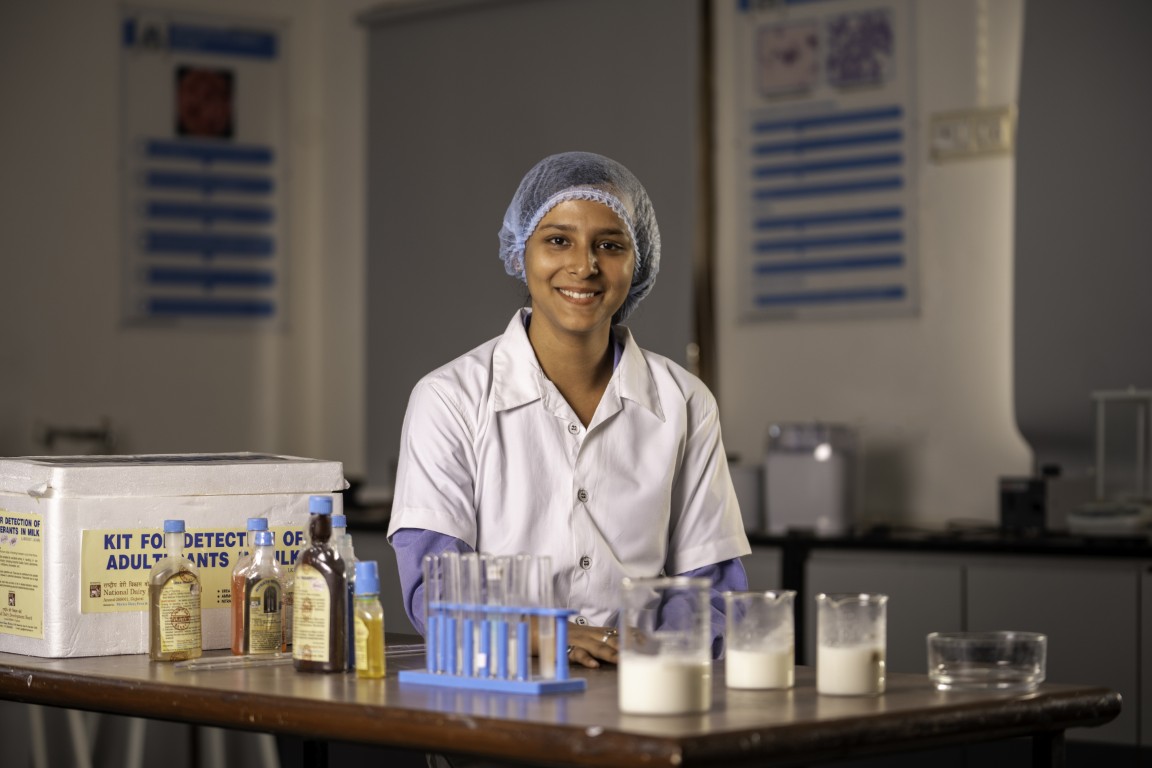
Pragya – The Advanced Skills & Simulation Center
Offers lifelike patient simulation to strengthen clinical competence and decision-making.
Nanotechnology Lab
A research-oriented lab advancing studies in nanoscale materials, sensors, and technologies for futuristic engineering solutions.
Scholarships & funding
Financing and supporting your education
Get information on the various scholarships, grants, and student loans you can avail to fund your dream education.

Meritorious scholarships
Recognising academic excellence by providing scholarship opportunities to those who exceptionally pass board and entrance exams
Know more


Sports scholarships
Recognising athletic excellence by providing scholarship opportunities to those who have achieved distinction in sports at State, National, or International levels.
Know more

Alumni scholarships
Fostering lifelong connections by providing scholarship opportunities to the wards of PU alumni to continue the legacy of excellence.
Know more

Defense scholarships
Honoring the families of defense service persons by providing scholarship opportunities to their wards to study at PU
Know more

Fees, Duration & Eligibility
| Particular | Detail |
|---|---|
| Course | Diploma in Ophthalmic Assistant (DOA) |
| Duration | 3 Years |
| Tuition Fee (per year) | ₹72,000 |
| University Fee (per year) | ₹5,000 |
| Total Fees Per Year | ₹77,000 |
| Eligibility | Admission to the DOA programme requires the successful completion of the Senior Secondary (10+2) or an equivalent examination from a recognized board or institution with Physics, Chemistry, and Biology or Mathematics as subjects, securing a minimum of 50% marks in accordance with the prevailing regulatory norms. Admission shall be granted based on the merit obtained in the Senior Secondary (10+2) examination. The candidate must have completed 17 years of age at the time of admission or must attain the age of 17 years on or before 31st December of the year of admission. A medical fitness certificate, duly endorsed by a Government Medical Officer, is mandatory at the time of admission. Reservation for admission shall be applicable as per the prevailing State/Central Government norms. The admission criteria may be revised by the Commission from time to time, and the admission process shall be conducted by the respective State Government, Union Territory, or University in accordance with the applicable regulations. |
Frequently Asked Questions
For Diploma in Ophthalmic Assistant (DOA) at the Vadodara campus (A.Y. 2027-28), the fees are Tuition Fee (per year): ₹72,000; University Fee (per year): ₹5,000; Total Fees Per Year: ₹77,000.
The Diploma in Ophthalmic Assistant (DOA) programme has a duration of 3 Years.
Admission to the DOA programme requires the successful completion of the Senior Secondary (10+2) or an equivalent examination from a recognized board or institution with Physics, Chemistry, and Biology or Mathematics as subjects, securing a minimum of 50% marks in accordance with the prevailing regulatory norms. Admission shall be granted based on the merit obtained in the Senior Secondary (10+2) examination. The candidate must have completed 17 years of age at the time of admission or must attain the age of 17 years on or before 31st December of the year of admission. A medical fitness certificate, duly endorsed by a Government Medical Officer, is mandatory at the time of admission. Reservation for admission shall be applicable as per the prevailing State/Central Government norms. The admission criteria may be revised by the Commission from time to time, and the admission process shall be conducted by the respective State Government, Union Territory, or University in accordance with the applicable regulations.
Parul University is NAAC A++ accredited with a dedicated placement cell, 3,500+ recruiters and a highest package of 60 LPA.
Percentage-based meritorious scholarships apply by qualifying-exam percentile — 60–69.99%: ₹5,000; 70–79.99%: ₹10,000; 80–89.99%: ₹15,000; 90% and above: ₹20,000. Rank-based and domicile scholarships may also apply as per University norms.
Parul University is NAAC A++ accredited (CGPA 3.55), with 3,500+ recruiters and a highest package of 60 LPA.

