

Program details overview
Master of Dialysis Therapy (M.DT.)
The Master of Dialysis Therapy (M.DT) at Parul University caters to students who wish to pursue higher education and in-depth practical exposure in dialysis technology and renal healthcare. The program includes understanding of kidneys functioning, renal disorders, dialysis procedures and clinical management of patients on renal replacement therapy. Students can get firsthand knowledge about removal of waste products and fluid from the body through dialysis procedures when the kidneys are not functioning optimally.
The curriculum covers advanced dialysis techniques, renal physiology, haemodialysis, peritoneal dialysis, dialysis equipment, water treatment systems, infection prevention and patient monitoring as prescribed. Students acquire skills in interpreting a dialysis prescription, monitoring of patients on dialysis, identification of complications and adherence to safety and quality control measures. Along lectures the curriculum includes practical sessions, discussion of case scenarios, equipment based learning and supervised clinical practices, enabling students to apply theoretical knowledge in renal care settings.
Graduates can explore hospital dialysis units, specialised renal care centers, multi-specialty hospitals, renal care facilities, dialysis clinics and other healthcare organizations. With prior qualifications, clinical experience and employer requirements, other options include dialysis equipment applications, clinical training, quality assurance and research. Higher studies options and speciliation are also offered in Higher studies and specializations in renal healthcare and allied health sciences.
Here is how you can study Master of Dialysis Therapy (M.DT.)

Master of Dialysis Therapy (M.DT.)
At Parul University, the M.DT program focuses on advanced renal care, dialysis procedures, clinical management, and dialysis technology. Students learn about patient assessment, dialysis monitoring, vascular access care, infection prevention, water treatment systems and identification of treatment related complications. Practical training, case based learning and supervised clinical practices enhance their technical and patient care skills, and students learn to work in collaboration with nephrologists, nurses and other healthcare professionals in dialysis and renal care units.
Secure your place
Batch Commencing
8th July Onwards
Duration
2 Years
Credits
180
Seats
60
Fee
1,15,000/- per Annum
Language
English
Eligibility Criteria
Candidates seeking admission must have passed the Bachelor of Dialysis Therapy Technology (B.DTT) in regular mode from a recognized university. Admission shall be granted on the basis of the entrance examination conducted by the respective University. Candidates seeking admission to the postgraduate programme must be registered members of the National Commission for Allied and Healthcare Professions (NCAHP). A medical fitness certificate, duly endorsed by a Government Medical Officer, is mandatory at the time of admission. Reservation for admission to postgraduate programmes shall be applicable as per the prevailing State/Central Government norms. Foreign national students intending to pursue a postgraduate (PG) programme in India must obtain an Equivalence Certificate of Eligibility from the respective State Allied and Healthcare Council. Admission of foreign national students shall be based on the merit of the University Entrance Examination, and prior to enrollment, the respective institution and the University shall verify the validity of the student's visa and visa duration. The admission process shall be conducted by the respective State Government, Union Territory, or University in accordance with the applicable regulations.
*Tuition Fees may vary depending on the Country/State in which the candidate has passed their qualifying examination.
Why study Master of Dialysis Therapy (M.DT.)?
M.DT students benefit from an advanced understanding of renal physiology, dialysis technology, patient monitoring and day to day clinical practice in kidney care. The program builds on their technical expertise and clinical knowledge, and prepares them to contribute to dialysis services that are safe and effective.
Advanced Clinical Training
Acquire practical expertise in dialysis procedures, patient monitoring, equipment handling and management of day to day clinical scenarios, through supervised clinical training and hands-on learning.
Technology-Driven Learning
Learn the working principles of haemodialysis machines, dialysis monitoring systems, water treatment units and other technologies used in modern renal care.
Specialized Renal Care Expertise
Develop an in-depth understanding of renal disorders, dialysis prescriptions, vascular access, infection control, dialysis-related complications and patient safety.
Comprehensive Program Curriculum
Study renal physiology, advanced dialysis techniques, haemodialysis, peritoneal dialysis, dialysis equipment, clinical monitoring, quality assurance and research related subjects, as prescribed by the curriculum.
Professionally Prepared Graduates
Develop clinical, technical, analytical, and communication skills to explore opportunities in dialysis units, renal care centers, hospitals, dialysis clinics and related healthcare services.

What can you become after studying Master of Dialysis Therapy (M.DT)?

Senior Dialysis Technologist
Dialysis Therapy Specialist
Renal Care Technologist
Dialysis Unit Supervisor
Dialysis Clinical Coordinator
Dialysis Equipment Application Specialist
Dialysis Quality Assurance Assistant
Renal Care Clinical Trainer

Explore our facilities & resources for this program

Teaching Lab
An academic laboratory which facilitates the transition from classroom concepts to practical aspects of science.
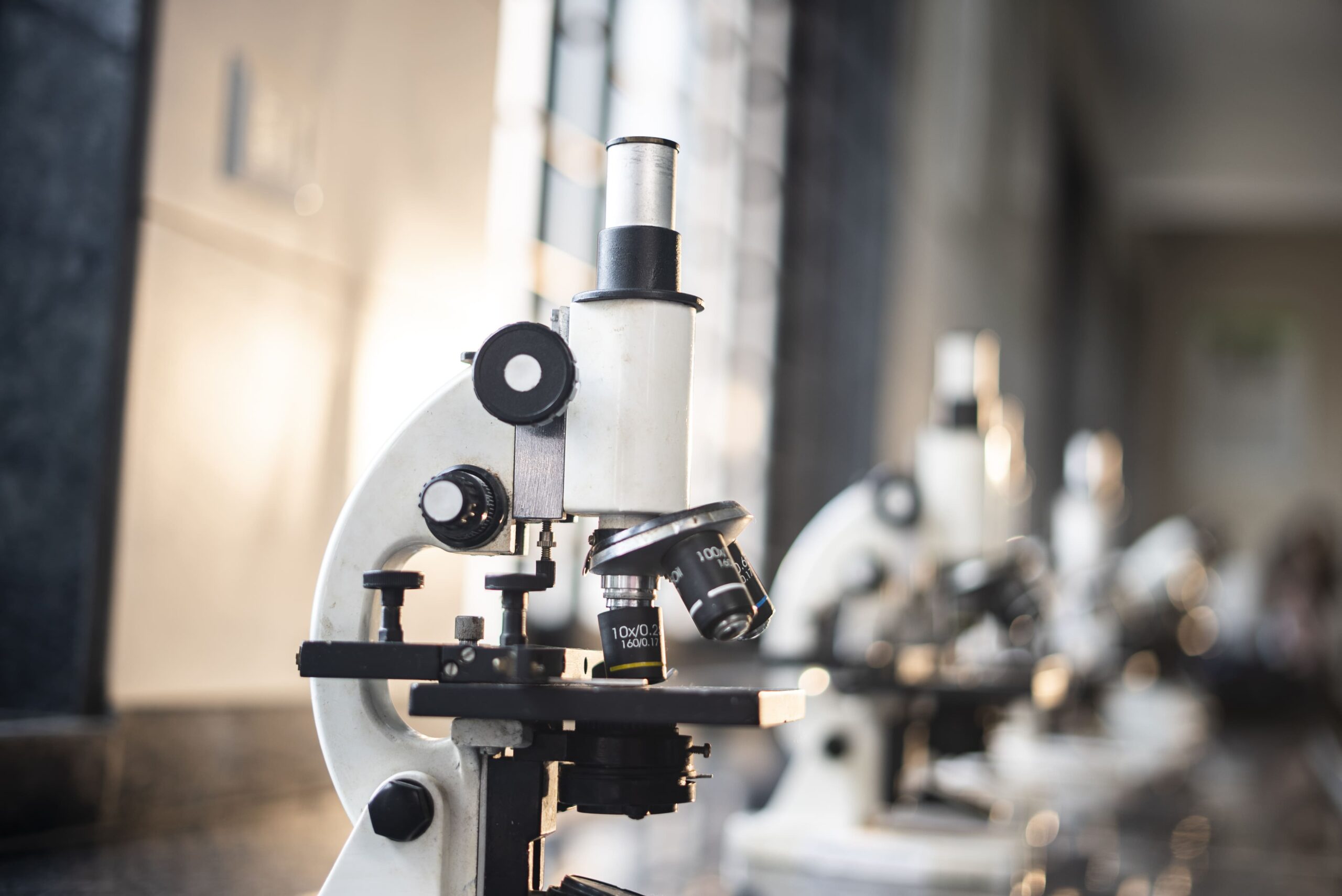
Pharmaceutical Lab
This lab conforms to industrial standards and is meant for formulation of pharmaceuticals and their analysis. These laboratories help the students get practical exposure to...
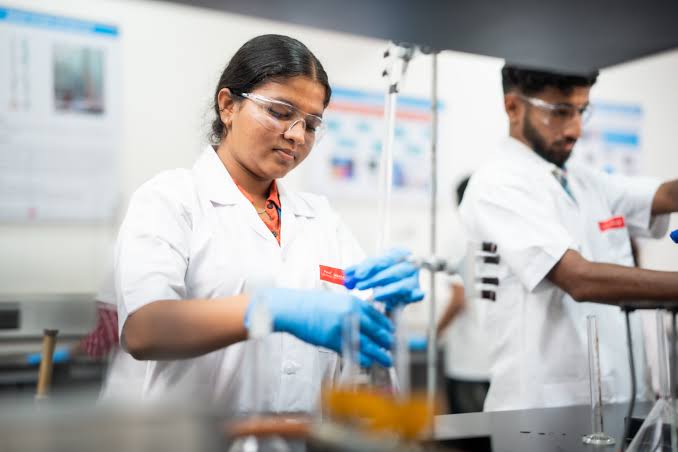
Biochemistry Lab
This is a modern laboratory that is equipped with equipment used in the study of biological molecules and processes. This laboratory reinforces student knowledge through...
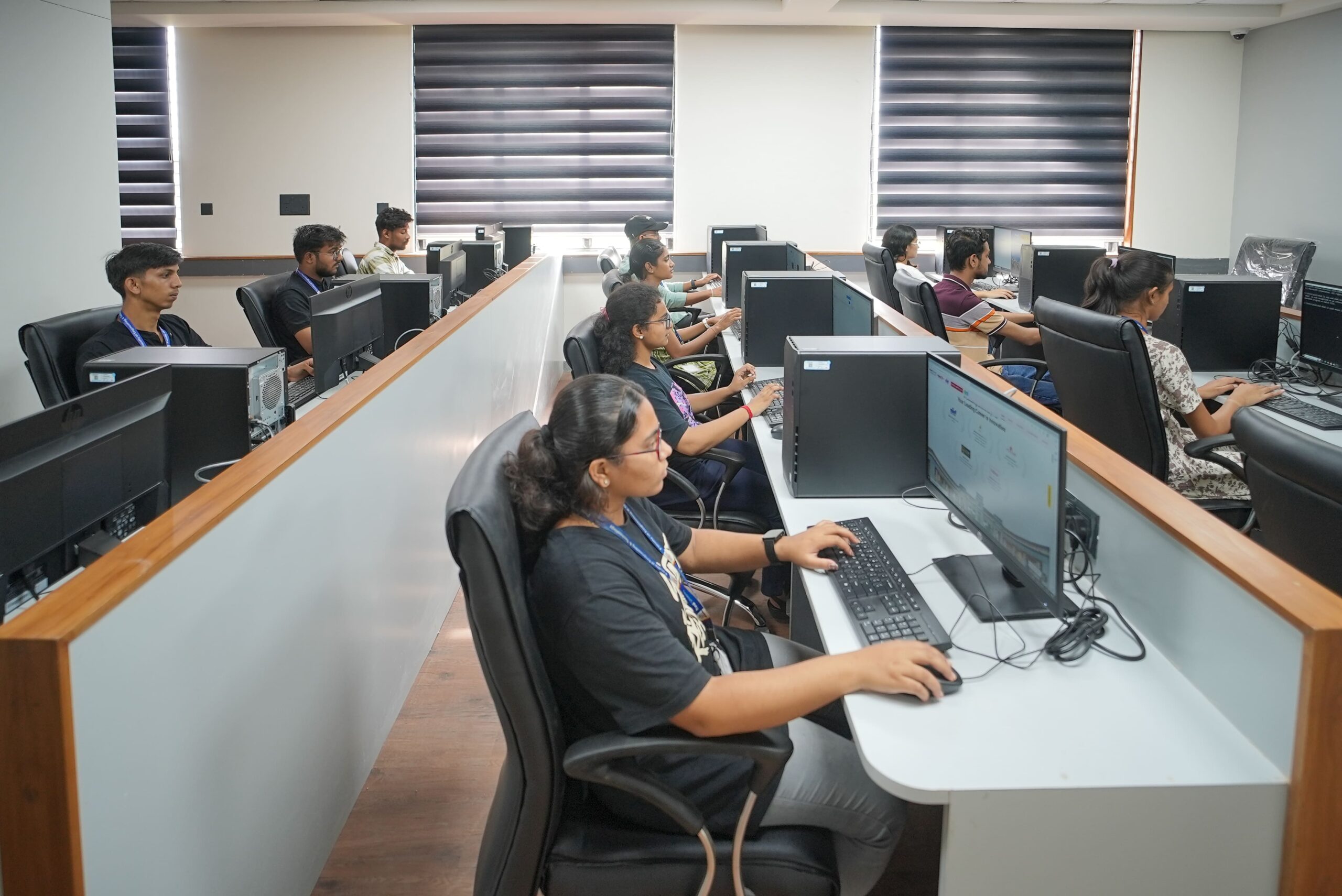
Computer Lab
Facilitates computational data analysis, simulations, and research in applied sciences.
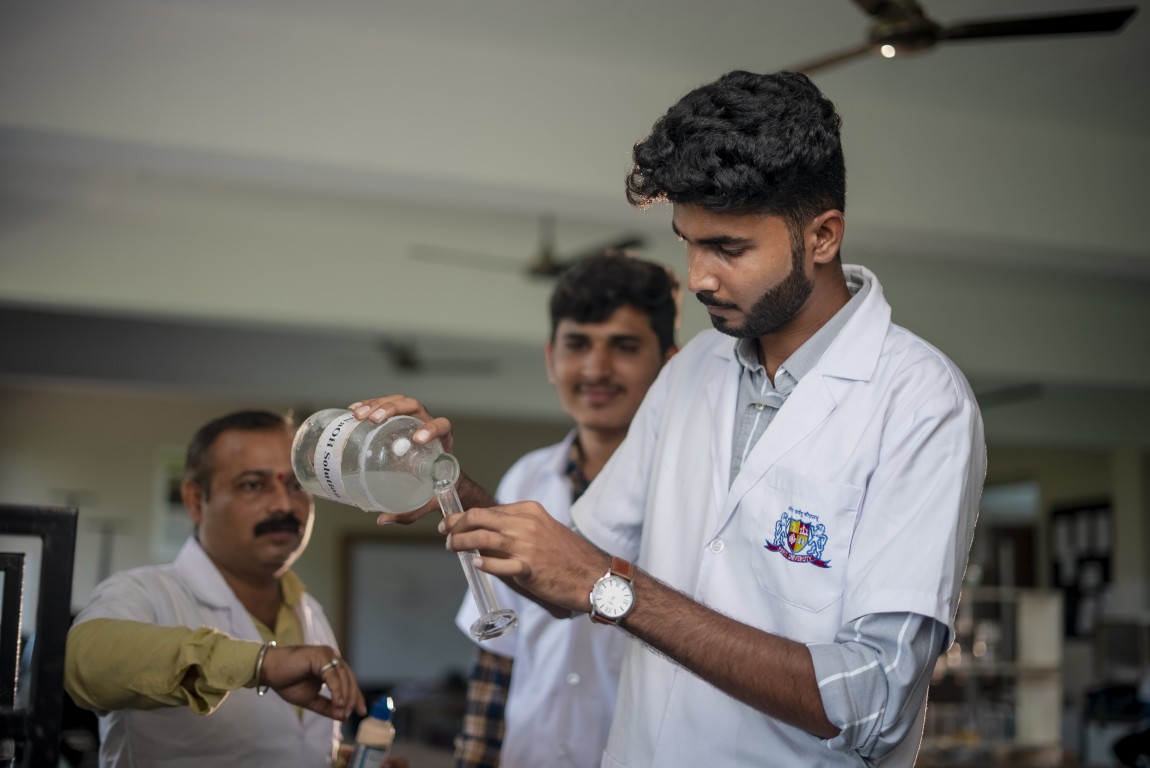
NABL Accredited Clinical Medical Research Laboratory
Supports diagnostic excellence and translational research through certified medical testing.

Micro-Nano Research & Development Center
Facilitates medical innovation through nanoscience and biomedical research collaborations.
Nanotechnology Lab
A research-oriented lab advancing studies in nanoscale materials, sensors, and technologies for futuristic engineering solutions.
Scholarships & funding
Financing and supporting your education
Get information on the various scholarships, grants, and student loans you can avail to fund your dream education.

Meritorious scholarships
Recognising academic excellence by providing scholarship opportunities to those who exceptionally pass board and entrance exams
Know more


Sports scholarships
Recognising athletic excellence by providing scholarship opportunities to those who have achieved distinction in sports at State, National, or International levels.
Know more

Alumni scholarships
Fostering lifelong connections by providing scholarship opportunities to the wards of PU alumni to continue the legacy of excellence.
Know more

Defense scholarships
Honoring the families of defense service persons by providing scholarship opportunities to their wards to study at PU
Know more

Fees, Duration & Eligibility
| Particular | Detail |
|---|---|
| Course | Master of Dialysis Therapy (M.DT) |
| Duration | 2 Years |
| Tuition Fee (per year) | ₹1,10,000 |
| University Fee (per year) | ₹5,000 |
| Total Fees Per Year | ₹1,15,000 |
| Eligibility | Candidates seeking admission must have passed the Bachelor of Dialysis Therapy Technology (B.DTT) in regular mode from a recognized university. Admission shall be granted on the basis of the entrance examination conducted by the respective University. Candidates seeking admission to the postgraduate programme must be registered members of the National Commission for Allied and Healthcare Professions (NCAHP). A medical fitness certificate, duly endorsed by a Government Medical Officer, is mandatory at the time of admission. Reservation for admission to postgraduate programmes shall be applicable as per the prevailing State/Central Government norms. Foreign national students intending to pursue a postgraduate (PG) programme in India must obtain an Equivalence Certificate of Eligibility from the respective State Allied and Healthcare Council. Admission of foreign national students shall be based on the merit of the University Entrance Examination, and prior to enrollment, the respective institution and the University shall verify the validity of the student’s visa and visa duration. The admission process shall be conducted by the respective State Government, Union Territory, or University in accordance with the applicable regulations. |
Frequently Asked Questions
For Master of Dialysis Therapy (M.DT) at the Vadodara campus (A.Y. 2027-28), the fees are Tuition Fee (per year): ₹1,10,000; University Fee (per year): ₹5,000; Total Fees Per Year: ₹1,15,000.
The Master of Dialysis Therapy (M.DT) programme has a duration of 2 Years.
Candidates seeking admission must have passed the Bachelor of Dialysis Therapy Technology (B.DTT) in regular mode from a recognized university. Admission shall be granted on the basis of the entrance examination conducted by the respective University. Candidates seeking admission to the postgraduate programme must be registered members of the National Commission for Allied and Healthcare Professions (NCAHP). A medical fitness certificate, duly endorsed by a Government Medical Officer, is mandatory at the time of admission. Reservation for admission to postgraduate programmes shall be applicable as per the prevailing State/Central Government norms. Foreign national students intending to pursue a postgraduate (PG) programme in India must obtain an Equivalence Certificate of Eligibility from the respective State Allied and Healthcare Council. Admission of foreign national students shall be based on the merit of the University Entrance Examination, and prior to enrollment, the respective institution and the University shall verify the validity of the student’s visa and visa duration. The admission process shall be conducted by the respective State Government, Union Territory, or University in accordance with the applicable regulations.
Parul University is NAAC A++ accredited with a dedicated placement cell, 3,500+ recruiters and a highest package of 60 LPA.
Percentage-based meritorious scholarships apply by qualifying-exam percentile — 60–69.99%: ₹10,000; 70–79.99%: ₹20,000; 80–89.99%: ₹30,000; 90% and above: ₹40,000. Rank-based and domicile scholarships may also apply as per University norms.
Parul University is NAAC A++ accredited (CGPA 3.55), with 3,500+ recruiters and a highest package of 60 LPA.

