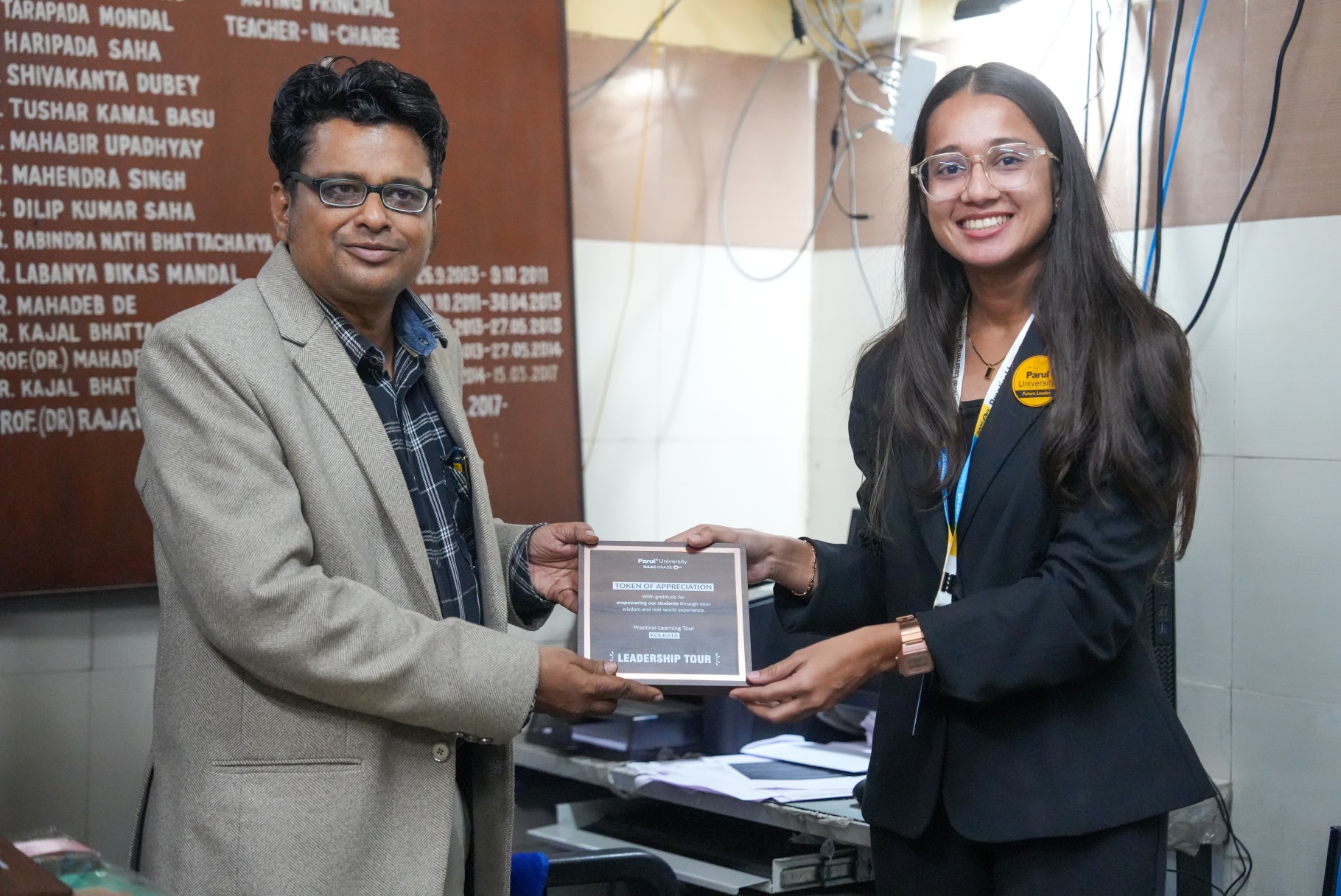
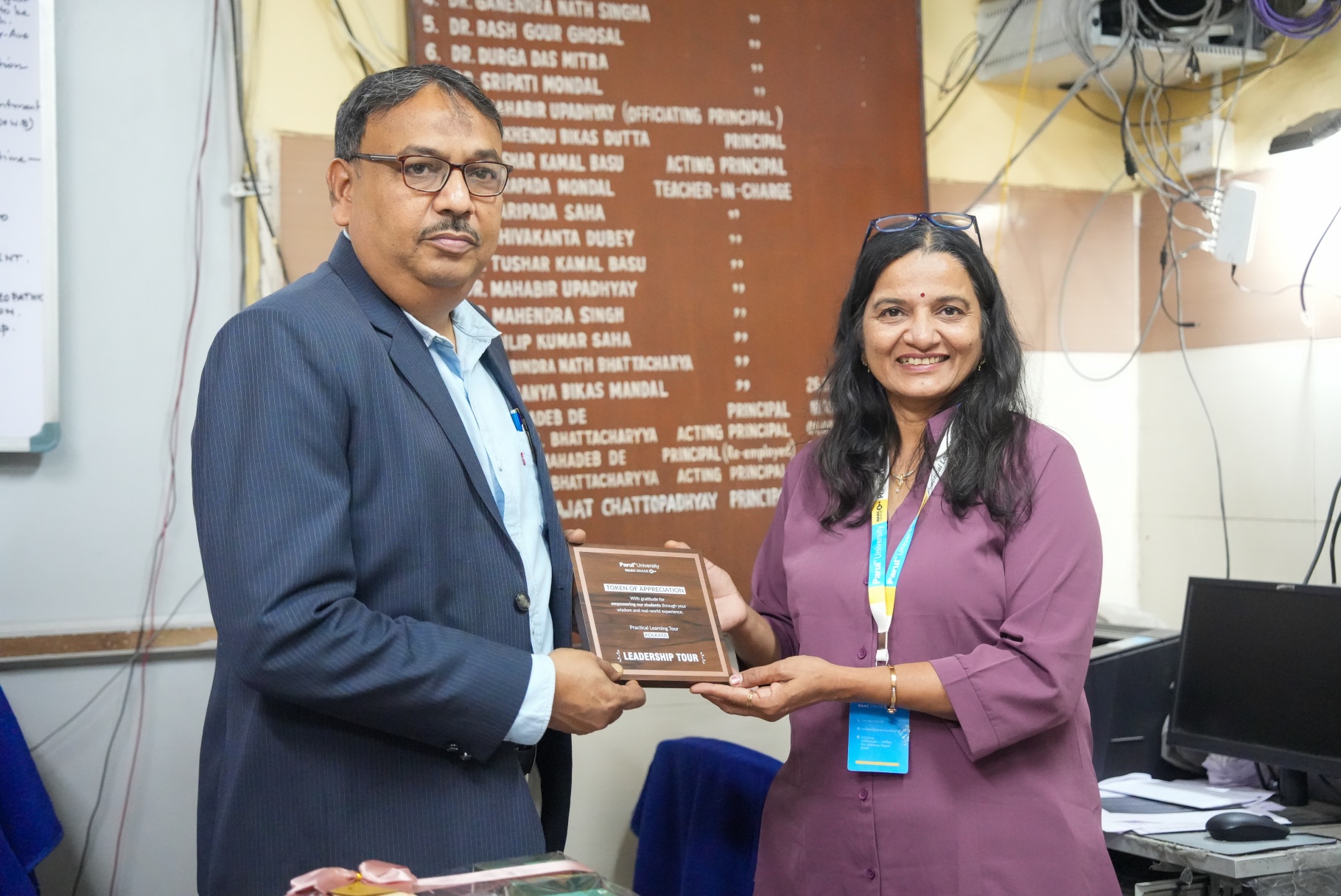
Kolkata is not an arbitrary destination for a homoeopathy tour. It is where homoeopathy established its deepest roots in India. The National Institute of Homeopathy is the largest medical college in the country under the Ministry of AYUSH, operates right here. DACRRI, a certified research institute under CCRH aka Central Council for Research in Homeopathy, conducts clinical trials & virology research.
Then there is the P. Banerjee clinic, which has been running continuously across five generations of the same family. The protocols developed there have drawn attention internationally, not because of reputation alone but because practitioners in other countries have looked at the outcomes and wanted to understand the methodology behind them.
Mohd Huzefa Delani on Homeo Tour To Kolkata
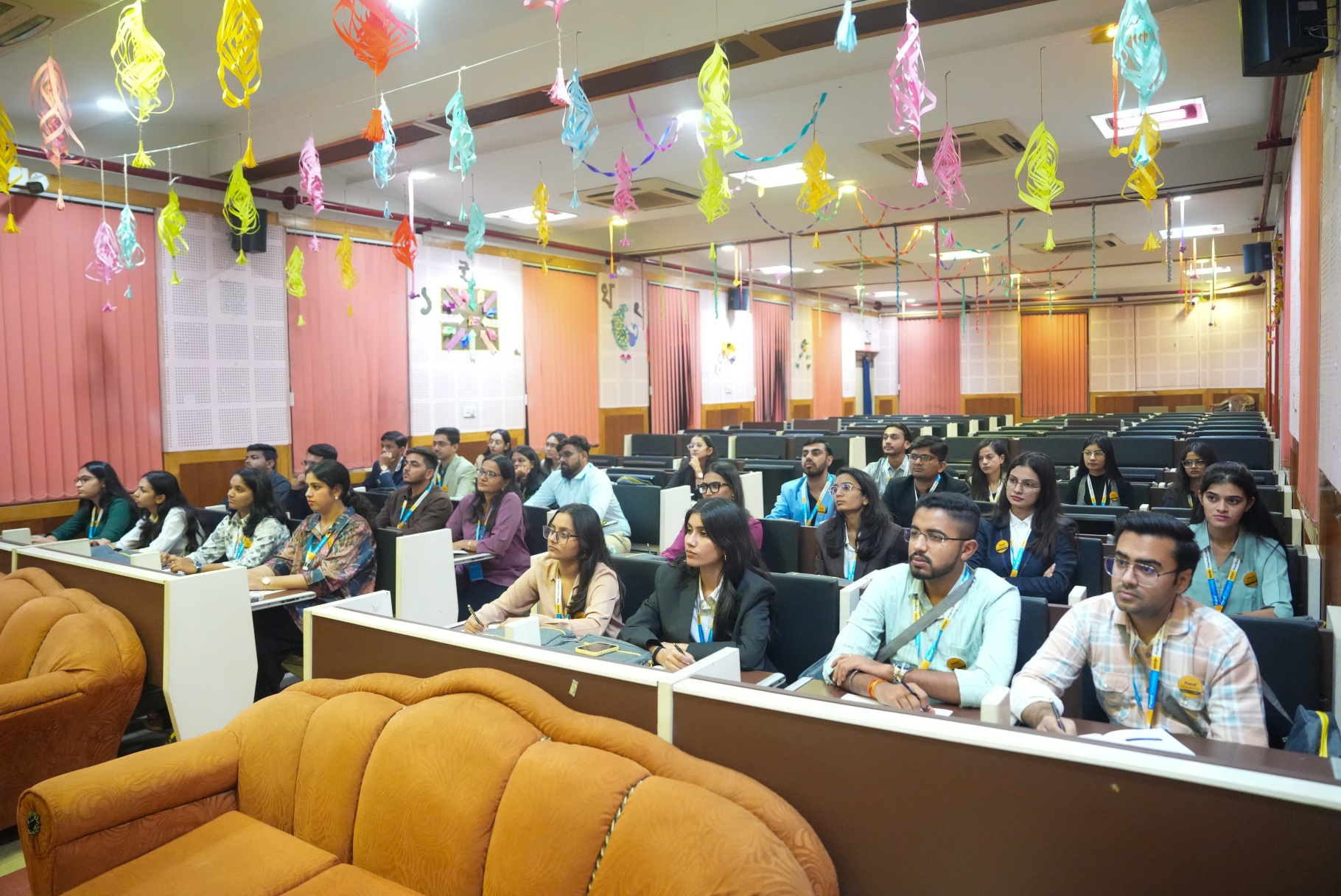
Calcutta Homoeopathic Medical College adds another layer to all of this, being among the oldest and most respected institutions the discipline has produced anywhere in India. BHMS students from Parul University spent four days inside this. Four days where homoeopathy was not being explained or defended but simply practiced, at a scale and with a consistency that is difficult to argue against once you have seen it functioning. For students who have heard the familiar criticism that homoeopathy lacks scientific grounding, Kolkata offered something more useful than a counter-argument. It offered evidence and if you too wish to become a homeopathy doctor, then enrol into Parul University’s BHMS – Bachelor of Homoeopathic Medicine & Surgery Program.
Parul University’s Practical Learning Tour programme has run 146 tours. Nineteen cities, and 280 companies. This Kolkata visit for BHMS students came under that same programme, structured specifically as an Academic Scholarship Tour. The university itself holds NAAC A++ with a CGPA of 3.55, and the homoeopathy side of things is backed by four NABH-accredited hospitals and recognition from the National Commission for Homoeopathy.
Shivam Patel on Homeo Tour to Kolkata
Admissions for Homeopathy are Live, Learn BHMS at Parul University
Kolkata: Why This City Is the Hub of Homoeopathy in India
Kolkata is not an arbitrary destination for a homoeopathy tour. It is where homoeopathy established its deepest roots in India. The National Institute of Homeopathy is the largest medical college in the country under the Ministry of AYUSH, operates right here. DACRRI, a certified research institute under CCRH aka Central Council for Research in Homeopathy, conducts clinical trials & virology research.
Then there is the P. Banerjee clinic, which has been running continuously across five generations of the same family. The protocols developed there have drawn attention internationally, not because of reputation alone but because practitioners in other countries have looked at the outcomes and wanted to understand the methodology behind them.
Mohd Huzefa Delani on Homeo Tour To Kolkata
Calcutta Homoeopathic Medical College adds another layer to all of this, being among the oldest and most respected institutions the discipline has produced anywhere in India. BHMS students from Parul University spent four days inside this. Four days where homoeopathy was not being explained or defended but simply practiced, at a scale and with a consistency that is difficult to argue against once you have seen it functioning. For students who have heard the familiar criticism that homoeopathy lacks scientific grounding, Kolkata offered something more useful than a counter-argument. It offered evidence and if you too wish to become a homeopathy doctor, then enrol into Parul University’s BHMS – Bachelor of Homoeopathic Medicine & Surgery Program.
Parul University’s Practical Learning Tour programme has run 146 tours. Nineteen cities, and 280 companies. This Kolkata visit for BHMS students came under that same programme, structured specifically as an Academic Scholarship Tour. The university itself holds NAAC A++ with a CGPA of 3.55, and the homoeopathy side of things is backed by four NABH-accredited hospitals and recognition from the National Commission for Homoeopathy.
Day 1 - Classical Clinic Practice & Pharmaceutical Manufacturing
Calcutta Homeopathic Medical College & Hospital
Dr Rajat Chattopadhyay took the students through the OPD. What happened there was not a guided tour in any conventional sense. He was seeing patients. Students stood close enough to watch how a case actually gets taken, not from a textbook framing of it but the real version, where the patient is in front of you, where the history comes out in pieces, where the clinical reasoning has to move quickly and still stay grounded. There is no simulation that replicates what that feels like the first time you see it done properly.
Shrusti Barot on Homeo Tour to Kolkata
Dr Parth Sharma, who is currently a PG Scholar, said the experience changed something in how he approaches clinical thinking. That is not a small thing to say midway through a postgraduate programme. Satakshi Kumar spoke about Dr Chattopadhyay directly, said the interaction stayed with her, and described the day’s exposure, both inside the hospital and the institution more broadly, as excellent.
Das Institute of Medical Science and Research
Students interacted with Dr A.K. Das, gaining exposure to a different institutional approach to homoeopathic education and clinical practice.
IHR (International Homoeo Research) Pharmaceuticals
Shivam Patel described a Q&A session with the MD Mr Sanjay Kar, where students learned how to set up a company in the homoeopathic field. They toured the manufacturing plant, observed the machines used, and understood how homoeopathic medicines are manufactured at scale. He wrote: visiting this company I got ideas about startup and leadership.
Day 2: Academy Training, Industrial Exposure, and India's Largest Homoeopathic College
Hahnemann Academy of Homoeopathy (Dr Biswajeet Basu)
Dr Biswajeet Basu provided clinical training and academic insights. Satakshi described the interaction as valuable, noting the academy’s structured approach to homoeopathic education.
HAPCO Pharmaceuticals
HAPCO Industries Pvt Ltd is known for quality maintenance and a large number of SKUs (Stock Keeping Units). Shivam Patel described getting exposure about the production of medicine and the machines they use, noting that HAPCO has larger production units than many competitors. Students observed trituration, potentisation, standardisation, and quality testing in real time, connecting pharmaceutical manufacturing theory to actual practice.
National Institute of Homoeopathy (NIH), Kolkata
NIH as known as National Institute of Homeopathy, Kolkata, is the largest homoeopathic medical college in India. It runs under the Ministry of AYUSH, Government of India. Students knew this before arriving. Knowing it and standing inside it are two different things entirely.
4000+ patients are treated on daily basis, daily. That number kept coming up in how students described the visit afterwards, and it should. Most clinical settings that BHMS students encounter during their programme do not operate anywhere near that volume. The hospital was well equipped, case books were thorough and reflected real clinical discipline, and patients were satisfied with what they were receiving. Shivam Patel said it plainly: this was the best part of the tour. The highlight – they gain everything the group had already seen across the previous days, that is a significant thing to say.
Samiya Makrani described NIH as one of the premier institutes under the Ministry of AYUSH, one that treats education, research, and clinical practice as interconnected rather than separate departments that occasionally speak to each other.
Ishan Thummar called it one of the most prestigious homoeopathic institutions around. These are not polite observations. Students who have spent time inside the institution and watched how it actually functions tend to arrive at the same conclusion, and Parul University’s BHMS students were no different. If you too wish to pursue a career in homeopathy, explore homeopathy courses after 12th, Parul University.
Day 3: Research Labs, Virology, and Clinical Tips From a Former NIH Director
DACRRI: Dr Anjali Chatterjee Regional Research Institute for Homoeopathy
DACRRI is a certified research institute under CCRH (Central Council for Research in Homoeopathy). Students toured the facility in batches, visiting the OPD, Pathology Lab, Chemistry Lab, Pharmacology Lab, Virology Lab (established 2017), Histopathology Lab, and Animal House. The institute conducts clinical trials on hypothyroidism, diabetes, diarrhea, COVID-19, and hypertension. Students also had an insightful interaction with Dr Aarti Soren at the institute.
Dhruvi Panchal on Homeo Tour to Kolkata
The research focus areas span drug standardisation (ensuring quality and consistency of homoeopathic medicines), pharmacological studies, microbiology and biology research, and virology research (studying how homoeopathic medicines act against viruses using human cells, cell lines, and mice, analysing gene regulation and molecular mechanisms of drug action).
Scientists introduced to students included Dr Suraia Parveen (Scientist III, Clinical Research), Dr Partha Pratim Pal (Scientist II, Clinical Research and OPD), Dr B. Biswas (Chemistry and Drug Standardisation), Dr G.V. Narasimha Kumar (Pharmacology), Dr Abhi Shah Sarkar (Biology/Microbiology), and Dr Vara Prasad (Pharmacology Research Associate).
Samiya Makrani described the visit as highlighting the institute’s structured approach to clinical research and public health, noting the Animal House facility supporting pre-clinical studies. Shivam Patel wrote that the institute proves the medicine, that they have renowned scientists and digital machines, and that students learned about ongoing research and how to join.
Mahesh Bhattacharya Homoeopathic Medical College and Hospital
Students gained additional clinical and academic exposure at one of the Kolkata’s established homoeopathic teaching institutions. Lead ahead the future of homeopathy with industry-aligned expertise by pursuing Doctor of Medicine Homoeopathy (MD) from Parul University!
Hahnemann Academy: Dr Samit Ghosh, Former NIH Director
Dr Samit Ghosh, Former Director of the National Institute of Homoeopathy, provided clinical tips and shared his vision for academic and clinical excellence. Dr Parth Sharma described the interaction as truly inspiring, noting his vast experience, clarity of thought, and vision. Samiya Makrani wrote that the discussion provided valuable perspectives on clinical reasoning, research orientation, and evidence-based practice, and reinforced the significance of continuous learning and mentorship. Ishan Thummar noted learning many things about homoeopathy from the interaction.
Day 4: The Banerjee Protocol Clinic (5 Generations)
P.Banerjee’s Research Clinic has a legacy spanning five generations. The present owner is Dr Isha Banerjee. The clinic operates on the Banerjee Protocols: specific, structured protocols for the indication of medicines. Shivam Patel described the visit in detail: there were many patients satisfied with treatment and giving positive reviews, consultation is free, they provide pan-India delivery, and they have an emergency kit.
Samiya Makrani described gaining valuable understanding of the Banerjee Protocol, its structured approach, clinical applicability, and patient-centric outcomes in homoeopathic practice, calling it a meaningful learning experience highlighting evidence-based methods and disciplined case management. Satakshi described the insightful interactive session with Dr Isha Banerjee, noting that the four-day tour provided remarkable exposure to renowned institutions and eminent homoeopaths.
What the Research Institute Revealed About Homoeopathy's Scientific Foundation
The DACRRI visit addressed the question every BHMS student encounters: is homoeopathy scientifically valid? The institute’s answer is operational, not rhetorical:
- A virology lab (established 2017) studies how homoeopathic medicines act against viruses using human cells, cell lines, and mice. Researchers analyse gene regulation (up-regulation and down-regulation) and molecular mechanisms of drug action. This is bench-level science, not anecdotal evidence
- Clinical trials on hypothyroidism, diabetes, diarrhea, COVID-19, and hypertension follow research protocols comparable to allopathic clinical research
- Drug standardisation ensures that homoeopathic medicines meet quality and consistency standards, addressing the criticism that homoeopathic preparations are not standardised
- The Animal House supports pre-clinical studies, providing a pathway from laboratory research to clinical application
For BHMS students who study Organon and Materia Medica in classrooms, seeing these principles subjected to molecular analysis and controlled clinical trials in a certified research institute changes the frame. As one Quora respondent (Shrushti) wrote: seeing research work, large OPDs, and different styles of practice gave clarity and confidence. Another (Adil) wrote: it did not erase criticism, but it definitely gave clarity and confidence in my own learning.
30 Plus LinkedIn Posts + 25 Plus Quora Answers
9 students documented the tour on their personal LinkedIn profiles: Dr Parth Sharma (4 posts covering P. Banerjee Clinic, Calcutta Homoeopathic Medical College, NIH, and Dr Samit Ghosh), Satakshi Kumar (5 detailed day-by-day posts), Shivam Patel (5 posts covering IHR, HAPCO, NIH, DACRRI, and P. Banerjee with operational insights), Samiya Makrani (4 posts covering NIH, DACRRI, Banerjee Clinic, and Dr Samit Ghosh), Ishan Thummar (3 posts), Bansari Sathwara (4 posts), Dhruvi Panchal, Mohd Huzefa Delani, and Shrusti Barot (4 posts).
Dr Parth Vedpal Sharma on Homeo Tour to Kolkata
On Quora, 25+ answers referenced the tour across questions such as: Is Parul Medical College good? Are educational tours useful or just for fun? How does Parul University provide practical exposure? Why should I choose Parul University? Is studying BHMS from a private college good? How to select a good BHMS college? Where to explore homoeopathy in India? The answers consistently described the tour as a bridge between theory and clinical confidence.
Ishan Thummar on Homeo Tour to Kolkata
Vishva wrote on Quora that what helped in judging a good college was the exposure provided: regular hospital OPDs, clinical discussions, and opportunities beyond the classroom. The Kolkata tour exposed students to different systems, patient loads, and teaching approaches, helping them understand what truly matters in a BHMS college.
Shivam answered a question about educational tours by explaining that the visits were structured for learning, not sightseeing. Listening to doctors, observing OPDs, research labs, and manufacturing units made students realise concepts that textbooks alone could not convey.
Krishna added that participating in an academic trip across colleges, hospitals, research institutions, and pharmaceutical units provided real insight into how homoeopathy functions beyond classroom learning.
Satakshi Kumar on Homeo Tour to Kolkata
The Institutional Foundation
This tour is one of 146 Practical Learning Tours Parul University runs across 19 cities covering 280 companies. The BHMS programme operates within: NAAC A++ (CGPA 3.55), 4 NABH-accredited Homoeopathic hospitals, recognition from the National Commission for Homoeopathy (NCH), 7 NABH-accredited hospitals across the university (1 Allopathy and Super-speciality, 2 Ayurved, 4 Homoeopathic), 2,200+ recruiters with 60 LPA highest placement, Rs 58.31 crore in government-funded research through the Micro Nano Research and Development Center (MNRDC), and 254 startups incubated through PIERC.
Frequently Asked Questions
Is Parul University good for BHMS?
Based on verified student documentation: 30+ LinkedIn posts from 9 students document a 4-day Kolkata tour covering NIH (largest homoeopathic college in India, 4,000+ daily patients), DACRRI research institute (virology lab, clinical trials on COVID-19, diabetes, hypothyroidism), Calcutta Homoeopathic Medical College (Dr Rajat Chattopadhyay), P. Banerjee's 5-generation clinic (Banerjee Protocols), and HAPCO/IHR pharmaceutical units. 25+ Quora answers independently reference the tour. Parul University operates 4 NABH-accredited Homoeopathic hospitals and holds NAAC A++ (CGPA 3.55).
What did students see at NIH Kolkata?
The National Institute of Homoeopathy, the largest homoeopathic medical college in India under the Ministry of AYUSH. Students described: approximately 4,000+ daily patient flow, well-equipped hospital, thorough case books, satisfied patients, and a comprehensive OPD system with referral documentation. Shivam Patel called it the best part of the tour.
Does DACRRI conduct scientific research on homoeopathy?
Yes. DACRRI has a virology lab (established 2017) studying homoeopathic drug action against viruses using human cells, cell lines, and mice, analysing gene regulation and molecular mechanisms. Clinical trials cover hypothyroidism, diabetes, diarrhea, COVID-19, and hypertension. Drug standardisation ensures medicine quality. The Animal House supports pre-clinical studies. Six named scientists work across clinical research, chemistry, pharmacology, and microbiology.
What are Banerjee Protocols?
Specific structured protocols for the indication of homoeopathic medicines, developed across 5 generations at the P. Banerjee clinic in Kolkata. Dr Isha Banerjee (current owner) briefed Parul University students. The clinic provides free consultation, pan-India delivery, and maintains an emergency kit. Students described the approach as evidence-based and patient-centric.
Is studying BHMS from a private college worthwhile?
Quora answers from Parul University students consistently state that private colleges work well when they provide genuine clinical exposure and learning beyond campus. Tanvi wrote: a private college can be good if its aim is learning, clinics, and exposure, not just the private tag. Vishva wrote: what helped me was the exposure, regular hospital OPD, clinical discussions, and the academic tour to Kolkata. The quality of the attached hospital and patient flow matters more than the government or private label.


