

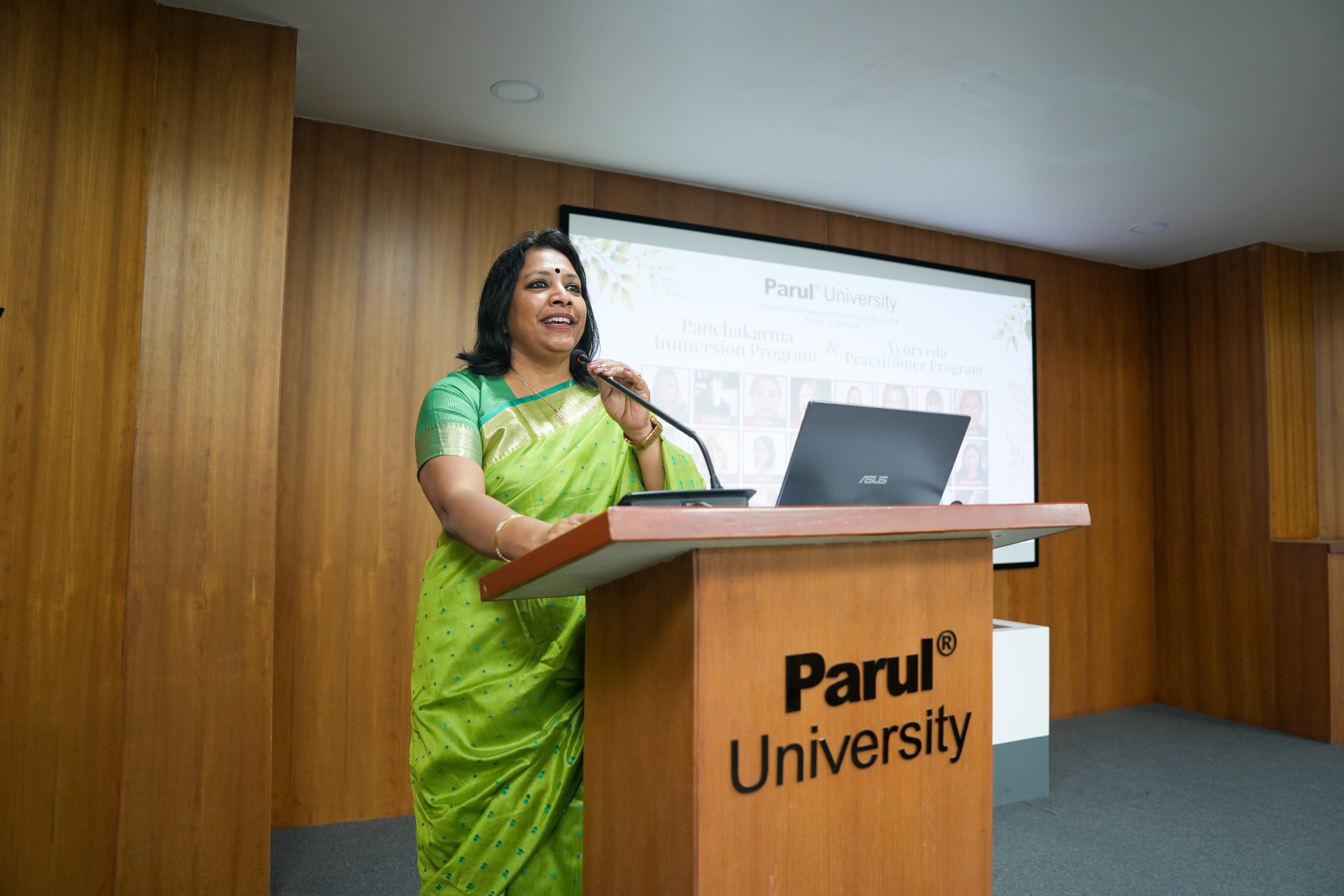
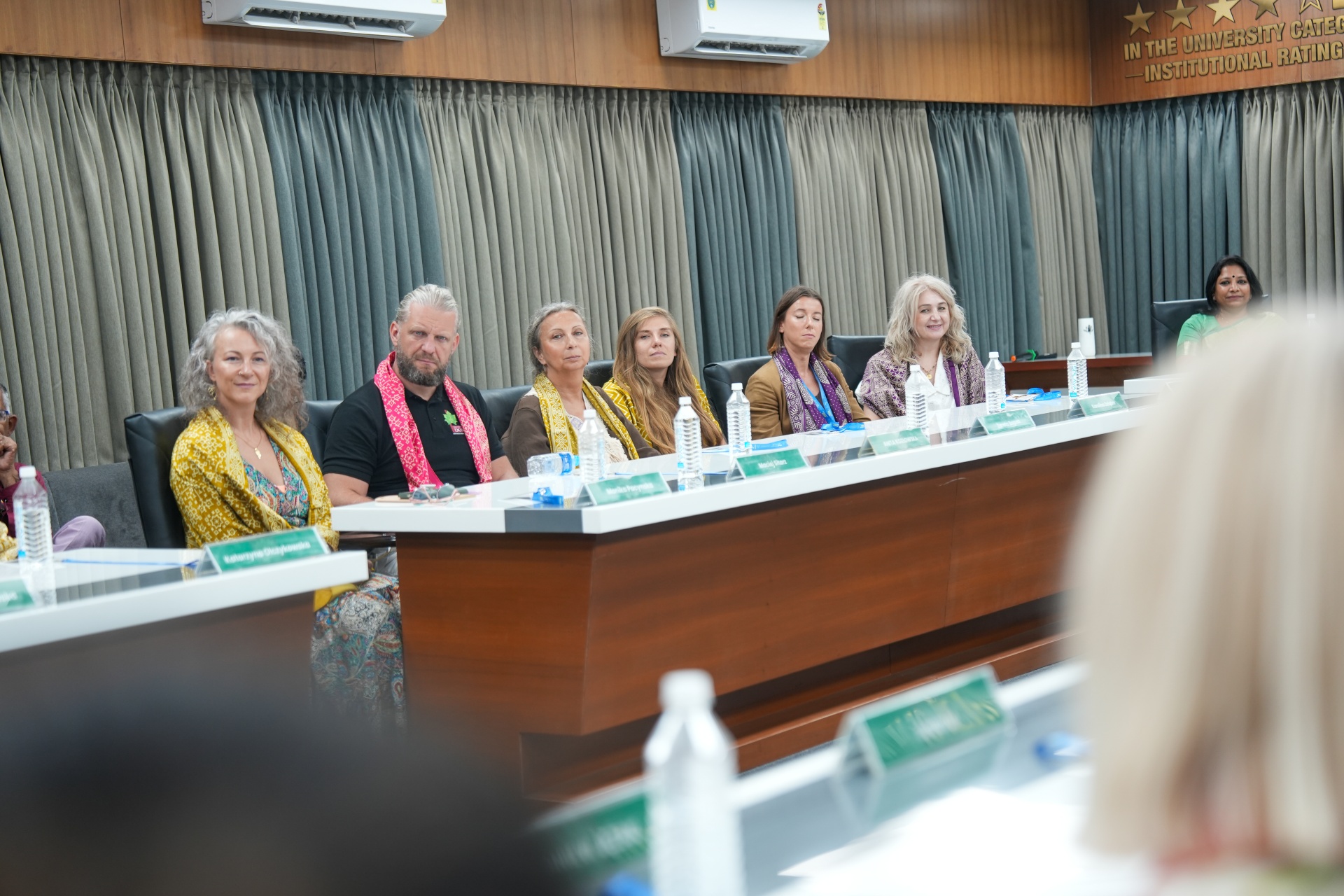
In August 2026, Parul University welcomed a delegation of 24 practitioners from Poland to study Ayurveda through two intensive international programs: the two-week Panchakarma Immersion Program (PIP) and the three-week Ayurveda Practitioner Program (APP) , offering more than 50 hours of learning. It was, as the university framed it, a bridge between two countries, and a chance to study one of India’s oldest knowledge systems where it was born.
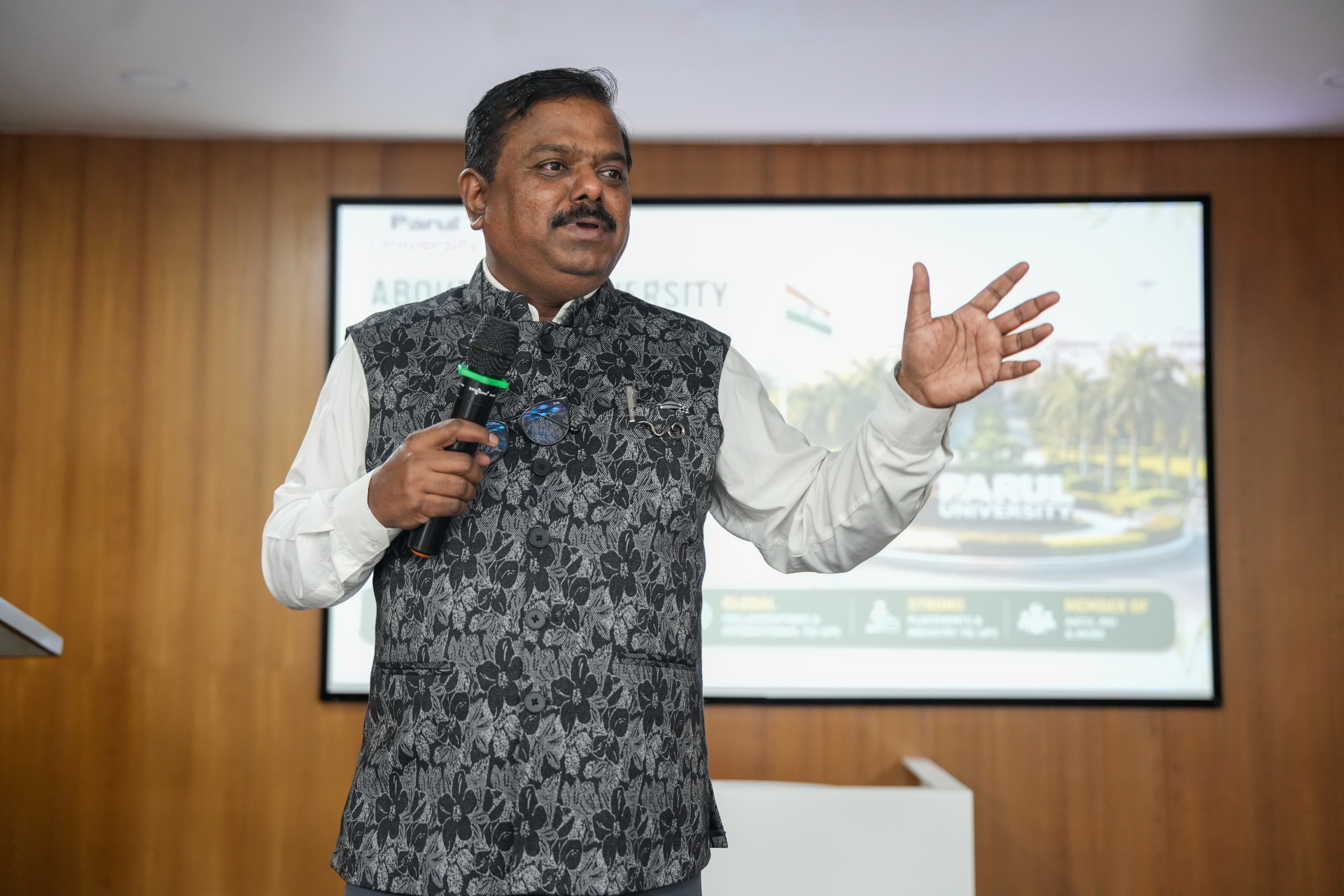
The programs reflect a deliberate philosophy. Dr. Preeti Nair, Director of the Center for International Relations and Research (CIRR), explained that since the university cannot send all its local students abroad, it brings the world to its campus instead, giving students at home genuine exposure to other cultures. Dr. Hemant Toshikhane, Dean of the Faculty of Ayurveda, opened the inauguration by welcoming the guests in Polish, and framed the day as bringing world cultures and healing traditions into one room. Dr. Komal Patel, Vice President and Medical Director, noted that India’s traditional knowledge, and the growing international interest in it, opens real avenues for academic and cultural exchange.
Who Came, and Why
What made the cohort remarkable was its range. These were not students in the usual sense but established professionals seeking something Ayurveda offered. Among them: a physiotherapist wanting to help patients recover; a psychologist curious how food and sleep shape mental well-being; a former lawyer who, after a period of severe burnout, rebuilt her life around wellness; an art-and-design academic who weaves traditional health ideas into her creative work; and a lifelong tennis coach convinced that daily movement is the best medicine. Their coordinator, Ms. Joanna Pajak, herself once worked in the aviation industry before becoming a natural therapist. Almost all shared one conviction: that the best place to learn this science is the country where it originated.
What They Studied
The curriculum was both theoretical and hands-on. Sessions moved from the foundations of Ayurveda, its view of health as a balance of body, mind, and spirit, through the doshas, Agni (digestive fire), and the classical Panchakarma purification therapies, into specialised areas: dietetics, ophthalmology, marma therapy, lifestyle and circadian-rhythm counselling, classical formulations, and Shirodhara, the signature head-centred oil therapy. Crucially, the teaching was practical: Dr. Komal Patel instructed the faculty to teach only recipes and methods the visitors could recreate with simple ingredients at home, so the knowledge would travel with them.
A Two-Way Exchange
For the faculty, teaching international practitioners was its own education. Several were struck that the Polish participants already knew Ayurvedic basics like the doshas, which made deeper teaching easier; others found that the participants’ eagerness dissolved any worry about the language barrier. As one teacher reflected, a genuine desire to learn removes communication barriers entirely. The exchange ran both ways: Indian faculty shared a science, and the visitors brought their own professional backgrounds, in psychology, physiotherapy, coaching, and art, to the way they absorbed it.
A Family, Not Just a Cohort
By the closing ceremony on 29 August, the mood was emotional. A video of the three weeks moved many to tears; delegates spoke of friendships for life and of the warmth of the people they had met, and promised to carry the knowledge back to their clinics and families in Poland. Dr. Bhagwan Kulkarni, Principal of the Parul Institute of Ayurveda, addressed them as family, invoking the Indian idea of the world as one family, and invited them to return for more advanced study. Certificates went not only to the delegates but to the Parul faculty and student coordinators whose work made the program possible.
They came as students, but they leave as friends, and the doors of the university will always be open to them.
– Dr. Hemant Toshikhane, Dean, Faculty of Ayurveda, Parul University
Why It Matters
Programs like the APP and PIP are evidence of a real global classroom. They advance India’s traditional knowledge on the world stage, support the national vision of India as a study destination, and give Parul University’s own students the experience of learning alongside international practitioners. That the event drew wide national press coverage, and that 24 professionals travelled across the world to take part, speaks to something genuine: a university treated as a serious home for Ayurveda, chosen by those who could study it anywhere.
Frequently Asked Questions
What are the APP and PIP programs at Parul University?
The Ayurveda Practitioner Program (APP) and Panchakarma Immersion Program (PIP) are international training programs at Parul University that teach Ayurveda to overseas practitioners. In August 2026, they hosted 24 practitioners from Poland: a two-week PIP (13 participants) and a three-week APP (11 practising practitioners), offering 50+ hours of theoretical and hands-on learning in Ayurveda and Panchakarma.
Can international students learn Ayurveda in India at Parul University?
Yes. Parul University offers international programs, including the APP and PIP, that teach Ayurveda to practitioners and learners from around the world, combining theory with practical demonstrations. Through its Center for International Relations and Research, it regularly hosts international delegations, and offers full Ayurveda degrees, giving global learners the chance to study the science in the country where it originated.
What did the Poland delegation study?
The delegation studied the foundations of Ayurveda (its view of health, the doshas, and Agni), the classical Panchakarma purification therapies, and specialised areas including dietetics, marma therapy, Shirodhara, classical formulations, and lifestyle counselling, taught with an emphasis on simple methods they could recreate at home. The programs combined theoretical sessions with hands-on demonstrations.


