

On 6 October 2026, Parul University’s Central Auditorium hosted a Youth Dialogue on Leadership, Governance, and Viksit Bharat 2047, India’s national vision for its centenary year. The guest was Mr. Berjis Desai, a distinguished lawyer, author, journalist, and public-affairs professional, in a moderated conversation followed by a student Q&A. Structured around his recent book, the session gave students across disciplines, from Law to Journalism and Mass Communication, direct access to a seasoned public thinker, exactly the kind of exposure a university exists to provide.
A Conversation, Not a Lecture
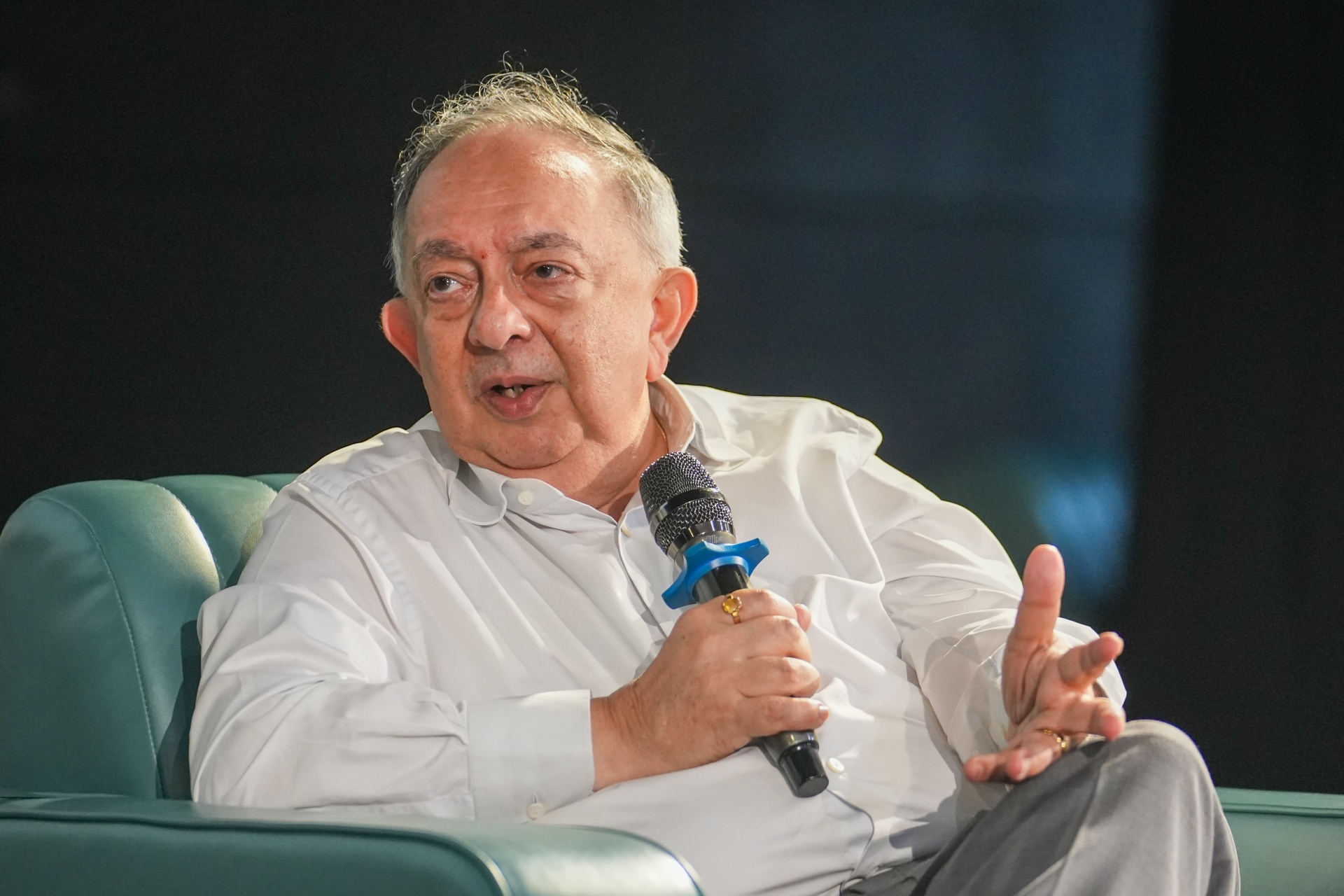
The theme was set by a single provocative line: “2047 is closer than it sounds. What should India look like then?” Moderated as a relaxed conversation rather than a formal address, the dialogue ranged across leadership, governance, and the future of the country, and then opened the floor to students. Mr. Desai, who noted that he writes as an independent author with no political affiliation, engaged the audience directly, the format deliberately built so that students could question, probe, and interact rather than simply listen.
Adversity Shaping Leaders
The speaker Mr.Desai shared how a real leader looks. He emphasised resilience, discipline, and service as the base of leadership. Talking about how difficult situations can shape a character rather than limit it. People think that one mishap or adversity is the end, but Mr. Desai said rather it shapes you. It makes you a better person and a leader. To which hall full of students could relate who are making their way to their dream career.
The Opportunity This Generation Has
Where the dialogue became most direct was in what Mr. Desai told the students about their own moment. By 2047, he pointed out, those in the hall would be in their early forties, at the peak of their lives, positioned to both shape and benefit from the India that emerges, provided they contribute to it rather than simply wait for it. His framing of the present was strikingly optimistic.
There are no dead ends today. Money is available for startups and innovation, and anyone with talent, energy, and a zeal for hard work has unlimited scope.
– Mr. Berjis Desai, to students at Parul University
He urged students to pursue whatever they do with focus and perfection, to dream beyond a conventional job and create something of their own, and to balance ambition with integrity, noting there is no shame in building a successful career, so long as it is paired with character.
The Case for Service
The idea that stayed with the room most, by the moderator’s own account, was seva, service. Mr. Desai encouraged every student to give even a small portion of their time to serving others, whether their family, their community, or someone simply in need of counsel, and suggested that doing so would change how they view their own lives, progress, and relationships. He pointed students toward concrete avenues for contributing to nation-building, including youth-service programmes such as the NCC and the opportunities listed by the Ministry of Youth Affairs. It was practical civic guidance, the kind that turns an inspiring talk into a possible next step.
A Story That Captured It
Asked what students can learn from the setbacks of successful people, Mr. Desai shared an anecdote that landed powerfully. A top student at a leading technology institute received a job offer worth over a crore on his very first day. Asked what he would do with the money, the student paused and said he would use it to free the small rented room he shared with his widowed mother. For Mr. Desai, it was a perfect illustration of someone shaped, not daunted, by struggle, and of keeping one’s values intact even at the moment of success.
Engaging With Campus and Facilities
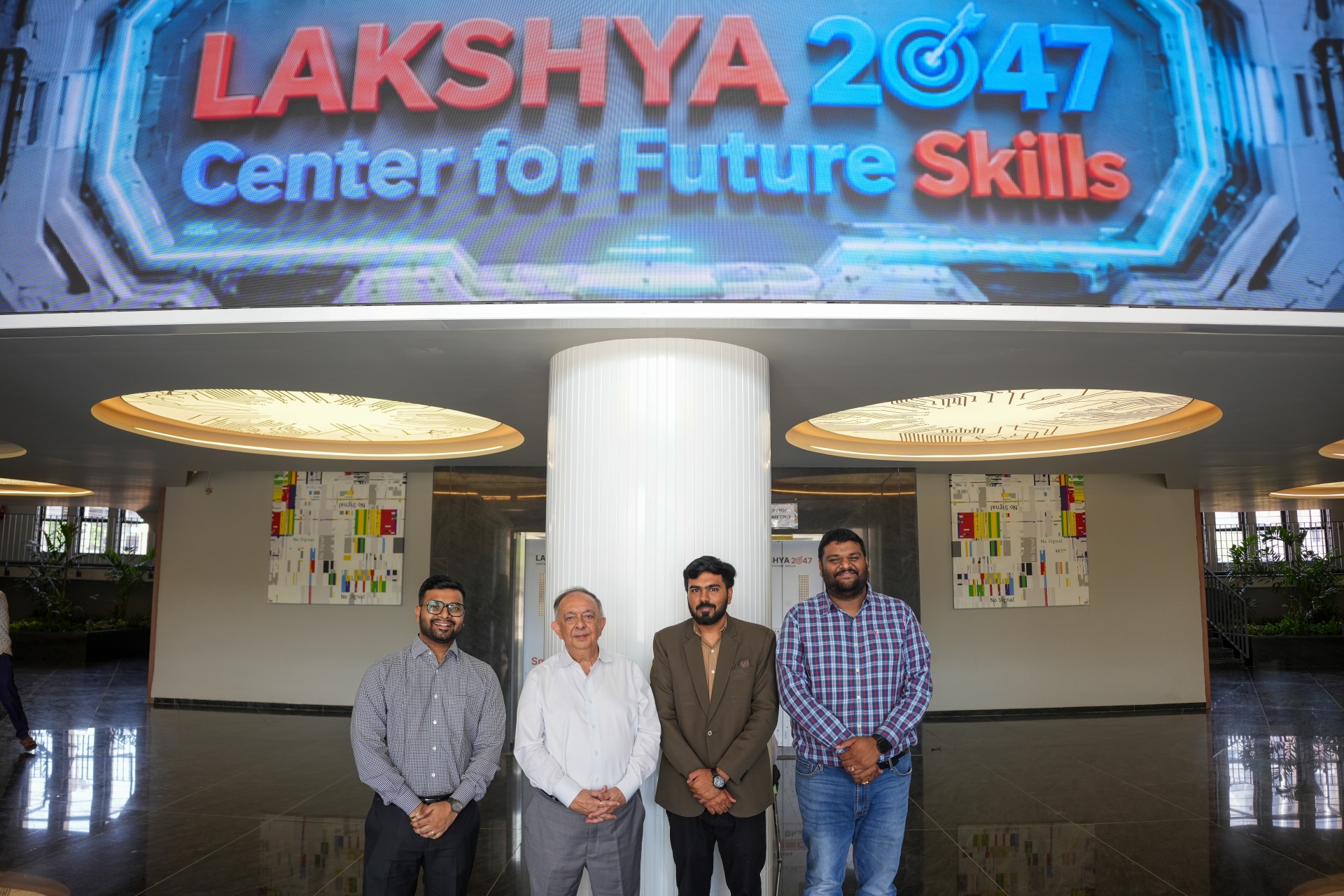
Beyond the auditorium, Mr. Desai toured the Parul University campus and took note of its technology and engineering infrastructure, expressing appreciation for the depth of the facilities the university has built for its students. For a guest who engages with public affairs and the national conversation on India’s technological future, seeing that capability first-hand on a university campus was a fitting complement to a dialogue about the country’s road to 2047.
Why Dialogues Like This Matter
It is worth stepping back to see what a session like this represents. Bringing accomplished authors, jurists, and public thinkers onto campus, and trusting students to question them directly, is a core part of a serious university education. In recent months alone, Parul University has hosted, in candid dialogue with its students, a Former Chief Justice of India, a Former Prime Minister of Finland, and now a noted author and public-affairs professional. The value for students is not agreement with any single viewpoint; it is the practice of listening critically, asking sharp questions, and forming their own considered opinions, which is exactly what Mr. Desai himself urged. As he advised one student, in an age of endless information, accept ideas that appeal to your reason and intuition, not your prejudice, and never accept something simply because an important person said it.
A Fitting Close
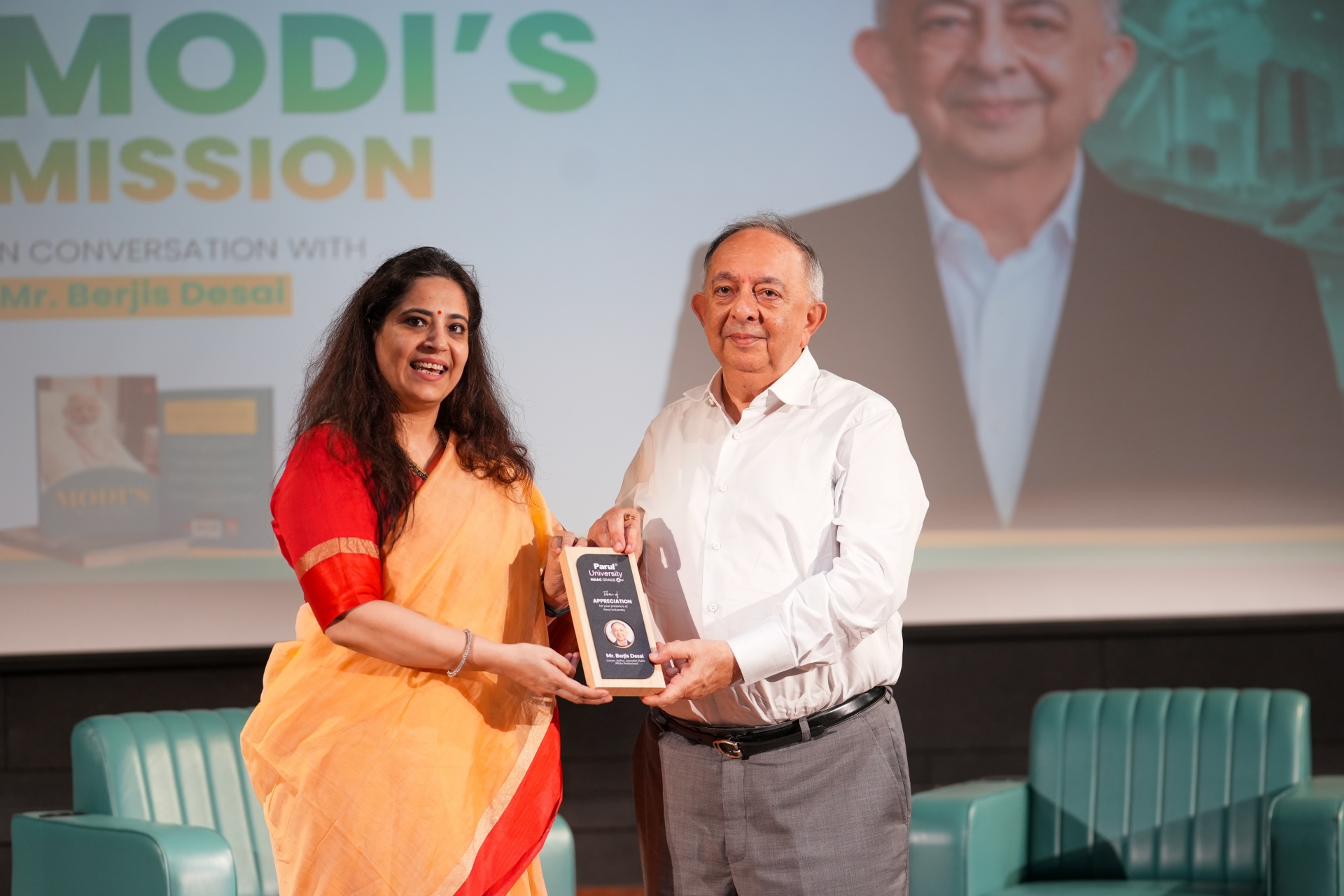
When the session ends, the takeaways are always meaningful and inspirational. The session was concluded by Pro-Vice-Chancellor Dr. Kunjal Shah, who felicitated Mr. Desai, followed by the National Anthem. The lesson was simple and more about the way of living: talent and hard work, paired with integrity and a spirit of service, are what let a person contribute to something larger than themselves, and the opportunity to do so has never been greater.
Frequently Asked Questions
What was the Youth Dialogue at Parul University?
The Youth Dialogue on Leadership, Governance & Viksit Bharat 2047 was a special guest interaction held at Parul University on 6 October 2026, featuring author, lawyer, and journalist Berjis Desai in a moderated conversation with students, followed by a Q&A. It focused on leadership, resilience, service, and the role young people can play in India’s future, giving students direct access to a distinguished public thinker.
What did students learn from the session?
The dialogue’s takeaways were about leadership and life rather than any single policy: that adversity can shape rather than limit a person; that this generation has unprecedented opportunities (“no dead ends”) in startups, innovation, and careers; that ambition should be paired with integrity; and that giving time to seva (service) can transform one’s outlook. Students were also pointed to concrete nation-building avenues such as the NCC and the Ministry of Youth Affairs.
What is Viksit Bharat 2047?
India has always welcomed new ideas. With support given through funding and guidance. Viksit Bharat is 2047 is India's goal for making India a fully developed nation by 2047. At Parul University’s youth dialogue, it framed a forward-looking conversation about what India could look like by then, and, more importantly, how today’s students, who will be in their forties by 2047, can contribute to building that future through their work, enterprise, and service.


