Filmmaking as a Career - Short Films & Cinematography!
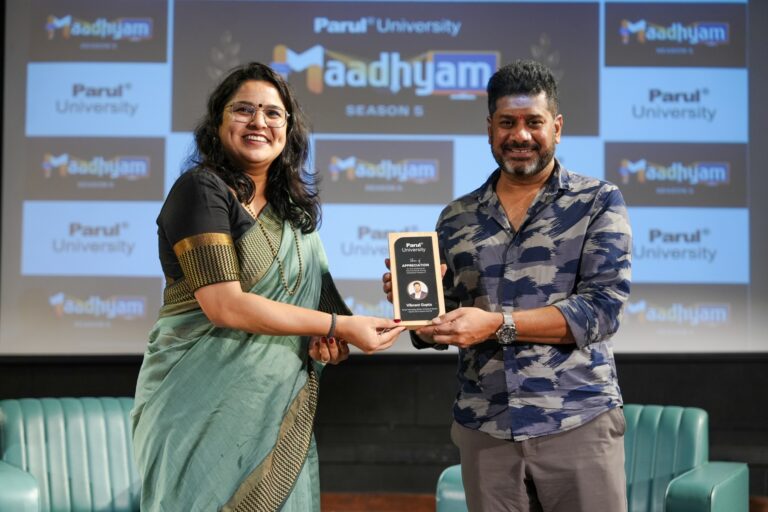
Filmmaking is an art of capturing moments in sync with precision and creativity. From the outside, it looks like glaring bright lights, and in close-up, there is a ton of detail, and that’s why it’s best to learn by doing. A short film, that is, is the best way to do that. It is with this philosophy that the short-film competition entitled ‘Scene to Screen’ has come into existence at the Maadhyam festival at Parul University, where the students wrote and took up filming their own short films and presented them before a professional jury. It is the lessons they have learned that form the foundation of a film career, and they begin where most beginners wouldn’t expect.
The script comes first!
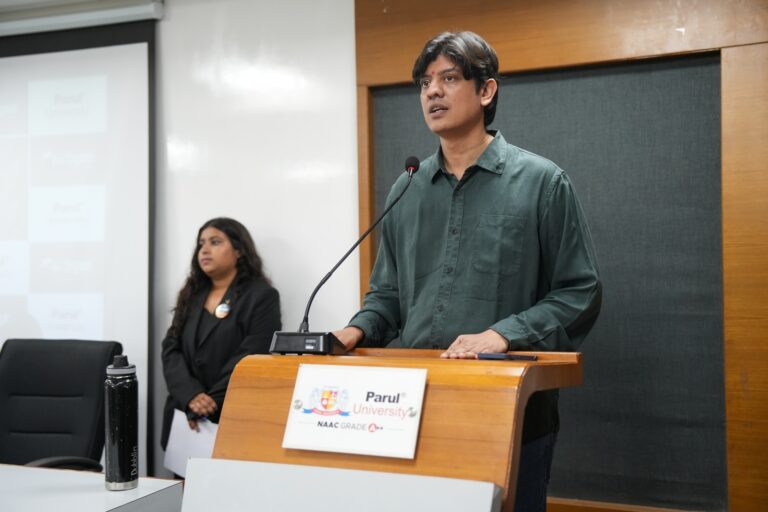
If there’s one thing more than any other that filmmakers learn over and over, it’s that the script is the bottom line and that anything short of it is not going to work. In the Scenario to Screen masterclass, director Devendra Malviya told the students that the story should be the priority and that a whole film is made from a single idea. To young writers and directors, he said, “Use what you see around you and not copy anything from another film, and also know what to cut out as well as what to put in.” This is a good thing for a beginner: it doesn’t take a lot of money to get going, you do need a story to tell, and you do need the discipline to tell it tightly.
The art of telling a story through pictures!
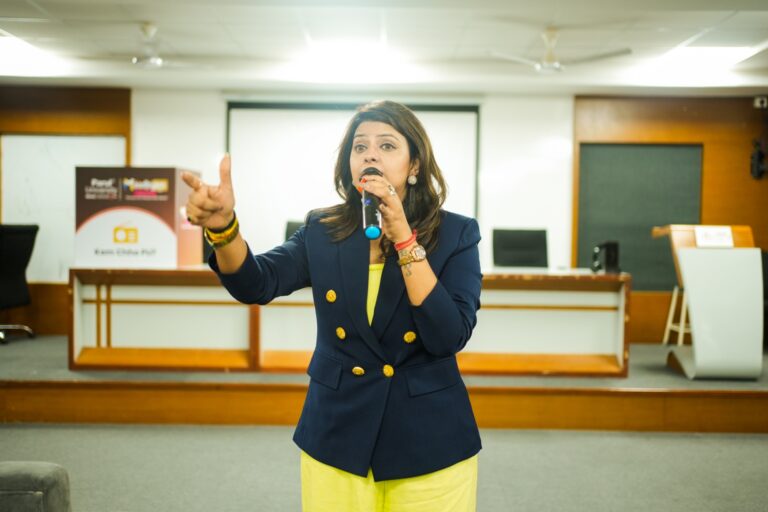
Cinematography is the language of a film, if the script is the foundation. Cinematography is the art of the camera and of visual grammar: the use of lights and shadows, frames, and movements. To carry emotion and meaning, rather than just to capture a scene. The lens served as a portal for emotion and not merely a tool for capturing images, and this was taught at Maadhyam by the cinematographer Santosh Thundiyil in his workshop. The cinematographer, or director of photography, is one of the most significant creative positions in any film and is a real profession in film, advertising, music videos, and online streaming. For those who are attracted to the visual side over the written, it can often be the best avenue to the industry.
A short film no lecture could teach!
Making a whole short film is valuable because it is a summary of the whole craft. The range of the student films submitted to Scene to Screen included a dialogue-less film with all action in the imagery and expression, a film set in one location and focused on a psychological thriller, a film about emotion in the campus environment, and a film about failure and persistence on skateboards. Both required their creators to confront genuine issues: poor sound and dialogue overlapping, pacing, and that sort of thing, which only becomes apparent with real shooting. The counselling that was brought by the professionals was similarly applicable: “Clean up the audio, trim what doesn’t work for the story, and keep a complex concept clear.
The roles in a film and the careers!
Film is made by teams, and a film education opens several distinct careers:
- Director: The creative lead who shapes the story and guides the whole production.
- Cinematographer/director of photography: Responsible for the camera, lighting, and visual look.
- Editor: Who assembles the footage into the final story, often where a film is truly made.
- Scriptwriter: Who builds the foundation everything else rests on.
- Producer and the wider crew: Who turn a plan into a finished film.
Beyond cinema, these skills now feed an enormous market for video content: brands, streaming platforms, newsrooms, and social media all need people who can tell a story on screen. A film or media-production education therefore leads to far more than feature films, which makes it a more practical choice than its reputation suggests.
What the craft really demands
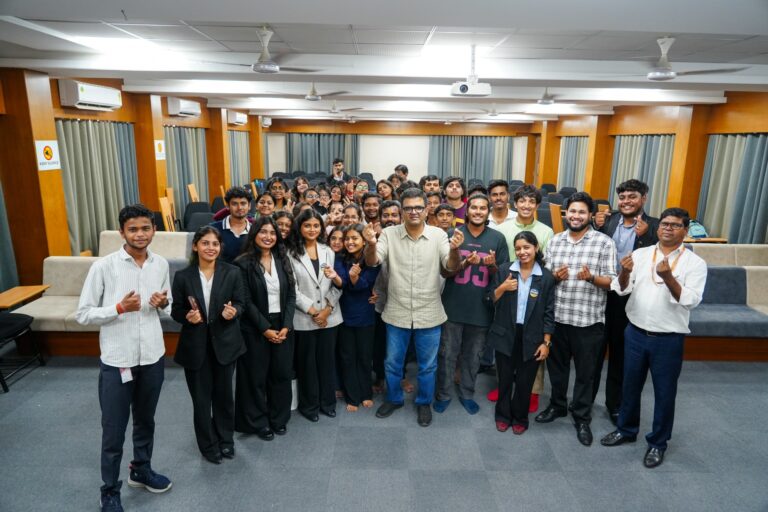
Working filmmakers are honest that the path is long. Devendra Malviya spoke about being almost 30 years old to make a film exactly how he envisioned and said that every artist is responsible towards the society for reflecting reality in truth. The craft is patient, takes small steps, and is humble. The place where a craft is developed is a film or media-production program that introduces students to working filmmakers and has students produce real films, which the Faculty of Arts at Parul University does with events such as Scene to Screen.