Understanding the skills required to become an RJ
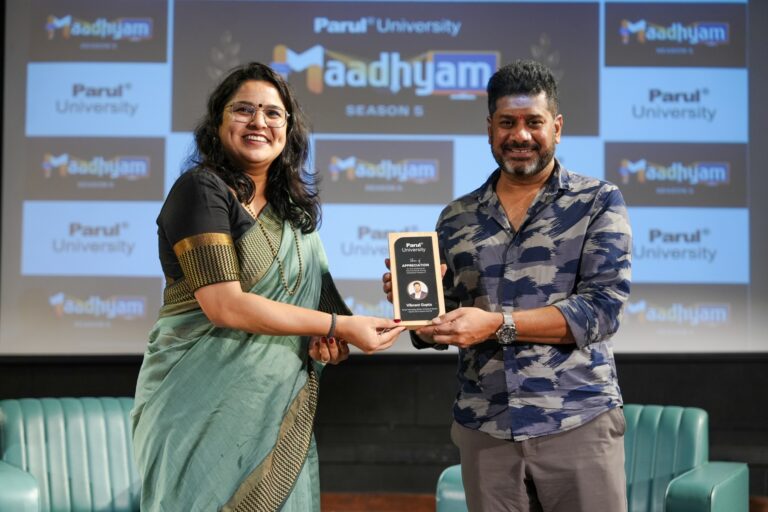
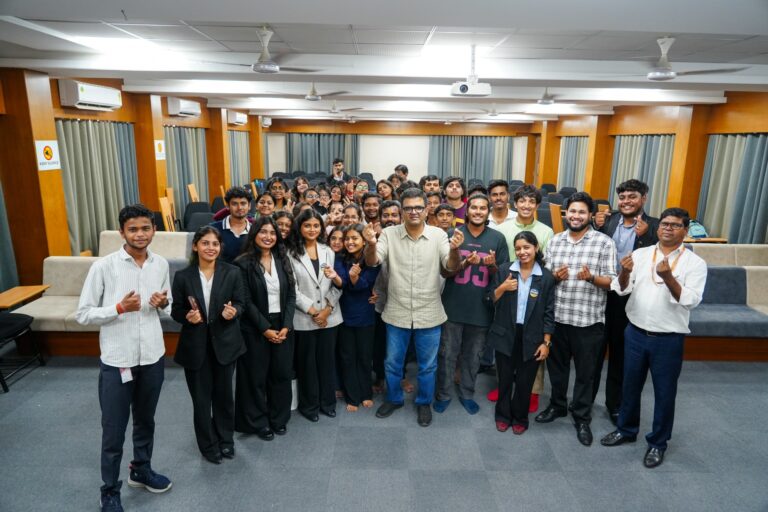
A radio jockey makes a living doing something harder than it sounds: holding the attention of people they cannot see, using voice alone. If you want to know how to become a radio jockey in India, the honest version is that it is part performance, part communication and part production, and all three are learnable with training and a great deal of practice. It is also a field that has grown well beyond FM radio: the same skills now power podcasting and a booming audio-content industry. At Parul University‘s Maadhyam festival, radio was taught and celebrated by working professionals, and the path they describe is clear enough to follow.
What a radio jockey actually does
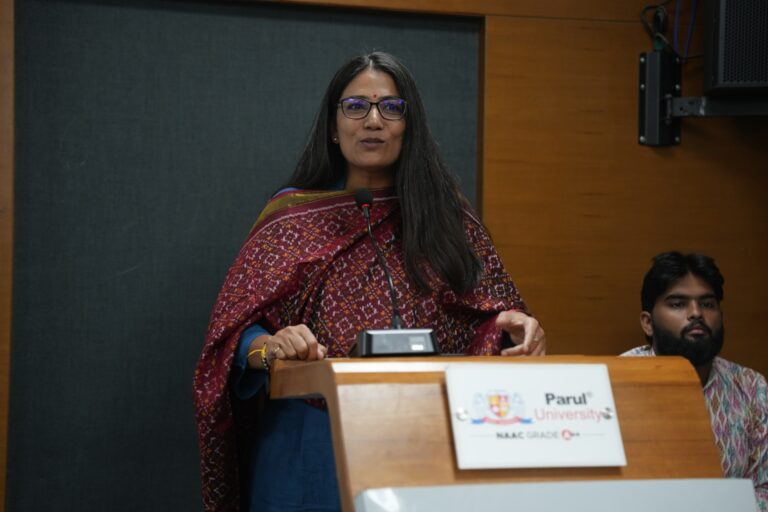
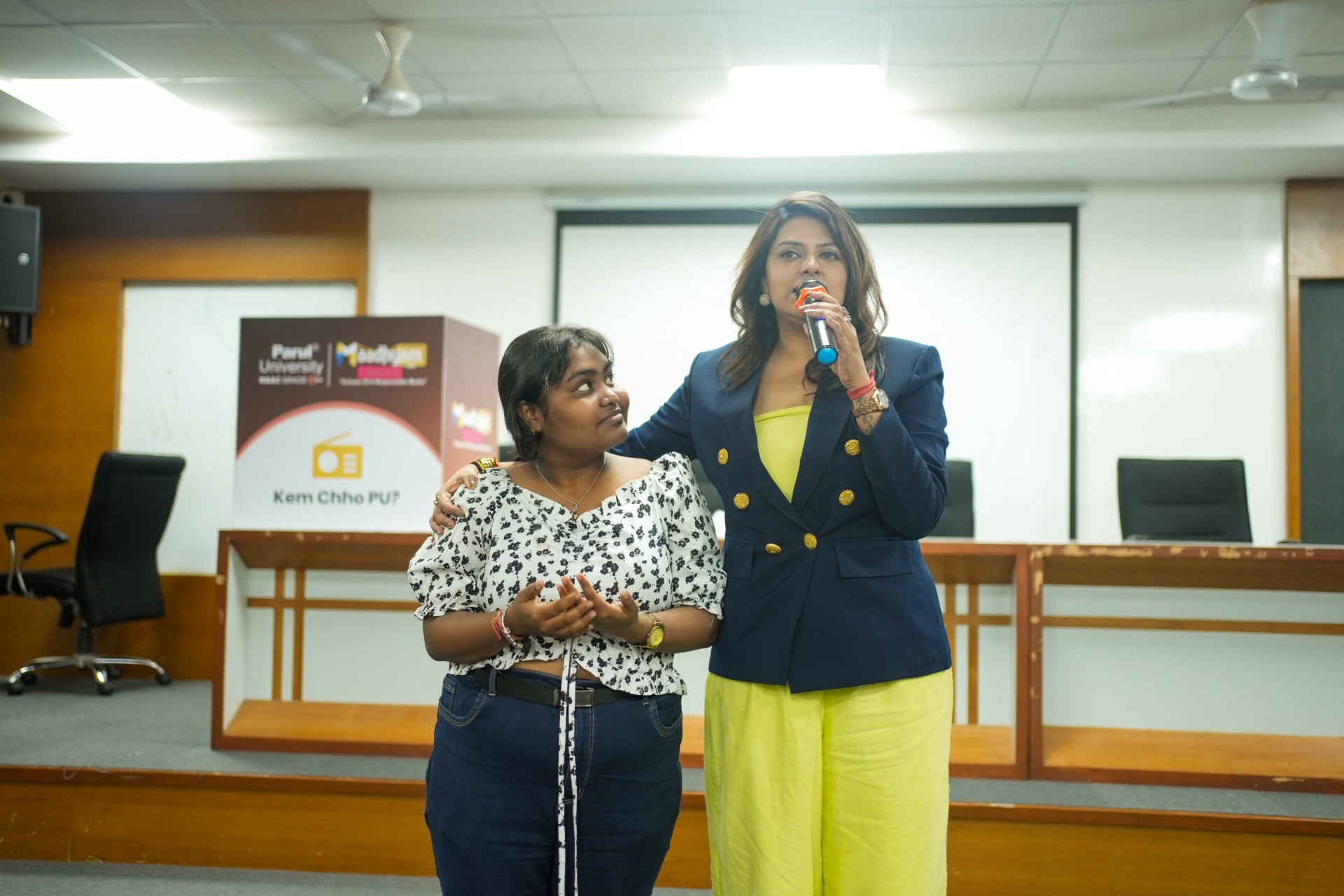
An RJ is not a mere purveyor of songs, but a host, entertainer, communicator, and sometimes even producer of his own show, all in one, in real time. The art was showcased at the Maadhyam by the senior radio jockey and audio producer Parima Jain, who conducted the Tune In workshop, which took radio seriously as a discipline and not just banter, and the festival’s chief guest, RJ Devanggana of Carvaan Club Hindi, who conducted the radio jockey workshop and assessed the campus radio-jockeying event. What both say is that the warmth and spontaneity that listeners hear is the result of a disciplined preparation and control, and not just put words without preparation.
The skills that matter
Radio jockeying rests on a specific and trainable set of skills:
- Voice and delivery: clarity, warmth, and control of tone and pace, so your voice alone carries energy and meaning.
- Spontaneity: the ability to speak naturally and keep a show flowing without sounding scripted, even when something goes wrong.
- Audience connection: creating the sense of a one-to-one conversation with a listener you cannot see.
- Scripting and preparation: writing and planning so that the easy, natural delivery has structure underneath it.
- Production basics: handling audio, timing and segments, increasingly essential as RJs produce their own content.
None of these are inborn talents. They are skills built through training and, above all, repetition, which is why practice on real shows matters more than theory.
Radio, podcasting and the wider audio field
The most important shift for a new RJ to understand is that audio is no longer only radio. Podcasting has become mainstream, and the skills of an RJ, voice, timing, scripting, audience connection and production, transfer directly to it. A trained audio professional today can work across FM radio, podcasts, audio content for digital platforms, voice work and audio production. That widening is good news: it means the skill set has a far larger market than radio stations alone, and someone who trains as an RJ is really training for the whole audio-content economy.
Also Read: How to make a career in filmmaking and cinematography?
How to become an RJ: the steps
The practical approach comprises four steps. It starts with, first is getting trained in radio or audio communication course. It is where you start with making foundations strong, with tools, including equipment and mentors. You can learn about the voices, how to master the voice performance. The next is second step is to practice, where you record, test and listen to yourself to polish your voice. You start with active participation in mock shows and get feedback and continuously upskill.
The third step is assembling a demo, a polished sample of one’s recorded voice that serves as a calling card that capitalizes on one’s abilities. Finally, it is important to gain public performance experience, starting with small audiences in a college radio station, or through an internship, or even a podcast. A media program that provides such training and opportunities, like the Faculty of Liberal Arts at Parul University, can shorten the first two steps and open up the next two.