One of the few jobs in which you can actually make real, visible contributions almost from the get-go, but you can also make a real mess of yourself in journalism. So if you are looking for how to become a journalist in India, you’ve got two answers to this question:
1) Acquire certain skills
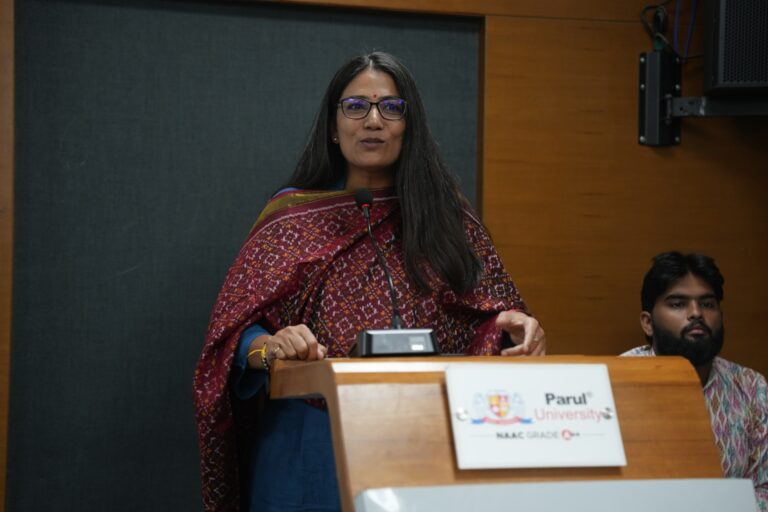
2) Place yourself in pressurised situations where you can practice those skills. The field provides judgment; a course provides the craft and newsroom exposure. The senior editor of The Times of India, Somit Sen, told students that the key to being a good reporter is to read, read, and read more, as reading widely would be what nurtures the general knowledge, leadership, and confidence a journalist carries.
Step 1 - To strengthen the fundamentals.
There are 3 skills that are more important than any qualification. The first is verification, which is the discipline of checking the truth of a fact before you publish it. Former NDTV executive Priyanshi Sharma, who is the founder of the independent newsroom, told students that accuracy was the product and not speed, and that her newsroom never had to delete any story, as it never comes first to break one. The second is clear writing, in print and on camera. The broadcast journalist Heem Brahmbhatt of ABP Asmita told students, The third is judgment on what is important, whether it is a matter of public interest or simply public curiosity. A difference for which the editor of the Indian Express, Anamni Gupta, drew a fine line for the students. The three key ones here are the three V’s: Verify, Communicate, and Judge.
Step 2 - The determination of choosing the right degree!
It is not a legal requirement to have a degree to be a journalist, and some journalists start by writing, blogging, or videography. A journalism/mass communication degree serves three valuable purposes, though: it teaches journalism in a systematic fashion, it provides newsroom and studio experience prior to being responsible for life-changing stories, and it leads to internships and first jobs. You can pursue a Bachelor of Arts (BA) in Journalism and Mass Communication after completion of Class 12 or an MA after the completion of a bachelor’s course.
Step 3: Understand the inner workings of a newsroom.
A lot of journalism is out of view. The TV newsroom is a place where 120 or more people work on the desk, input, output, camera, graphics, digital, IT, and legal, and finally, the anchor is the last link in the chain, Pinak Shukla, the channel head, told students. A print and digital desk, as Anamni Gupta put it, goes through verification, news-value checks, ethics, writing, packaging, and publishing a story, with the print version serving as a historical record of the day, while the digital version is updated minute by minute. This is important to know about this type of machinery because your first job will involve working in one of them, and you’ll be useful sooner if you know how it’s all supposed to work.
Step 4: Be familiar with the types of journalism.
Journalism isn’t just a single role. It divides in half according to the beat and according to the medium:
- Mediums – Print, television and broadcast, digital, and radio, has its own craft.
- By beat: Crime, politics, civic and infrastructure, business, sports, and more. Somit Sen started his career in crime, politics, and civic issues, followed by the beats that cannot be missed, and later in mobility and urban infrastructure.
- Journalism forms: Hard news, investigative reporting, explainer, feature, and analysis.
It’s good to be general and then become special; a beat is learned by covering it early in your career. Understanding the terrain helps to focus initial selection.
Step 5 - Begin reporting in your early years of career!
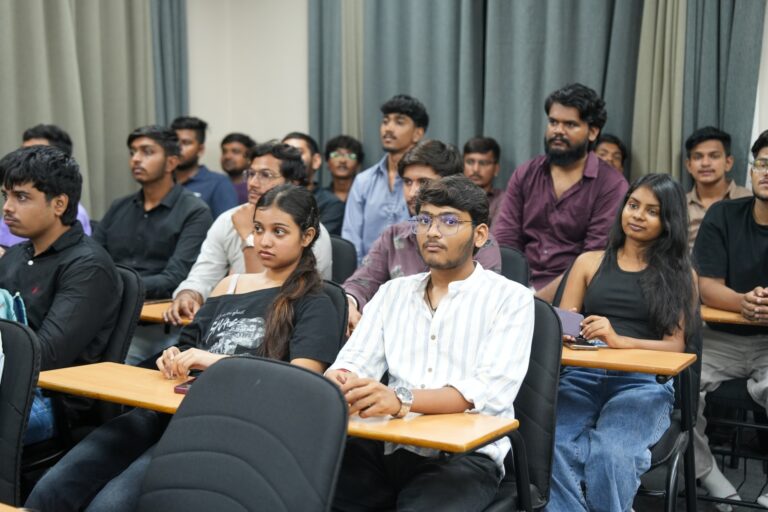
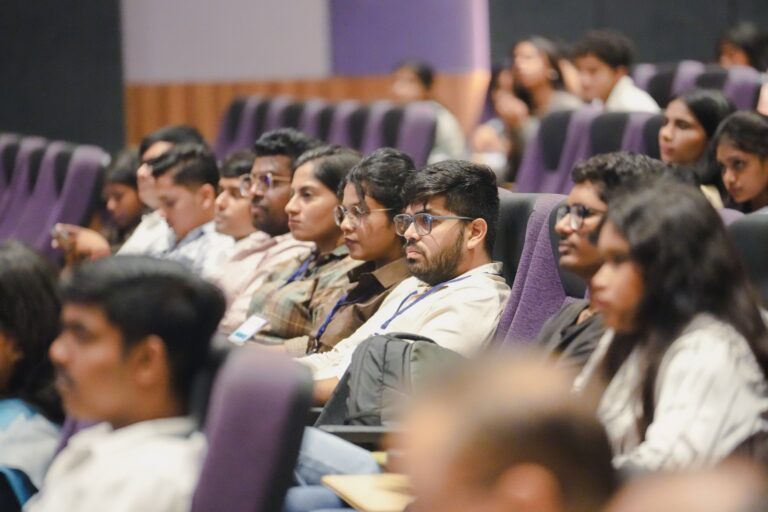
The students who are able to become journalists the fastest are the ones who begin doing that during the course and do not start after that. This includes student media, internships, and competitions under realistic pressure conditions. Festivals like Maadhyam at Parul University have been created for this purpose: to watch people report live, anchor news, participate in news competitions and investigative journalism, do sports-journalism competitions, and be judged by professionals such as Gopi Maniar from India Today. They are all low-stakes practices for a high-stakes job. The habit of building is to make every such opportunity real reporting; it is only through repetition that the skills and the composure come.
The realities to accept!
Two honest points from the professionals. First, the job demands composure in difficult moments; Somit Sen described reporting through a major terror attack in Mumbai and the grief a reporter must manage while working. Second, mistakes happen and are survivable if handled correctly. Journalism rewards the consistent and the careful over the merely fast, which is the throughline of almost every professional who taught at Maadhyam’s Season 5.