A keynote on youth and the country
Dr. Pawan Dwivedi opened with the strength of India’s young population. If that generation moves in one direction as skilled people, he said, the country can lead the world, and addiction is among the things that can pull young people away from that path. He placed drugs in the same frame as the habits built by mobile phones, streaming platforms and social media, arguing that both can hold a person in ways they do not choose.
Screens, sleep and attention
He pointed to steps taken elsewhere, such as Australia’s move to stop those under sixteen from opening social media accounts and decisions in some countries to move digital platforms out of schools. He spoke about sleep, warning that platforms designed to keep young people awake at night and asleep by day work against the body’s natural cycle, and that no amount of healthy eating repairs lost sleep. He asked who really decides what news a student reads or which videos appear on a phone, and argued for information reaching people first-hand, noting that every hostel room carries a newspaper even though few students read one daily. He touched on posture, breathing and the value of yoga.
The pledge
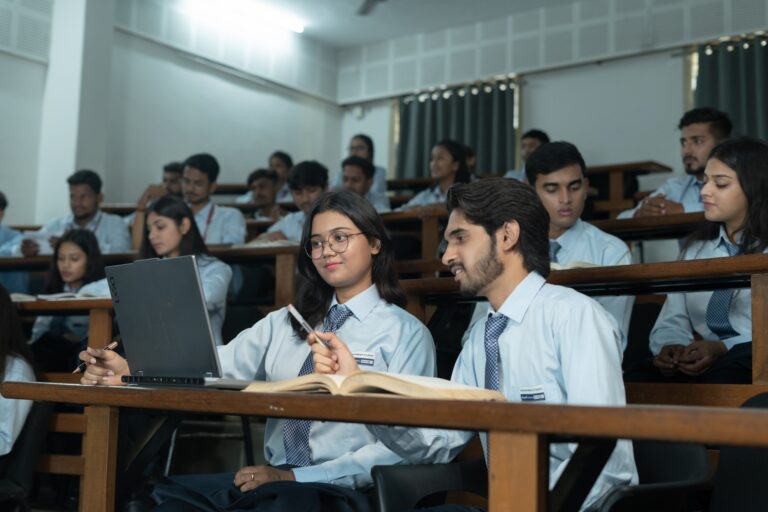
The session ended with a pledge. The pledge taken by students was initiated by Dwivedi. Students promised not to take and consume any type of narcotics and to do their best to keep their friends away from it.
He added that when education has awareness related to such substances and how it can affect the body, students might get an idea and start to stay away from it or stop using it. It is also the duty of the education sector to include it and not wait for government departments to act. He said that the amount of attention a student gives to avoiding a substance is equal to time that protects sleep. Hence, focus and dreams add up for us to stay away from substances that can affect us. Join Faculty of Psychology at Parul University and find the programme that suits your interest such BA in Psychology, or B.Sc. in Psychology or masters.
Also Read: IPS at Parul University: Peer Pressure, the Drug Trade and How Students Can Stay Safe