IC Summit 2026 Organized at Parul University Focusing on Innovations and Future Growth.
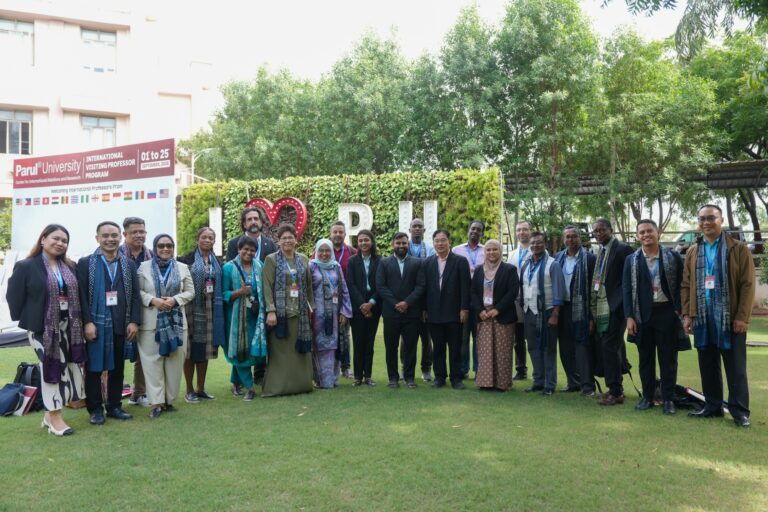
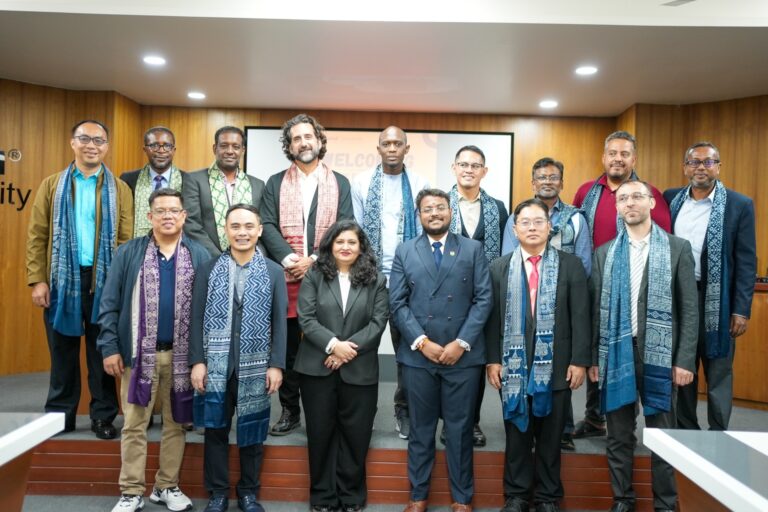
Parul University in Vadodara organised the event of ICSUMMIT 2026 this February and this brought together the researchers from all over the globe for 2 days of intensive discussions on the level of micro and nano materials.
The International Conference on Sustainable Micro-Nano Materials & Innovative Technology (ICSUMMIT 2026) represented a landmark academic gathering that positioned Parul University at the forefront of cutting-edge materials research. Anchored in the theme of creating a smarter and sustainable world through innovative micro and nano technologies, the summit assembled an extraordinary constellation of researchers, academicians, industry experts, and emerging scholars from across the globe.
The conference had a single question in focus; not how do we do it (i.e., what can we do) because to solve our critical environmental and technological challenges, the atomic age already has the answers. The answer emerged clearly. We’re already doing it.
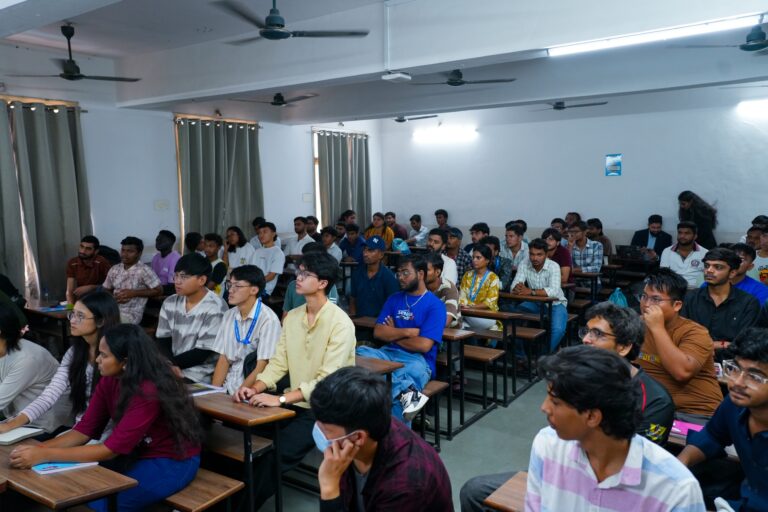
The attendance numbers matter. So do the submission counts and award categories. But what really stood out wasn’t captured in any spreadsheet. It showed up in how confidently undergraduate students defended complex research to international experts. In the way, faculty members from different institutions started planning collaborations during coffee breaks. In how industry professionals stayed past scheduled sessions because the conversations were too valuable to leave.
Prof. Silva didn’t show up from the UK to give generic platitudes about sustainability. He brought working processors operating at speeds that were theoretically impossible a few years ago. Prof. Desai from IIT Jodhpur presented manufacturing systems already cutting waste in actual factories, not hypothetical models. Prof. Late demonstrated graphene synthesis using agricultural waste you could literally collect from your backyard.
Students weren’t just presenting research for grades. They’d spent months on projects dealing with water scarcity in communities without access to clean water, making sensors for air pollution for cities, deaths in manufacturing processes to eliminate defects. When they were bullied by the judges with technical questions, these undergraduates answered with depth fit for graduate seminars.
The Penza State University partnership brought a genuine international perspective. Three workshops gave participants practical skills beyond theory. Over 30 mentors invested time because they saw potential worth developing. This wasn’t performative academic networking. Real collaborations started.
Parul University’s goal is to contribute to India’s vision to maintain or reach the highest rank in the Global Innovation Index. As the university believes in providing and maintaining the infrastructure, the talent gets a boost, and the goal gets served.
But rankings aren’t why ICSUMMIT 2026 actually mattered.
It mattered because students uncertain about research careers walked out with completely different perspectives on what they could accomplish. The faculty saw validation that years of building research culture were paying off in measurable ways. International experts left recognizing Parul University as a legitimate contributor to nanomaterials innovation, not just another institution hosting conferences.
The poster sessions generated collaboration ideas that’ll continue developing long after February. Keynote presentations raised research questions that’ll drive investigations for months. Students inspired by what they saw will extend their own projects beyond what they perhaps could have imagined before.
Working at the nanometer scale requires precision that very few can understand. It requires patience when experiments fail repeatedly. It needs vision to see how atomic-level changes create massive real-world impacts.
ICSUMMIT 2026 demonstrated that all three exist at Parul University right now. Solutions to global challenges are being built, tested, refined by researchers who understand the stakes. The future isn’t coming eventually. It’s happening in laboratories across campus, one nanometer at a time, by people who showed up ready to do the work.