Become the artist the creative industry exhibits first
From BVA to MVA, built around artistic excellence.
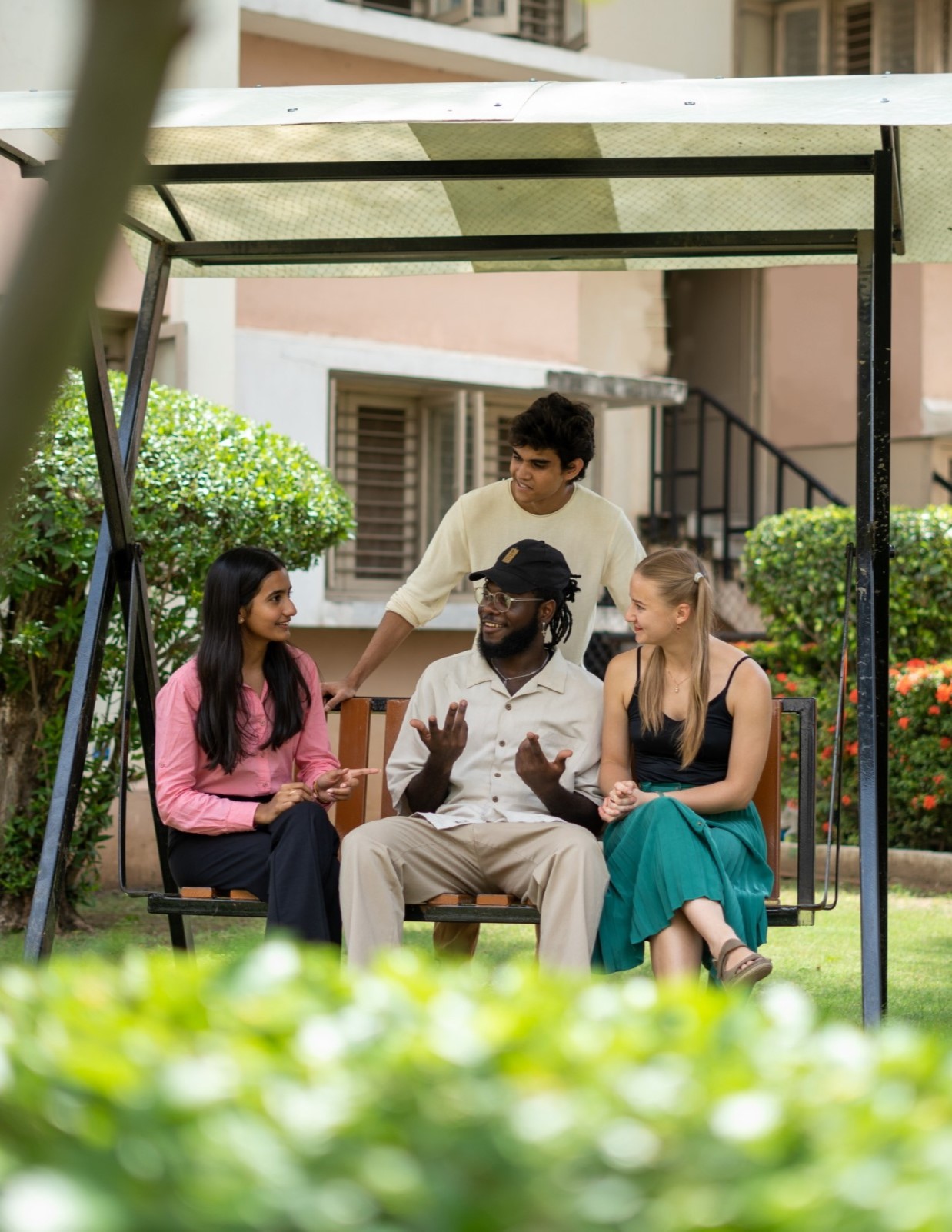

Studio Mastery & Live Exhibitions


Unsure which program fits you best?
Talk to counsellor

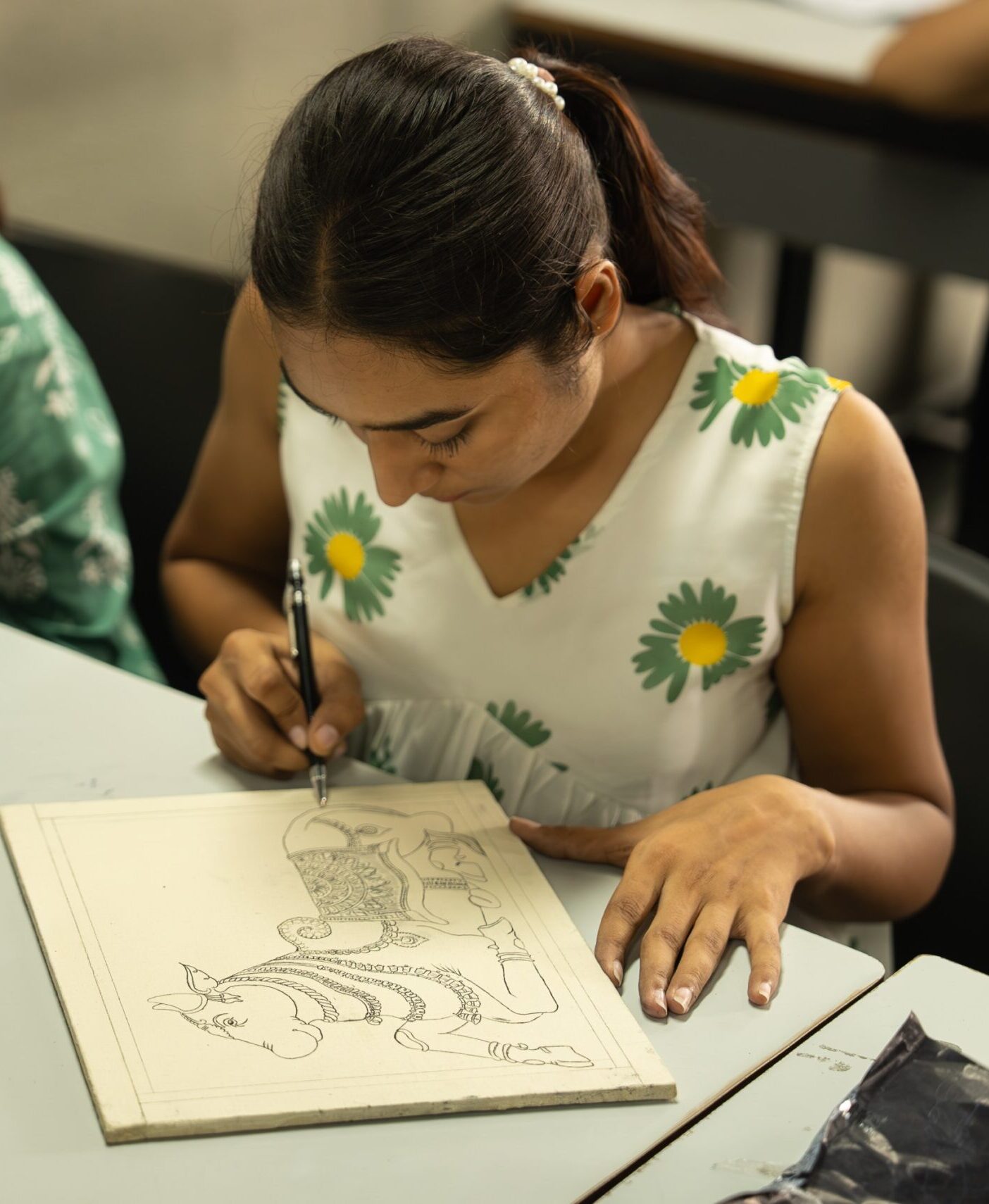
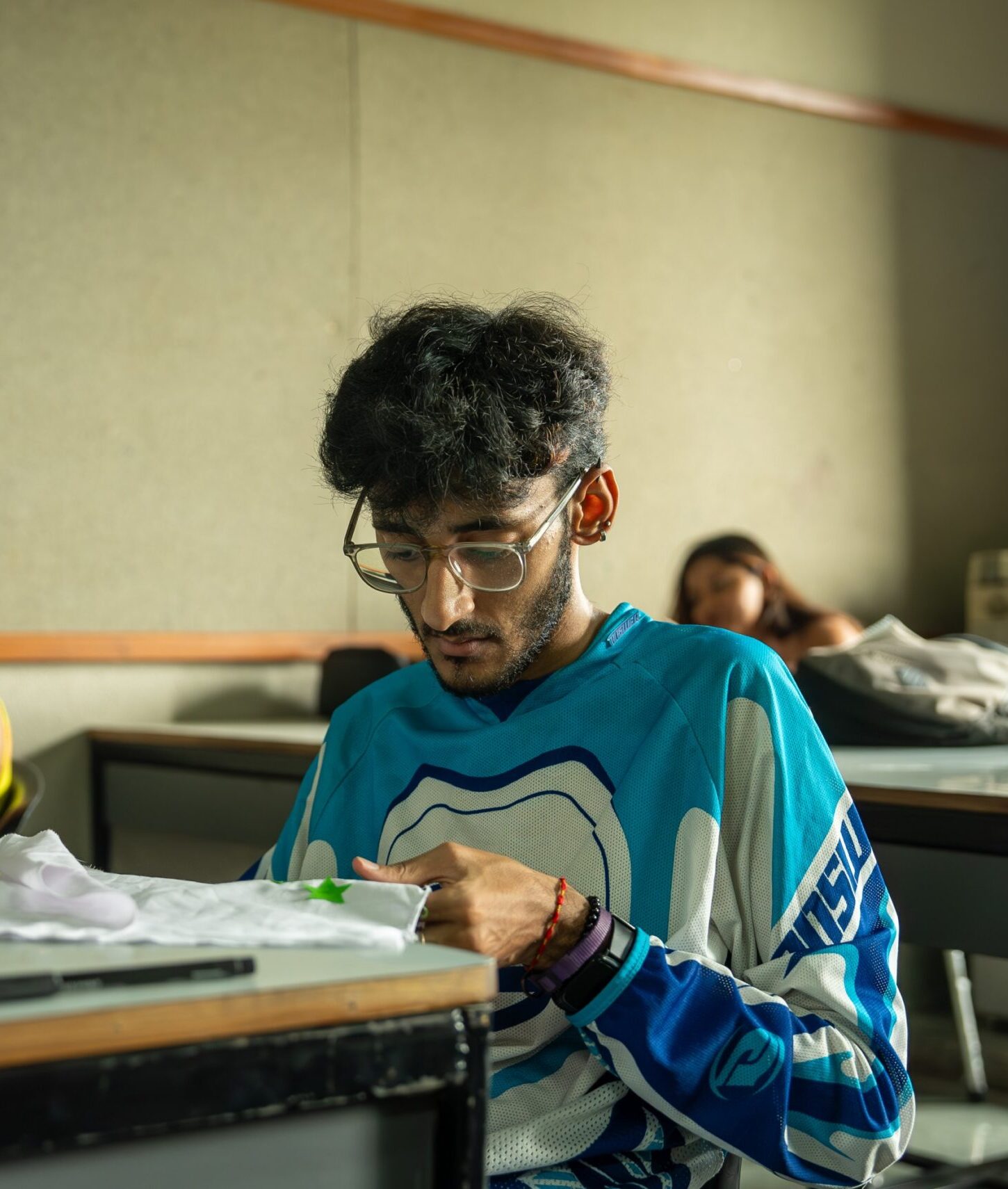
Portfolio & Career Incubation


Credibility you can verify.
Recognitions and design choices that make an BVA degree hold up to scrutiny stated as third-party facts, not slogans.




The Faculty of Fine Arts.
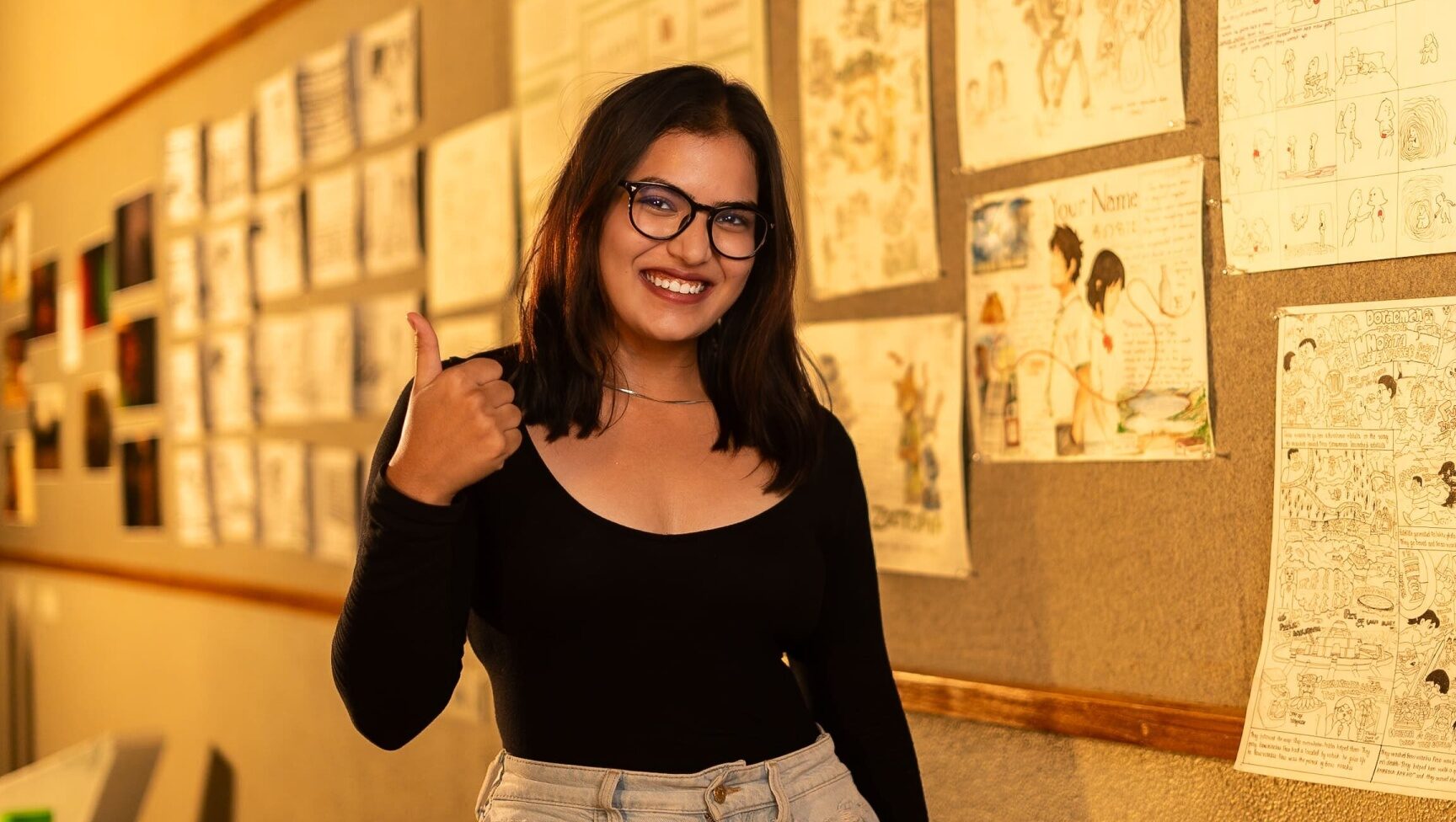
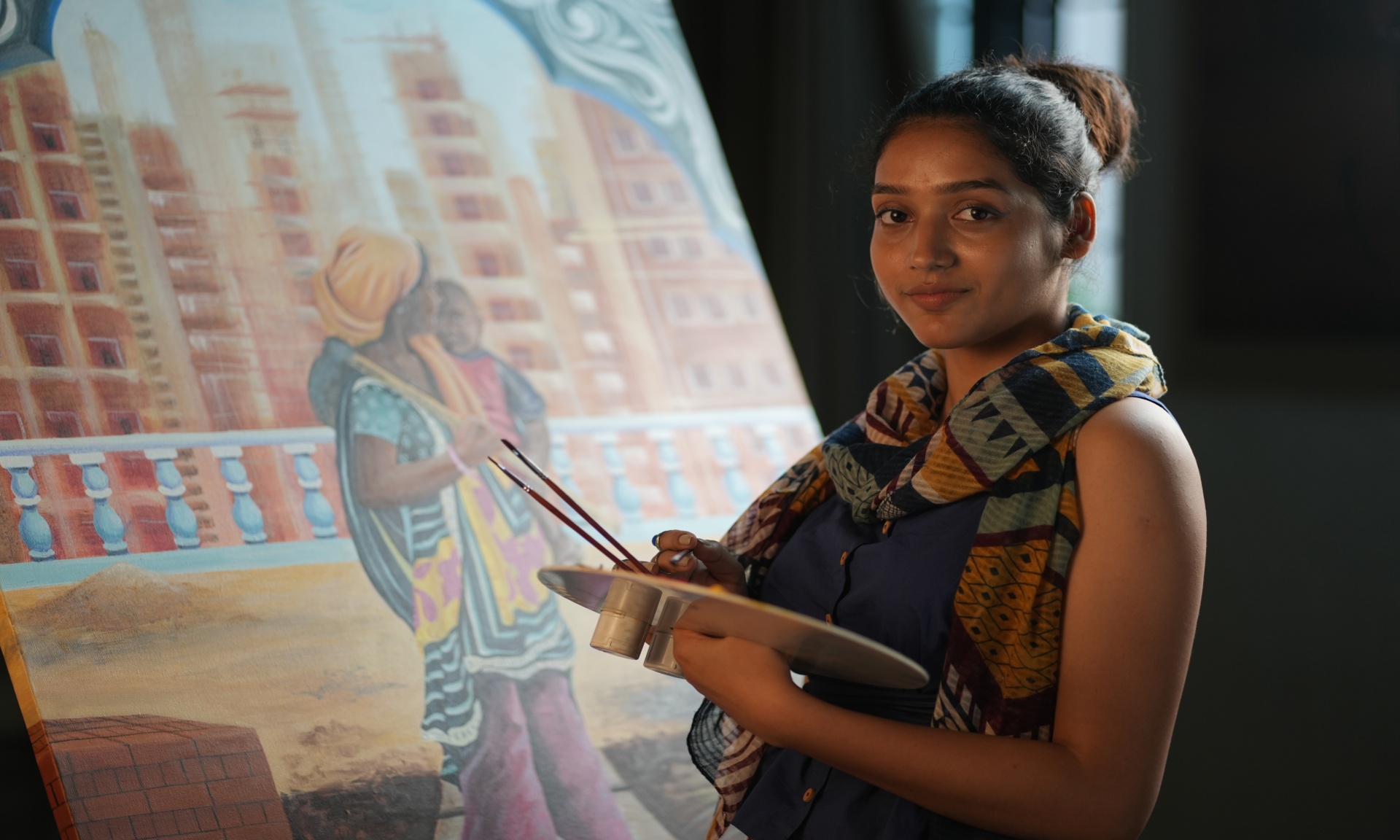
A creative hub at India’s youngest NAAC A++ university, the Faculty of Fine Arts nurtures artists and creative professionals through rigorous studio-based education, critical inquiry and hands-on artistic practice.
From developing technical mastery across diverse artistic disciplines to gaining exhibition experience, professional skills and industry exposure, the faculty connects artistic learning with real-world opportunities while fostering a vibrant cultural community through exhibitions, workshops, artist talks and collaborative projects.
Vision
To be a leading center for visual arts education in India, fostering innovative artists and critical thinkers who contribute meaningfully to national and global cultural landscapes.
Mission
The Faculty of Fine Arts is dedicated to nurturing creative excellence through rigorous studio-based education, critical inquiry, and hands-on artistic practice. We empower students with the technical expertise, professional skills, and industry exposure needed to build successful careers while fostering a vibrant arts community through exhibitions, workshops, collaborations, and cultural engagement.
Not sure which route fits?
Compare them side by side.
Two ways into fine arts at PU that makes you career prepared.
BVA
MVA
*Tuition fees may vary depending on the country or state in which the candidate has completed their qualifying examination. Merit, rank-based, portfolio-based, and domicile scholarships are available. The final fee structure and applicable scholarships will be confirmed by the Admission Committee. Specialized BVA/MVA tracks in Applied Arts, Painting, and Sculpture are premium offerings and may carry distinct fee structures.
Bachelor's
BVA • 4 Years • 3 specialisationsMaster's
MVA • 2 Years • 3 specialisationsA BVA designed around where you'll exhibit, not just what you'll study.
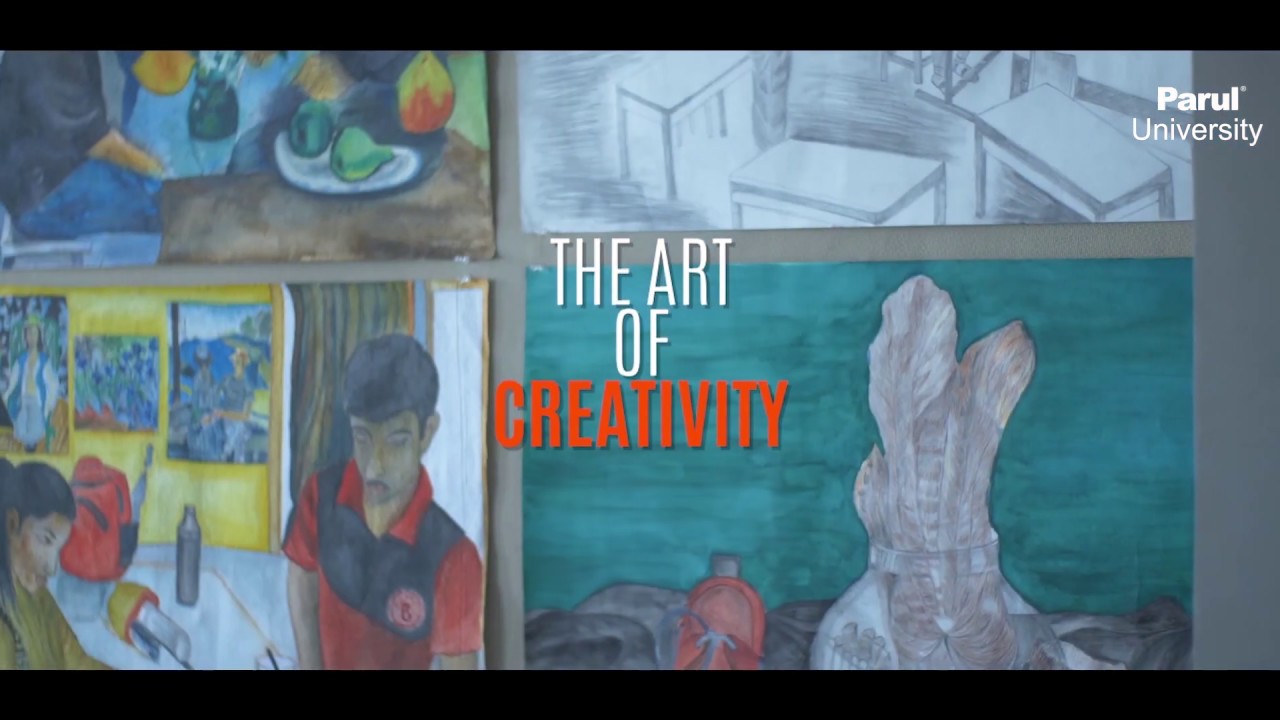
Choose the 4-year Bachelor of Visual Arts (BVA) across specialisations like Painting, Applied Arts, and Sculpture. Want to master modern design tools alongside traditional studio practice? Hands-on training in Adobe Illustrator, Photoshop, and CorelDRAW is integrated directly into the curriculum for career-ready artists.
BVA
Bachelor of Visual Arts *See all 3 specialisations by domain belowAll BVA specialisations
Find the specialization that matches your career aspirations. Click on any specialization to explore the curriculum and career opportunities.
An MVA designed around where you'll exhibit, not just what you'll study.
Choose from MVA specialisations, from Painting and Applied Arts to high-demand tracks like Art & Heritage Management. Go deeper with advanced studio research, curated exhibitions, and industry-focused digital art fabrication to lead in today's visual arts landscape.
MVA
Bachelor of Visual Arts *See all 3 specialisations by domain belowAll MVA specialisations
Find the specialization that matches your career aspirations. Click on any specialization to explore the curriculum and career opportunities.
Study abroad without losing a year.
Take part of your fine arts degree overseas through the university's international office. Two ways to go global: spend a semester abroad with your credits transferring back, or split your degree across two countries on a 2+2 or 1+1 pathway and graduate with a foreign degree - across 17+ countries.
Earn a foreign degree
Study partly at Parul, partly abroad, and graduate with a degree from the partner university. BBA 2+2 (Humber–Canada, Rowan–USA, Massey–NZ) and MBA 1+1 (NEOMA–France, Nottingham Trent–UK, Marywood & St. Peter’s–USA).
One semester abroad - credits transfer
Study a term at a partner university and bring the credits home. No academic loss: you stay on track to graduate on time. Application and registration are supported end-to-end by the international office.
Three routes forward and PIFA is
built for all three.
A fine arts degree here isn't only a path to a studio. Pick the route that fits your ambition, get exhibited, launch a design studio, or take your practice global, and the faculty backs all three.
Step into a creative career
Live industry projects, studio internships, and dedicated placement cells move you from canvas to professional portfolio.
Launch your creative practice
Incubation support, gallery linkages, and art business mentorship help you set up independent studios and creative agencies.
Take your practice global
Portfolios built for global Master's programs, international exhibition opportunities, and academic partnerships prepare you for worldwide reach.
A recruiter network behind every artist.
A fine arts degree here isn't only a path to a studio. Pick the route that fits your ambition, get exhibited, launch a design studio, or take your practice global, and the faculty backs all three.






















Don’t just study business, Start one.
If your plan is to build rather than join, the campus startup ecosystem turns an artistic vision into a commercial venture while you study, incubation, mentorship, prototyping and seed support, all on site


Incubation & co-working
A dedicated on-campus incubator with workspace, labs and prototyping support to take your venture from idea to MVP.
Founders, mentors & investors
Guidance from entrepreneurs, faculty mentors and an investor network - the people who help a first venture survive its first year.
Seed & grant support
Access to seed support, grants and pitch opportunities so a good idea is not stopped by early-stage funding. A dedicated on-campus incubator with workspace, labs and prototyping support to take your venture from idea to MVP.
Built for business owners
A natural fit for the MVA in Innovation, Entrepreneurship & Family-owned Business - modernise and scale the business you will inherit.
Built with industry, not just for it.
Programmes, credentials and projects shaped with industry partners and a deep recruiter network.


Where students are train on tools
industry is hiring for.
A dedicated future-skills centre giving engineering students access to global certifications, industrial robotics and advanced simulation - the kind of exposure that turns a degree into an offer letter.

AICTE IDEA Lab
Innovation, design & entrepreneurship facility

NSDC partnership
25+ globally recognised skill certifications

Adobe Creative Design Studio
Digital marketing and brand design.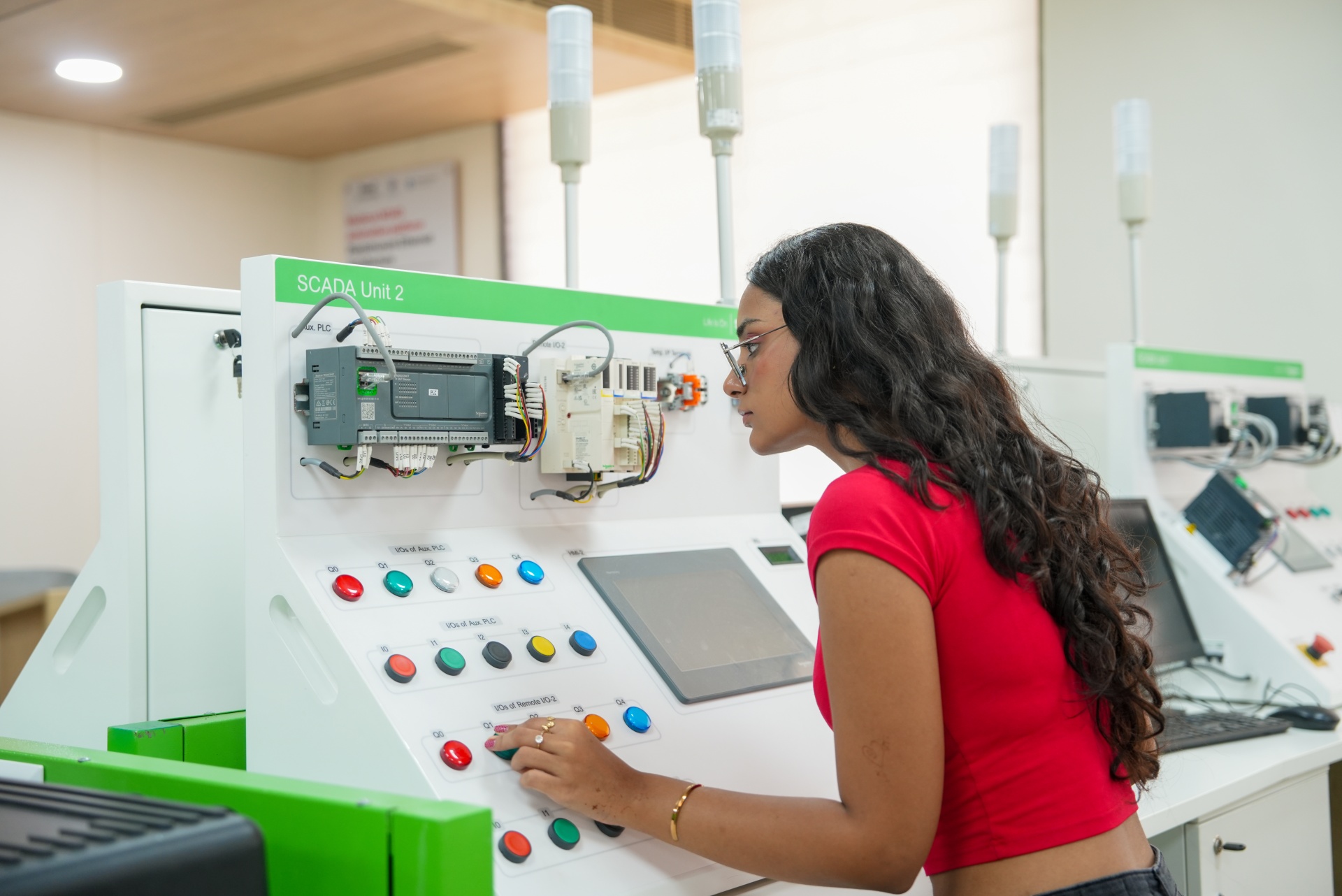
Mind Lab
Strongest liberal arts specific connection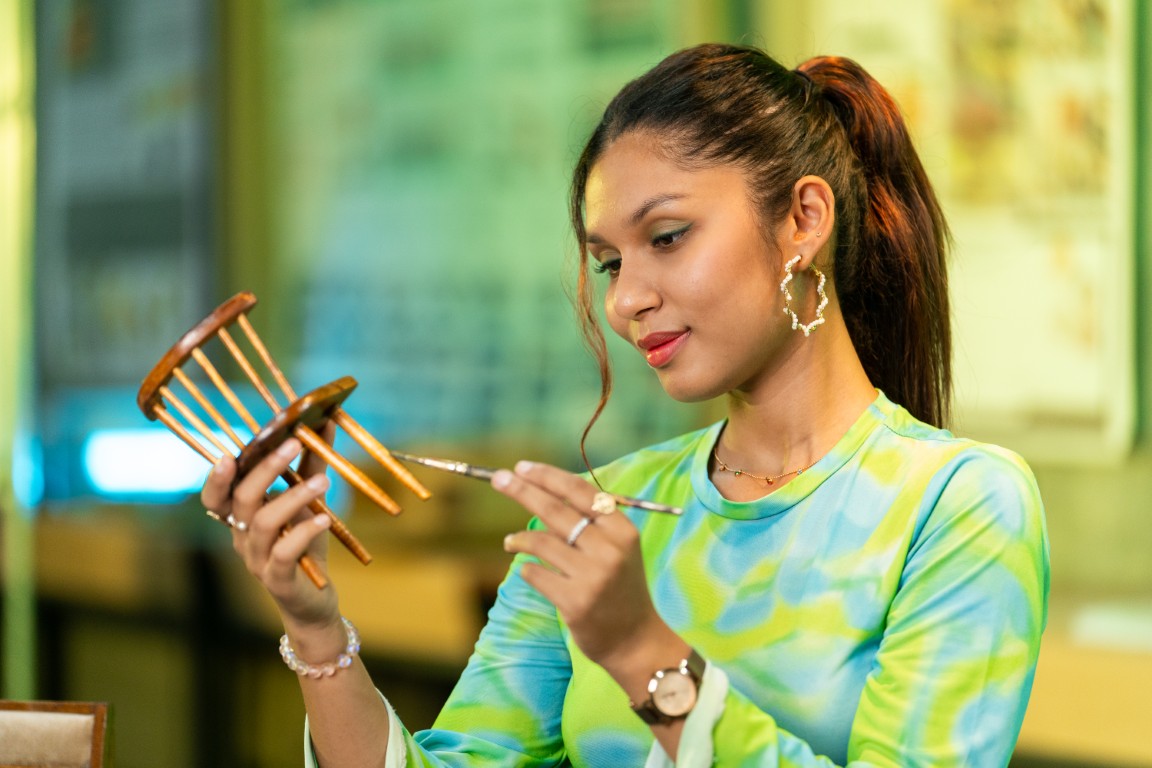
Painting Studio
Hands-on studio practice & creative mastery
Where the craft stops
being theoretical.
Public performance, national competitions, festival stages and international exchange. The experiences that build a portfolio, not just a transcript.
Public exhibitions
Semester showcases, external jury reviews, and public exhibitions bring real gallery exposure across every year, presenting studio work directly to critics.
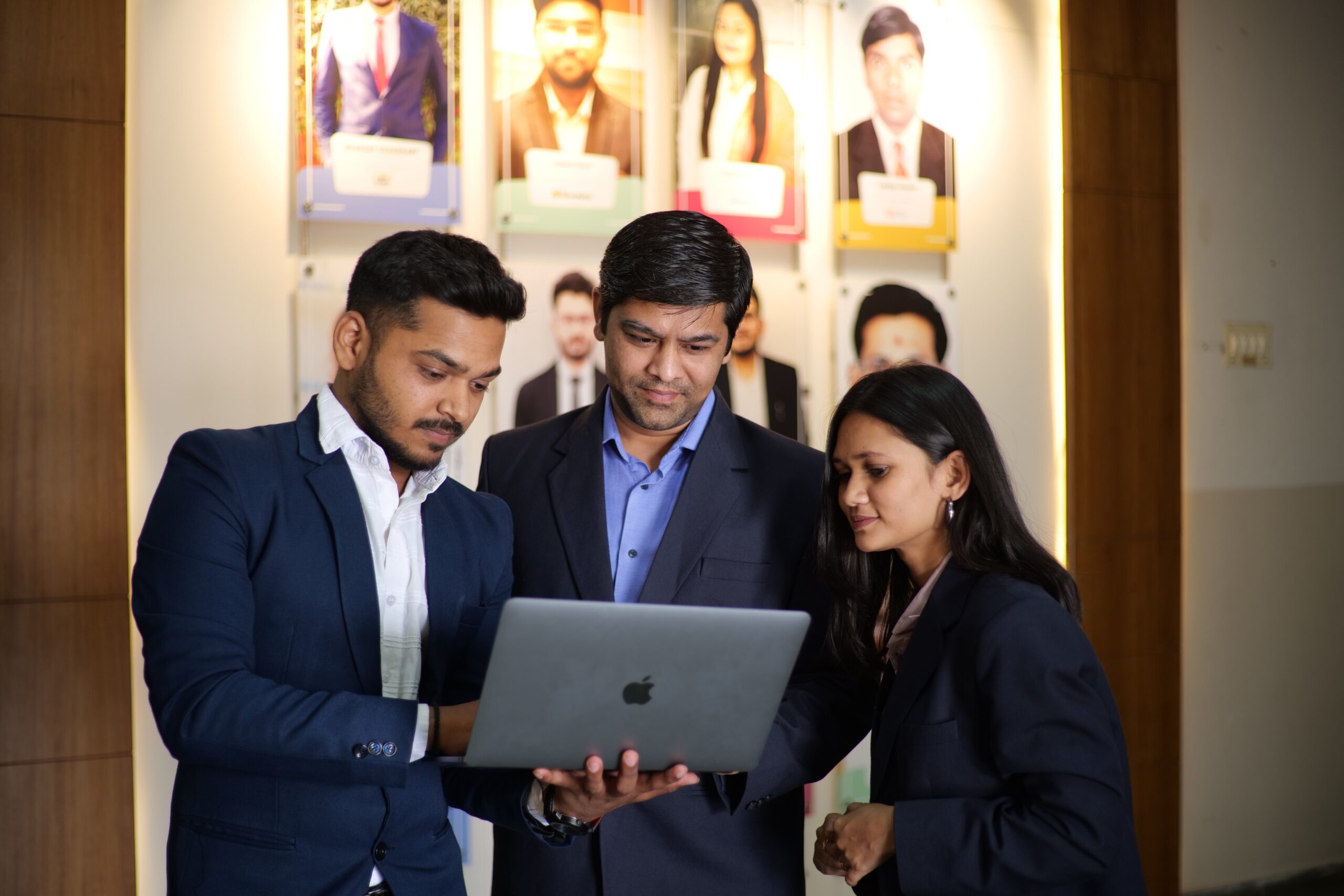
Placement & studio support
Dedicated training and placement cells connect fine arts students with leading creative agencies, production houses, galleries, and specialized studio networks.
Creative venture launchpad
On-campus incubation, seed funding, and expert mentoring at PIERC help artists launch design studios, commercial art ventures, and independent creative practices.
Live projects & Collaborations
Real-world client briefs, public art installations, and brand collaborations provide the practical, industry-ready portfolio edge top creative directors seek.
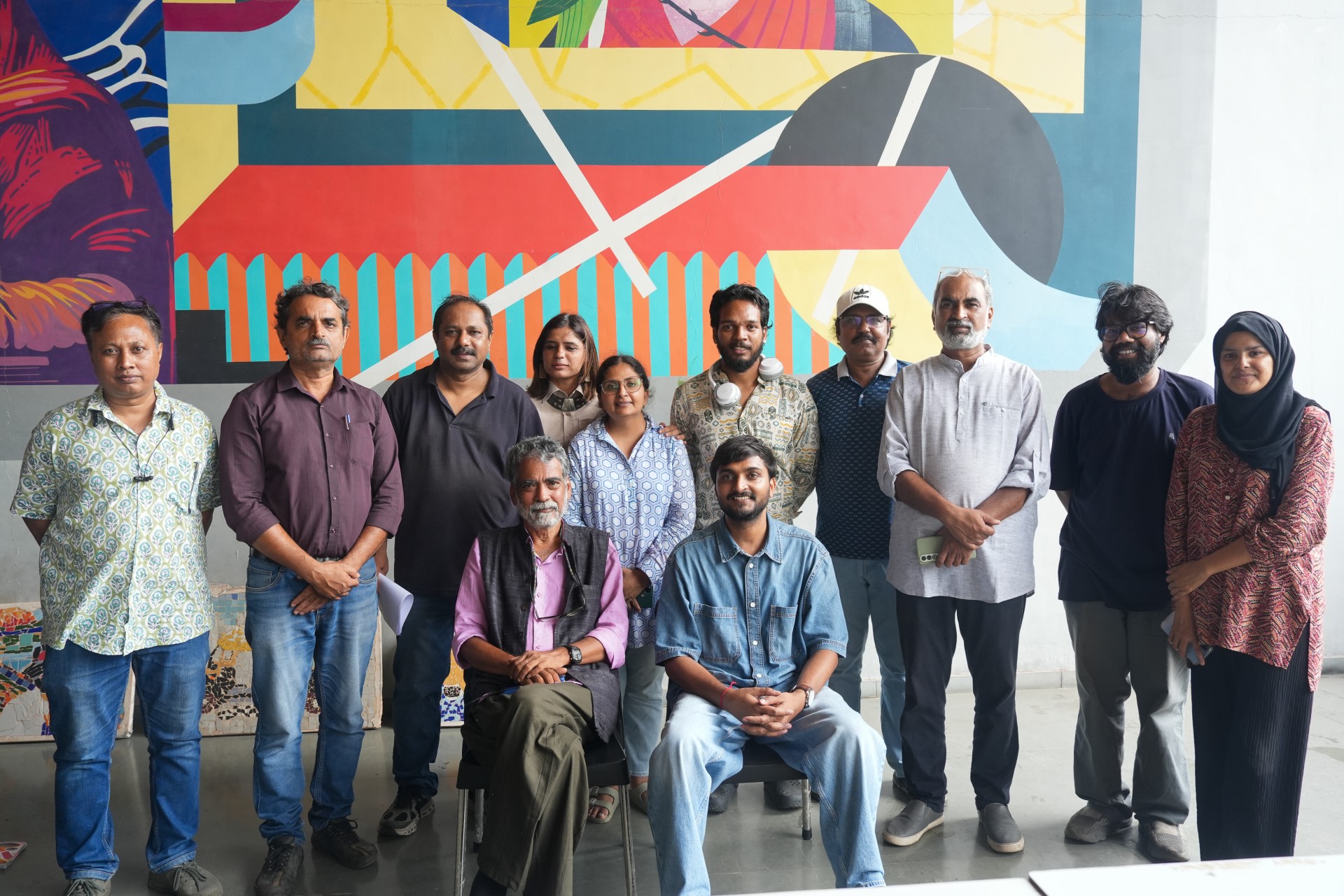
Symposia & masterclasses
Year-round artist talks, design seminars, and interactive masterclasses with acclaimed contemporary artists connect classroom learning with active industry discourse.
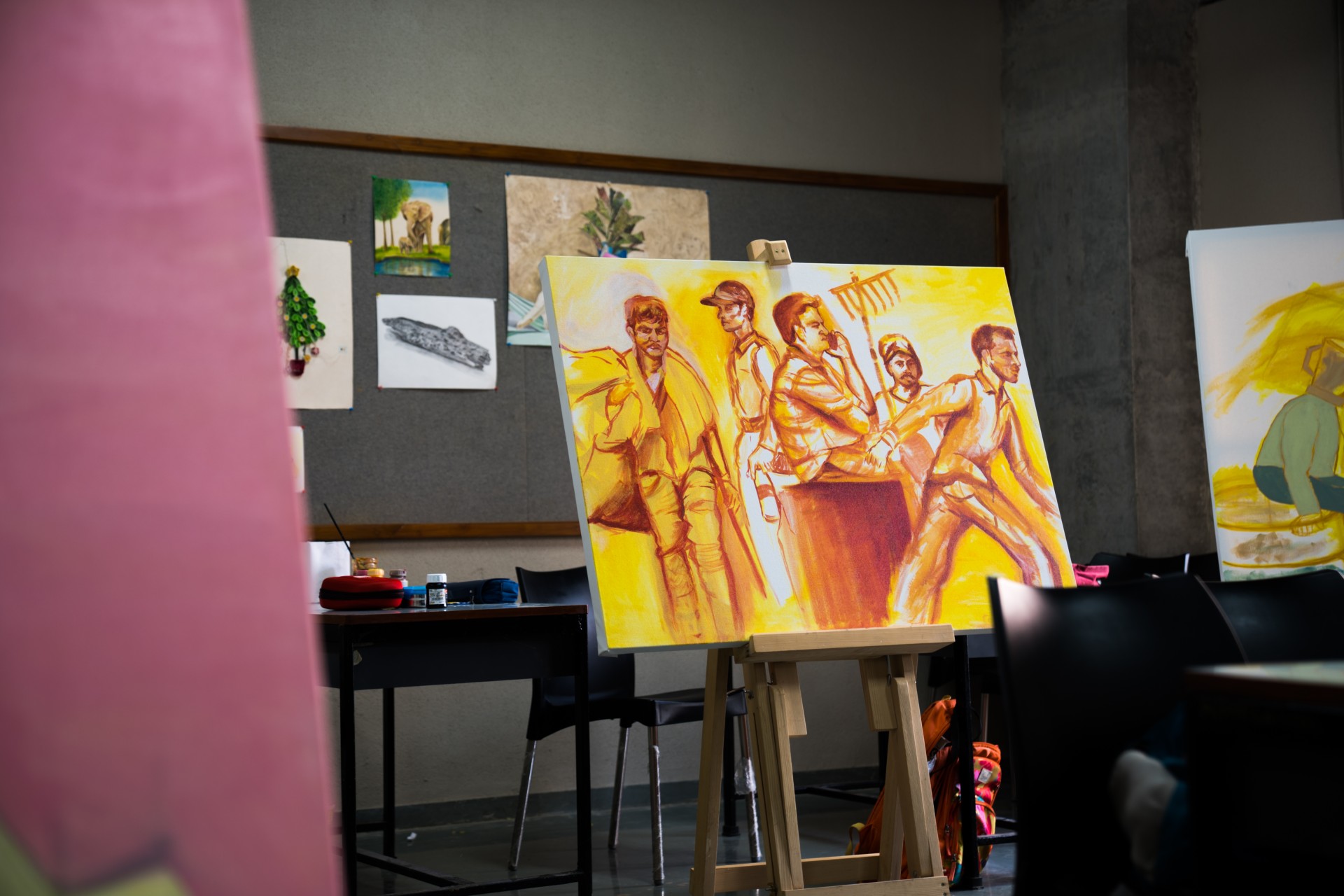
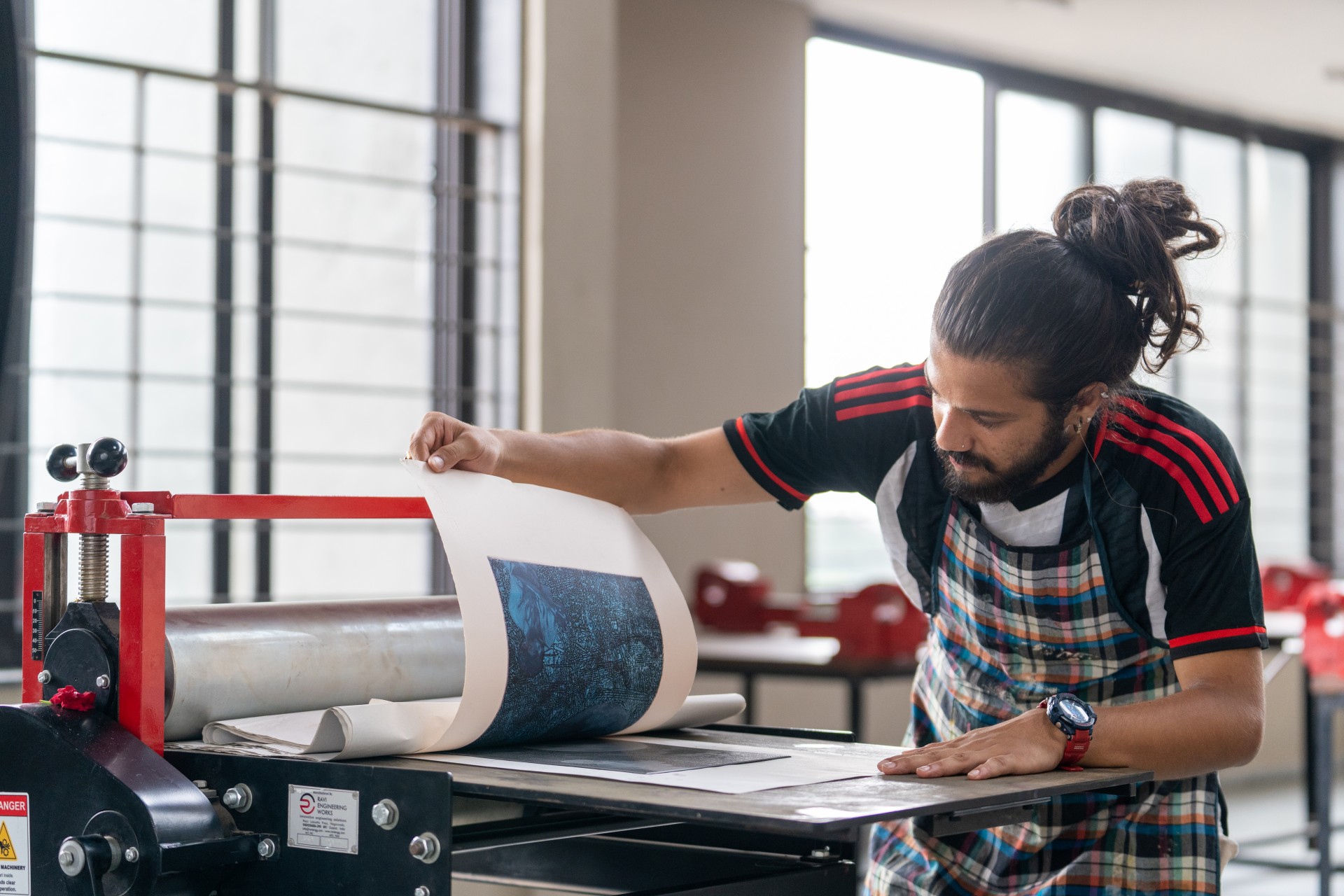
Gallery & studio visits
Curated visits to premier art galleries, bronze foundries, printmaking studios, and advertising agencies show how the commercial art world operates firsthand.
Learn from handpicked
leaders, in person.
A sample of the leaders, scientists, athletes and changemakers who have addressed Parul University students through the PU Talks series.
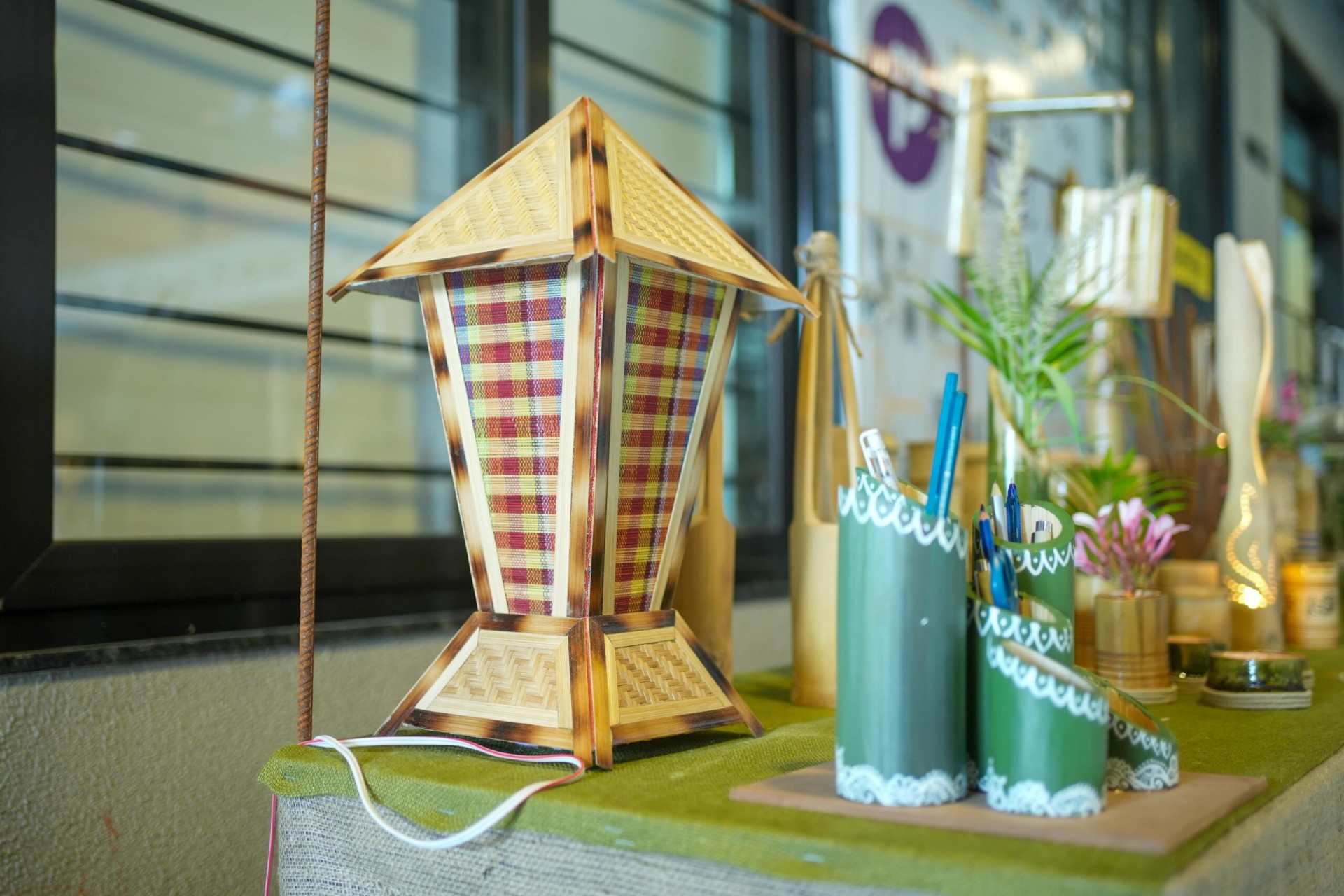
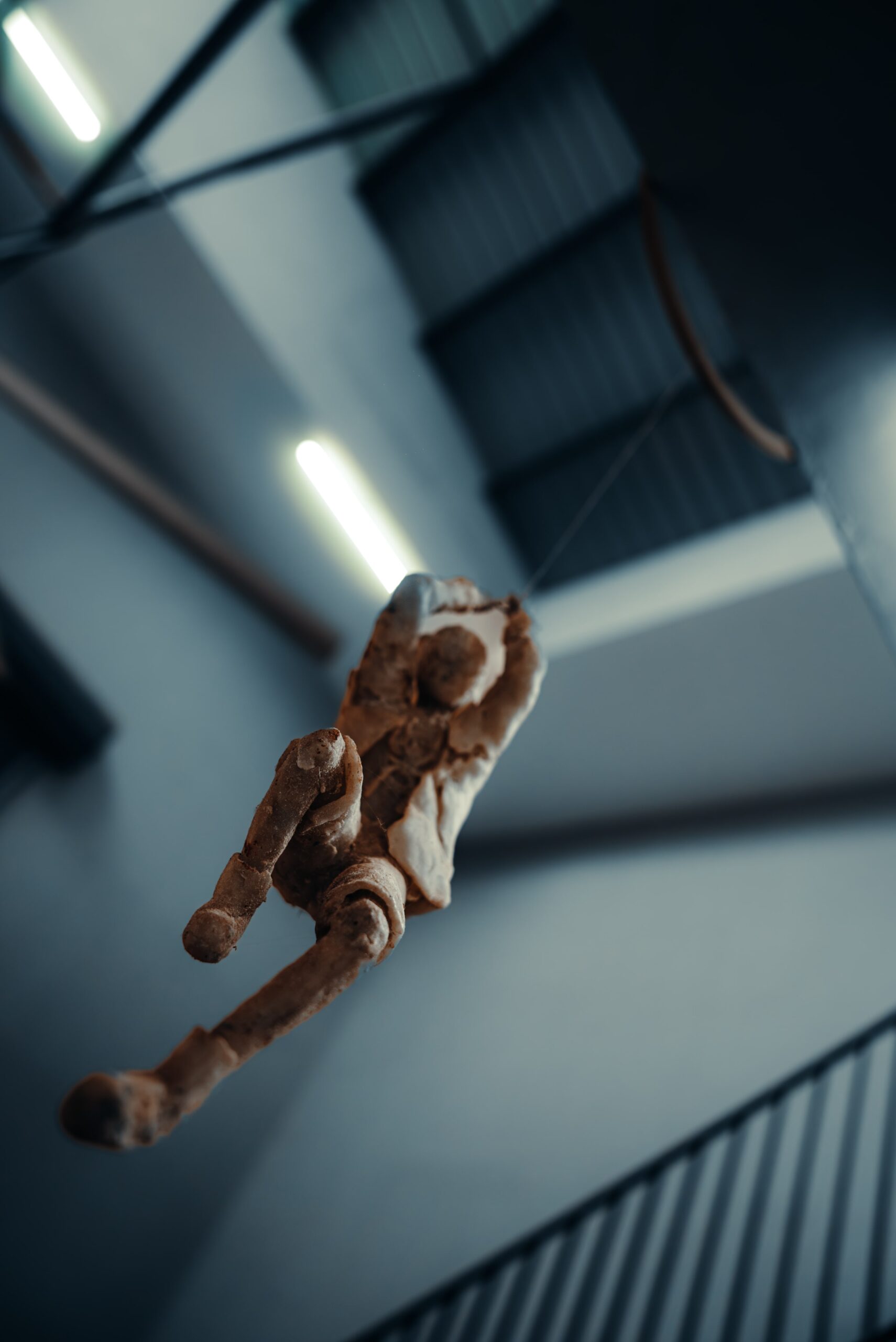

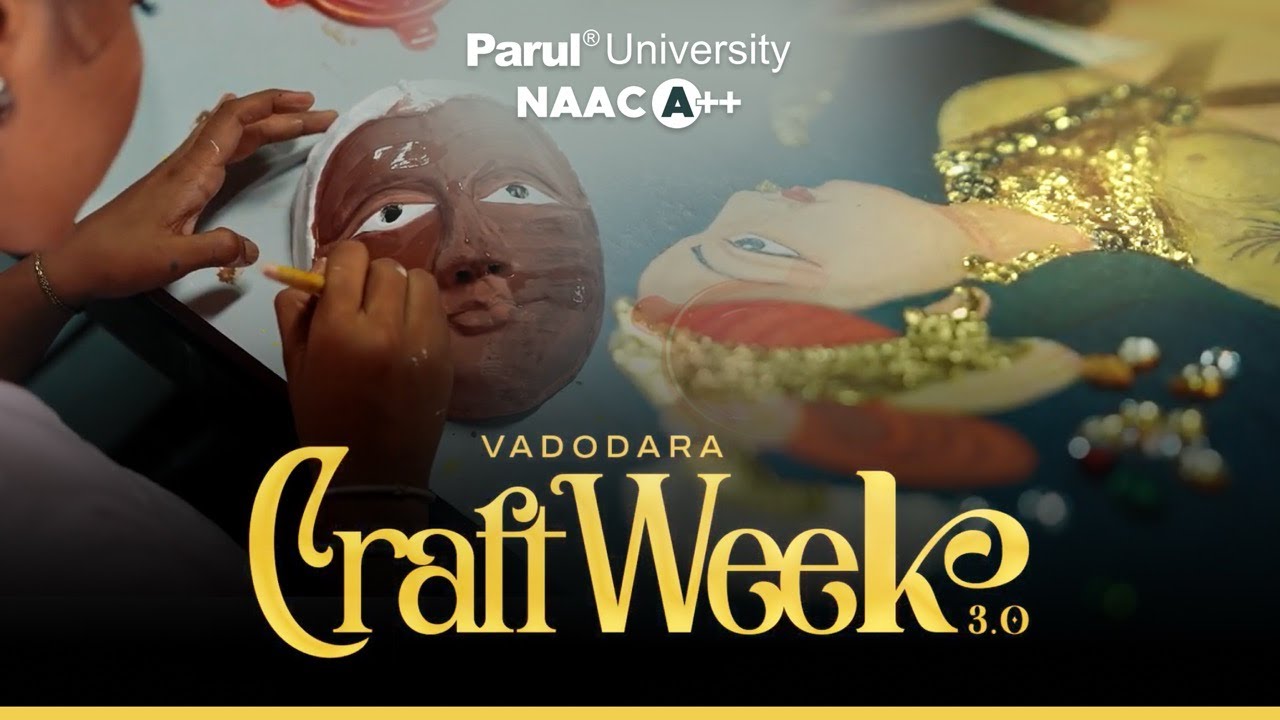
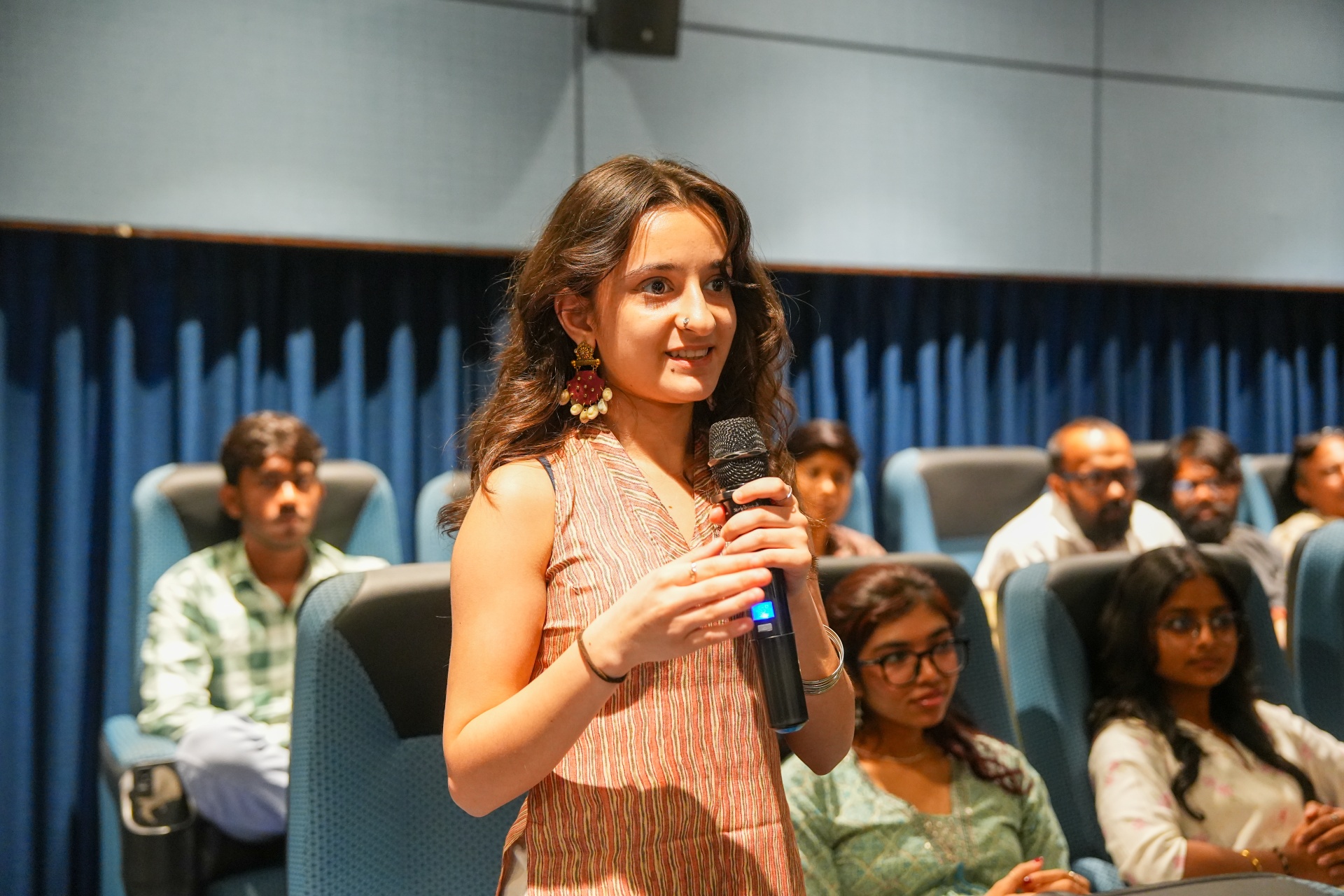
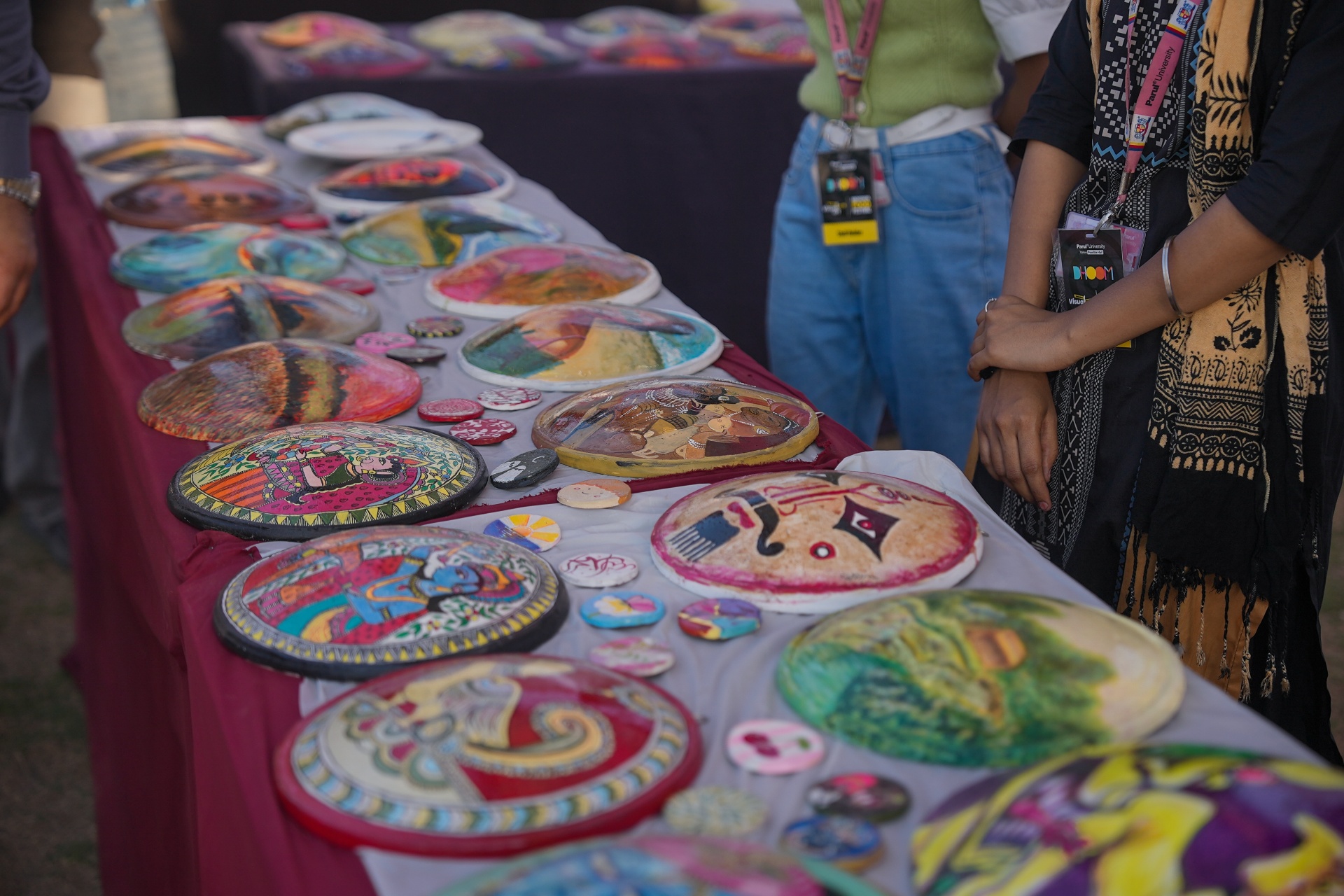
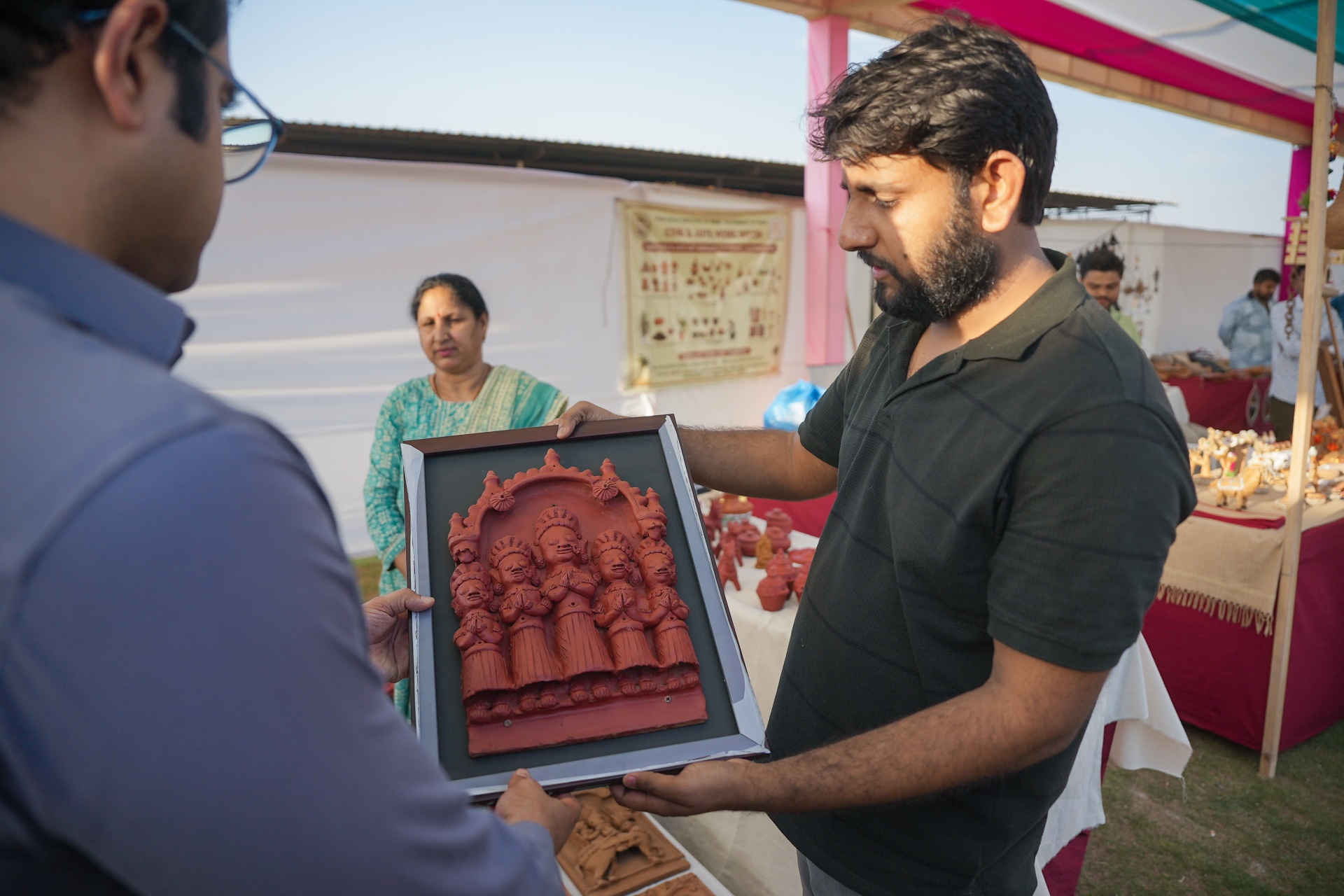
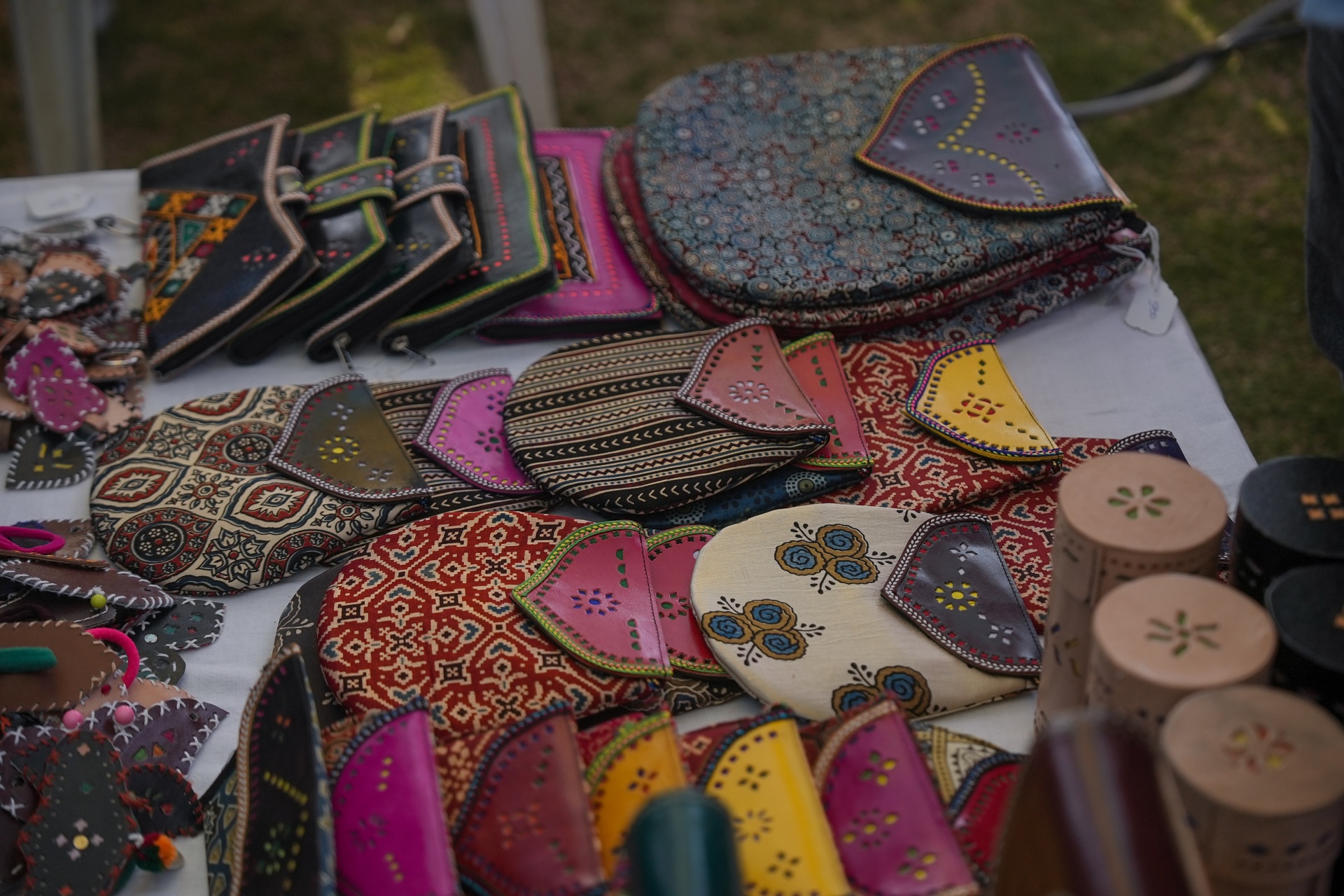
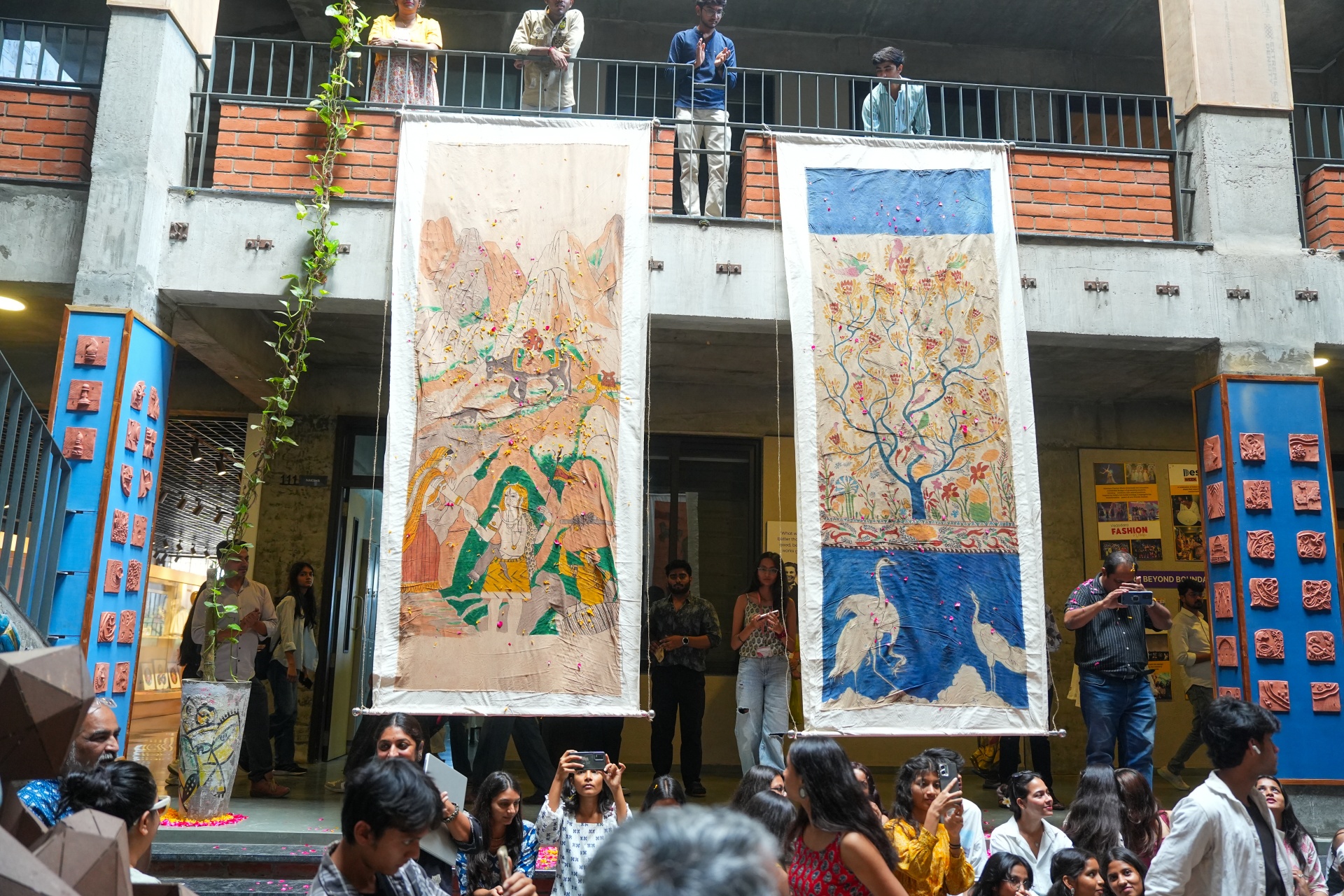
Vadodara Craft Week
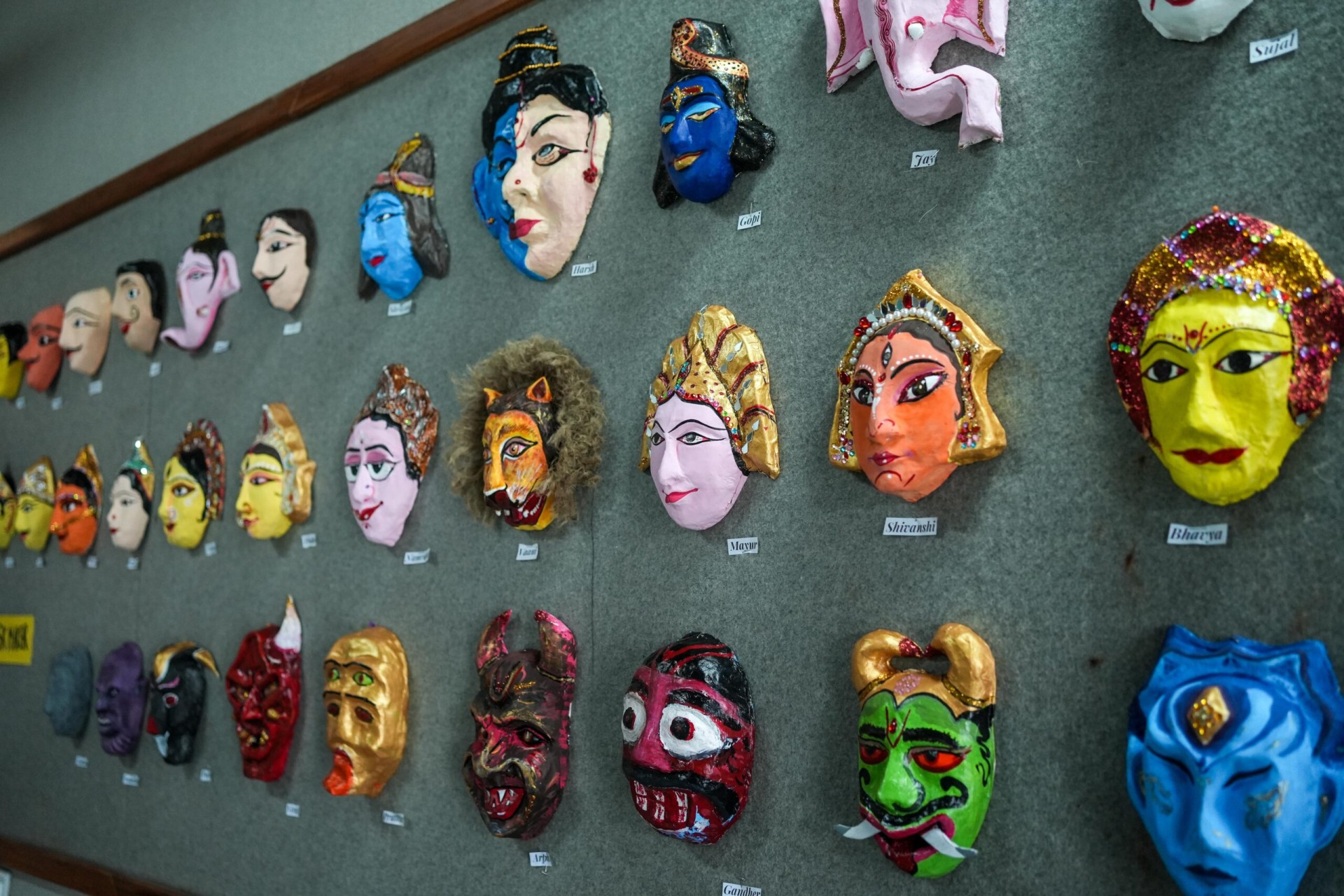
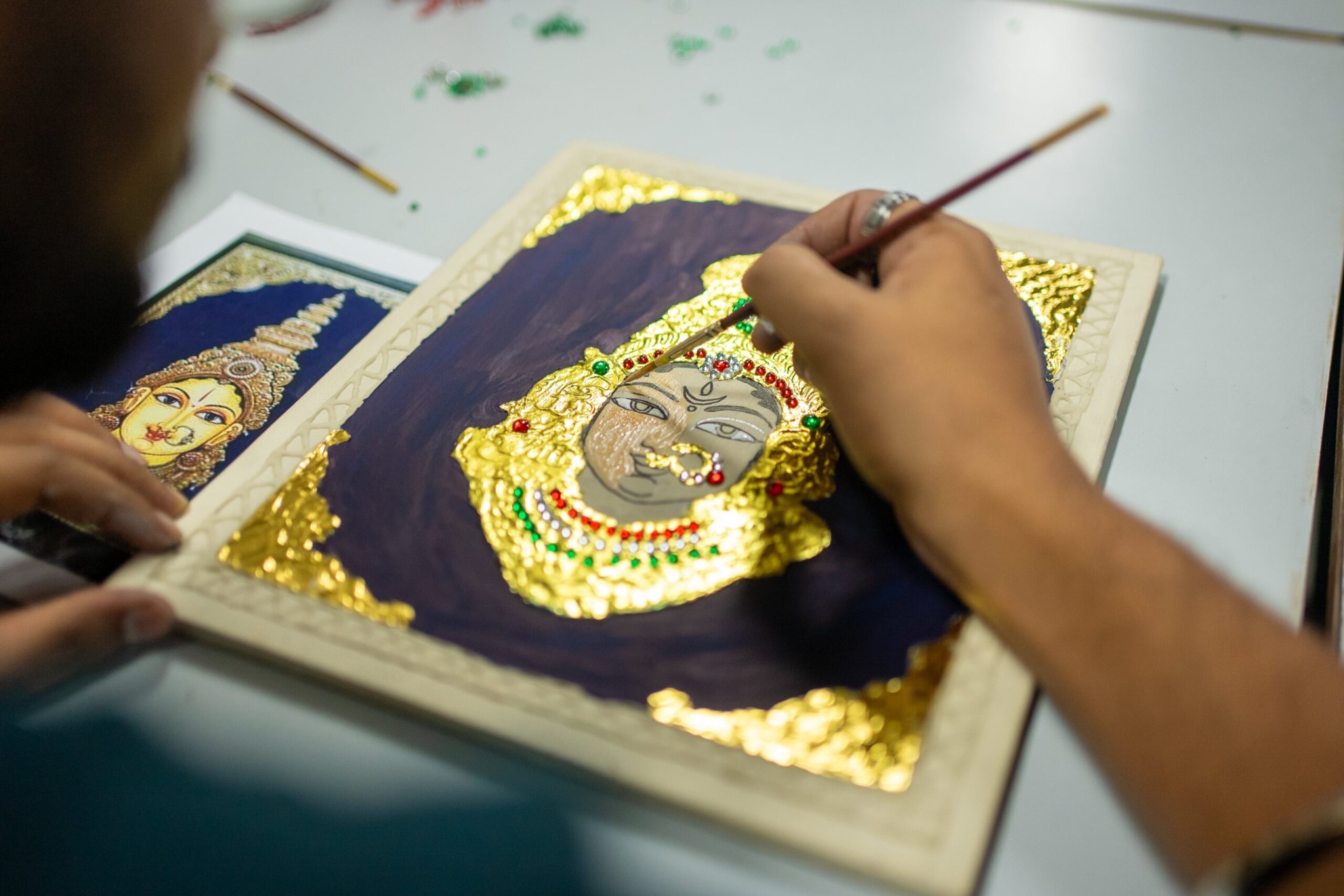
Vadodara Craft Week celebrates India's artisanal heritage through hands-on workshops, exhibitions, and student–artisan collaborations. It showcases crafts like blue pottery and Tanjore painting while exploring their modern relevance.
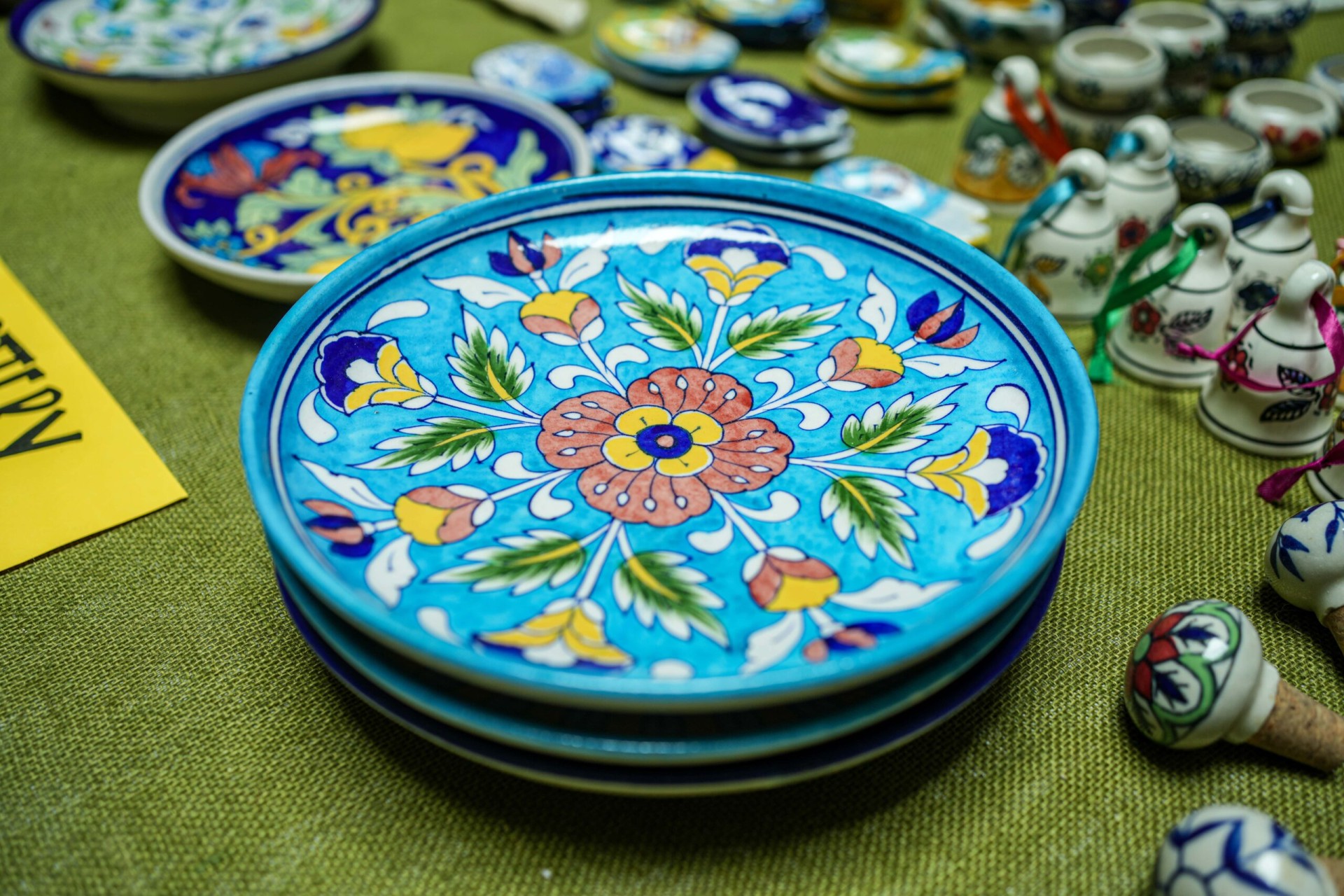
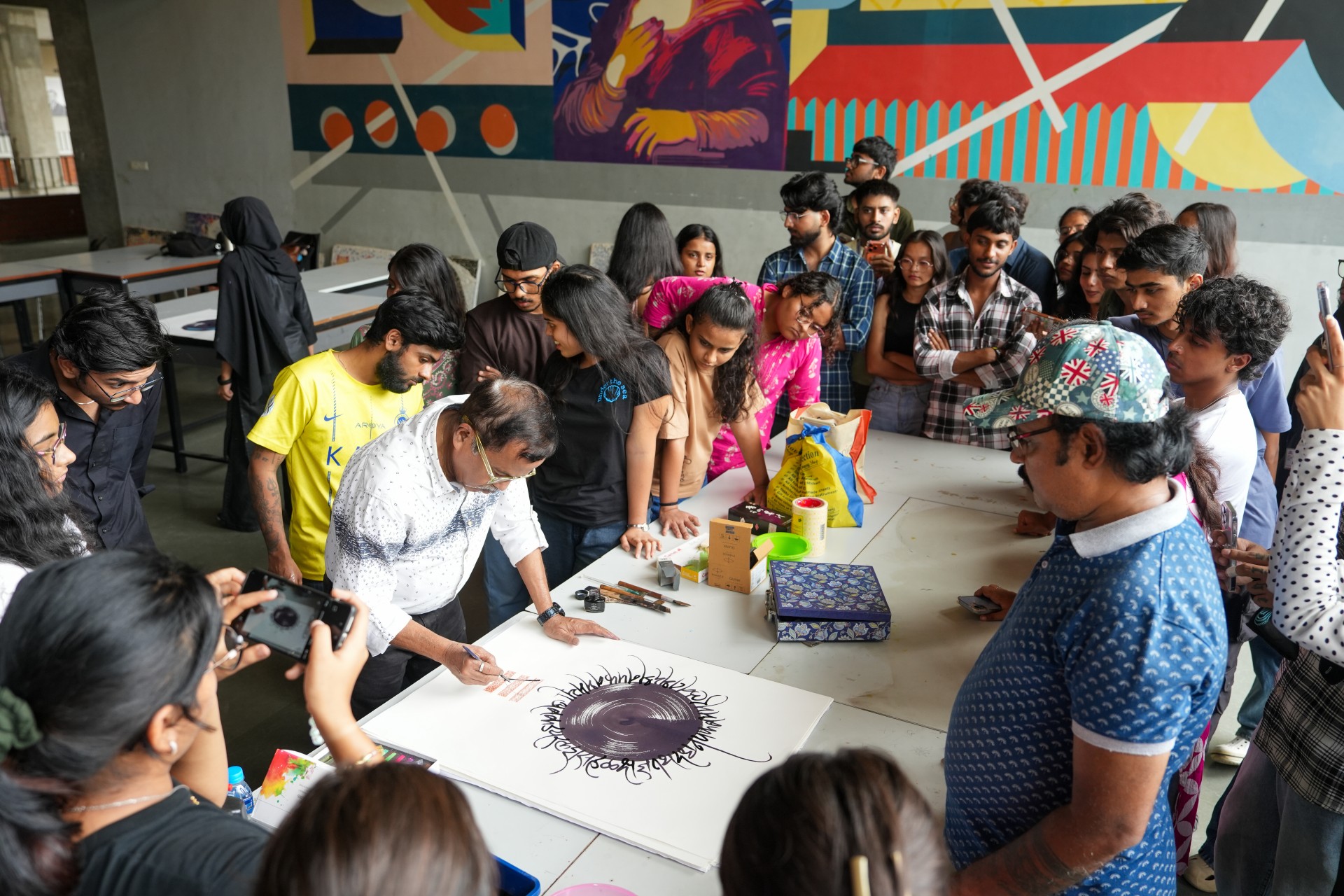
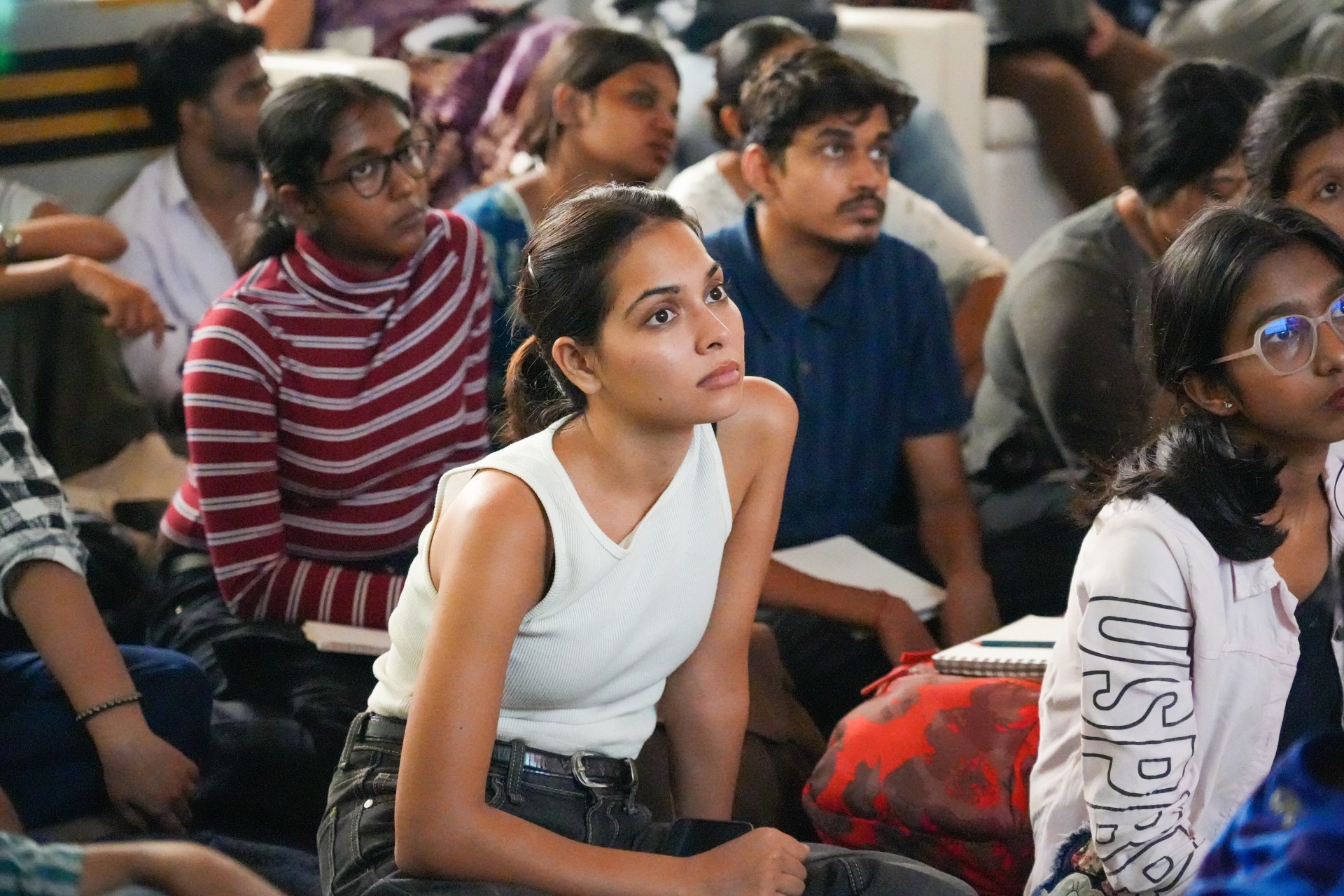
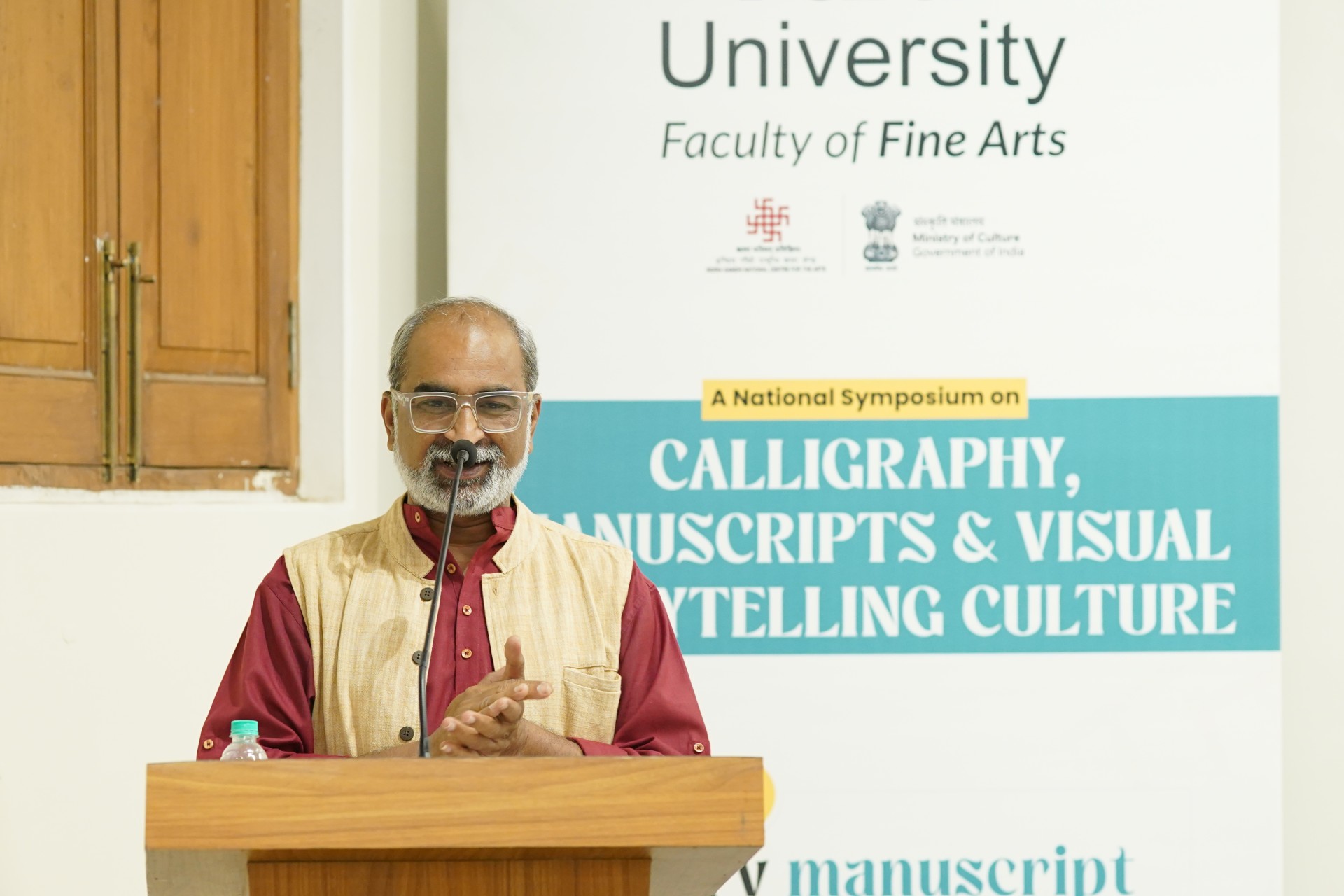
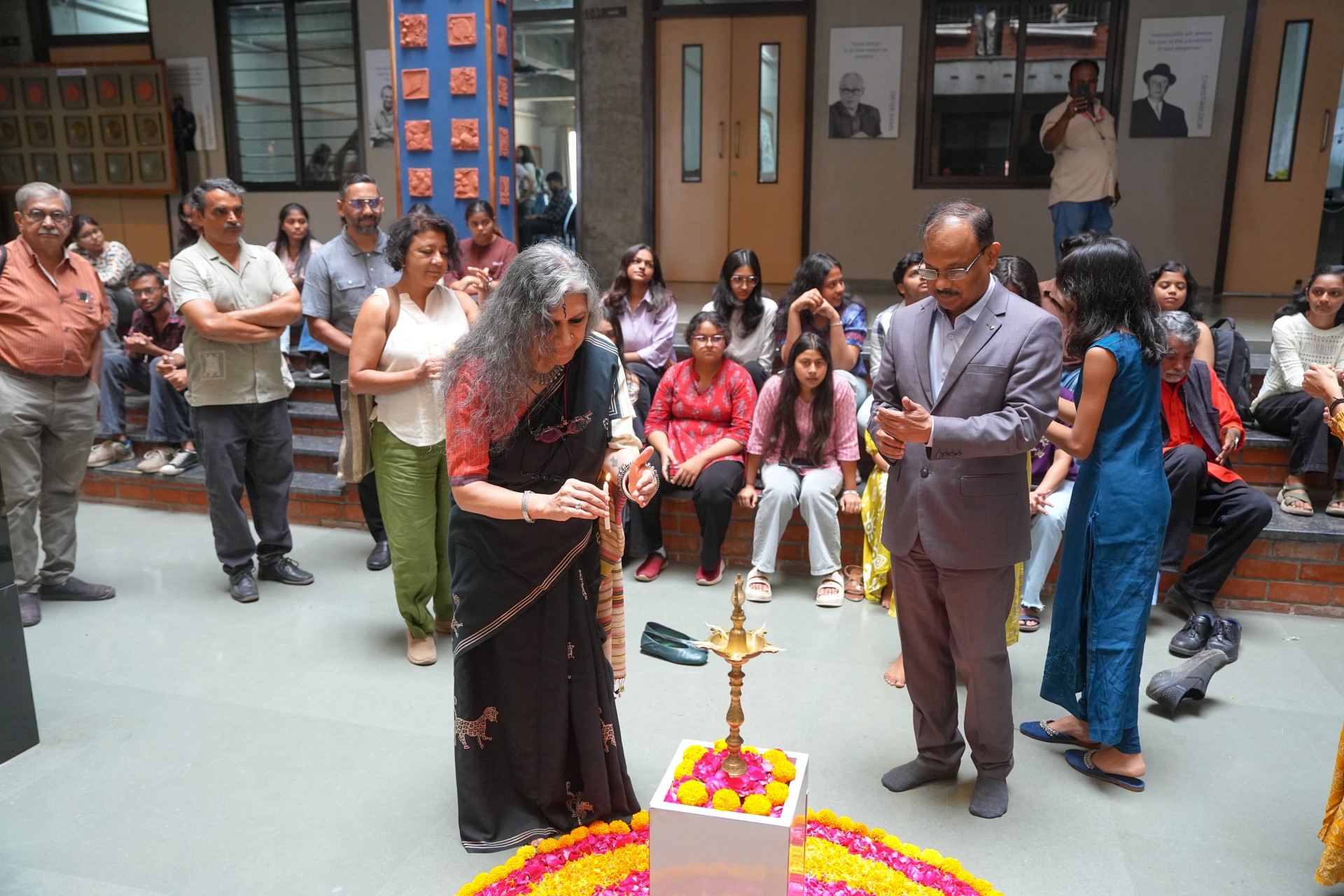
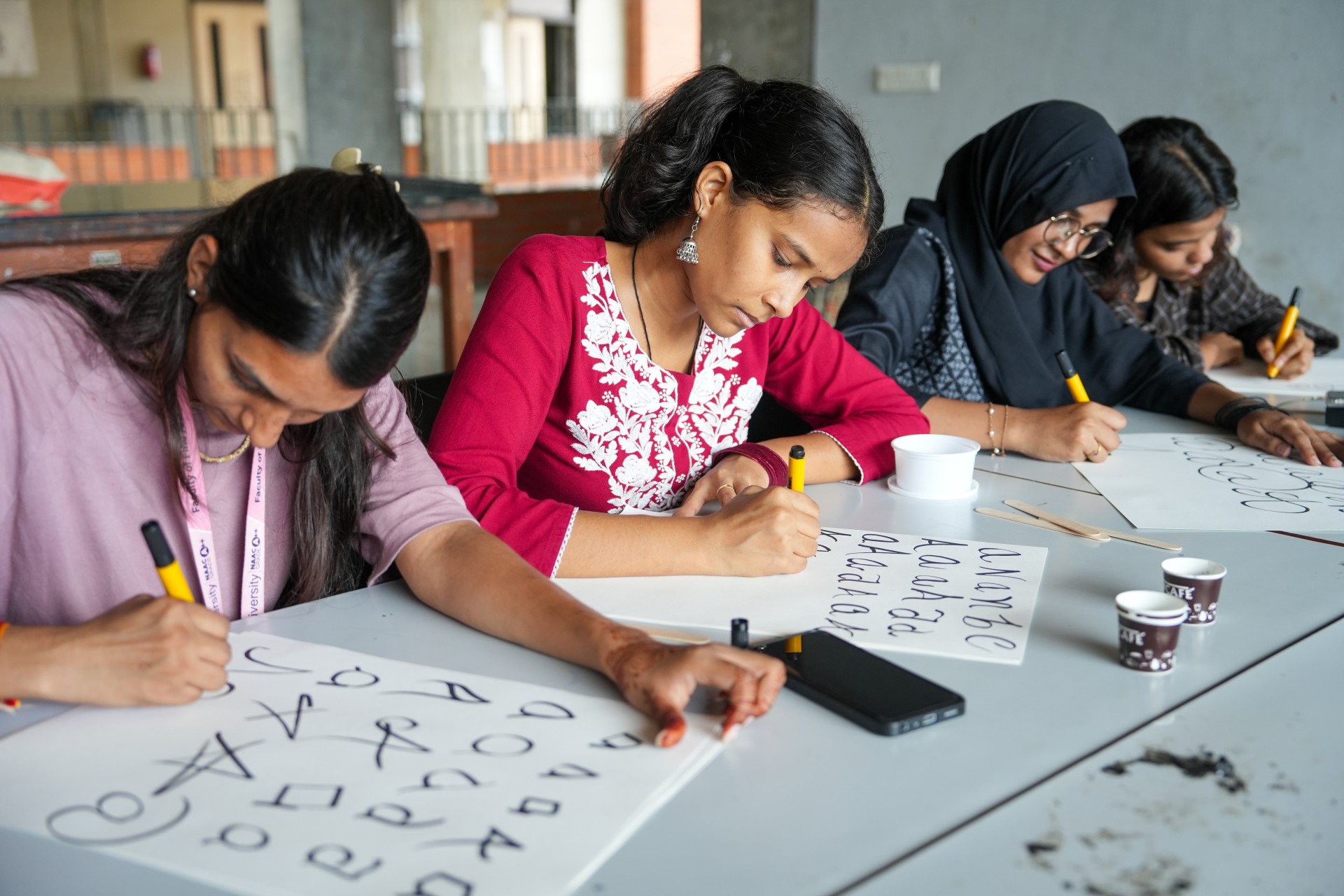
Lipikalpa
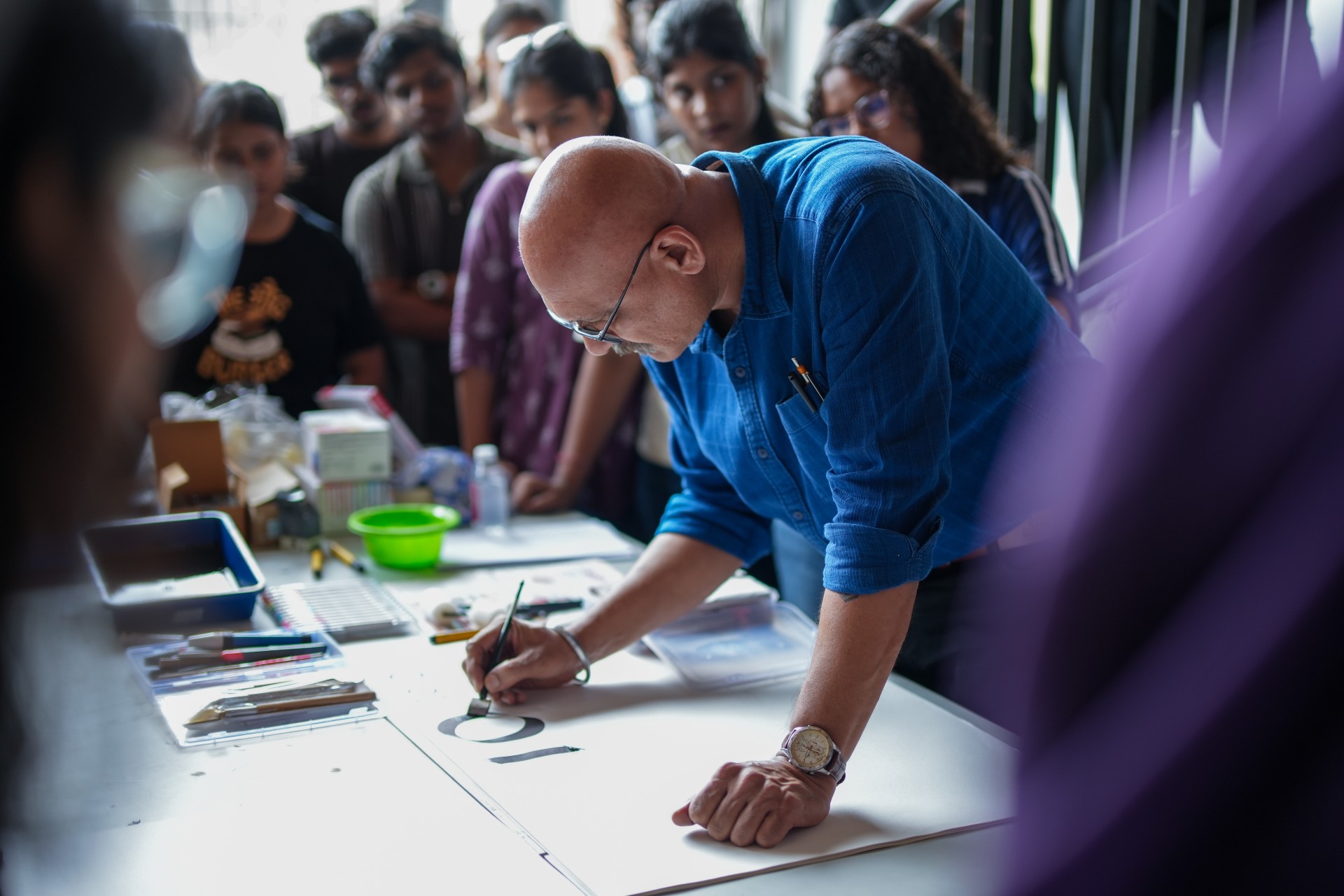
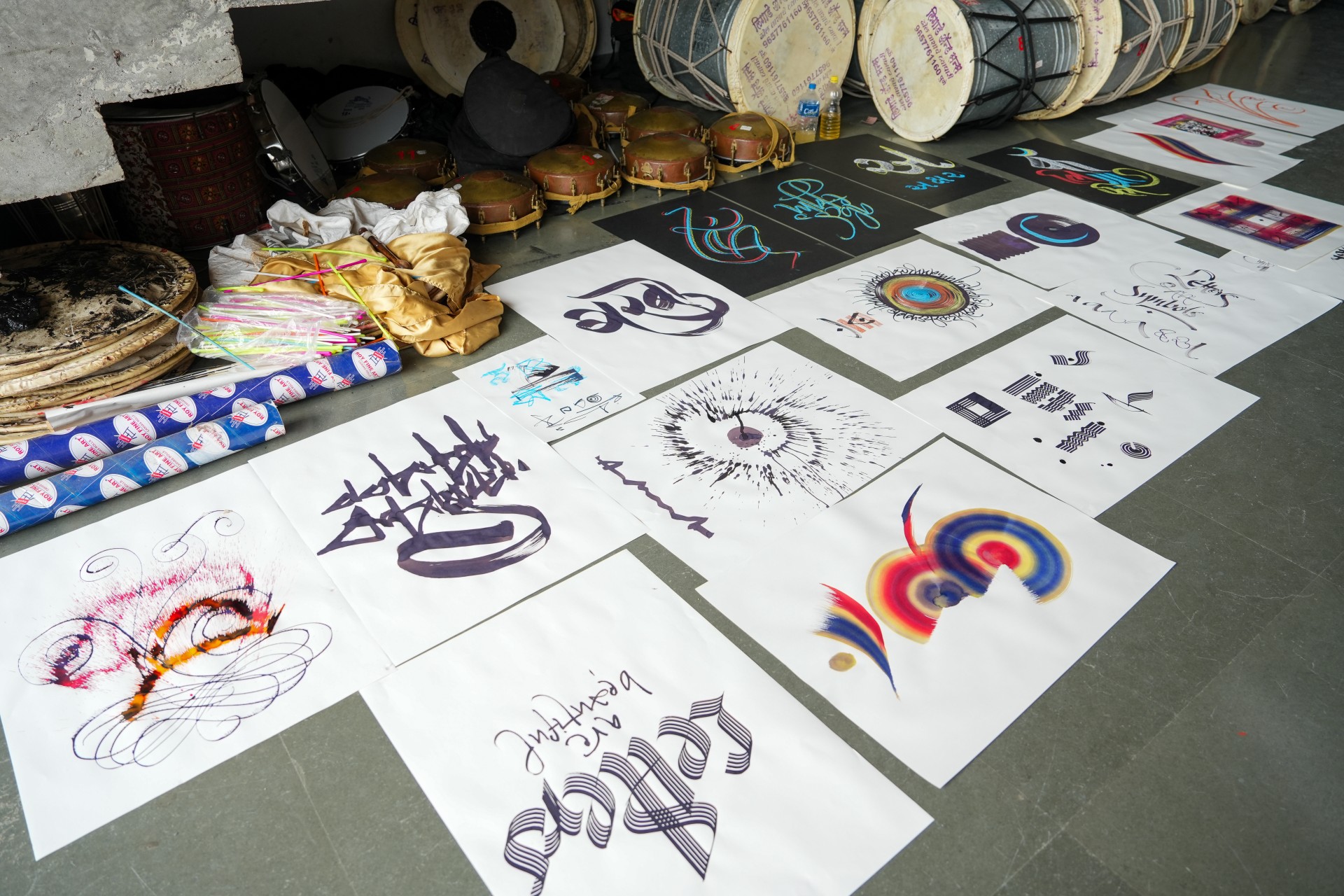
Lipikalpa is an annual flagship calligraphy festival and workshop series hosted by the Parul Institute of Fine Arts at Parul University
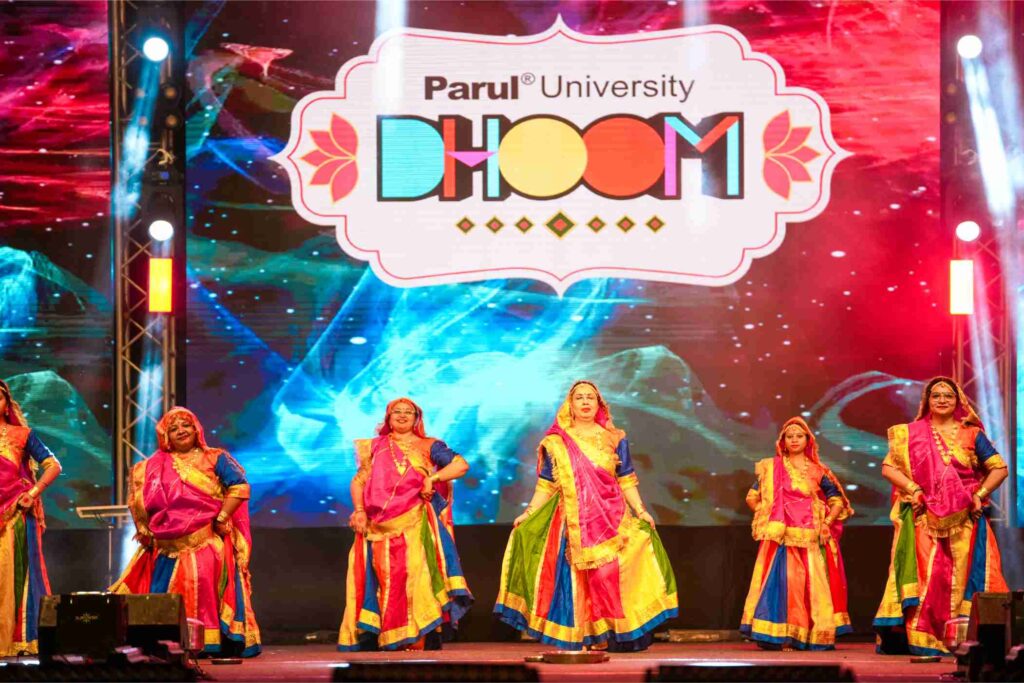
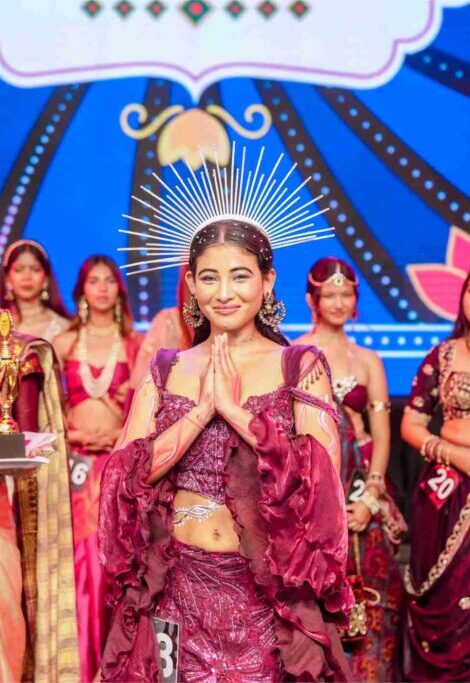
DHOOM
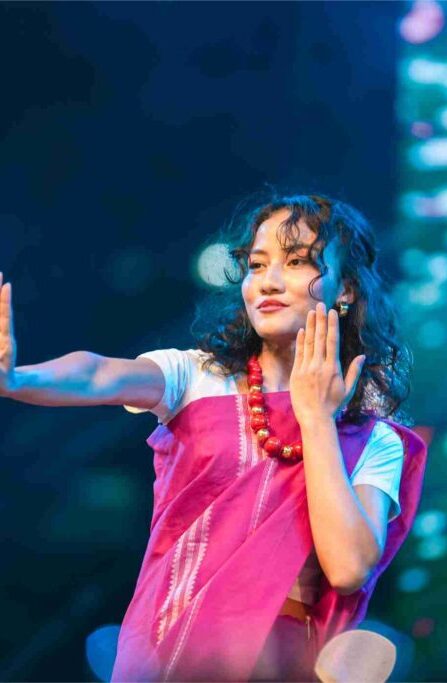
PU's grand annual youth festival electrifying performances, competitions, celebrity appearances and cultural showcases that define the year.
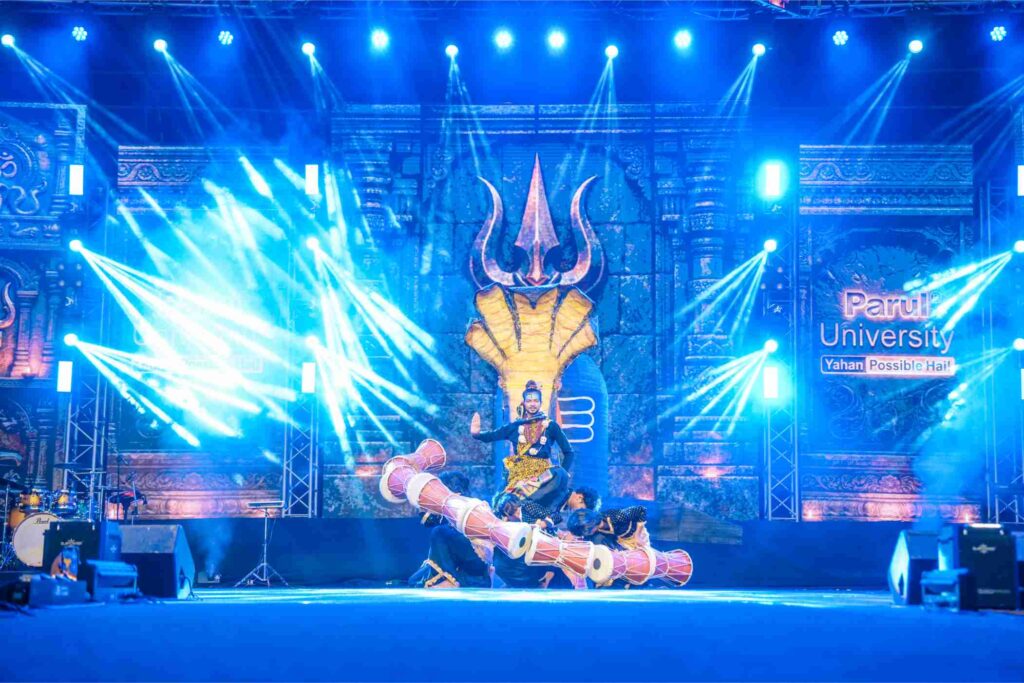
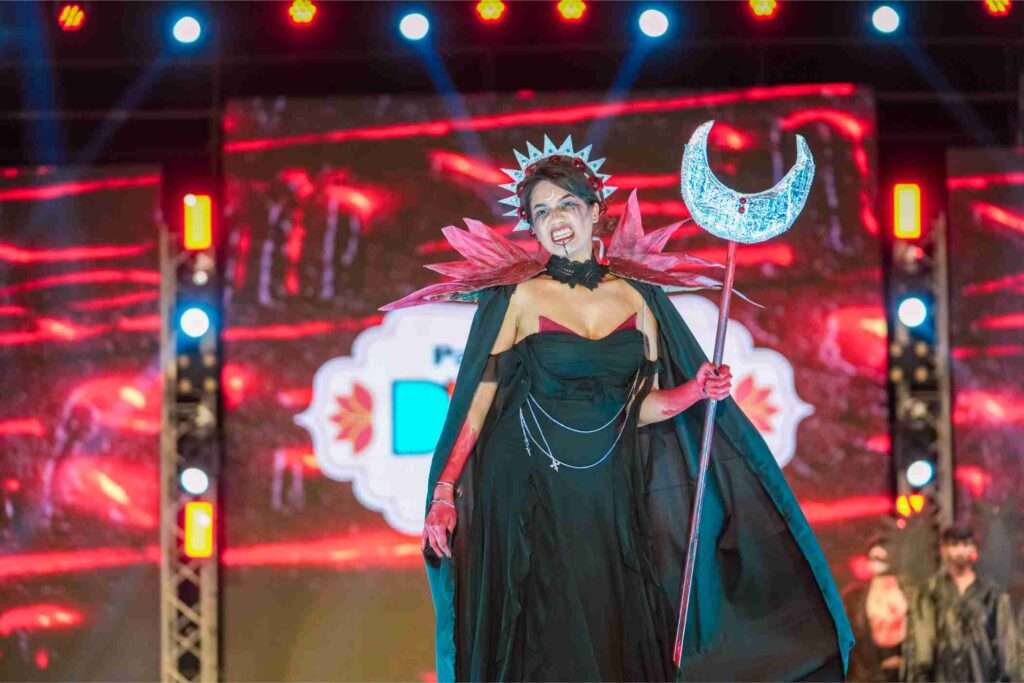
Global Perspective Series
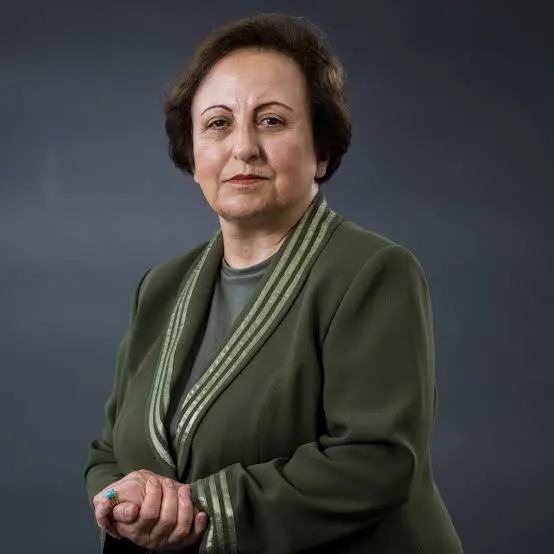
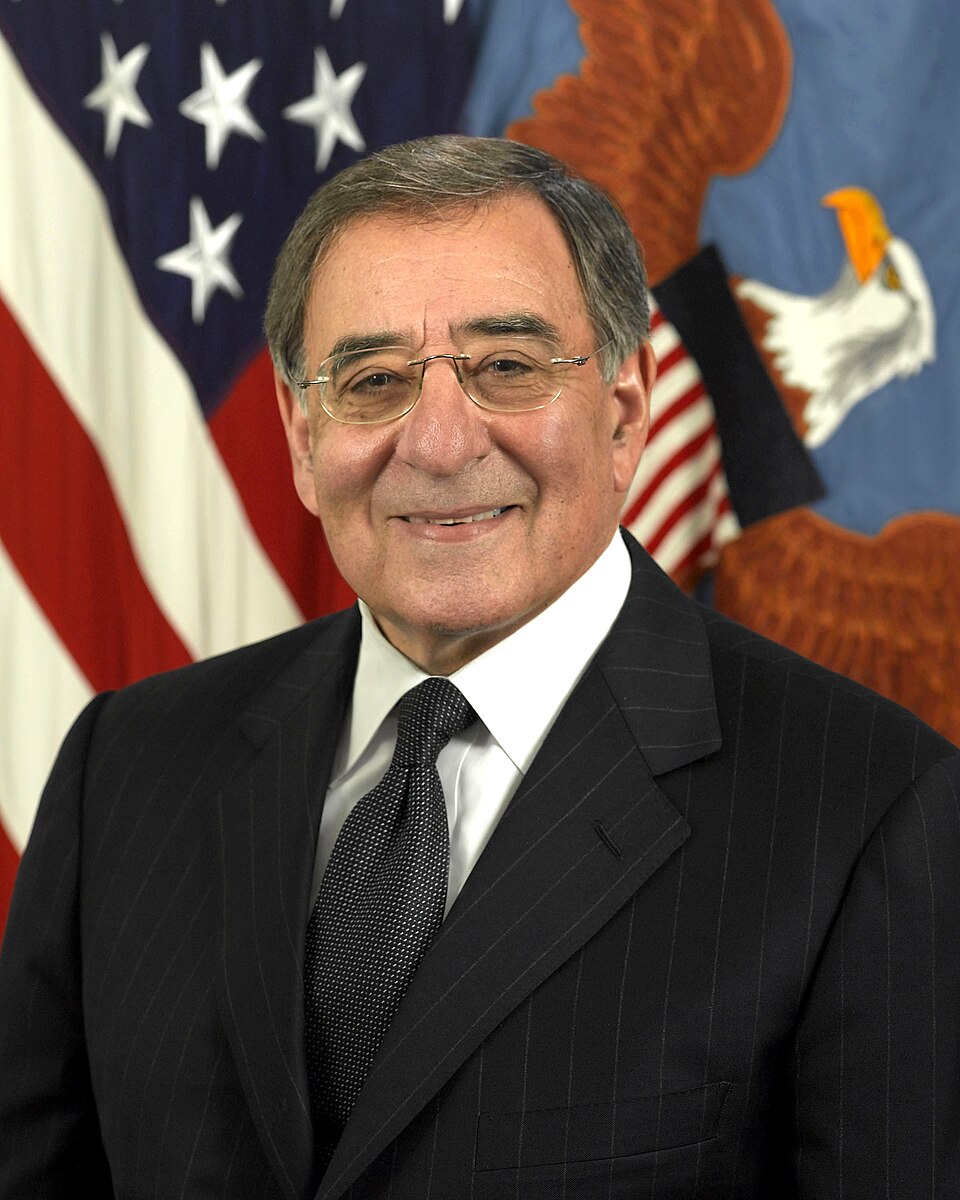
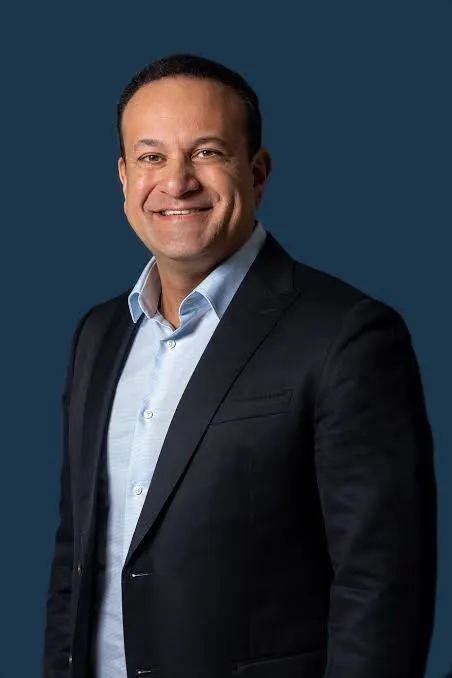
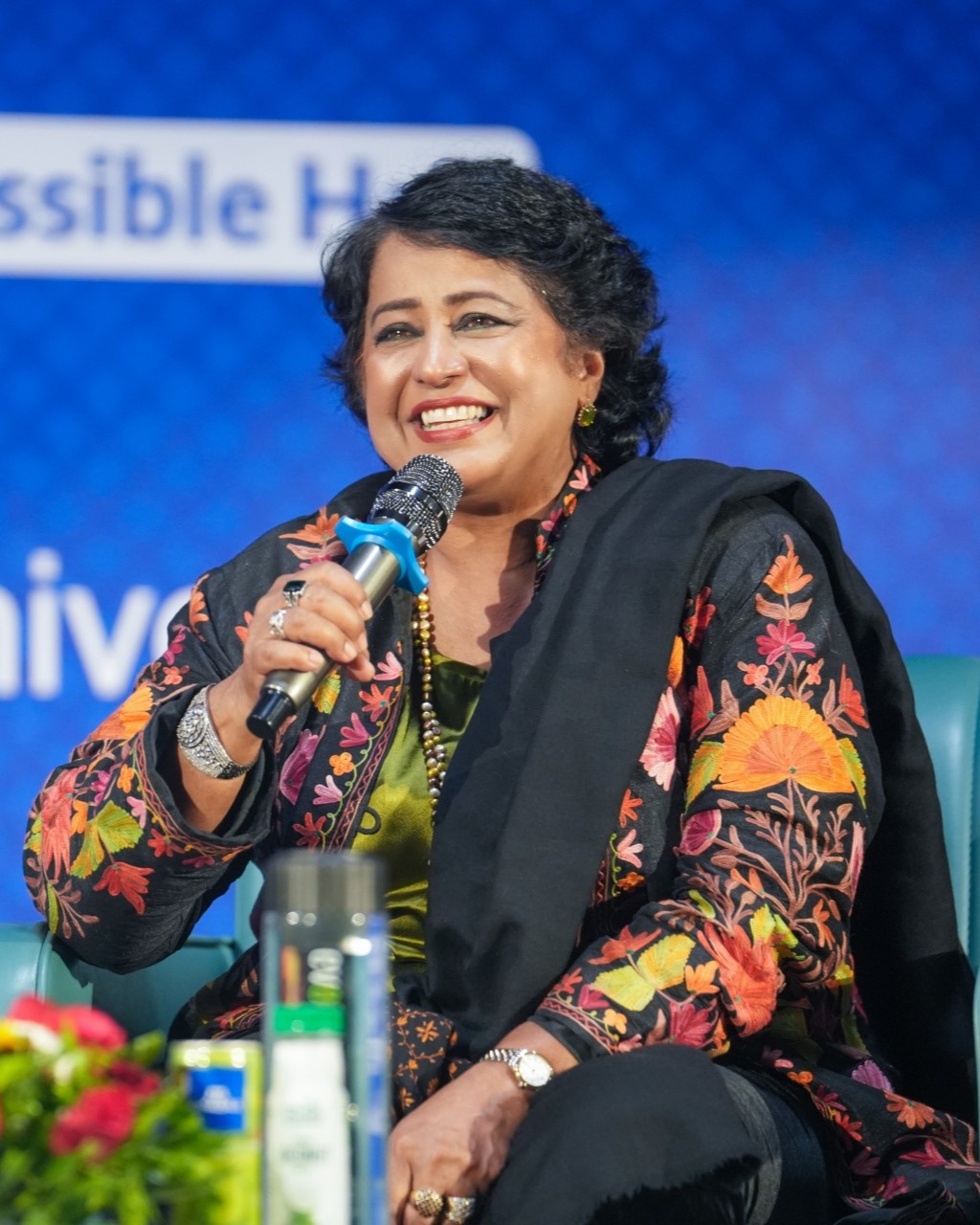
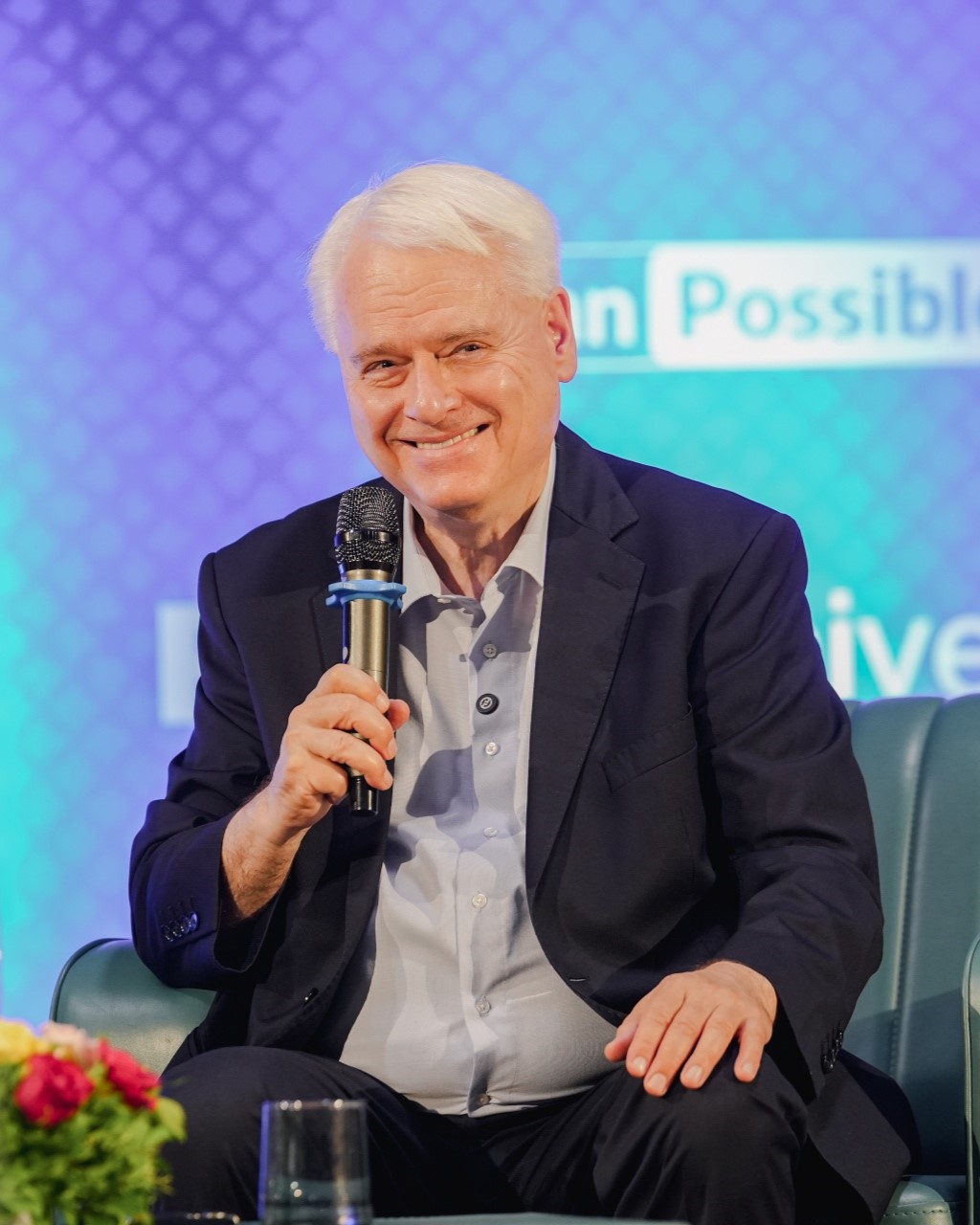
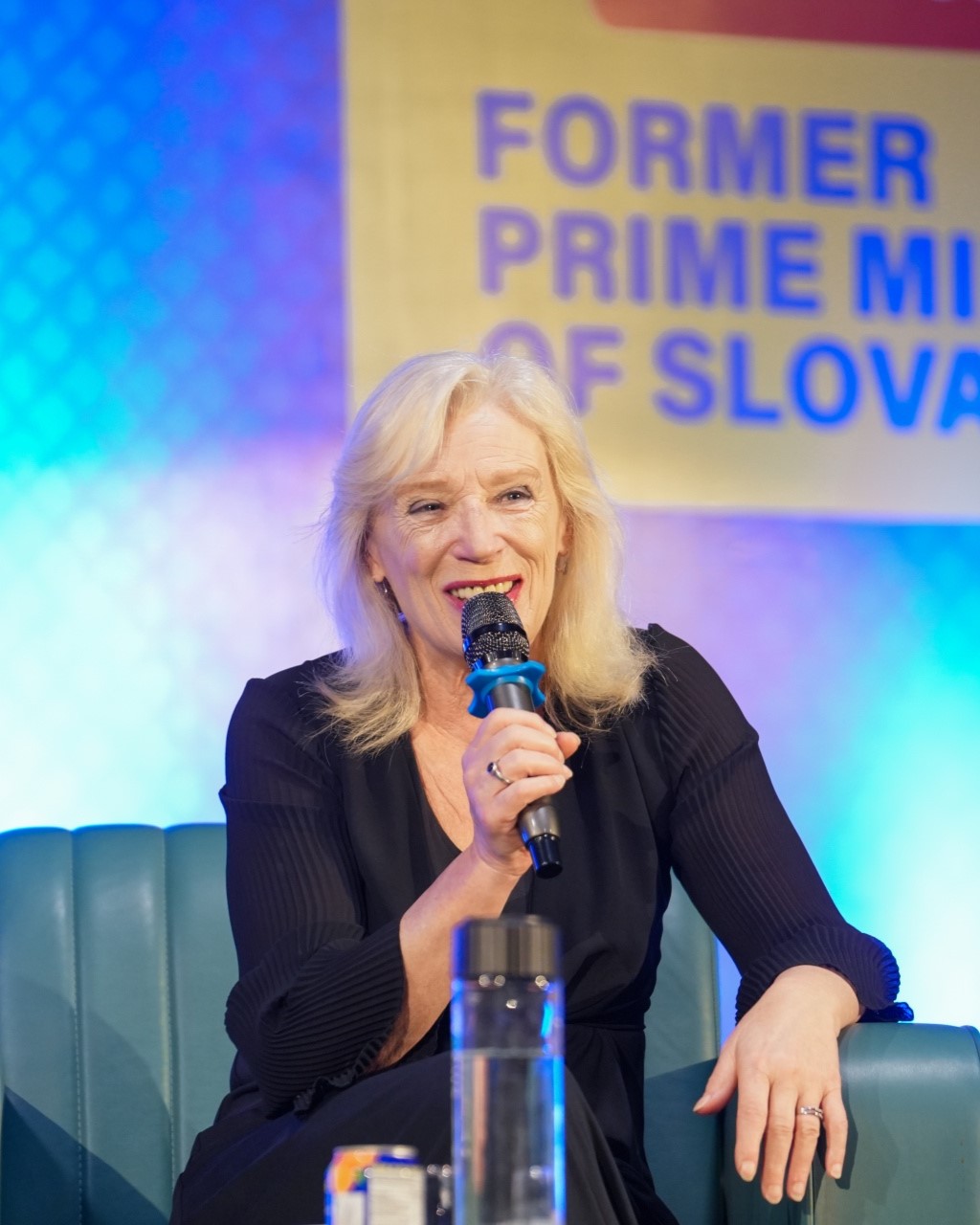
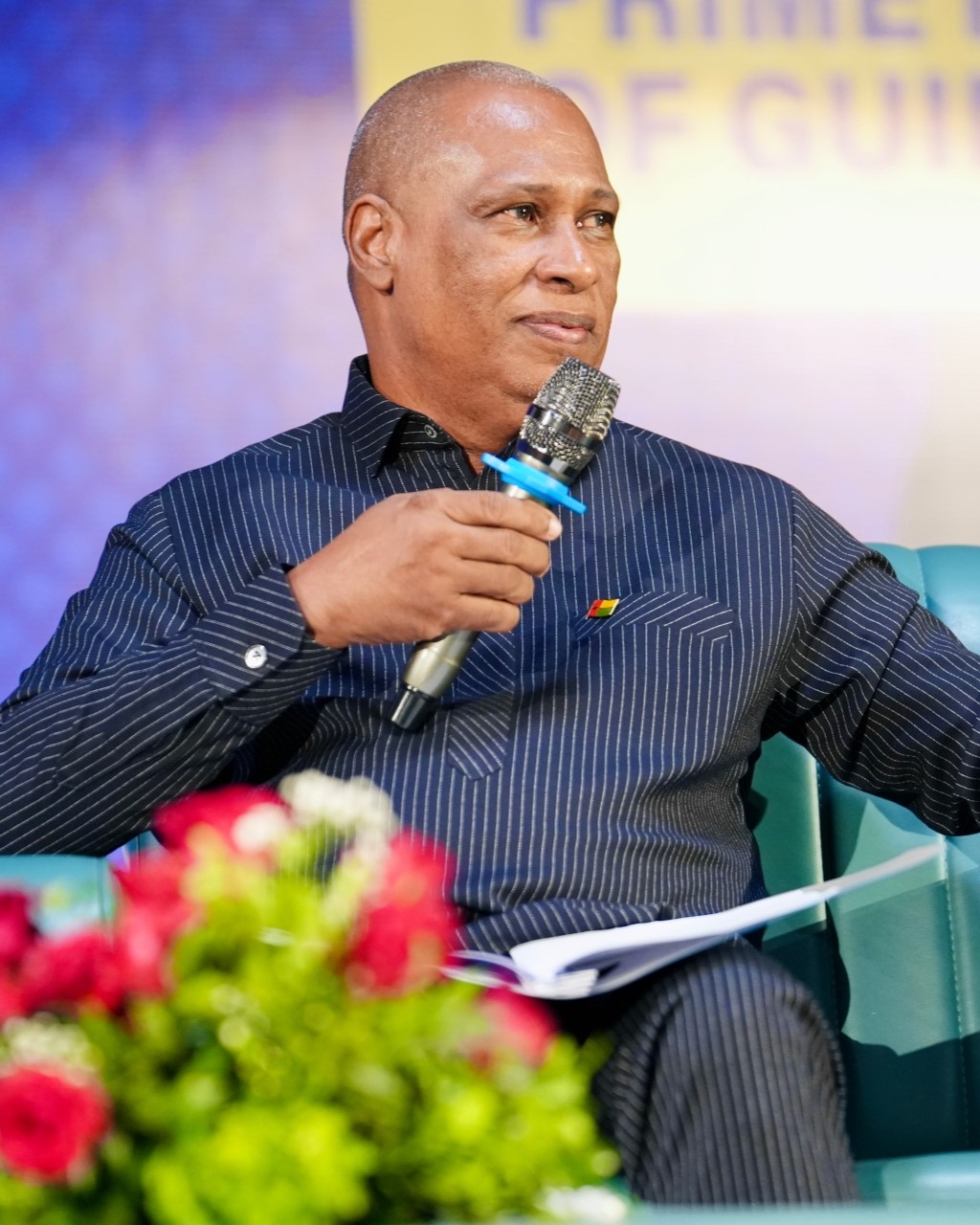
GPS bridges academic learning with real-world governance. It gives students direct, interactive 1:1 access to Nobel laureates, former heads of state, and international policymakers to discuss global leadership, diplomacy, justice, and social reform.
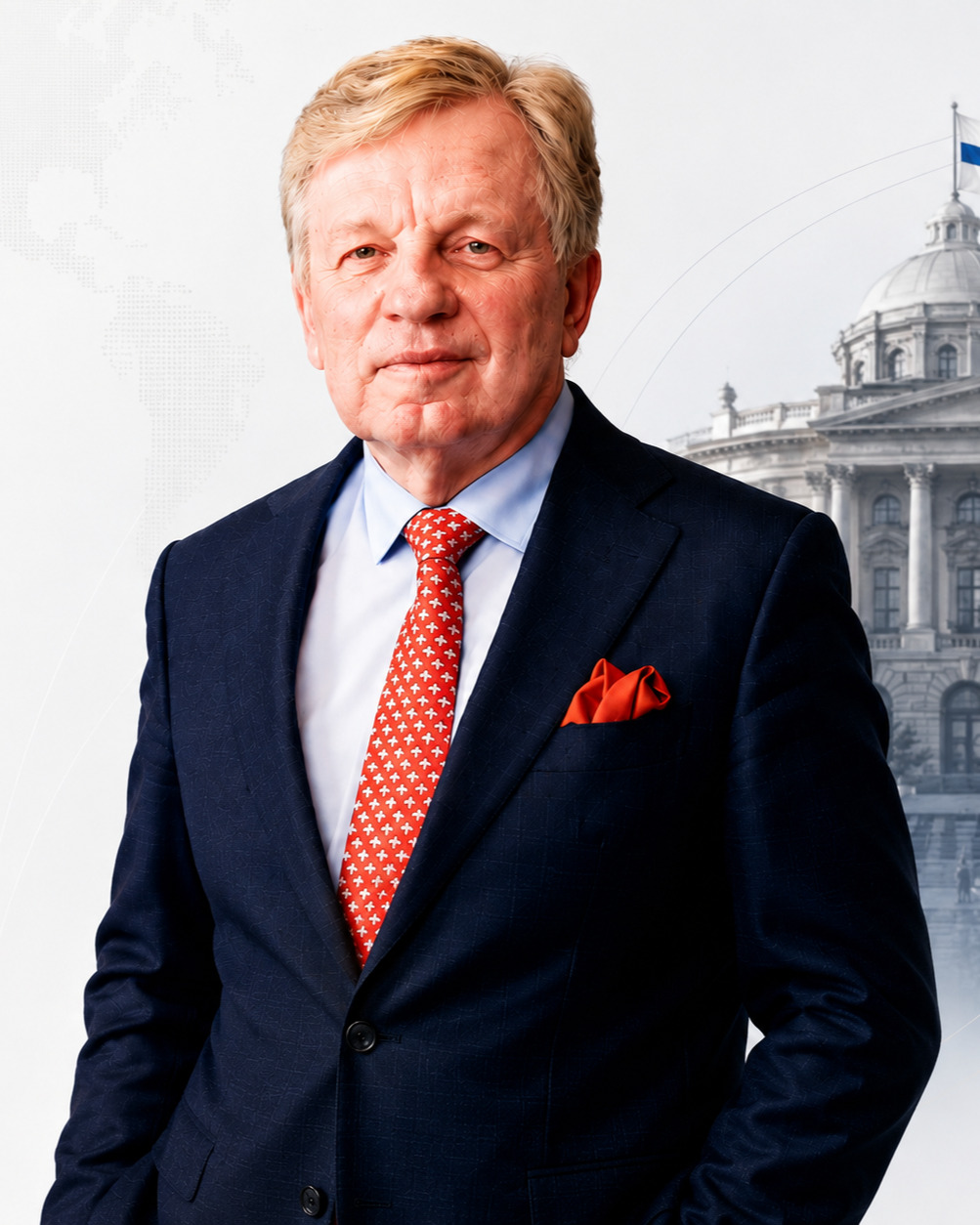
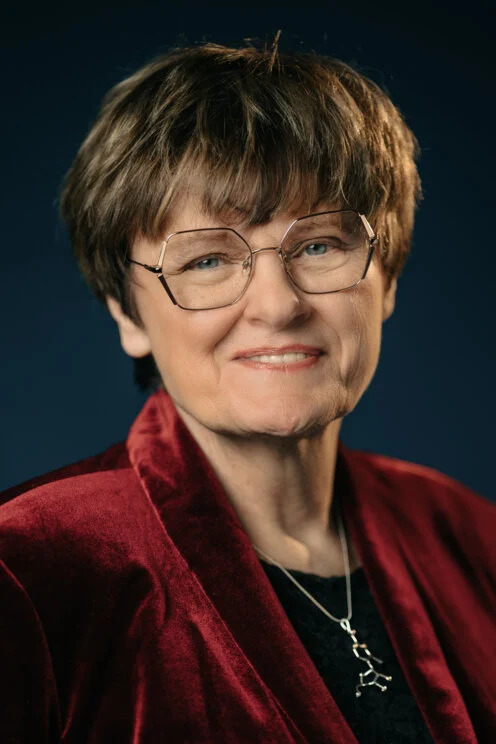
Dr. Katalin Karikó
Nobel Prize in Physiology or Medicine (2023)
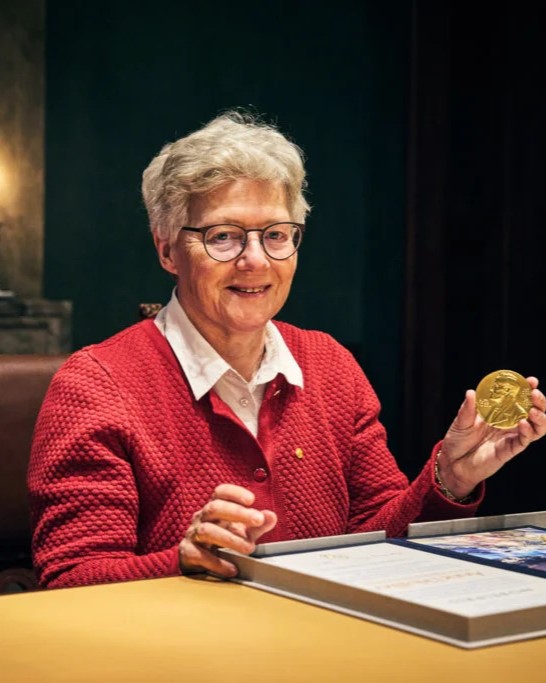
Prof. Anne L'Huillier
Nobel Prize in Physics (2023)
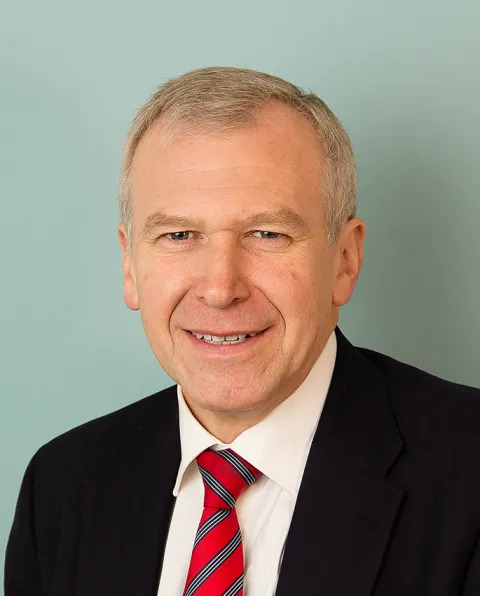
Yves Leterme
Former Prime Minister of Belgium
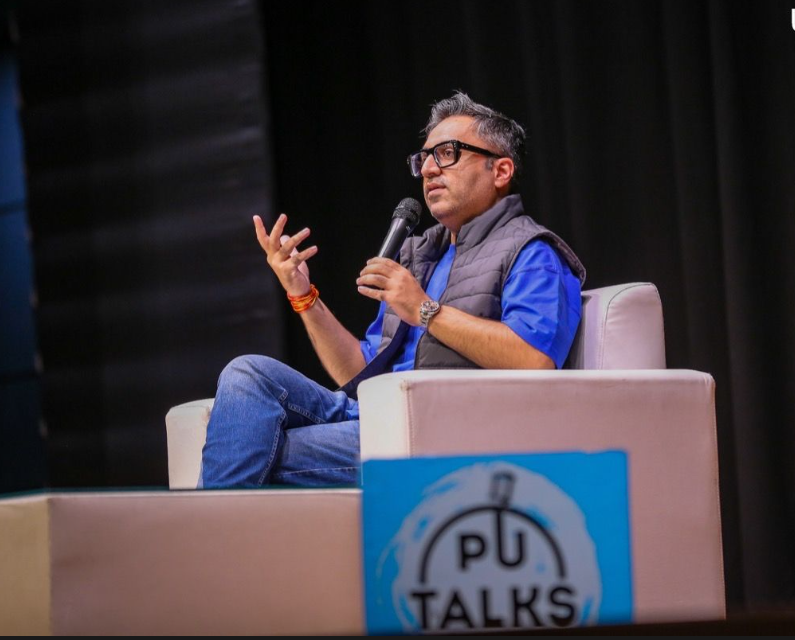
Ashneer Grover
Former MD and Co - Founder

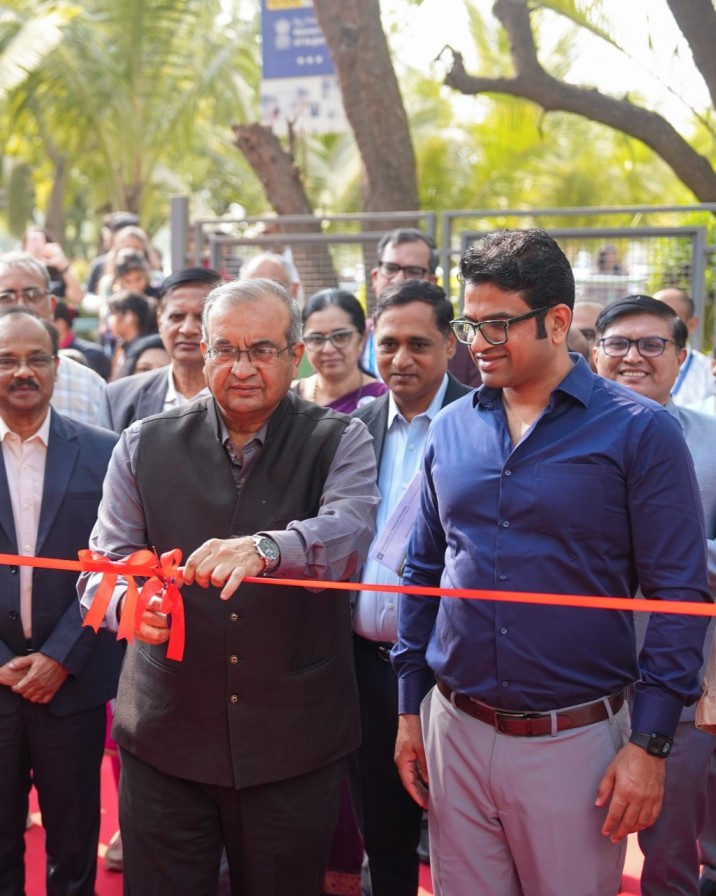
Vadodara Startup Festival
VSF is PU’s flagship national startup carnival, organized annually by the PIERC. Recognized as one of Gujarat’s largest startup carnivals, VSF serves as an incubation and growth platform that connects student founders with venture capital investors, industry mentors, and policymakers.
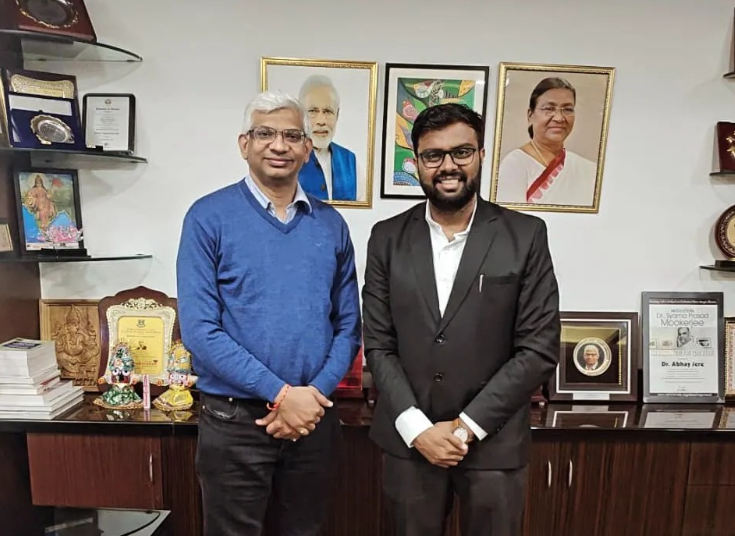
Dr. Abhay Jere
Chief Innovation Officer
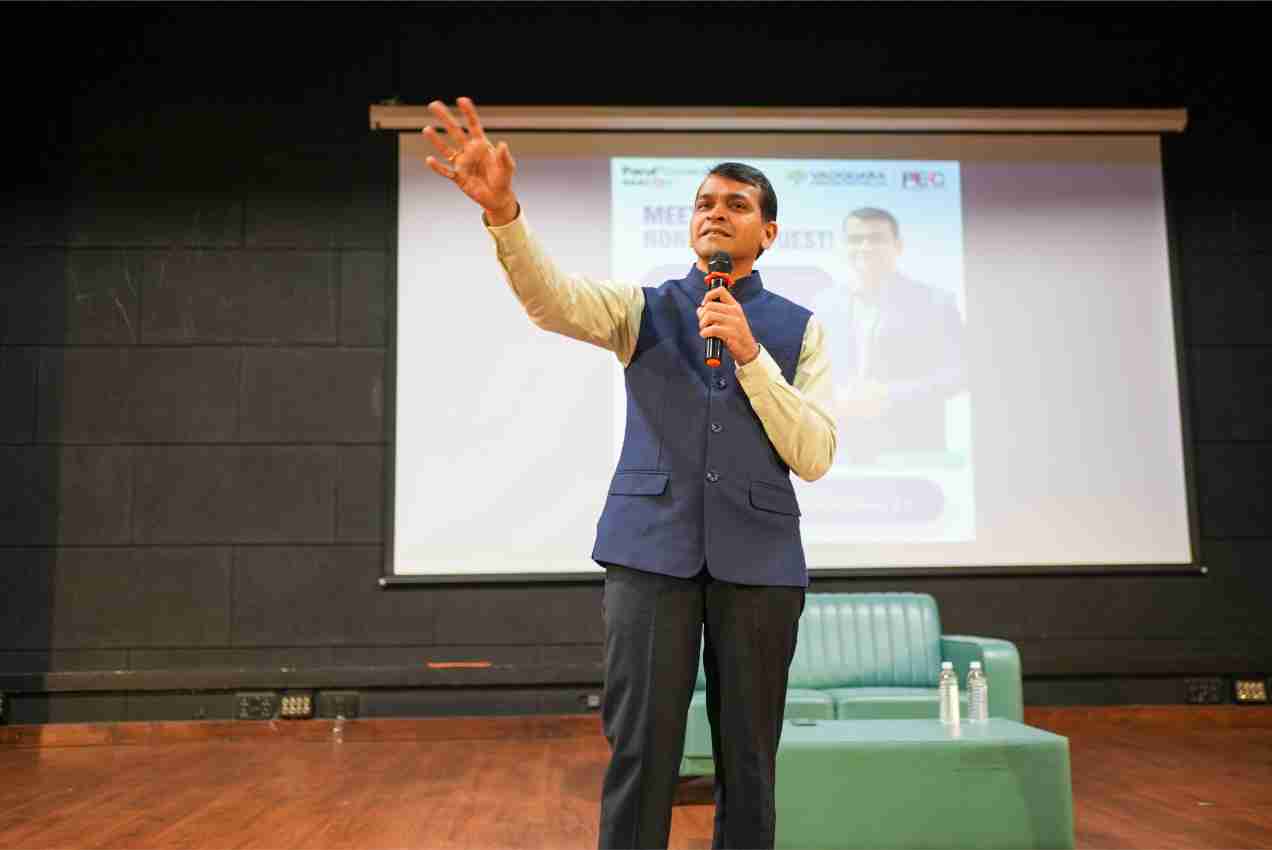
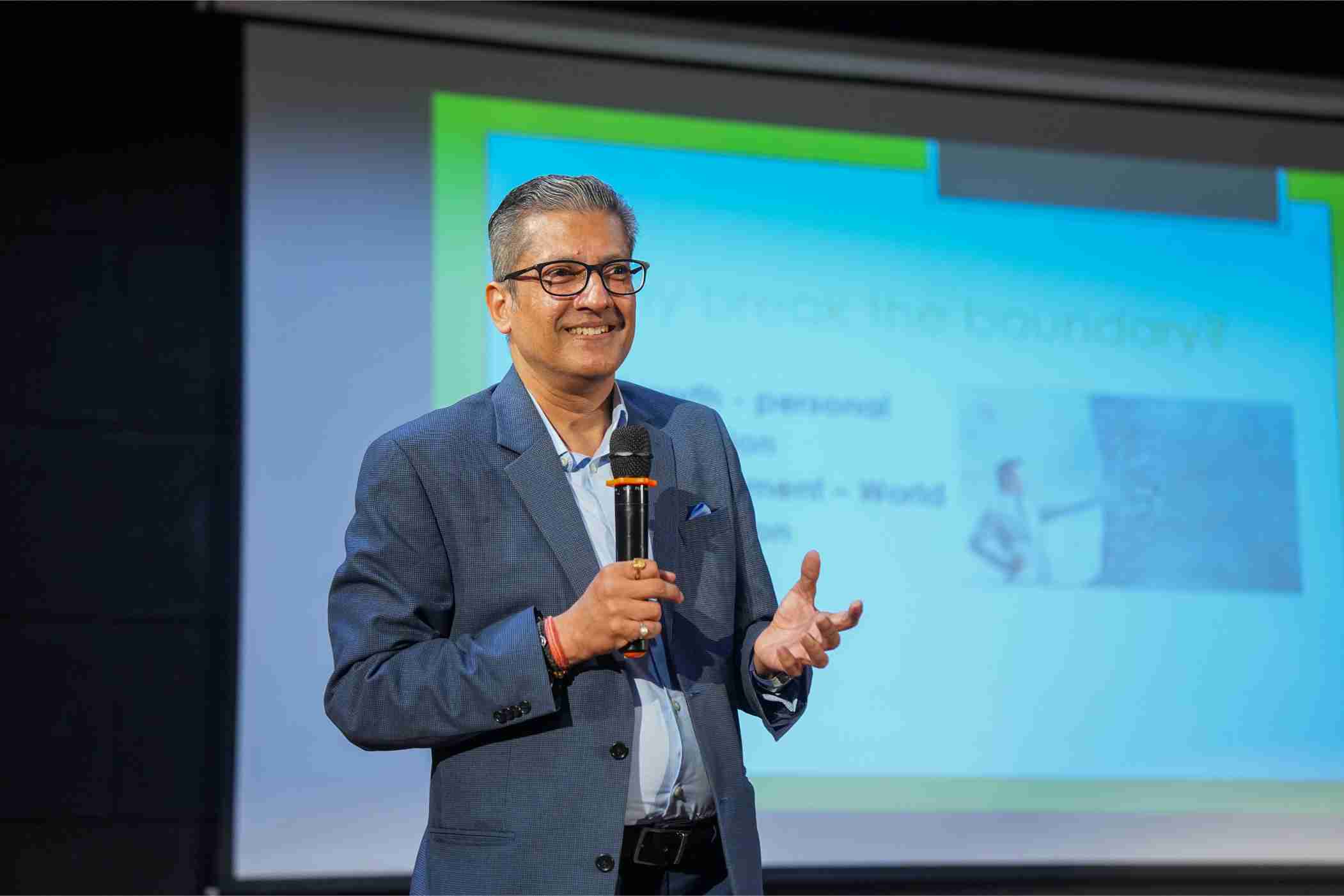
Shri Yogesh Brahmankar
Innovation Director
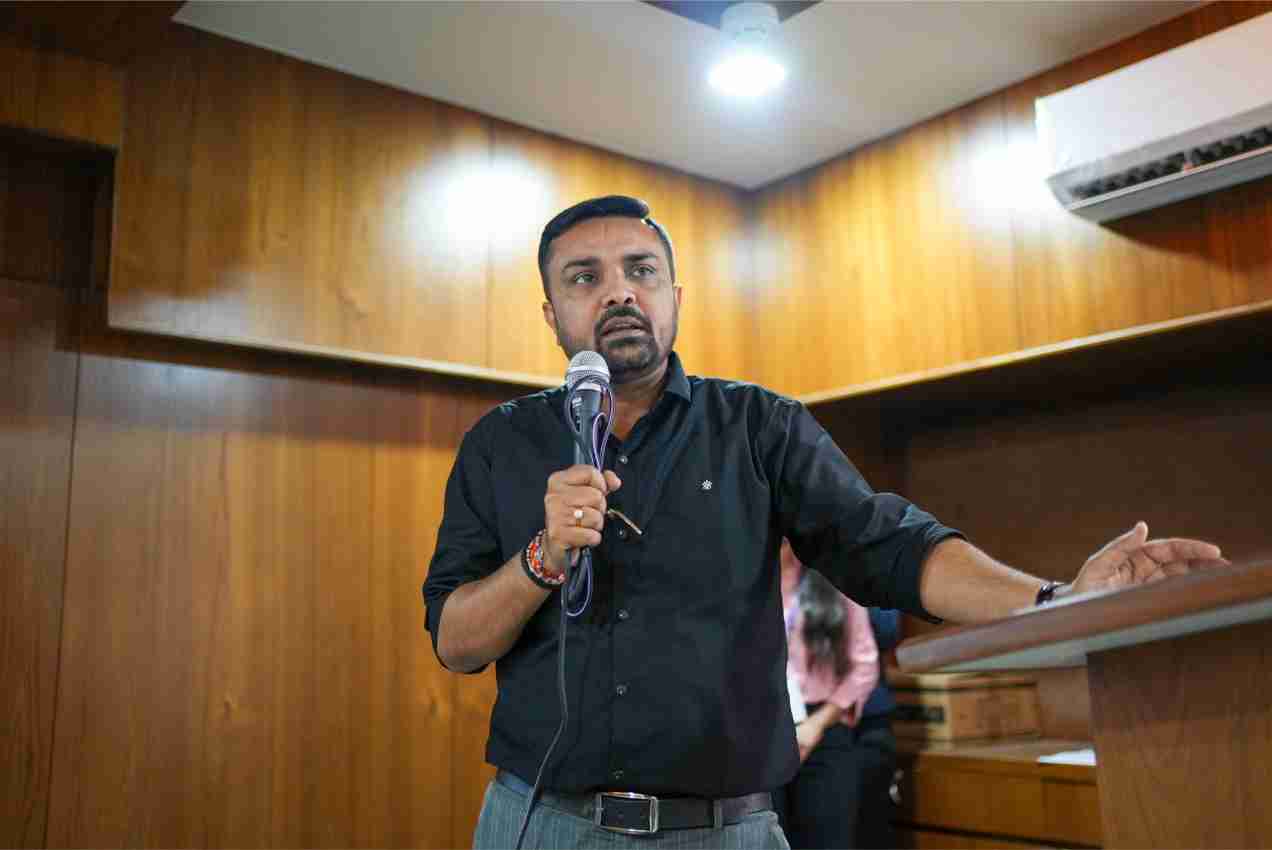
Rajat Singhania
Founder

Mr. Mayur Raval
Chief Business Officer

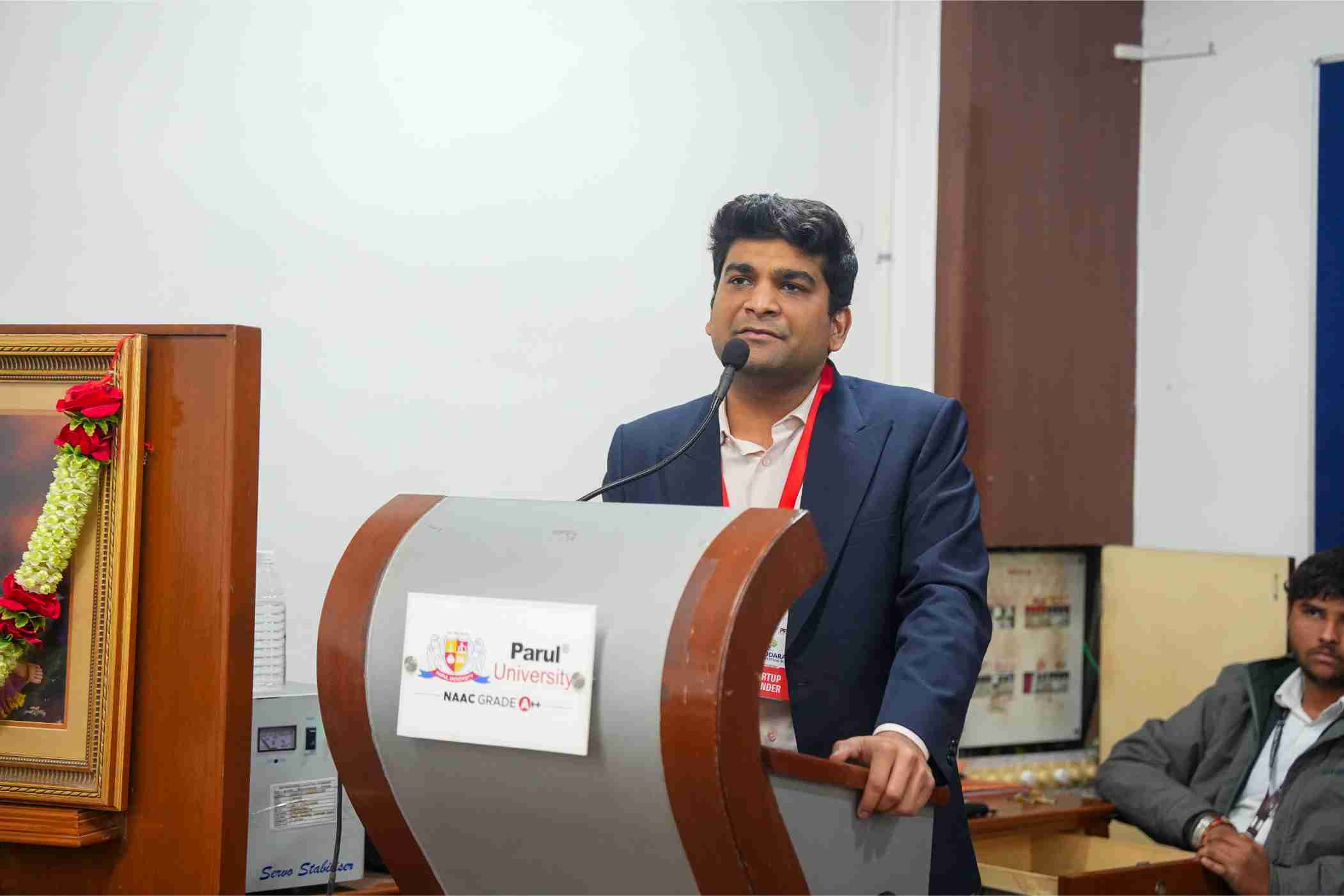
Anurag Sundarka
Founder

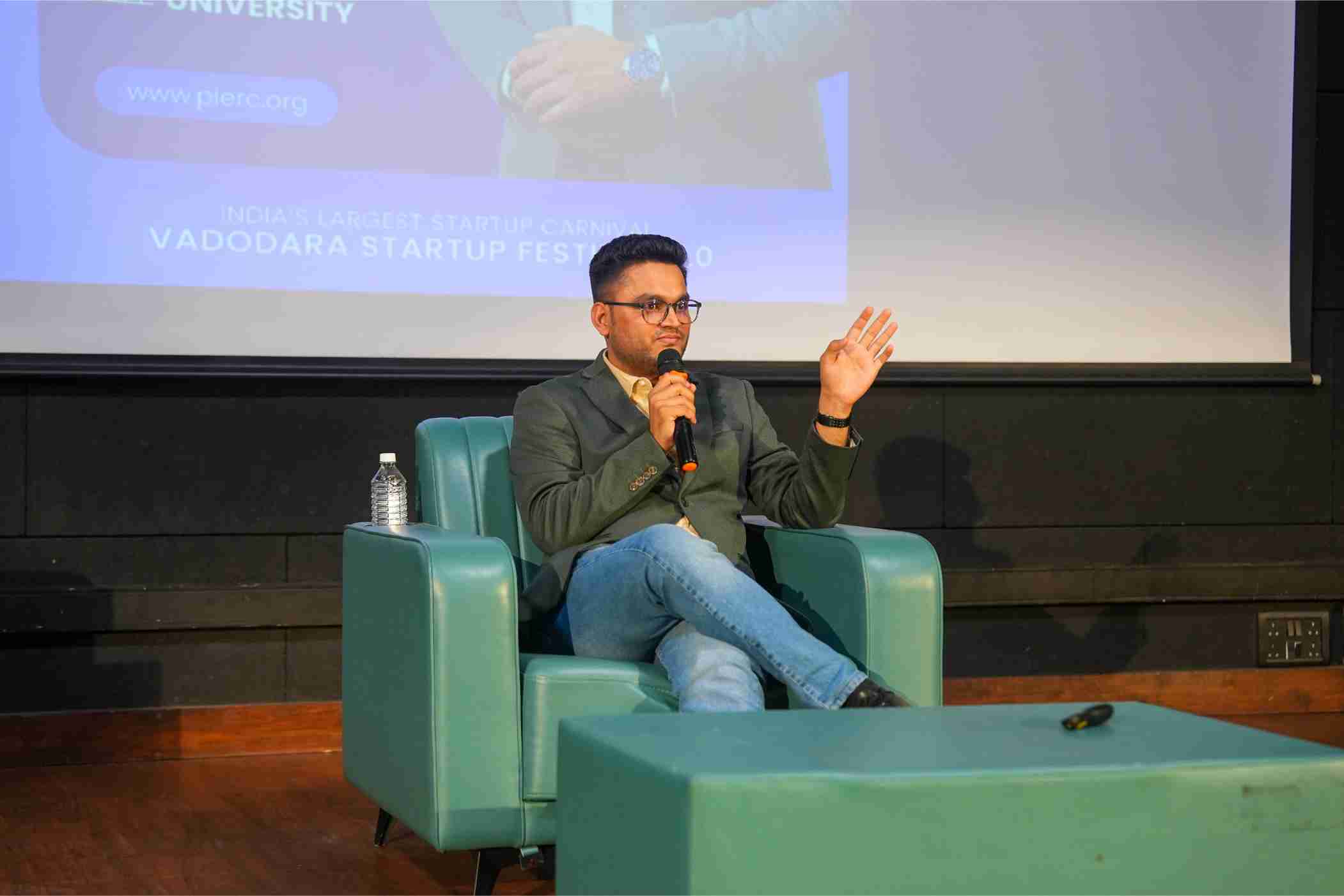
Mr. Raj Hadvani
Whole-time Director
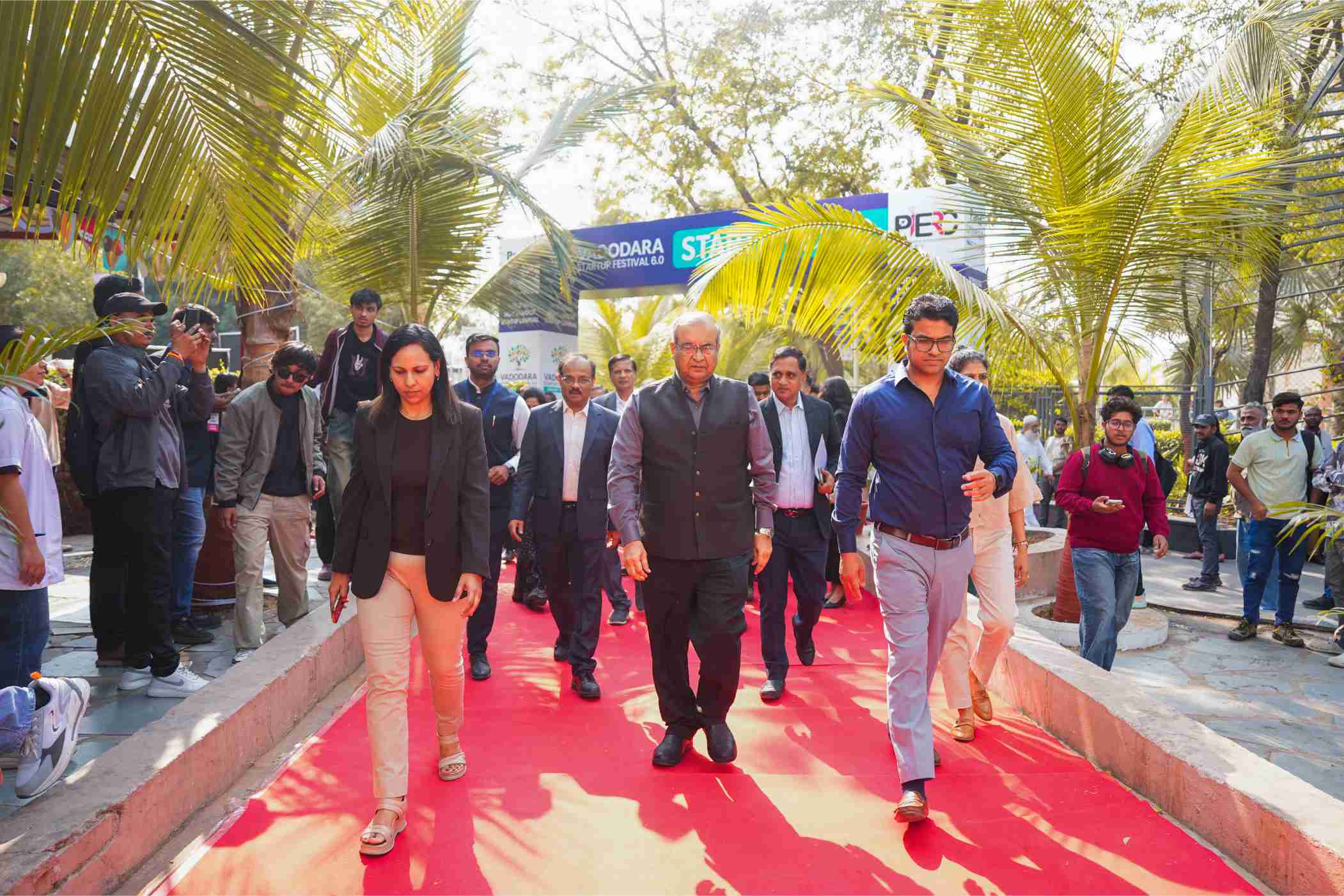
Shri Bipin Talati
IAS, Commissioner of Technical Education
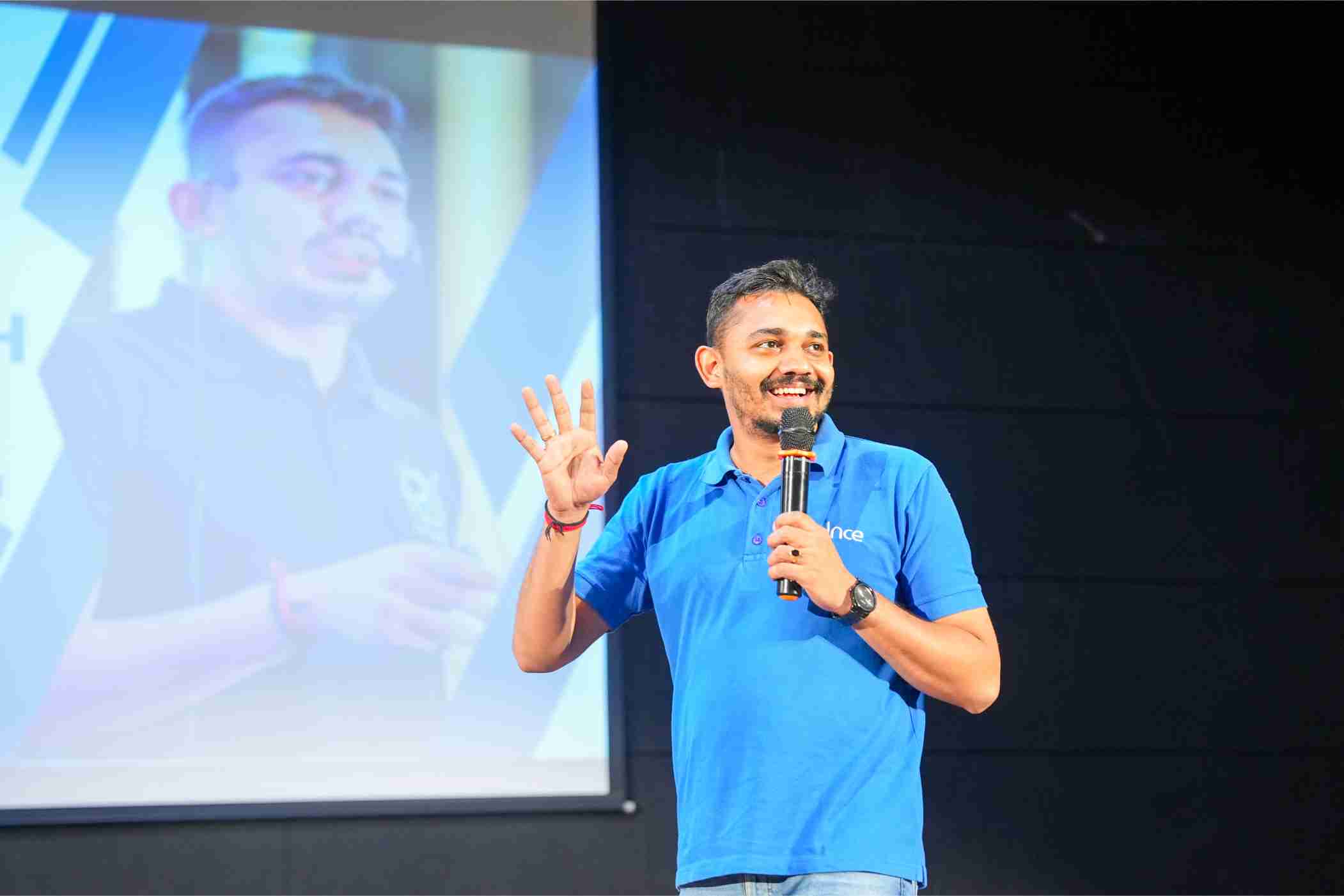
Yash Tarwadi
Founder and CEO

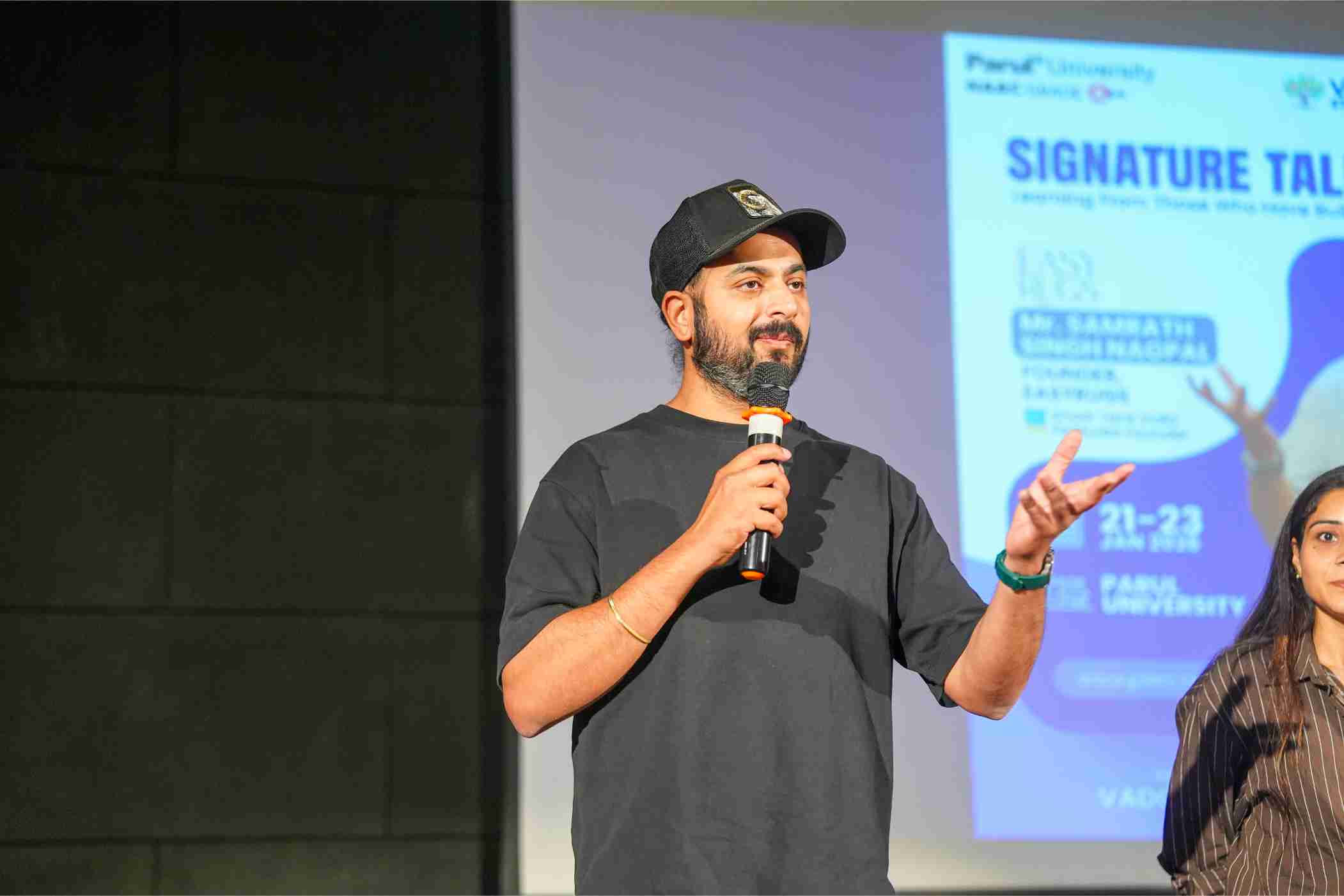
Samrath Singh Nagpal
Co-founder

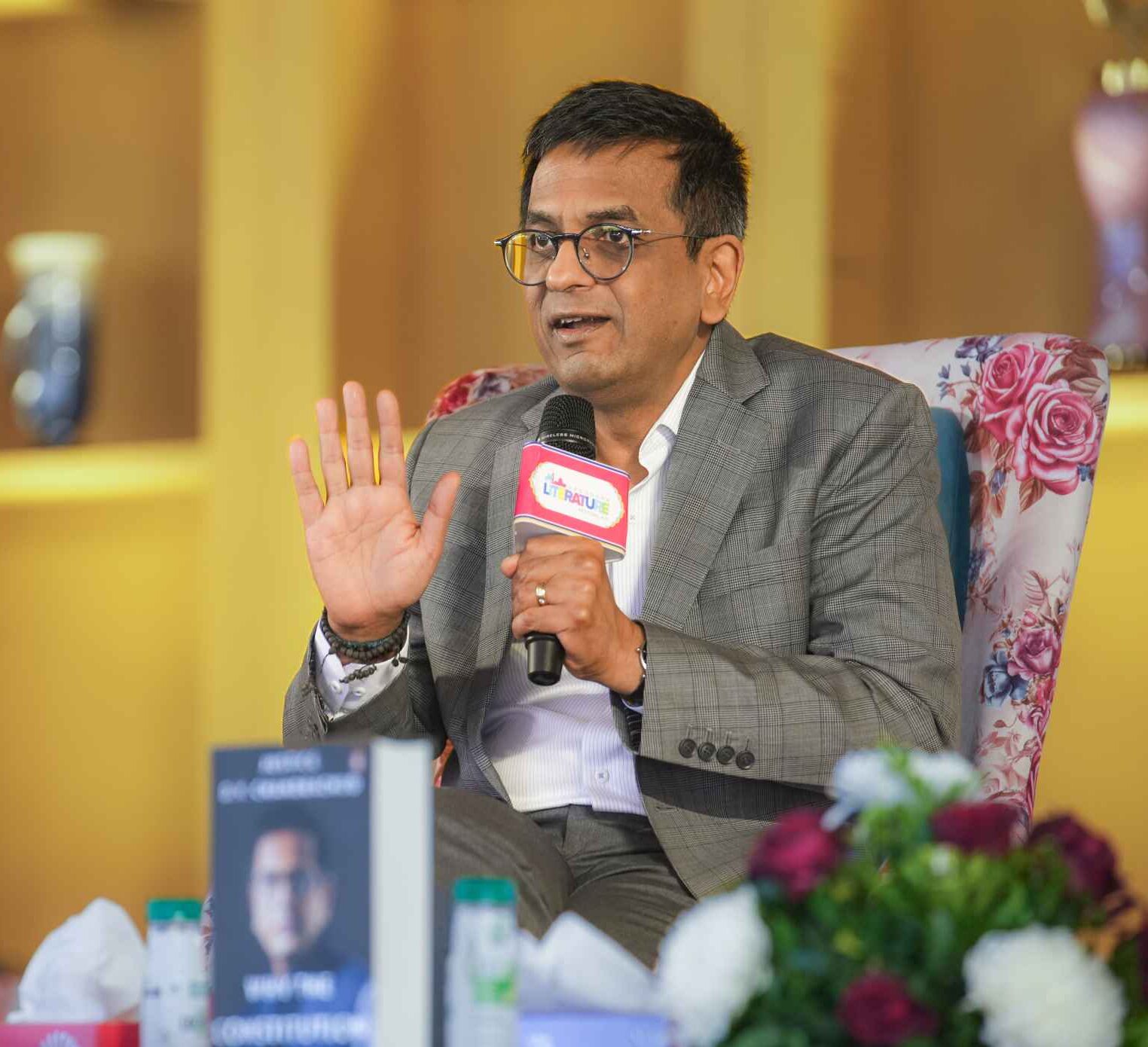
Justice D.Y. Chandrachud
50th Chief Justice of India
1000+
Participants
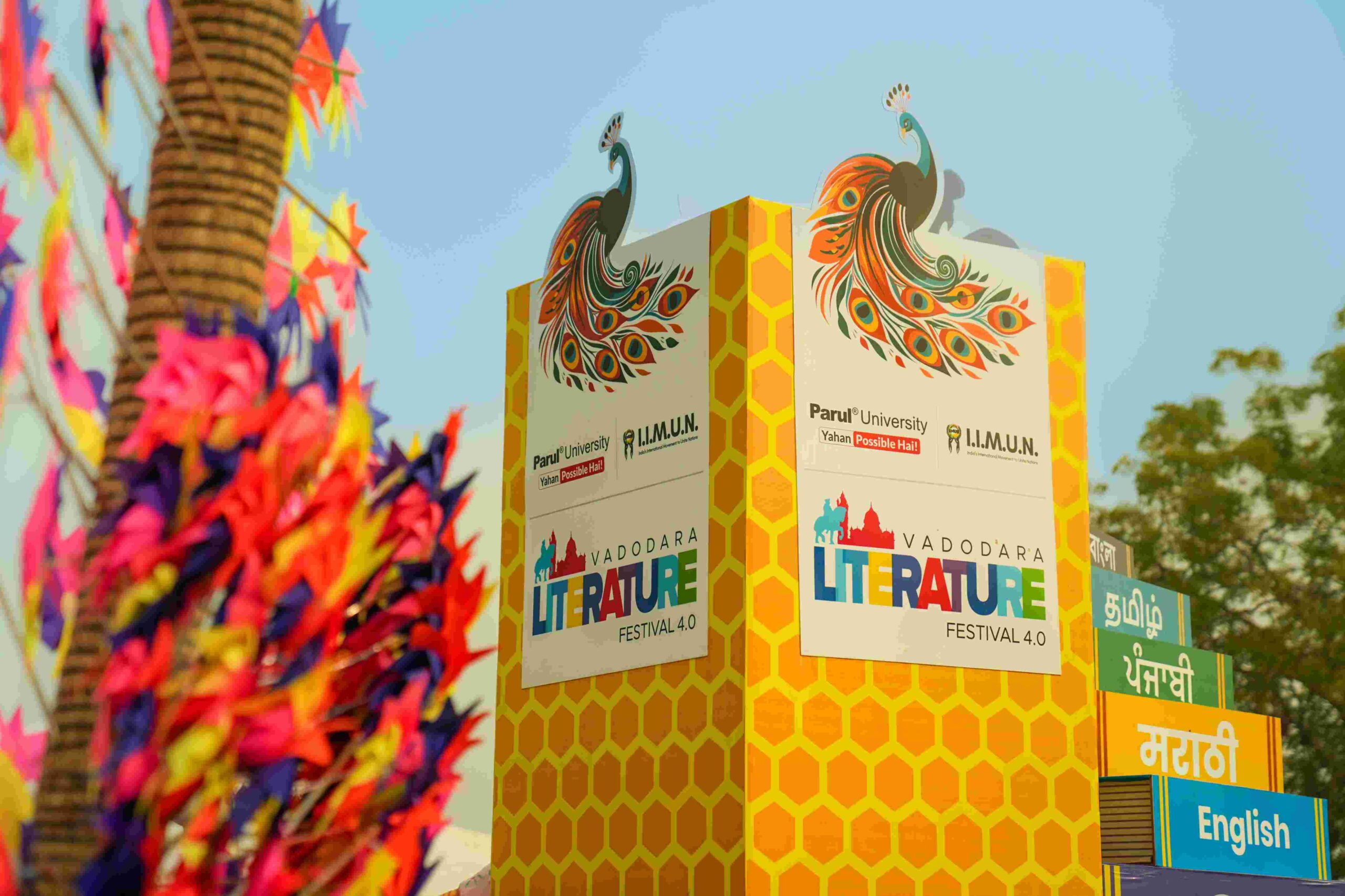
Vadodara Literature Festival
The VLF is a literary and intellectual gathering designed to foster a reading culture and encourage dialogue among the youth. Brings together 50+ authors, journalists, legislators, and artists to discuss diverse themes ranging from fiction, history, and gender studies to wellness, economics, and public policy.
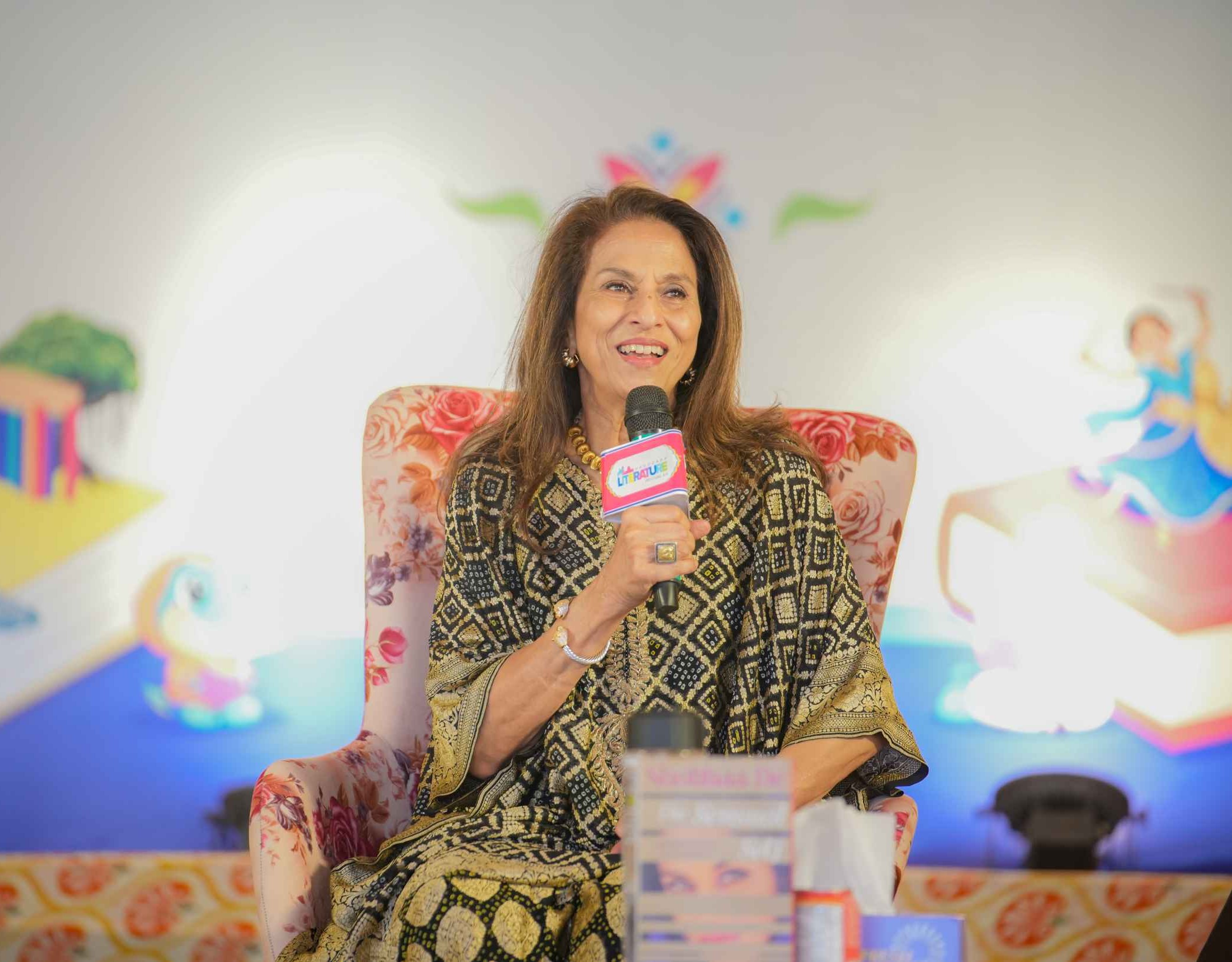
Shobhaa De
Renowned author and columnist
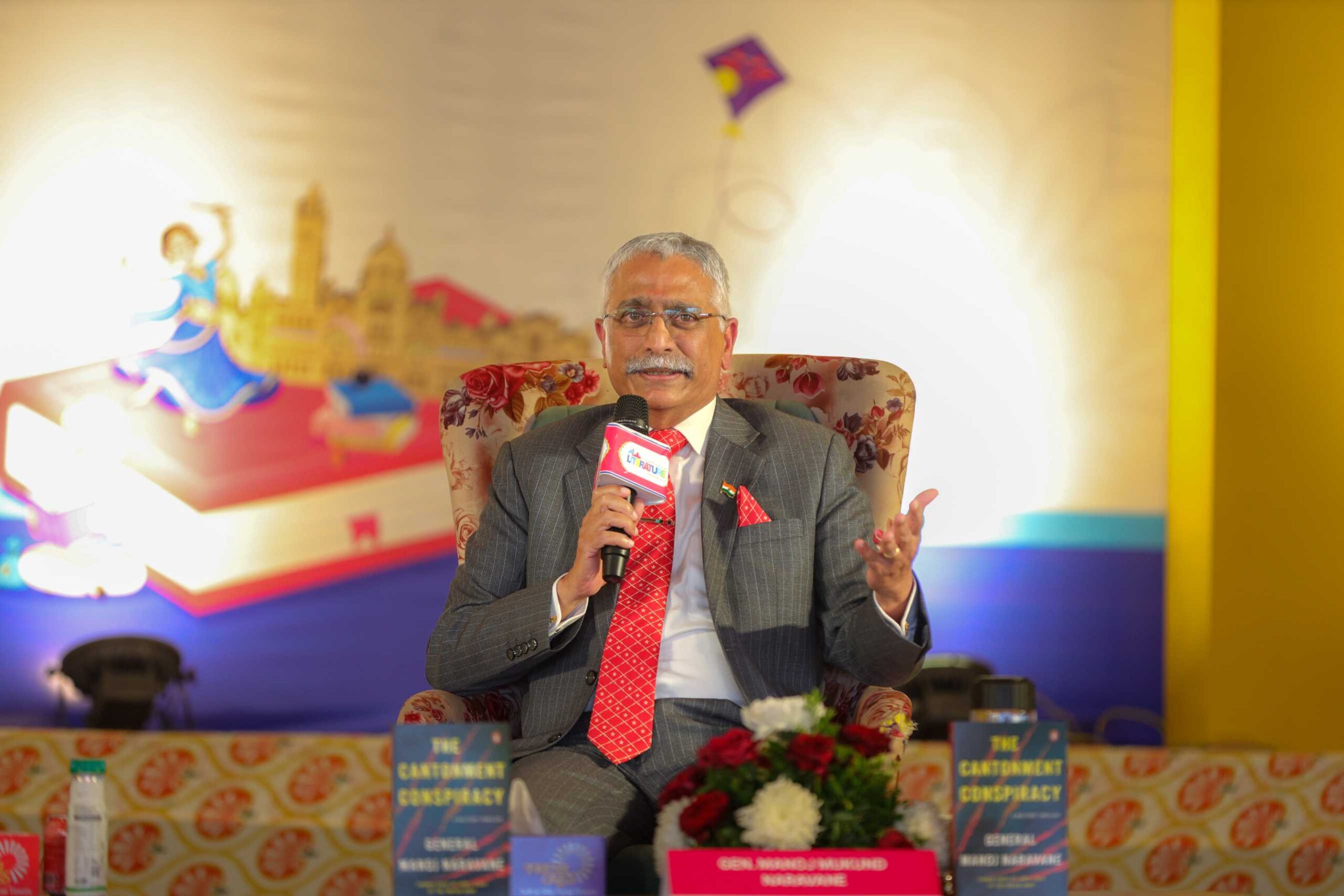
General Manoj Mukund Naravane
28th Chief of the Army Staff
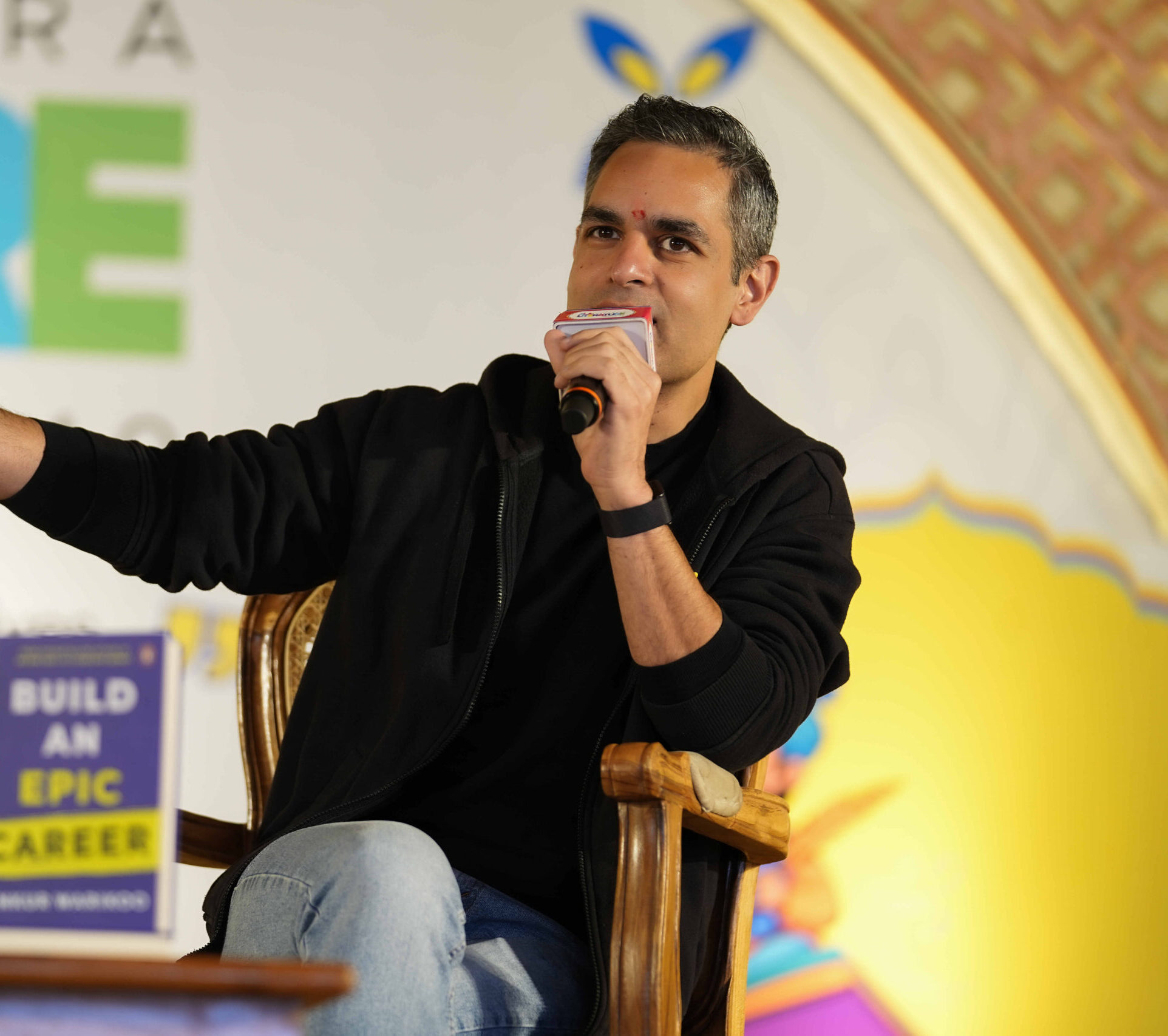
Ankur Warikoo
Serial entrepreneur, bestselling author, public speaker and a content creator
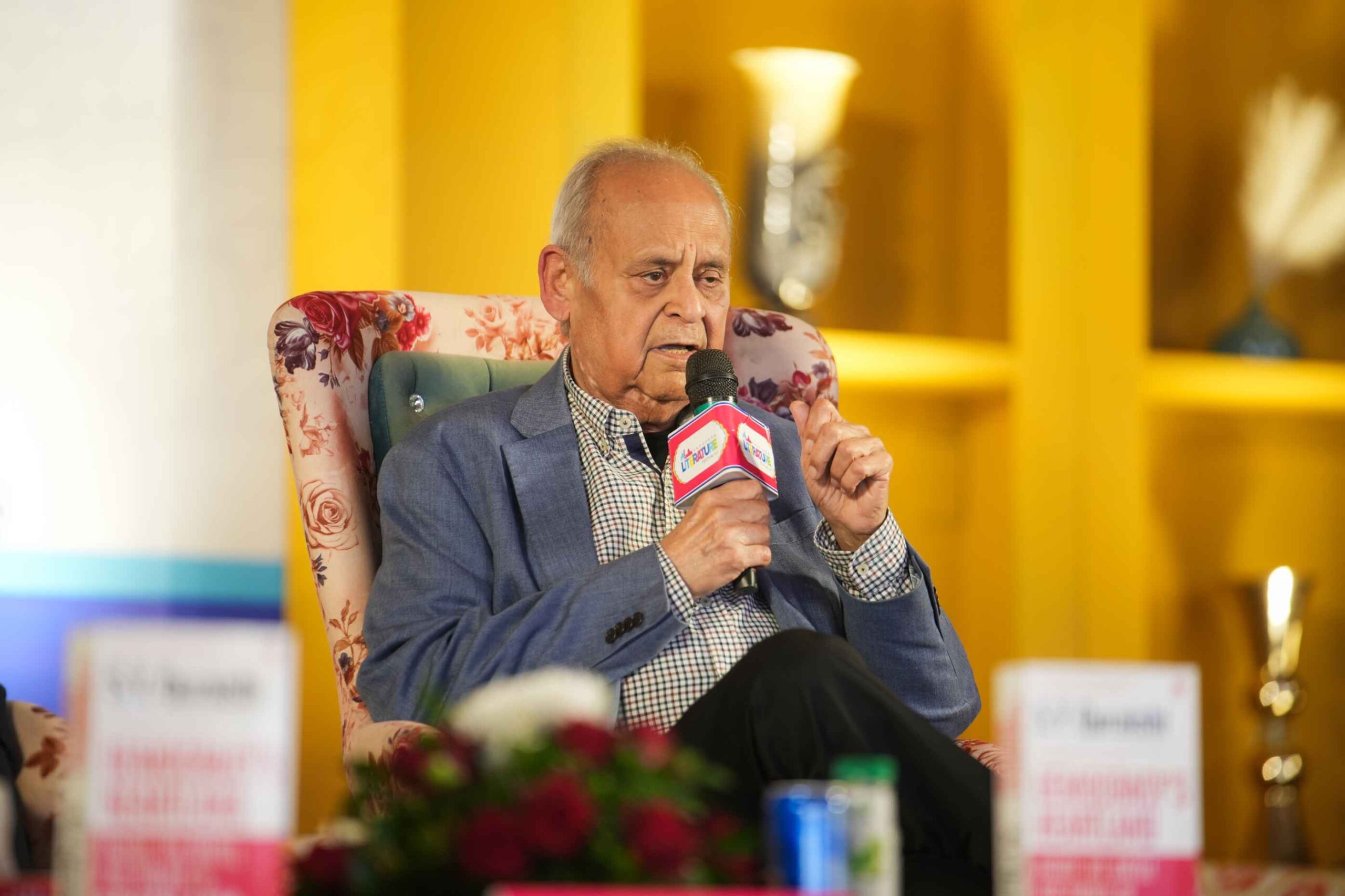
Vikram Sood
Former Director of R.A.W.
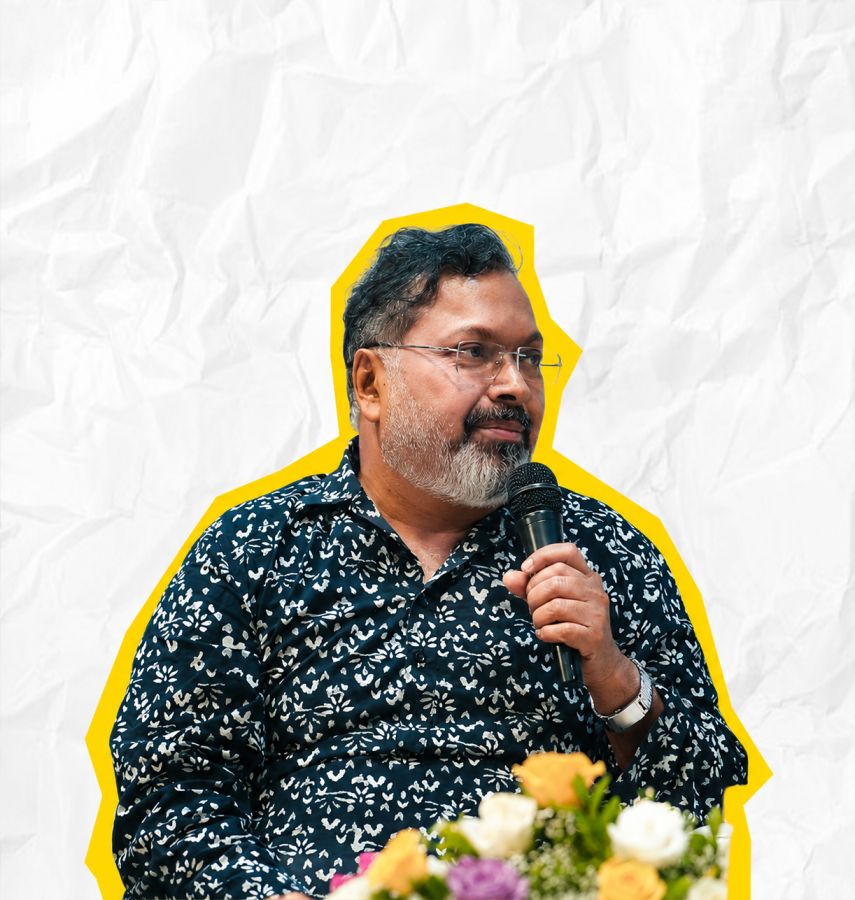
Devdutt Pattanaik
Mythologist and author
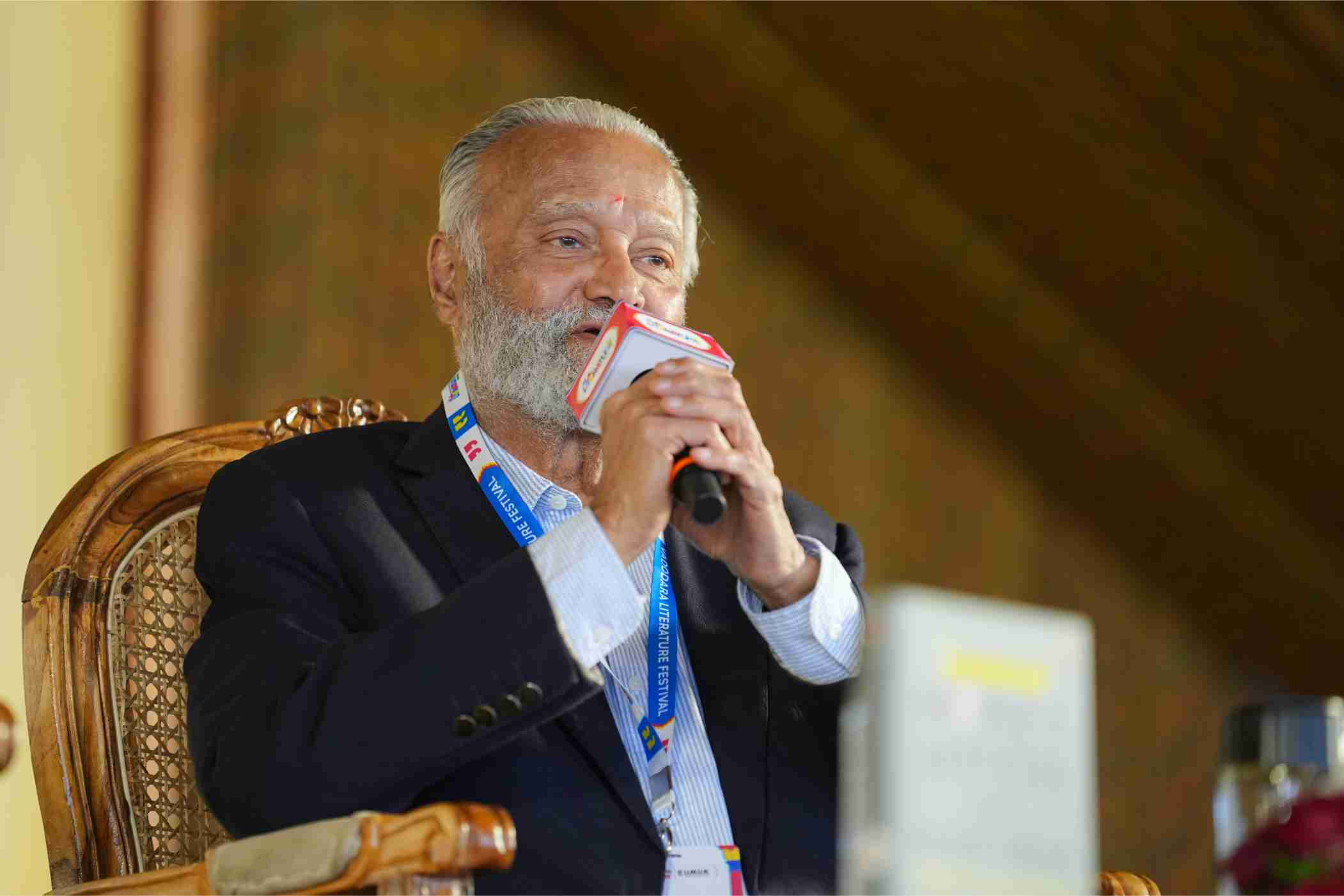
Kanwal Rekhi
A legendary Silicon Valley entrepreneur, venture capitalist, and philanthropist
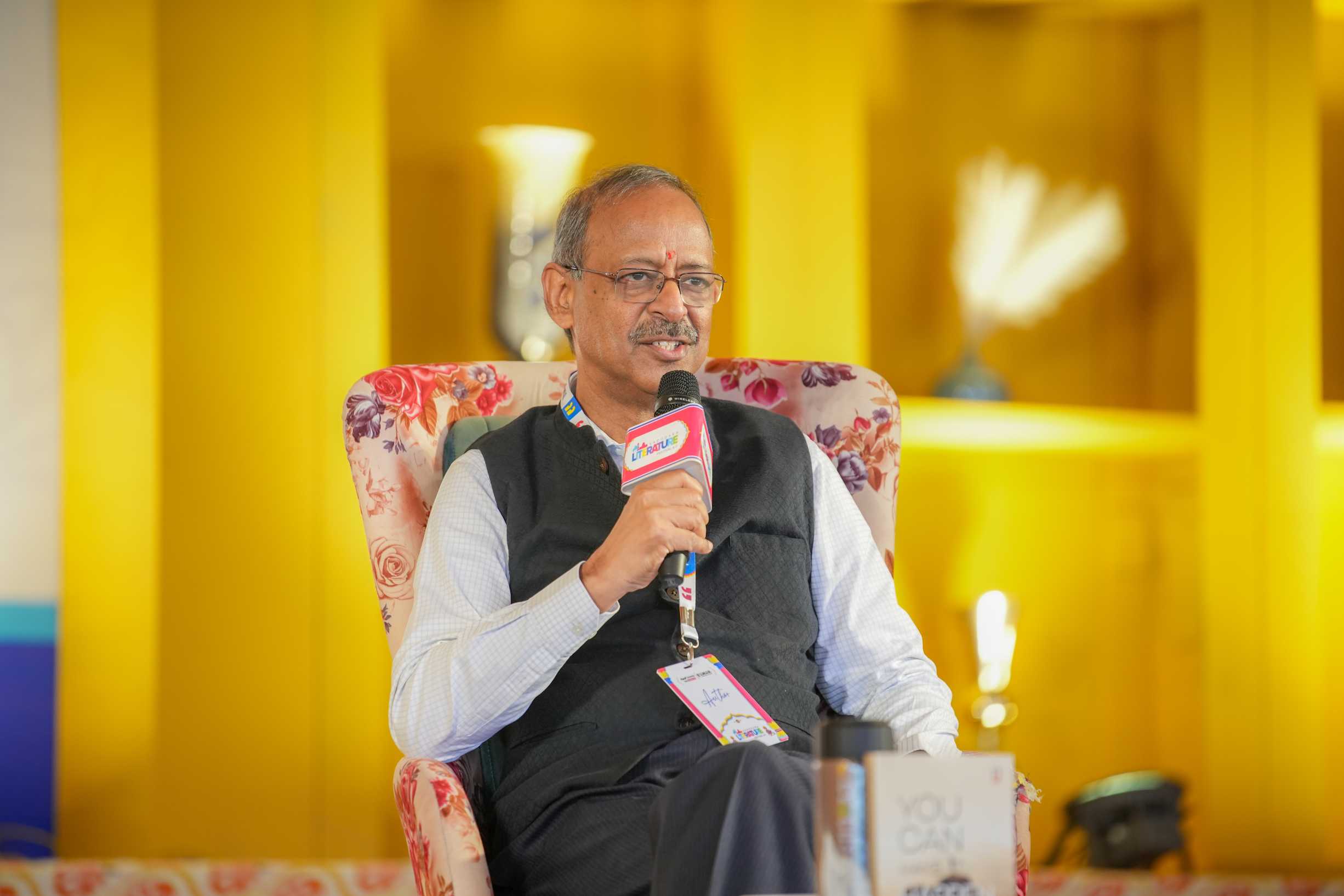
Anil Swarup
Former IAS officer and author
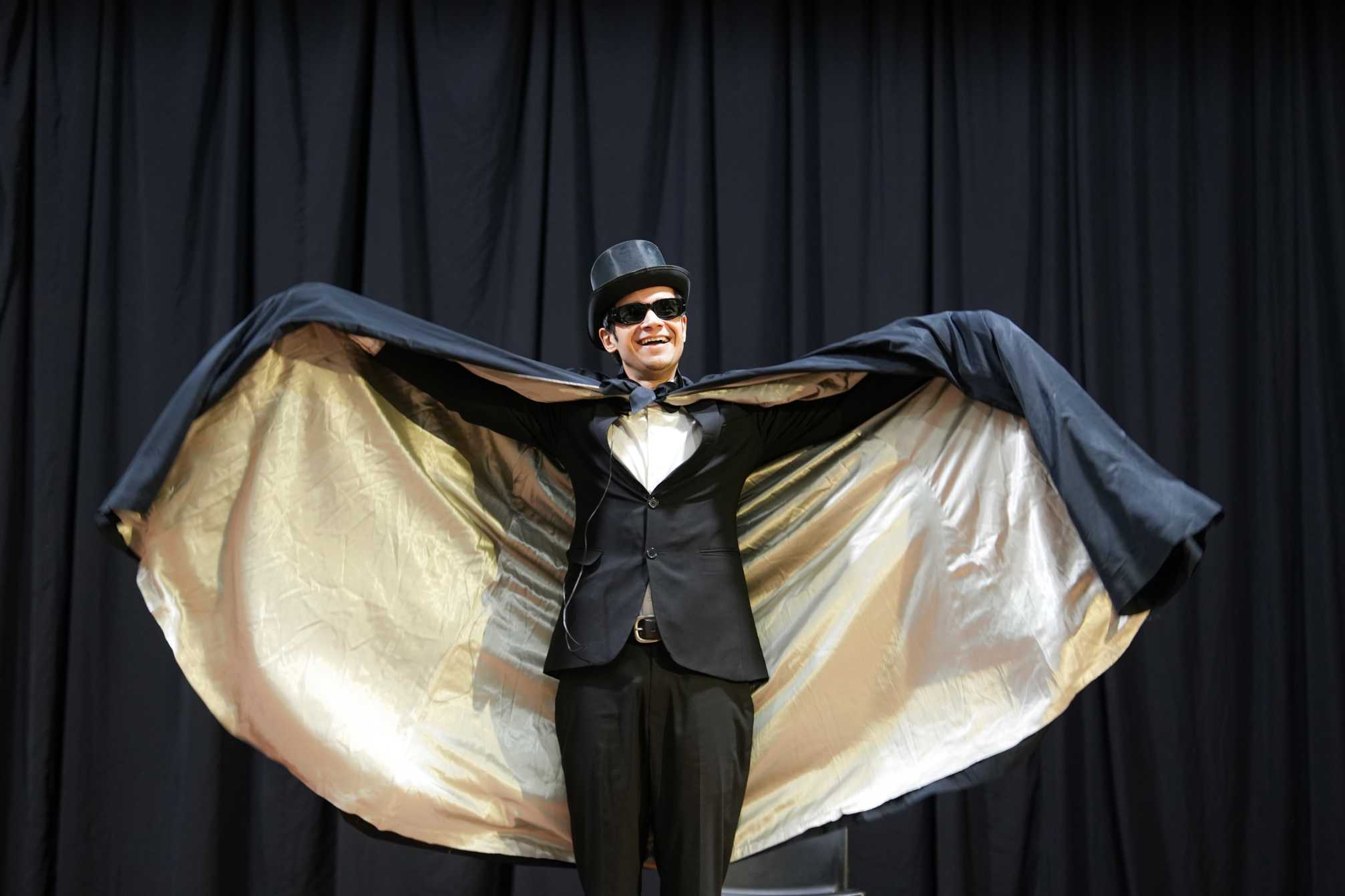
Vivaan Shah
Indian actor and theater artist
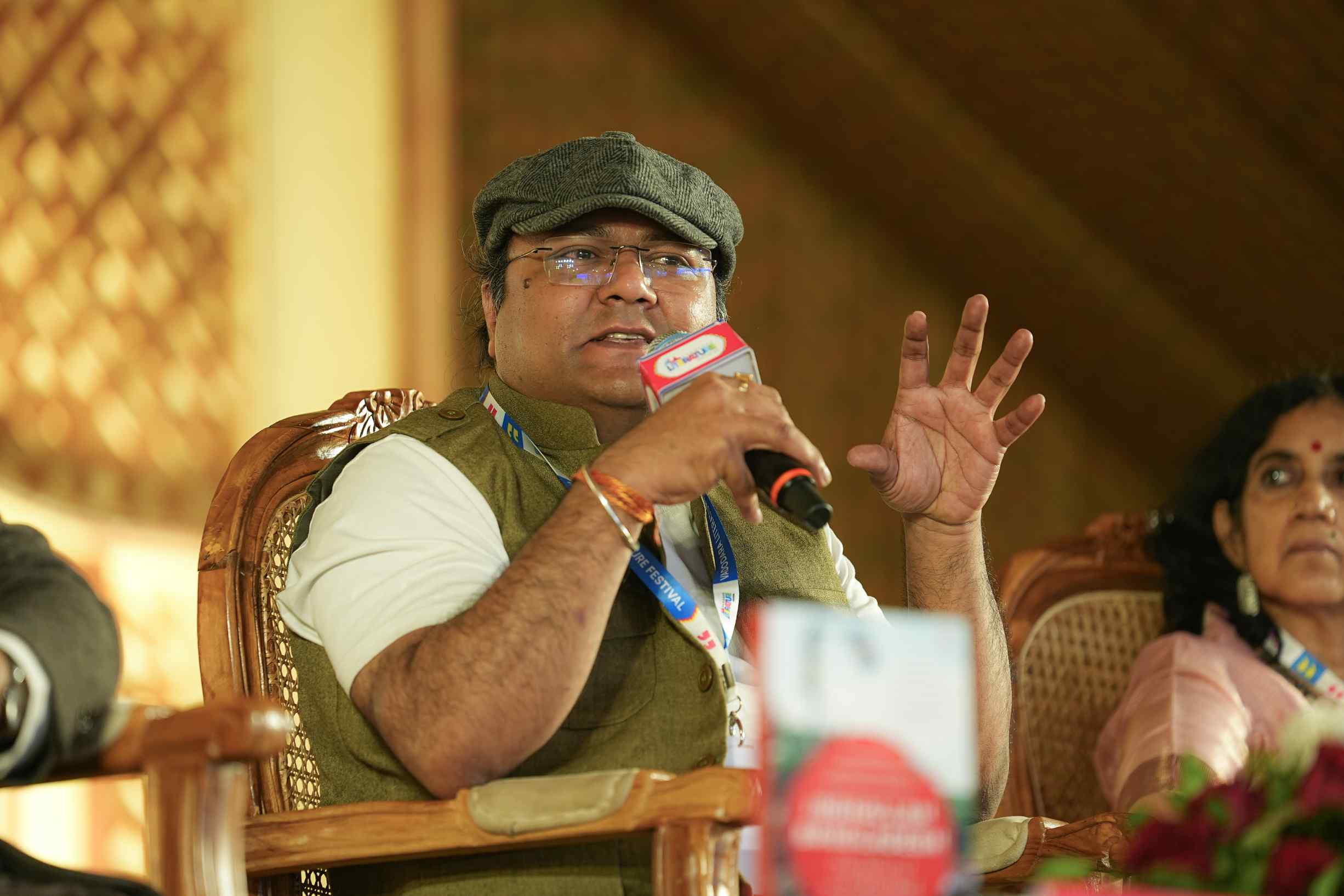
Geet Chaturvedi
Hindi poet
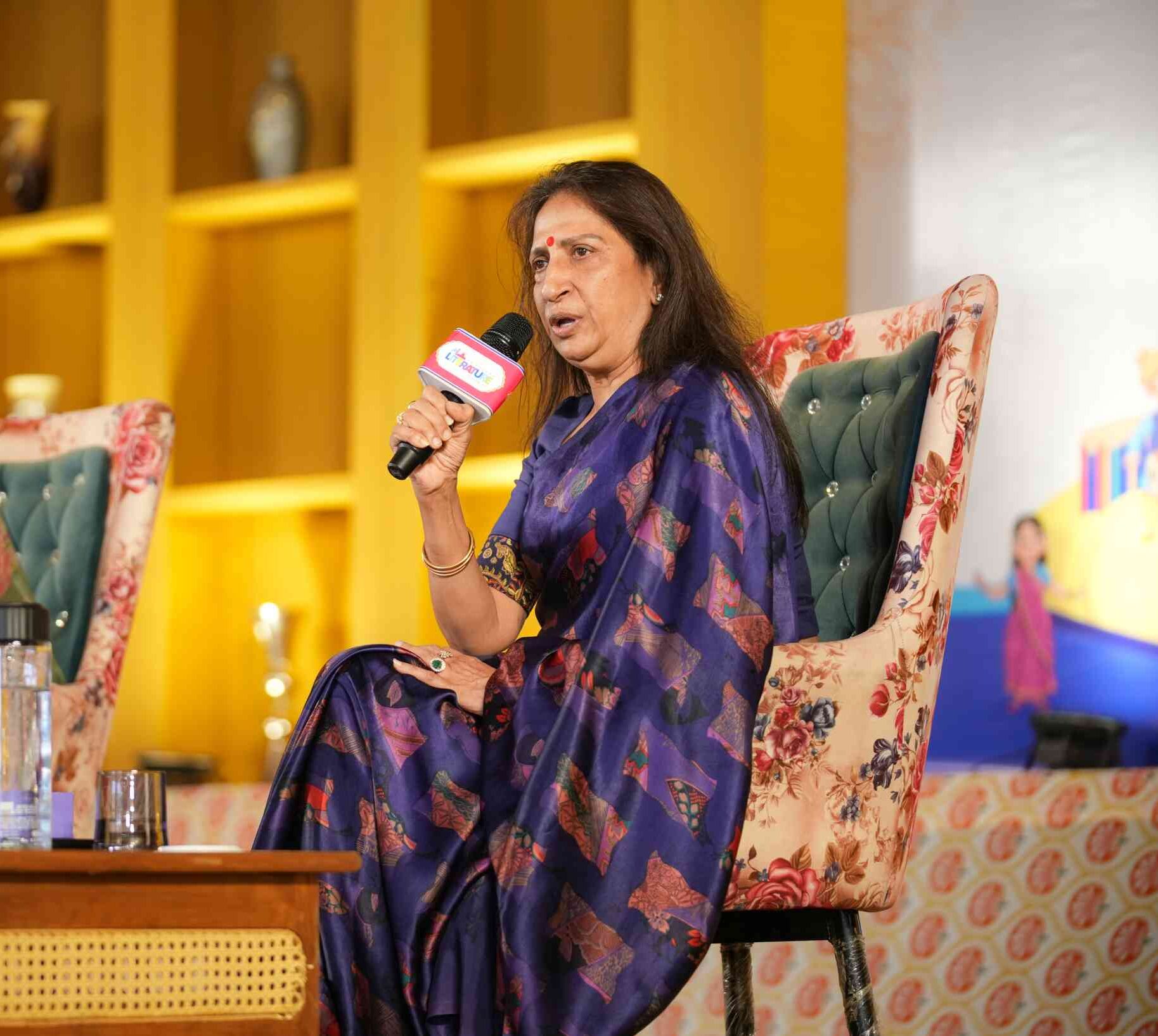
Kaajal Oza Vaidya
Gujarati author, screenwriter, journalist, and public speaker
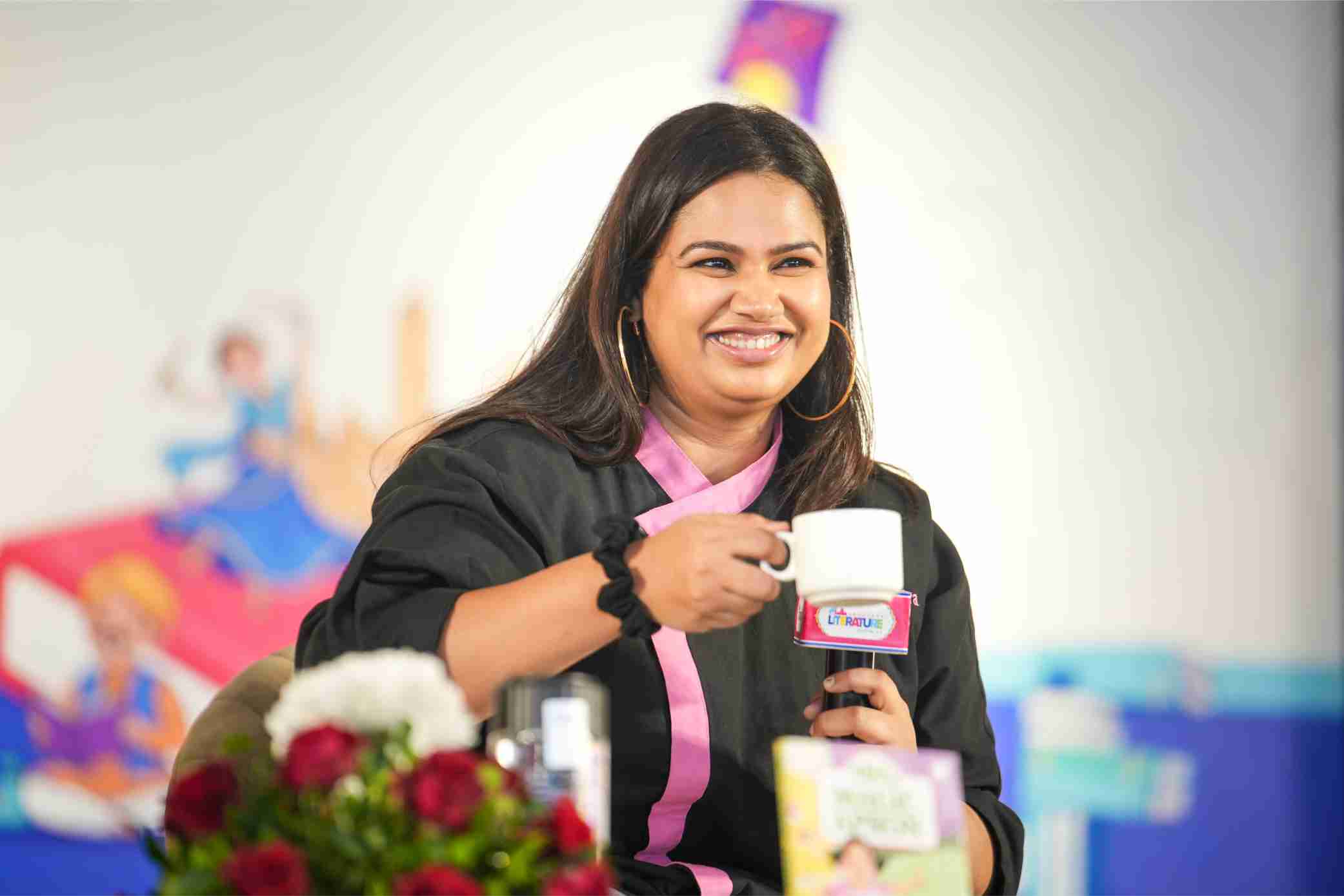
Pooja Dhingra
Indian pastry chef and businesswoman
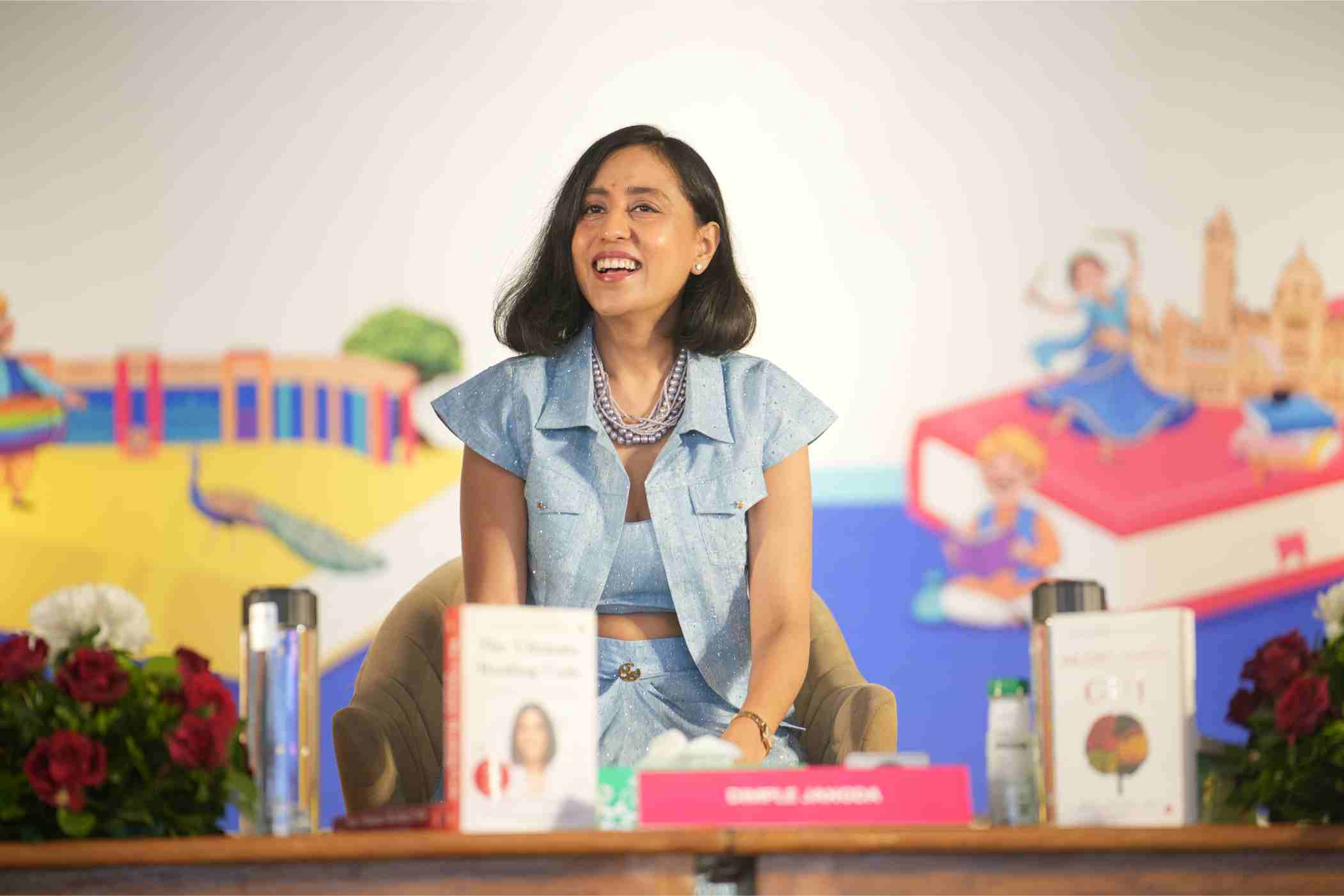
Dimple Jangda
Founder of Prana
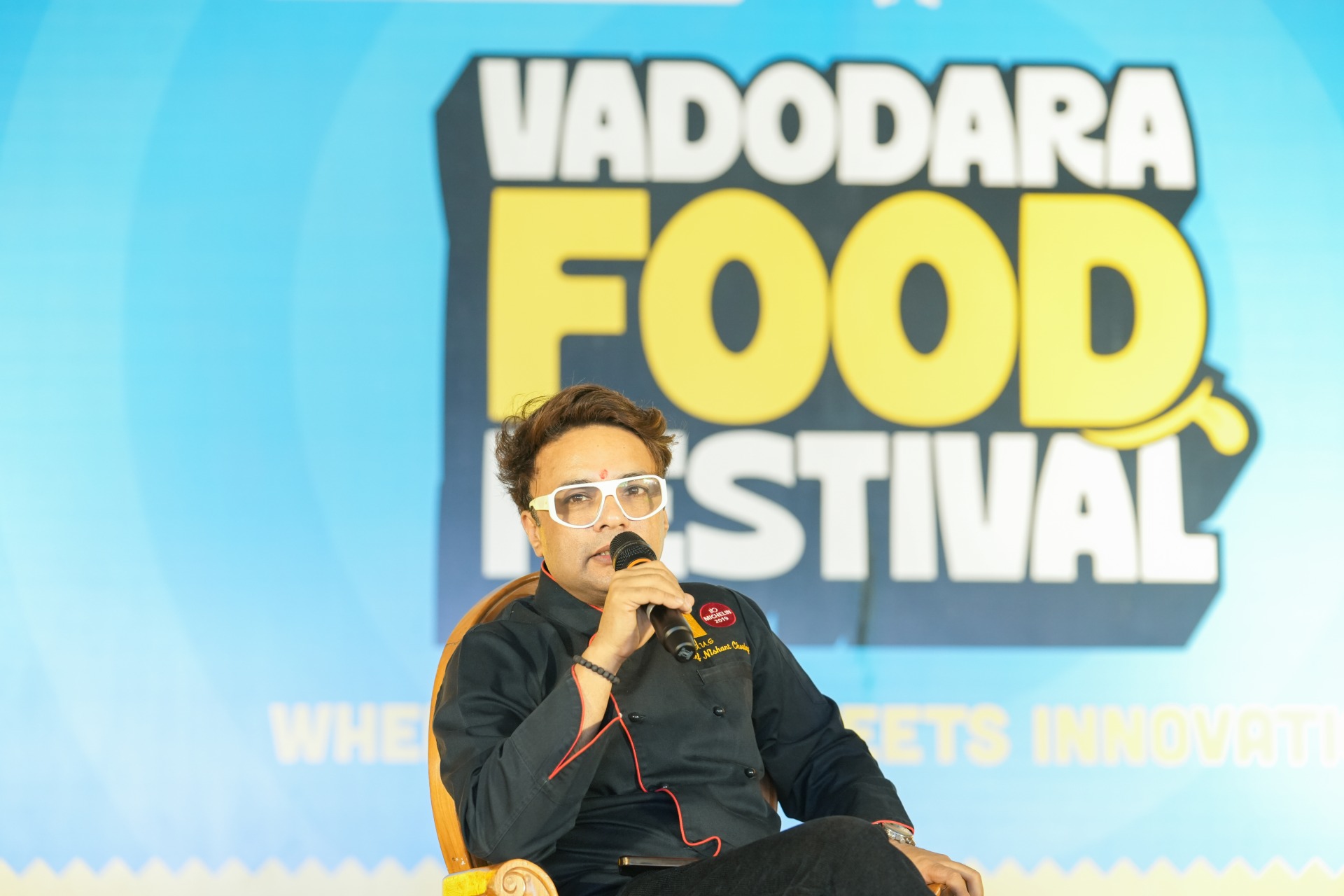
Chef Nishant Choubey
Indian culinary innovator and sustainability champion
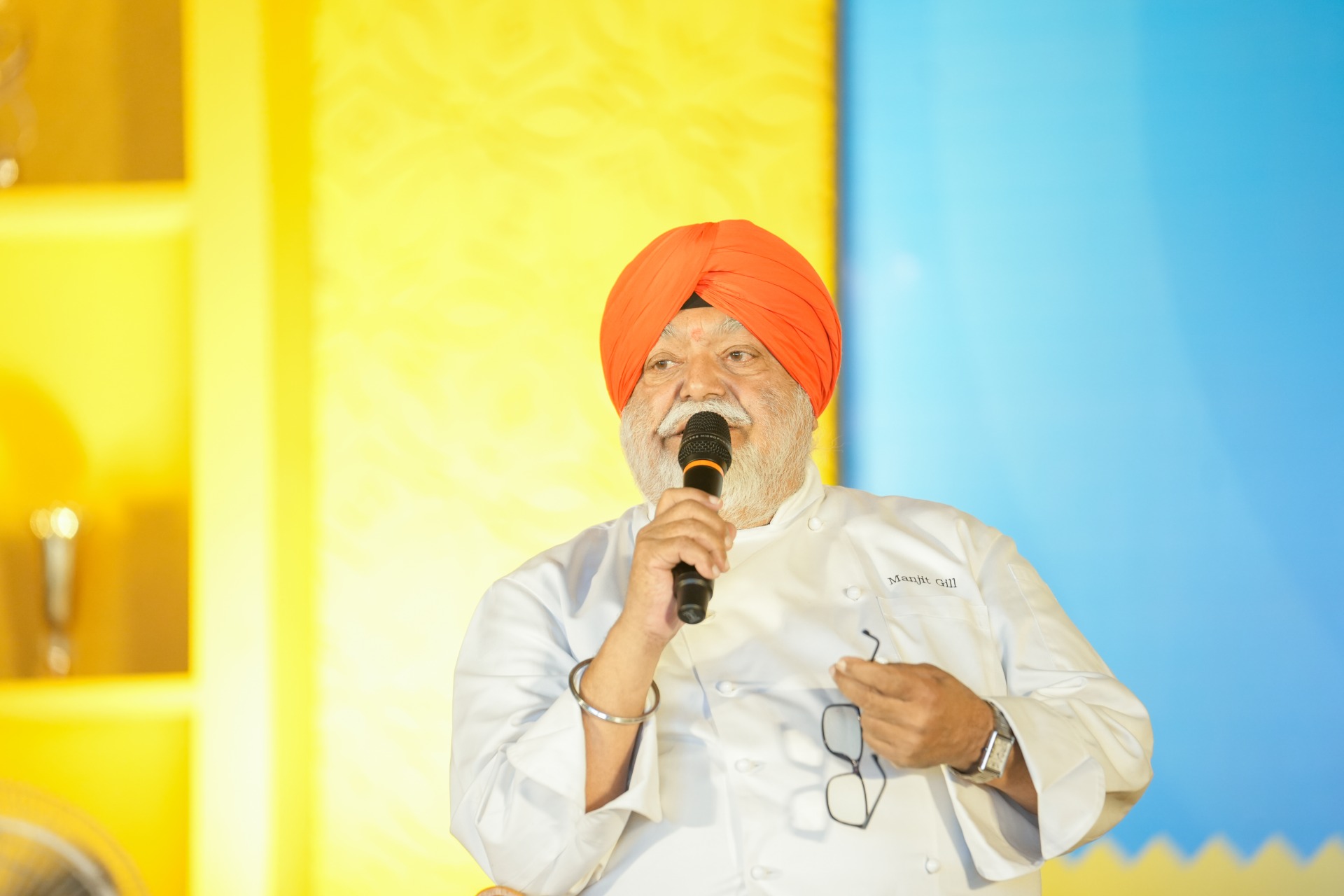
Chef Manjit Gill
President of the Indian Federation of Culinary Associations
Vadodara Food Festival
VFF Organized as a multi-day celebration of gastronomy, heritage cuisines, and hospitality entrepreneurship, the Vadodara Food Festival (VFF) features over 40 live pop-up food ventures. Students across multiple disciplines manage these real-time operations, handling everything from menu design, inventory, and cooking to pricing and marketing.
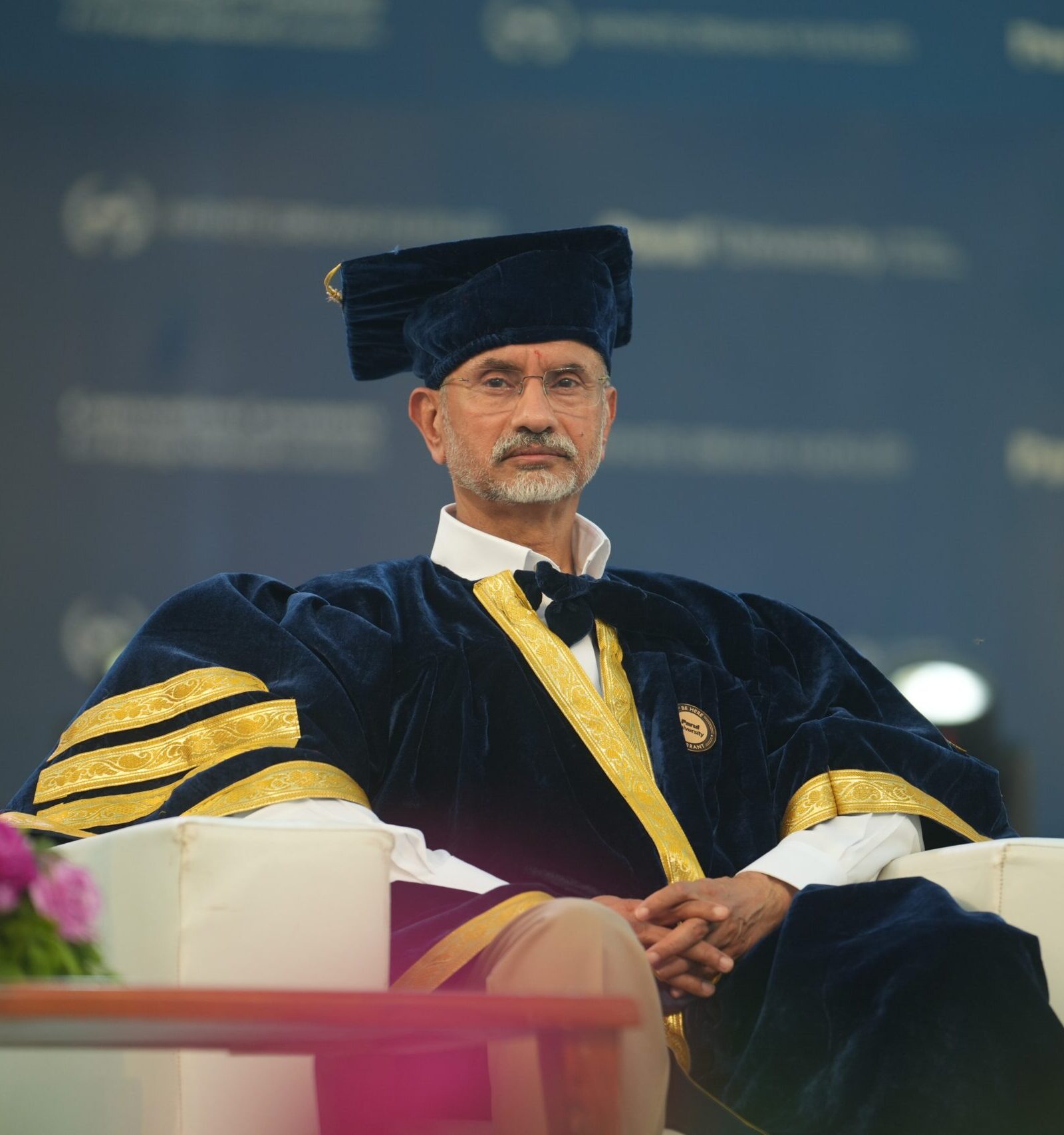
Dr. S. Jaishankar
Minister of External Affairs, Government of India
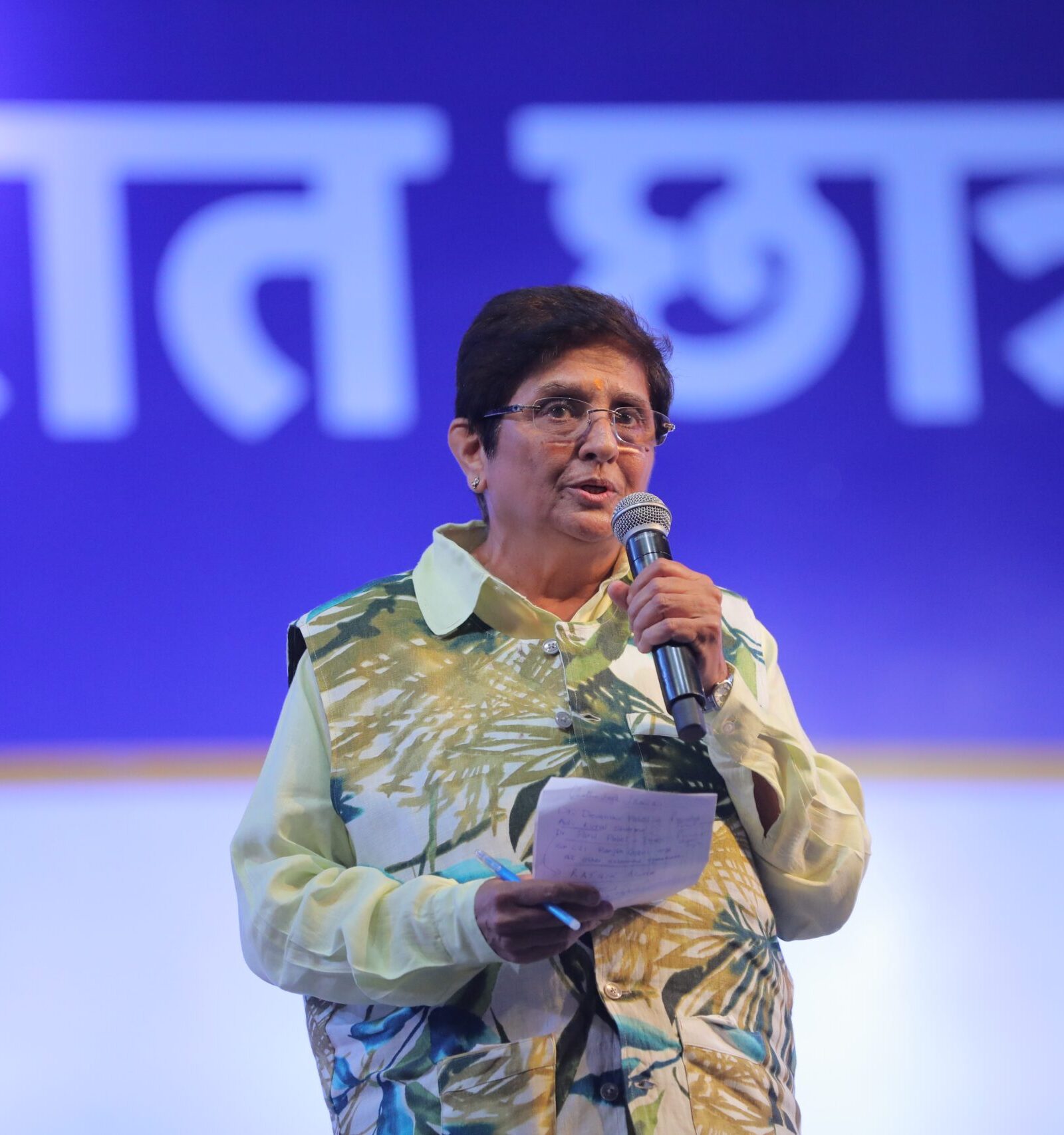
Kiran Bedi
First Indian Woman IPS Officer, Former Lt. Governor of Puducherry

Guests hosted for Commerce student
Distinguished guests hosted for Commerce and Business student audiences
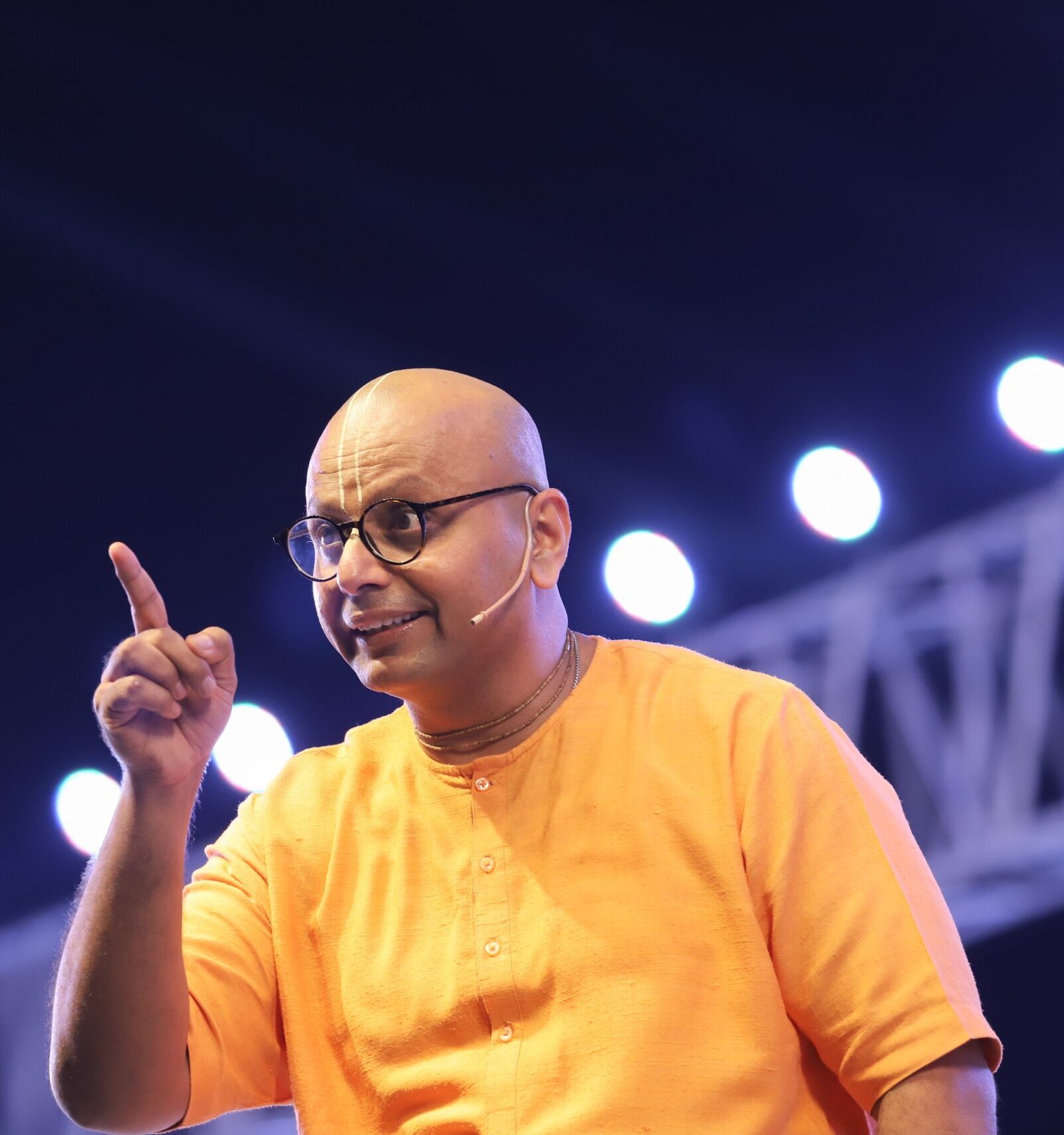
Gaur Gopal Das
Monk, Lifestyle Coach and Author
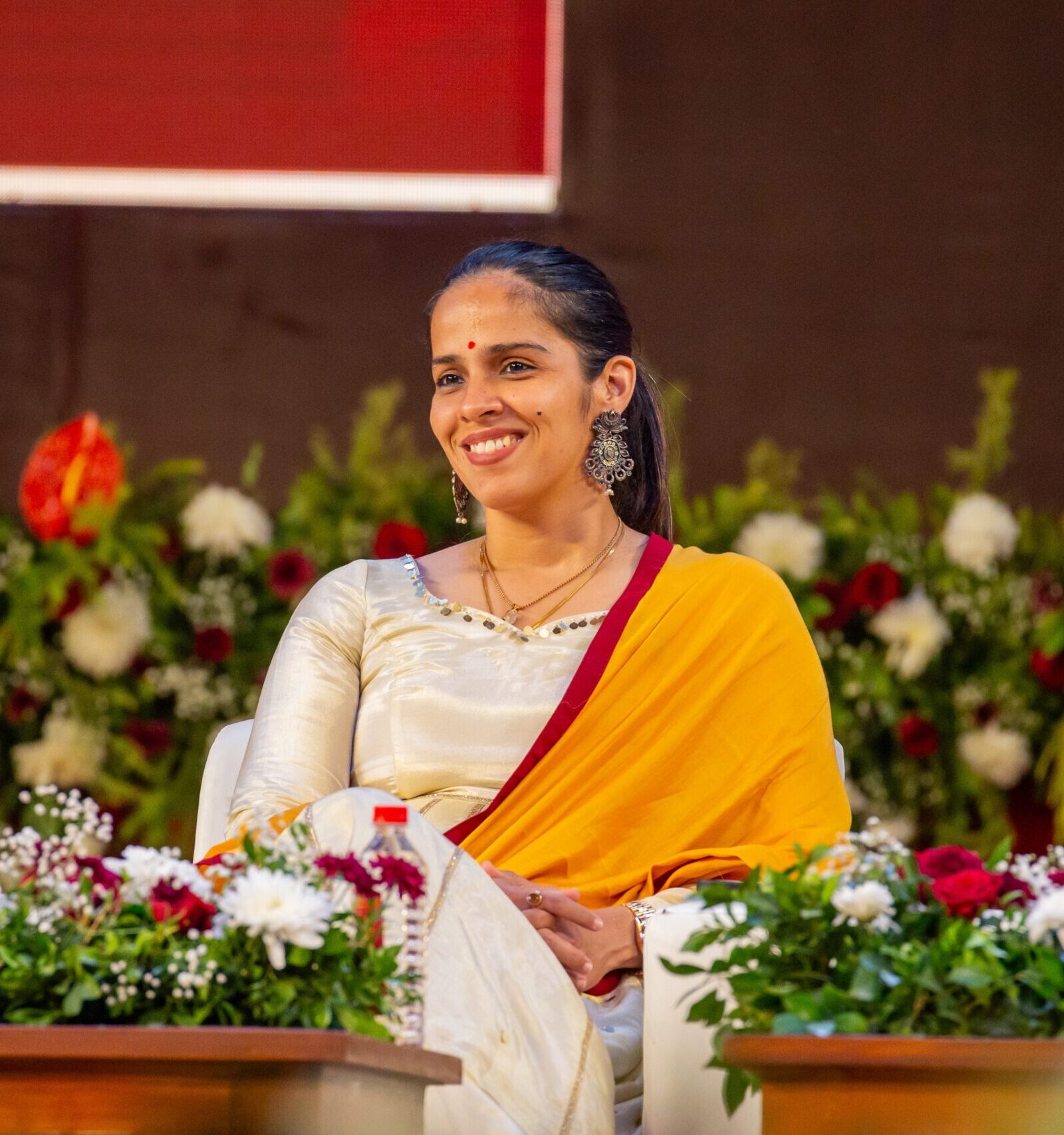
Saina Nehwal
Indian Badminton Player
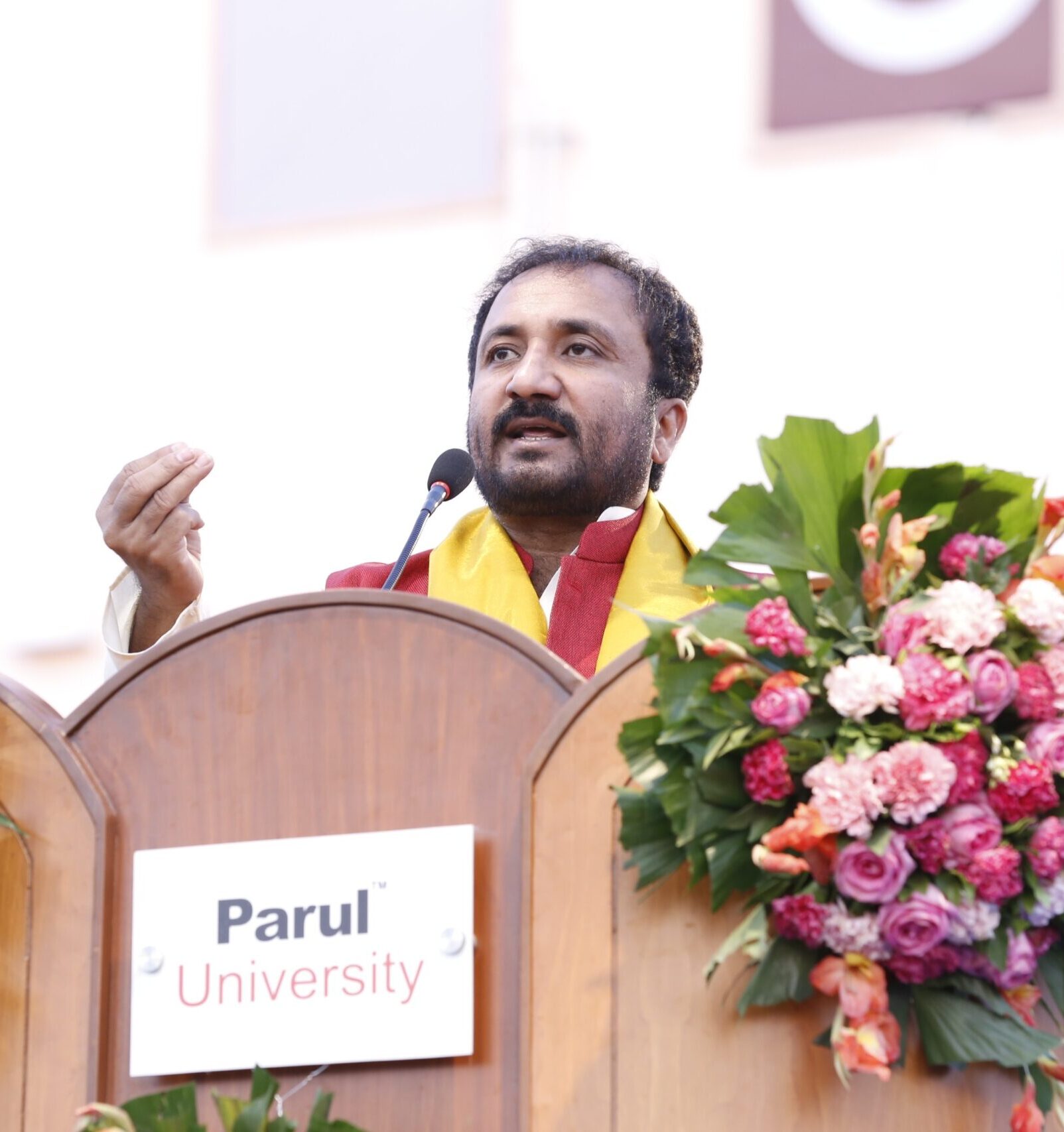
Shri Anand Kumar
Founder Super 30
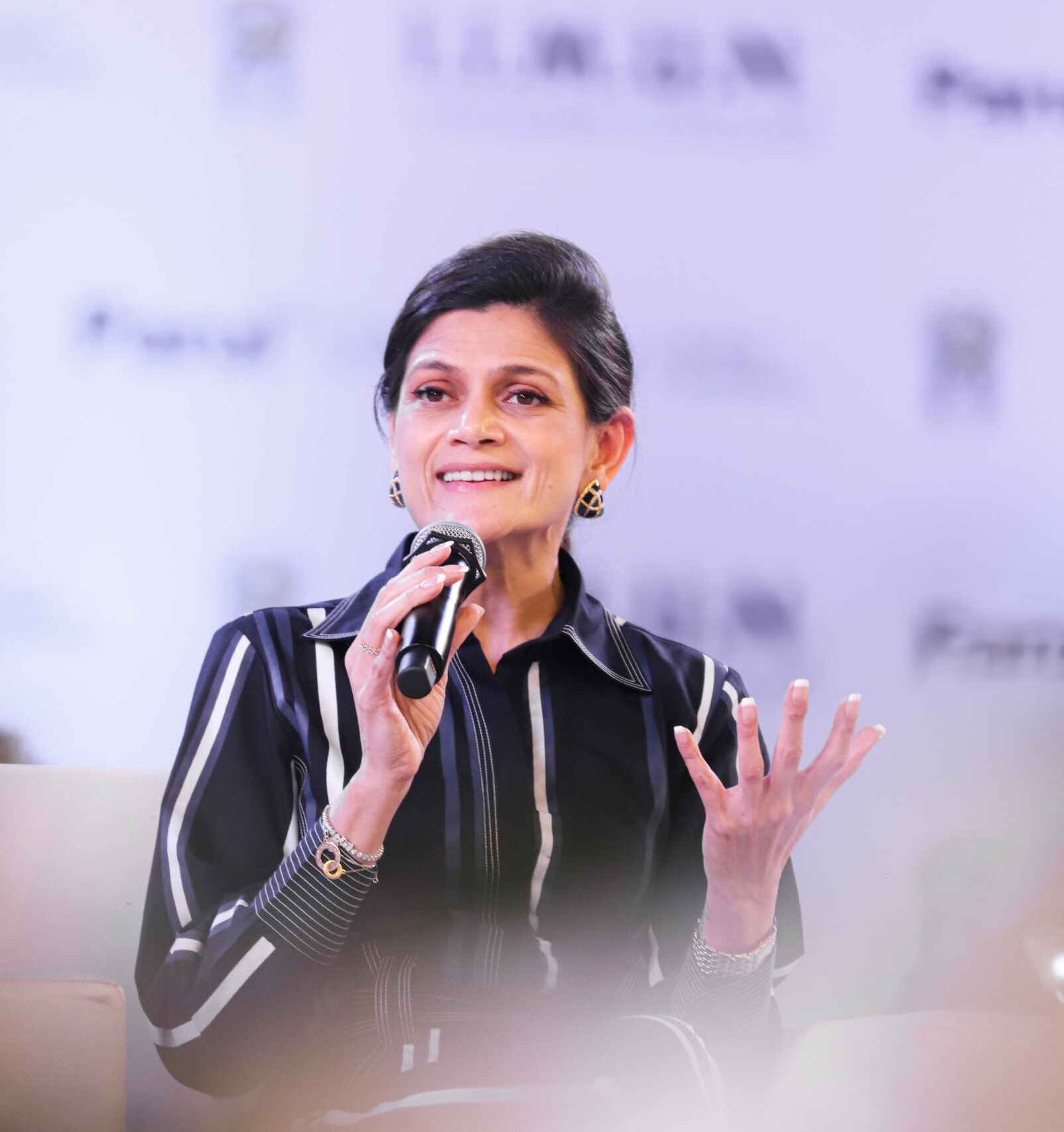
Dr. Neerja Birla
Chairperson, Aditya Birla Education Trust
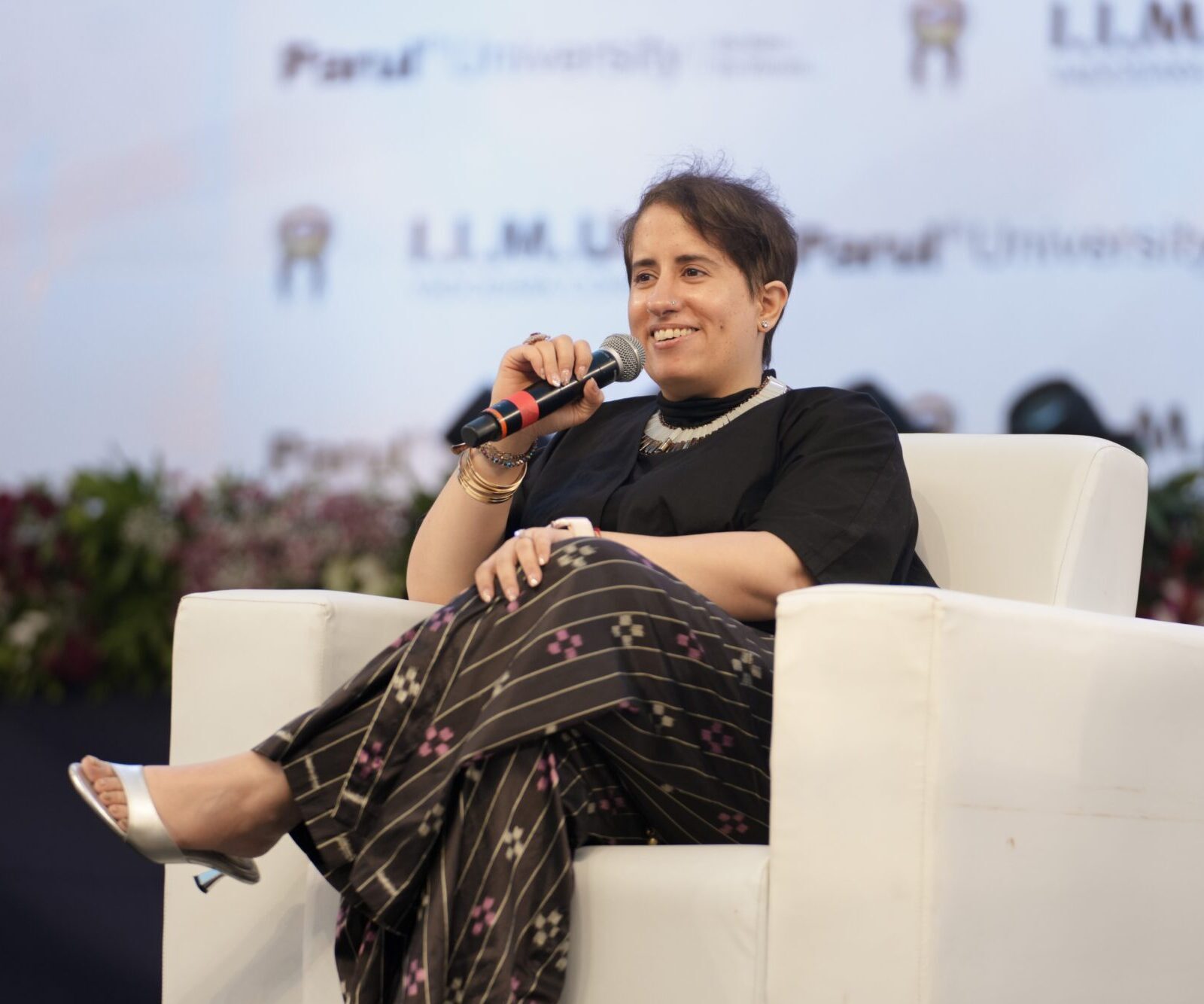
Guneet Monga Kapoor
Academy Award-Winning Film Producer
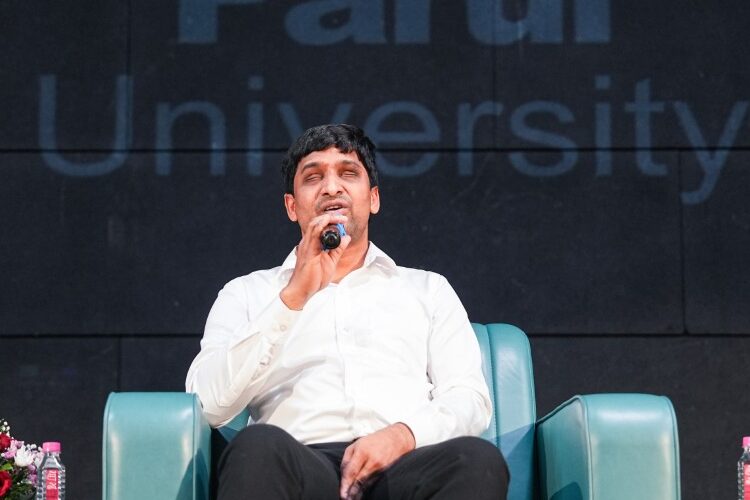
Srikanth Bolla
Indian industrialist and the founder of Bollant Industries
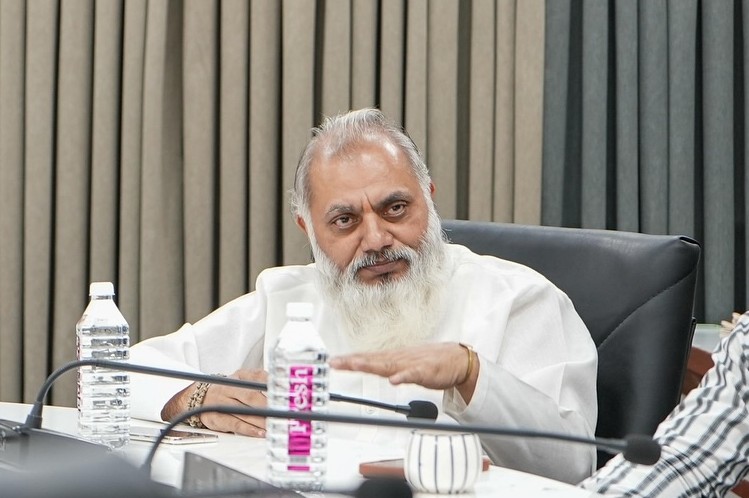
Dr. Vijay Bhatkar
Padma Bhushan & Padma Shri, Ex-Chancellor, Nalanda University
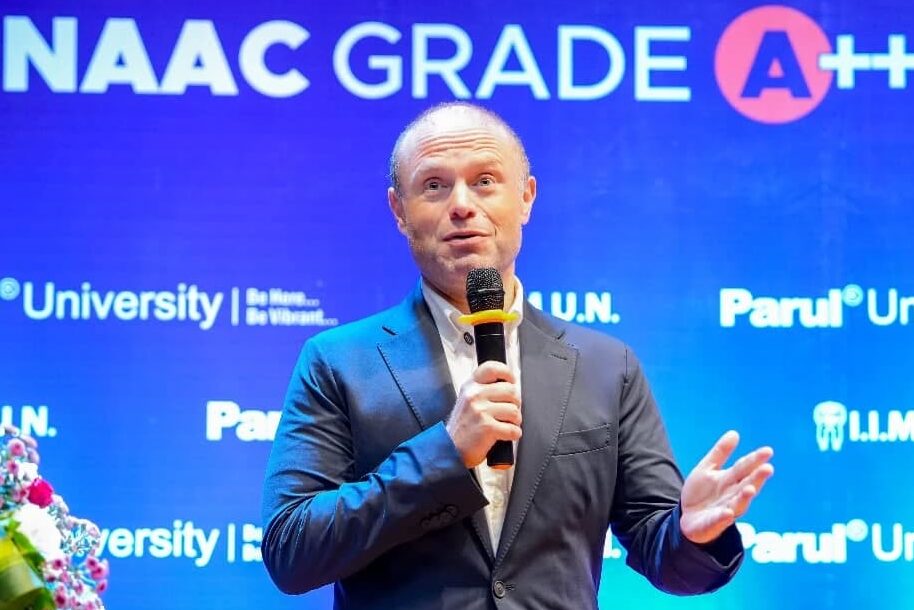
Dr. Joseph Muscat
Former Prime Minister of Malta
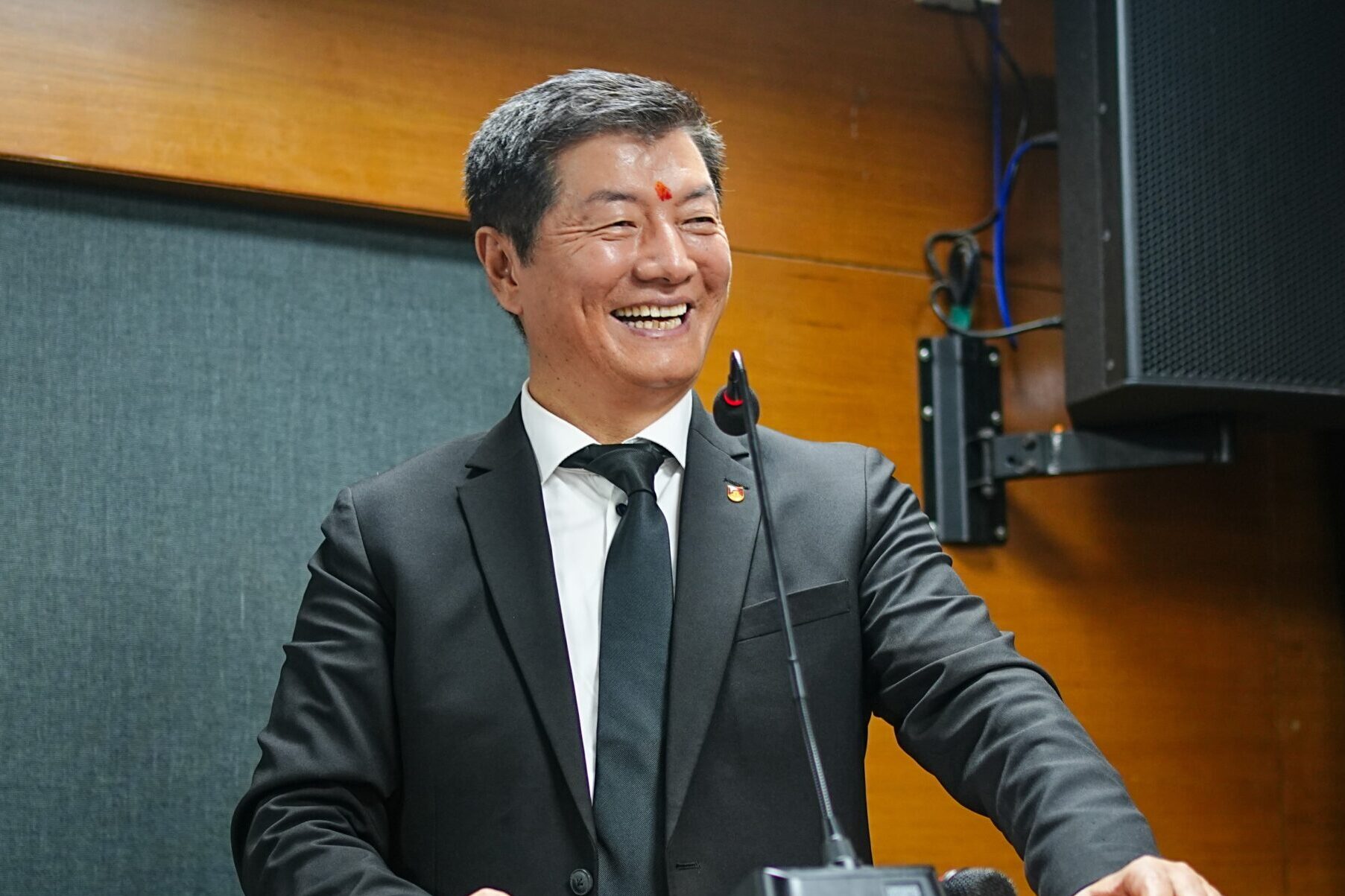
Dr. Lobsang Sangay
Former Sikyong (President), Central Tibetan Administration
Vadodara Craft Week
Vadodara Craft Week celebrates India's artisanal heritage through hands-on workshops, exhibitions, and student–artisan collaborations. It showcases crafts like blue pottery and Tanjore painting while exploring their modern relevance.
Lipikalpa
Lipikalpa is an annual flagship calligraphy festival and workshop series hosted by the Parul Institute of Fine Arts at Parul University
DHOOM
PU's grand annual youth festival electrifying performances, competitions, celebrity appearances and cultural showcases that define the year.
Global Perspective Series
GPS bridges academic learning with real-world governance. It gives students direct, interactive 1:1 access to Nobel laureates, former heads of state, and international policymakers to discuss global leadership, diplomacy, justice, and social reform.
Dr. Katalin Karikó
Nobel Prize in Physiology or Medicine (2023)
Prof. Anne L'Huillier
Nobel Prize in Physics (2023)
Yves Leterme
Former Prime Minister of Belgium
Ashneer Grover
Former MD and Co - Founder
Vadodara Startup Festival
VSF is PU’s flagship national startup carnival, organized annually by the PIERC. Recognized as one of Gujarat’s largest startup carnivals, VSF serves as an incubation and growth platform that connects student founders with venture capital investors, industry mentors, and policymakers.
Dr. Abhay Jere
Chief Innovation Officer
Shri Yogesh Brahmankar
Innovation Director
Rajat Singhania
Founder
Mr. Mayur Raval
Chief Business Officer
Anurag Sundarka
Founder
Mr. Raj Hadvani
Whole-time Director
Shri Bipin Talati
IAS, Commissioner of Technical Education
Yash Tarwadi
Founder and CEO
Samrath Singh Nagpal
Co-founder
Justice D.Y. Chandrachud
50th Chief Justice of India
1000+
Participants
Vadodara Literature Festival
The VLF is a literary and intellectual gathering designed to foster a reading culture and encourage dialogue among the youth. Brings together 50+ authors, journalists, legislators, and artists to discuss diverse themes ranging from fiction, history, and gender studies to wellness, economics, and public policy.
Shobhaa De
Renowned author and columnist
General Manoj Mukund Naravane
28th Chief of the Army Staff
Ankur Warikoo
Serial entrepreneur, bestselling author, public speaker and a content creator
Vikram Sood
Former Director of R.A.W.
Devdutt Pattanaik
Mythologist and author
Kanwal Rekhi
A legendary Silicon Valley entrepreneur, venture capitalist, and philanthropist
Anil Swarup
Former IAS officer and author
Vivaan Shah
Indian actor and theater artist
Geet Chaturvedi
Hindi poet
Kaajal Oza Vaidya
Gujarati author, screenwriter, journalist, and public speaker
Pooja Dhingra
Indian pastry chef and businesswoman
Dimple Jangda
Founder of Prana
Chef Nishant Choubey
Indian culinary innovator and sustainability champion
Chef Manjit Gill
President of the Indian Federation of Culinary Associations
Vadodara Food Festival
VFF Organized as a multi-day celebration of gastronomy, heritage cuisines, and hospitality entrepreneurship, the Vadodara Food Festival (VFF) features over 40 live pop-up food ventures. Students across multiple disciplines manage these real-time operations, handling everything from menu design, inventory, and cooking to pricing and marketing.
Dr. S. Jaishankar
Minister of External Affairs, Government of India
Kiran Bedi
First Indian Woman IPS Officer, Former Lt. Governor of Puducherry
Guests hosted for Commerce student
Distinguished guests hosted for Commerce and Business student audiences
Gaur Gopal Das
Monk, Lifestyle Coach and Author
Saina Nehwal
Indian Badminton Player
Shri Anand Kumar
Founder Super 30
Dr. Neerja Birla
Chairperson, Aditya Birla Education Trust
Guneet Monga Kapoor
Academy Award-Winning Film Producer
Srikanth Bolla
Indian industrialist and the founder of Bollant Industries
Dr. Vijay Bhatkar
Padma Bhushan & Padma Shri, Ex-Chancellor, Nalanda University
Dr. Joseph Muscat
Former Prime Minister of Malta
Dr. Lobsang Sangay
Former Sikyong (President), Central Tibetan Administration
Learn from working artists and doctoral academics.
Learn from practicing visual artists, master sculptors, creative directors, and doctoral scholars who bring real-world studio practice and rigorous research into the classroom.
Students from across India and 75+ countries.
Parul University brings together a vibrant community of learners from across India and over 75+ countries. Real stories, genuine journeys, and proven career transformations in our students' own words.


Transforming Passion into Real-World Purpose!
An incredible experience that nurtured my skills and vision as a future MSW professional.

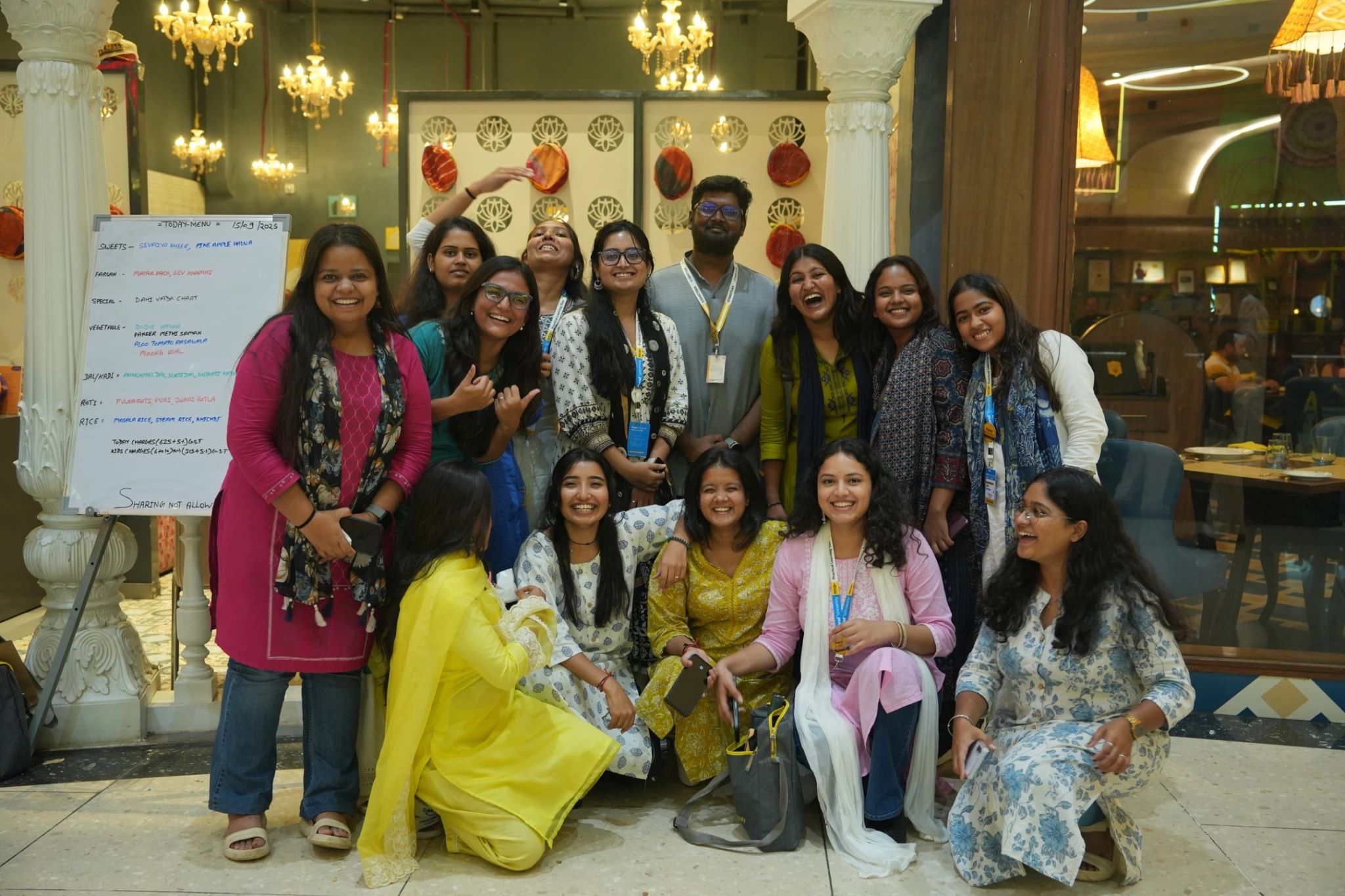
Hands-On Learning & Leadership
First-semester selection reflects Parul University’s commitment to early career growth.
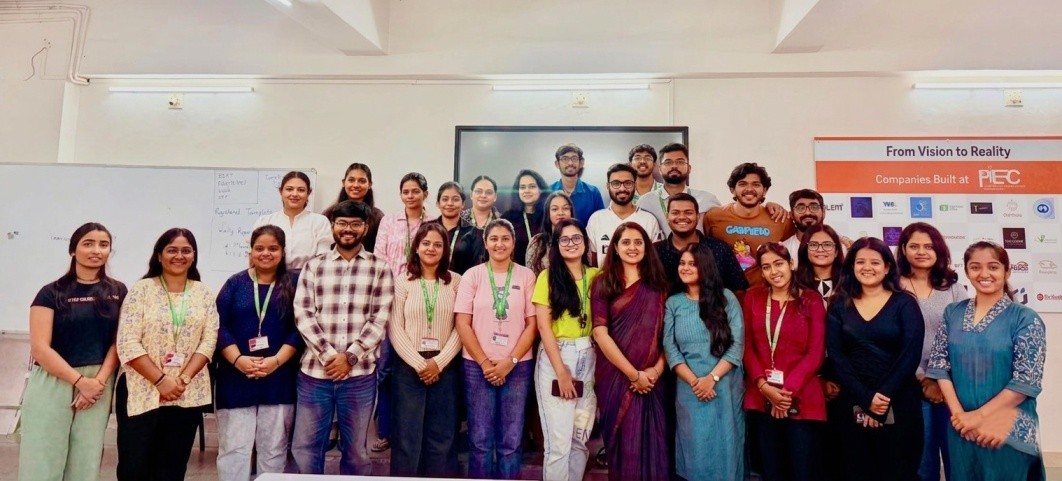
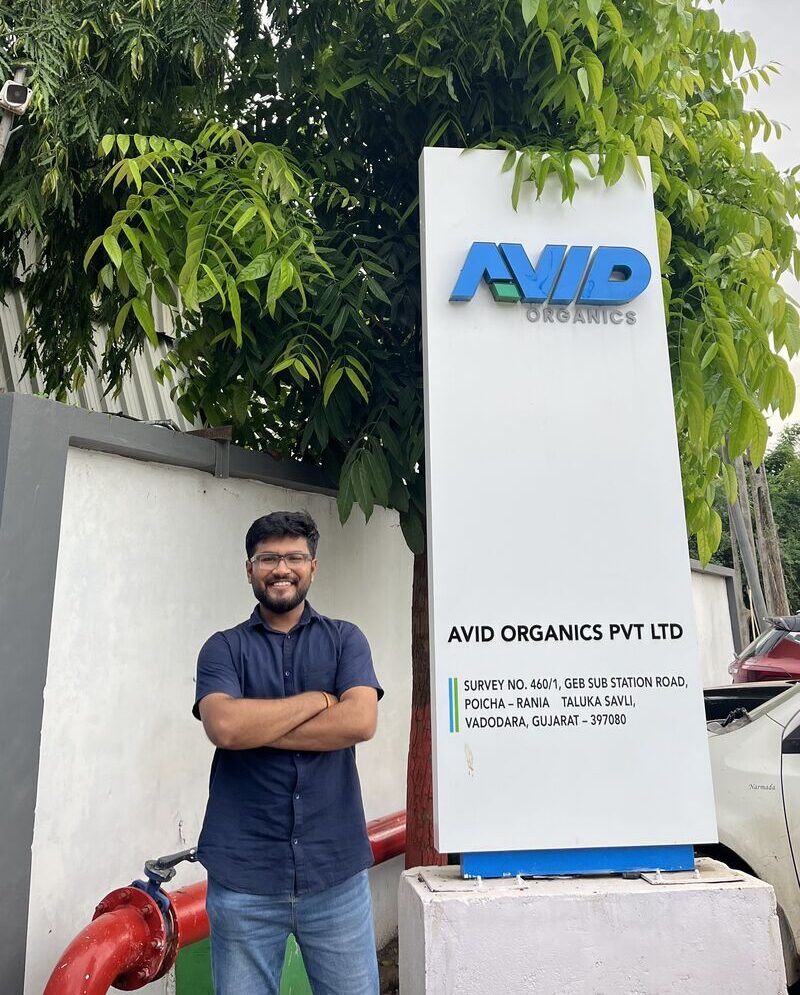
Stepping Into Real-World Corporate HR!
Secured an incredible internship at Avid Organics to build core professional HR skills.
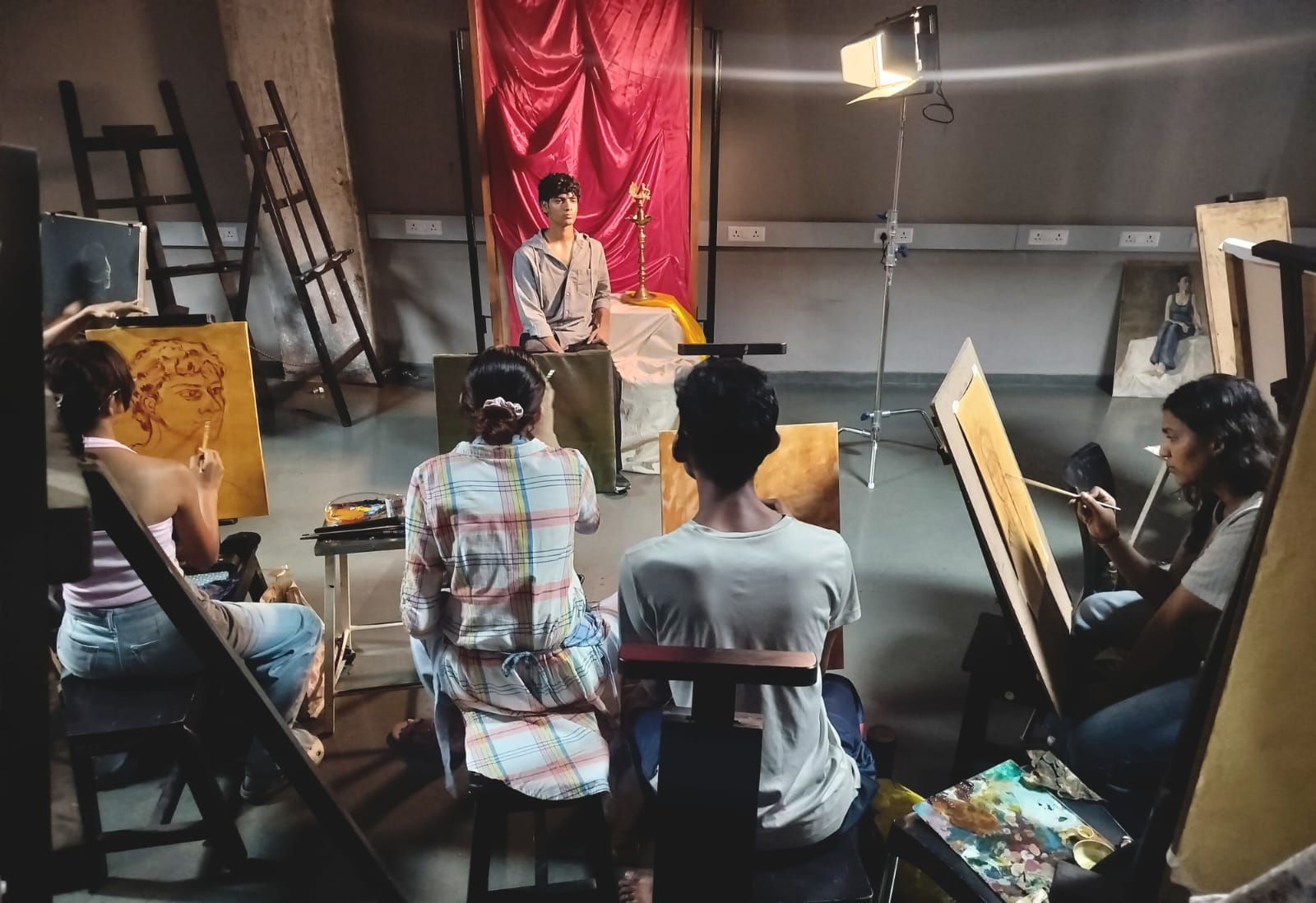
Authentic Studio Culture at Its Finest!
Studying here means experiencing true artistic discipline, rich tradition, and unmatched creative focus.
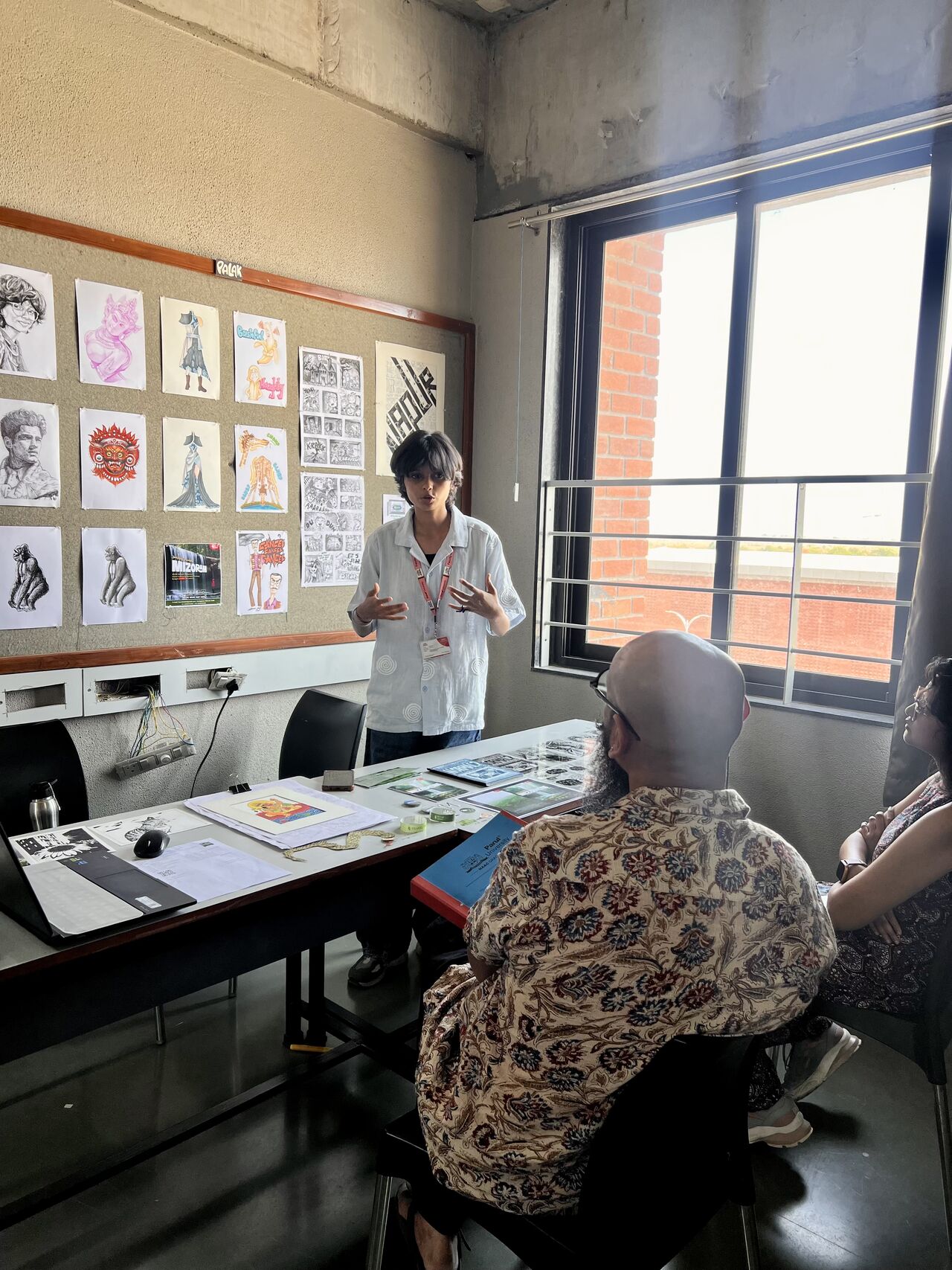
Where Creativity Meets Real-World Purpose!
An institution truly preparing young designers for the industry.
Pick your route. We'll pick it from there.
Whether you are finishing Class 12 or holding a degree, the fastest way forward is a two minute conversation. Ask about eligibility, disciplines, the sports test, exchange options or careers, and a counsellor follows up.
Request a callback
Used only to respond to your enquiry. No spam. No sharing.
Everything you need to know
Fine Arts at PU, your questions answered.
What is the difference between the BVA in Applied Arts, Painting and Sculpture?
The three Bachelor of Visual Arts specialisations at Parul University separate along the kind of practice a student wants to build. Applied Arts is the commercial and communication track, covering illustration, typography, composition, layout and advertising concepts alongside digital tools, and it leads towards agencies, design studios and media companies. Painting is the studio track, built on oil, acrylic, watercolour and mixed media, with art history, aesthetics, colour theory and life drawing developing a personal visual language. Sculpture works in three dimensions across clay, plaster, wood and metal, extending into ceramics and fabrication. All three are offered at the Parul Institute of Fine Arts and admit 60 students each. Applicants who are undecided should look at the studio rather than the syllabus, since the daily working method differs more than the reading list does.
Do I need an art background, a portfolio or an entrance examination to apply?
No. Admission to the Bachelor of Visual Arts programmes requires a pass in Class 12 from a recognised board in any stream, Science, Commerce or Arts, with a minimum of 35 percent and English as a subject. There is no stated portfolio submission or separate entrance examination, which distinguishes the route from institutions that screen on a drawing test before an application is considered. This does not mean the programmes are undemanding. Studio work begins in the first semester and continues throughout, and students who arrive without a drawing habit will spend the first year building one. Applications for the 2026-27 session close on 25 August 2026, and teaching is conducted in English.
Which master's programme can I take if my bachelor's degree is not in visual arts?
The Master of Visual Arts in Art and Heritage Management is open to graduates of any discipline from a recognised university. It is a two year programme covering heritage studies, museum management, cultural policy, documentation and research led projects, supported by case studies and practical exposure, and it admits 60 students. The other two master's programmes are not open on the same terms. The Master of Visual Arts in Applied Arts and the Master of Visual Arts in Painting both require a Bachelor's degree in Visual Arts with any specialisation, or an equivalent qualification, from a recognised university. A graduate from a commerce, science or humanities background who wants to enter the visual arts at postgraduate level should therefore look at Art and Heritage Management.
What studios and workshops do fine arts students work in?
The Faculty of Fine Arts operates four principal facilities. The painting studios are built for oil, acrylic and watercolour work, drawing and sketching, and are paired with a printmaking lab equipped for etching, lithography and screen printing. The sculpture and ceramics workshop handles clay, plaster, wood and metal, with kilns for ceramics along with carving tools and moulding facilities. Applied arts students work in a digital design lab running Adobe Creative Suite on high performance machines, with digital painting tablets and multimedia tools for illustration and animation. An Art History and Theory Resource Centre holds physical and digital access to art history texts, critical theory, artist biographies and exhibition catalogues for written and research components of the degree.
What exposure do students get to practising artists and the wider art industry?
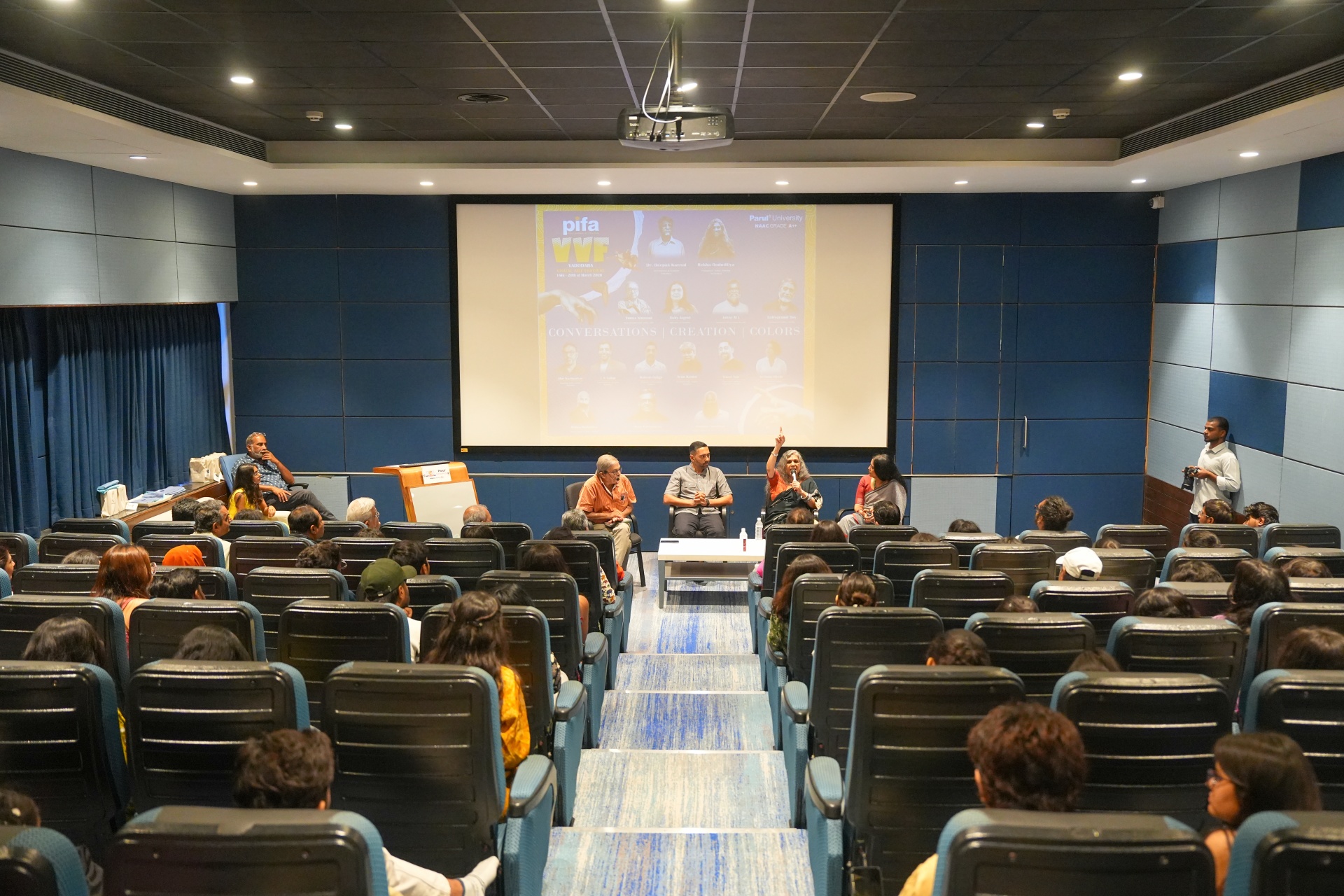
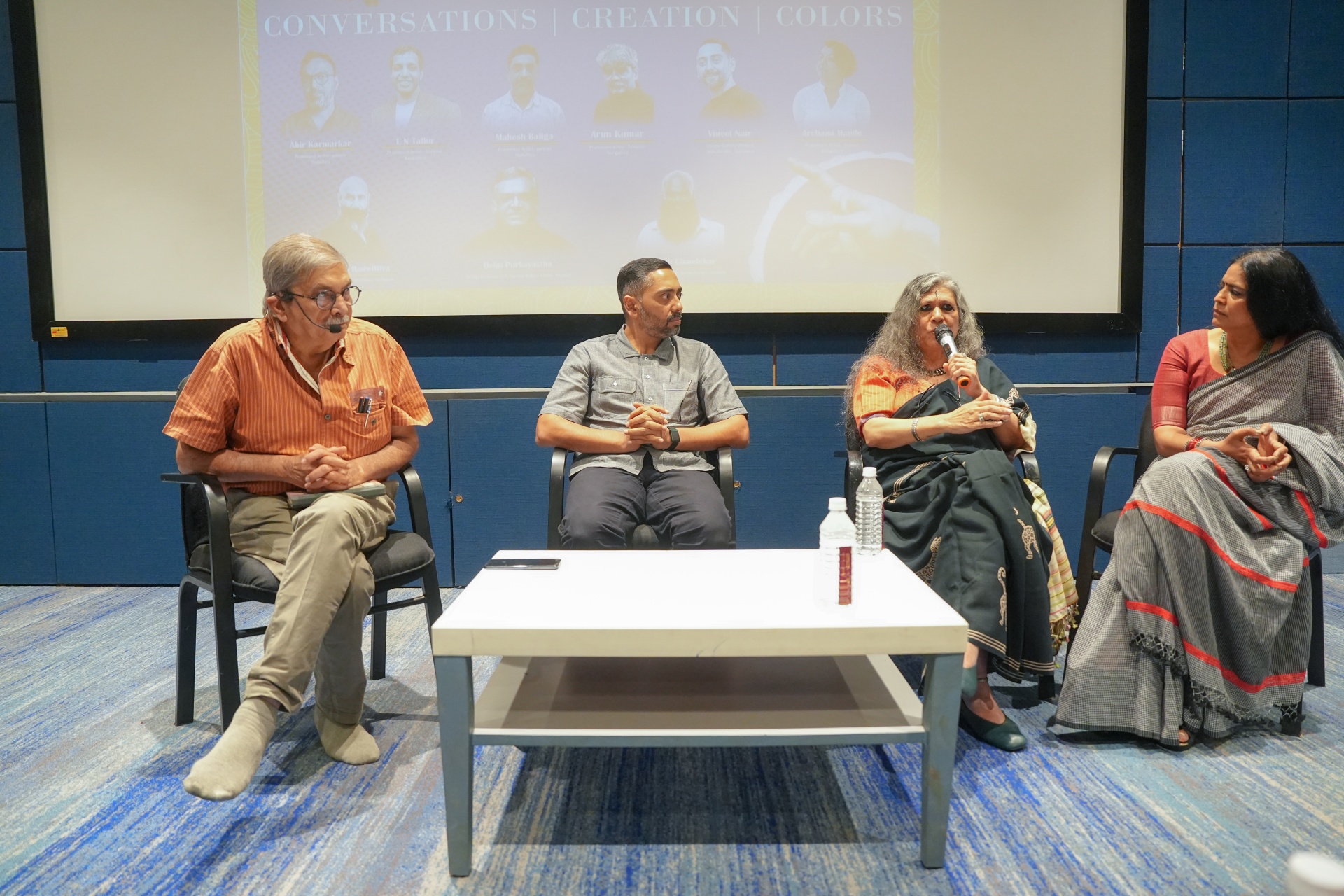
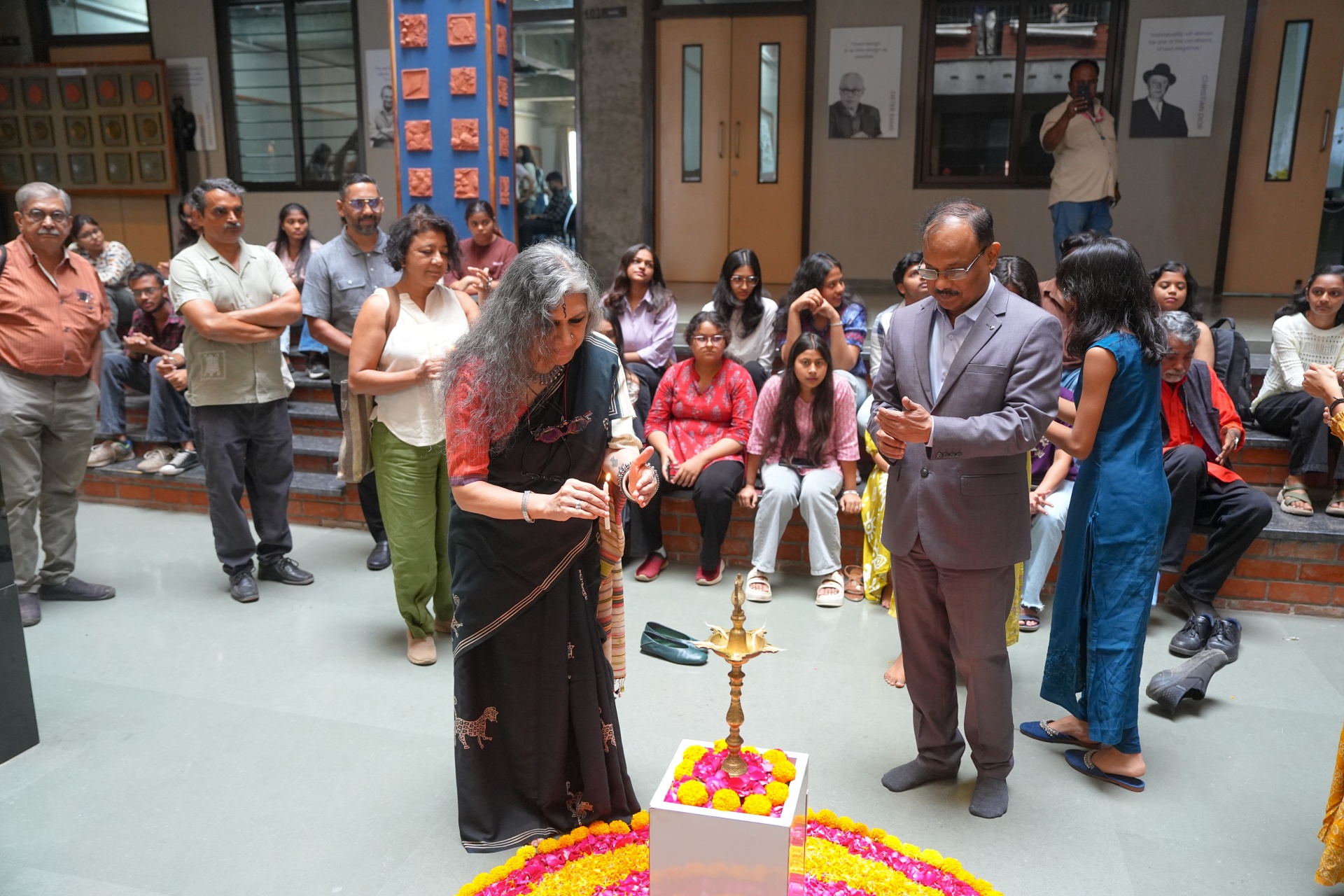
Parul University runs its own visual arts festival. The first edition of the Vadodara Visual Art Festival was held from 18 to 20 March 2026 across the Design Building and Oscar Hall at the Parul Institute of Fine Arts, bringing more than twelve practising artists, gallery founders, curators and advertising professionals into direct contact with students over three days. Presenting artists included the sculptor L.N. Tallur, the contemporary artist Archana Hande, the painter Mahesh Baliga, and Indrapramit Roy, Associate Professor and Dean of Students at MS University Baroda. Panels brought in Rekha Rodwittiya, Vinit Nair and Ruby Jagrut, and a session on applied arts featured Debojyoti Purkayastha, formerly Vice President at JWT and a Grand Prix winner at Cannes, alongside Saurabh Chandekar of AAIBA Designs, a Cannes Lions winner. Craft practice is taught by the people who hold it. Fine arts students have worked directly with fifteen master artisans across terracotta carried through twenty-eight generations, handmade paper made without chemicals, Kutch copper bells, glass blowing, wood carving and tribal beadwork. Vadodara Craft Week extends this through workshops, exhibitions and student and artisan collaborations in traditions including blue pottery and Tanjore painting.
What careers follow a Bachelor or Master of Visual Arts?
Graduates move into four broad areas. Studio and gallery practice covers work as a professional painter, visual artist, muralist and gallery artist. Commercial and communication roles cover art director, visual designer, advertising artist, concept artist and illustrator, largely within agencies, design studios, publishing houses and media companies. Institutional and cultural roles cover curation, museum and gallery management, heritage documentation, conservation support and cultural programming, which is where the Art and Heritage Management route leads. Teaching and academic work is the fourth, with a master's degree the usual entry requirement. Prospective students should understand how this profession pays. Studio and gallery practice is rarely salaried and income is irregular in the early years, building through exhibitions, commissions and reputation. Commercial and institutional roles are salaried and follow more conventional progression. A large proportion of working artists combine the two, and choosing the specialisation without understanding that pattern is the most common mistake applicants make.
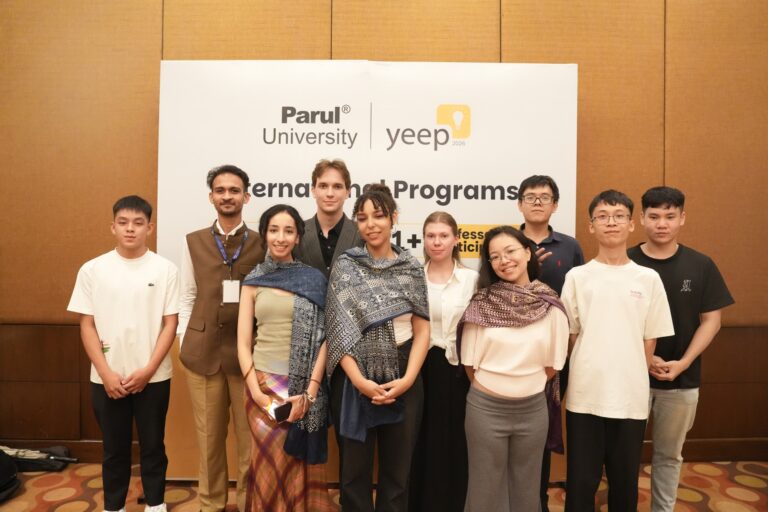
Parul University’s Global Discovery Program: Learn the core differences between…
Learn the importance of ESG and sustainability, and their central role in ESG-based education, nationally...
Read on the blog →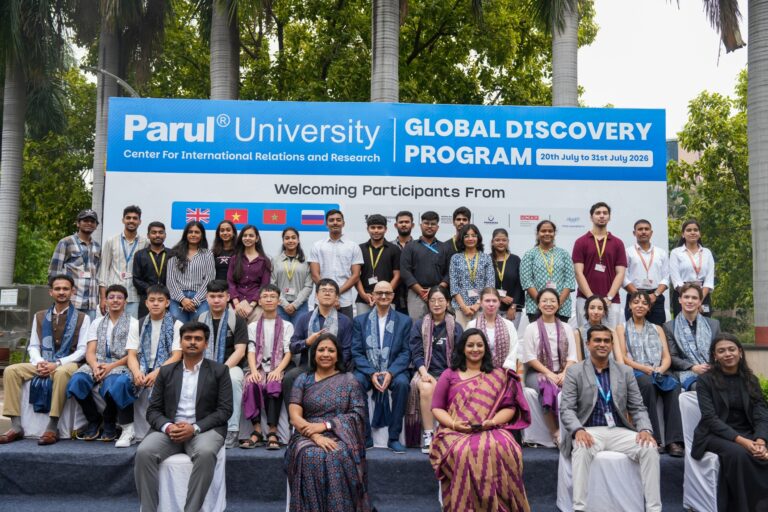
Inside a Sustainability Summer School in India: How Parul University’s…
In July 2026, Parul University launched its Global Discovery Program, a two-week sustainability summer school...
Read on the blog →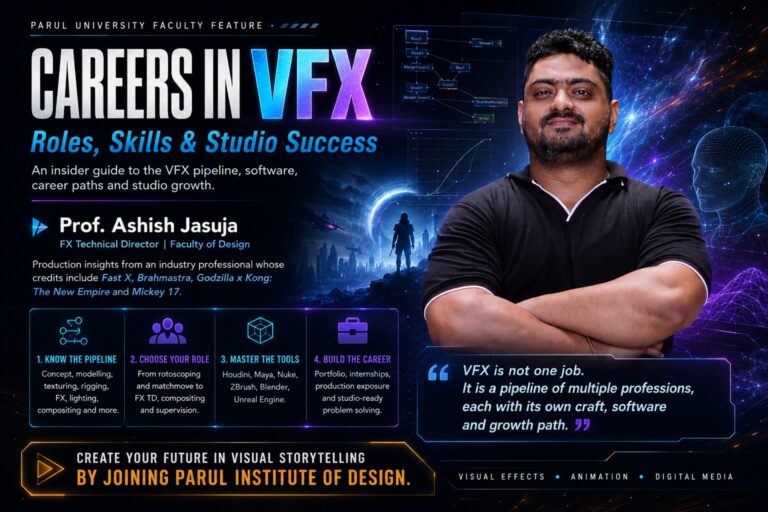
Careers in VFX: The Roles, the Skills and How to…
VFX artist isn’t just one job. It has many responsibilities - tools, skills, software, trends....
Read on the blog →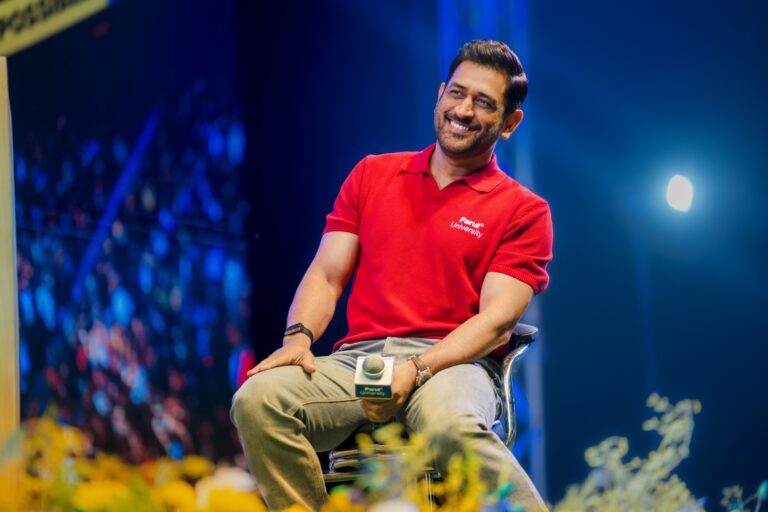
The “Yahan Possible Hai” Spirit – Mahendra Singh Dhoni’s Journey…
Every iconic innings begins with a choice. Champions are remembered not for the noise they...
Read on the blog →
Every Scholarship Pathway at Parul University Explained: Defence at 50…
Parul University scholarship pathways: Defence (40-50 percent for Gallantry, serving, and retired/deceased dependents), Sports, Cultural,...
Read on the blog →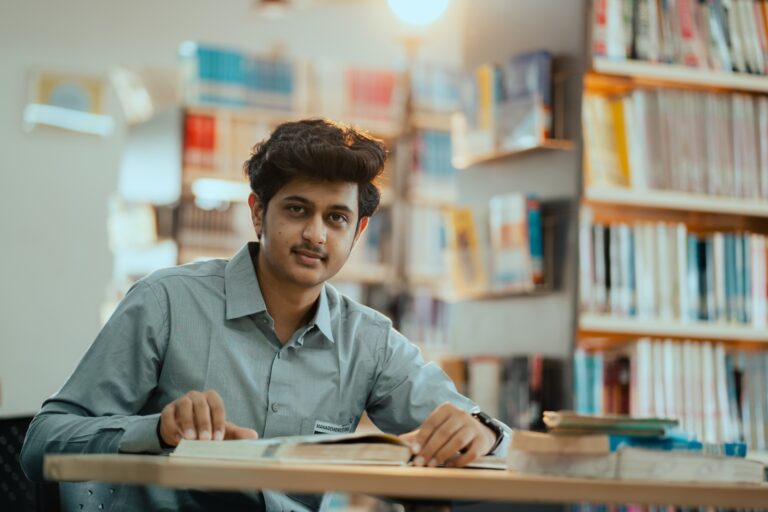
Undergraduate Admissions in India 2026: A Career Guide
Undergraduate admissions in 2026 are giving students many career choices. They range from engineering and...
Read on the blog →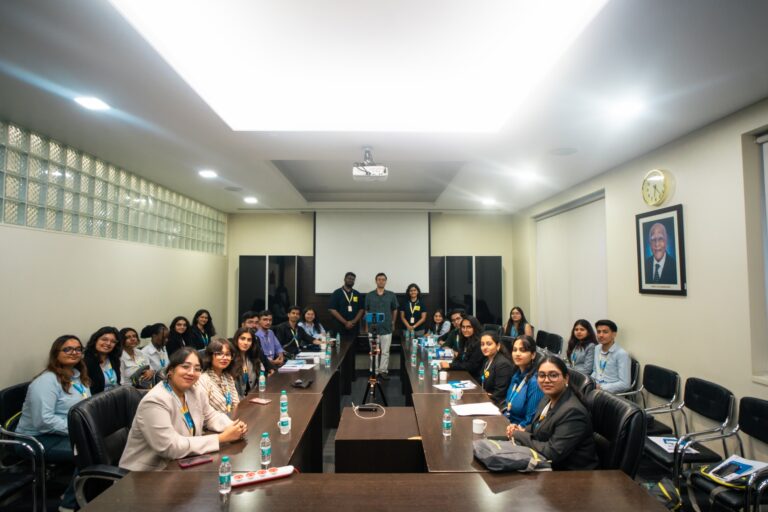
16 Speakers, 4 Days, 11 Venues Across Mumbai: What Parul…
Writers Tour 2026. 19-22 February. Parul University students from psychology, journalism, law, literature, pharmacy, and...
Read on the blog →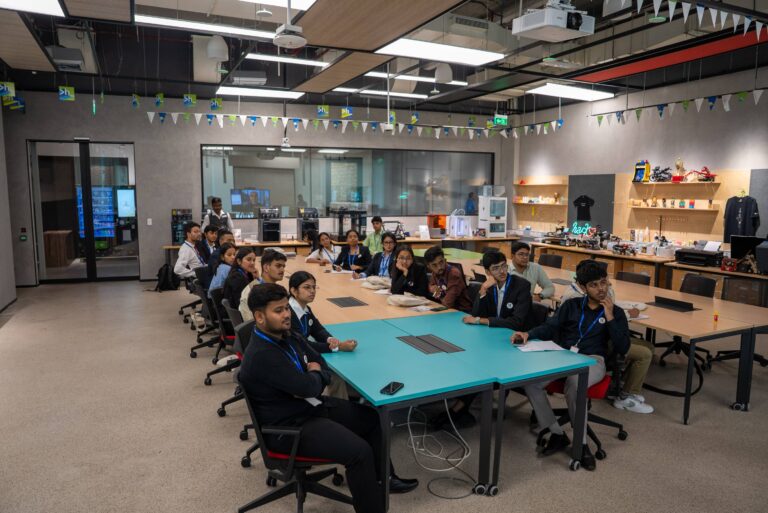
Every Parul University Course Mapped to the IIMUN Hyderabad Leadership…
Eleven sessions. Eleven programme mappings. If Dr Anuj Kumar Varshney's DRDO session inspired you, the...
Read on the blog →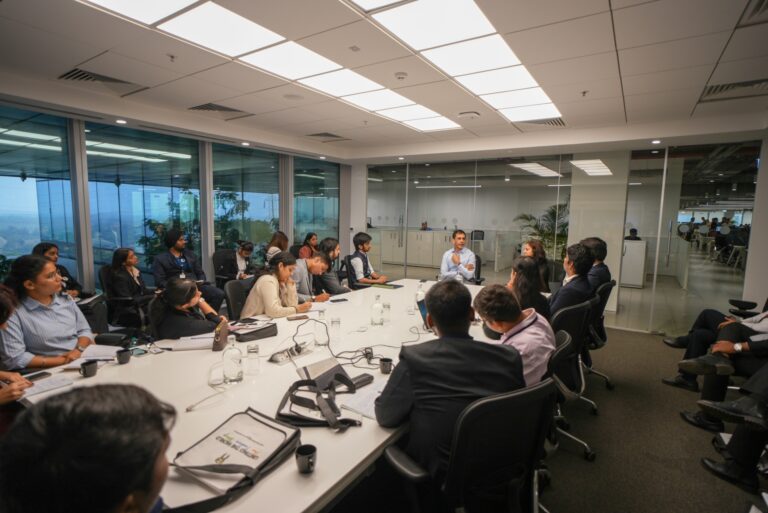
Parul University Economics Review: What Finance Students Actually Learned After…
Maria Neemuchwala published 5 LinkedIn posts documenting the tour. 12+ Quora answers from students (Amandeep,...
Read on the blog →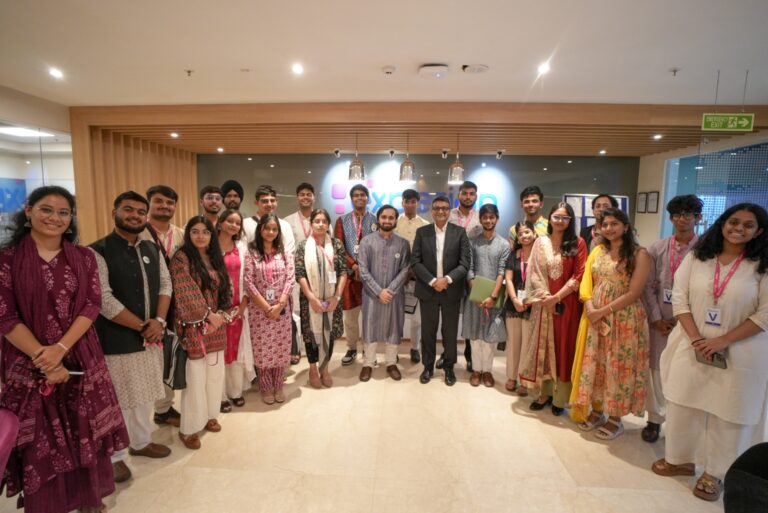
How NSE Detects Market Manipulation, NSDL Holds Your Securities, Morgan…
Just imagine - you study at the best institute, get to travel while gaining exposure...
Read on the blog →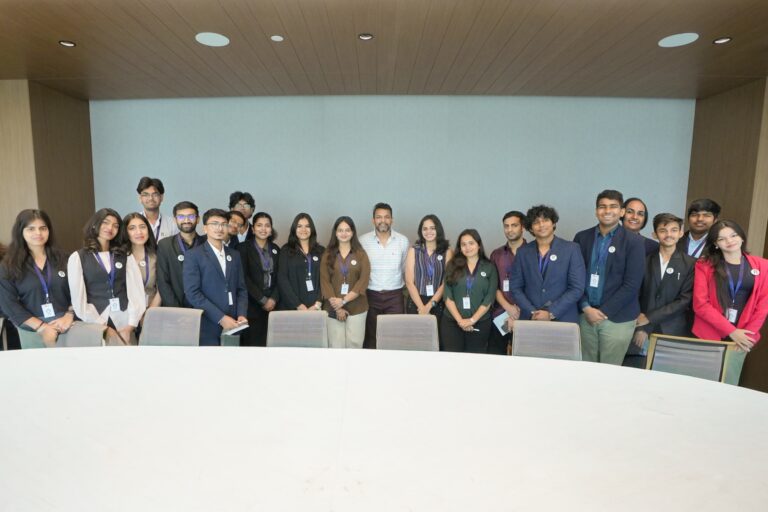
What the President of JioStar Told Students About Why AI…
Alok Jain, President of JioStar, IIT Delhi has worked across consulting, cement, automotive, telecom, turbine...
Read on the blog →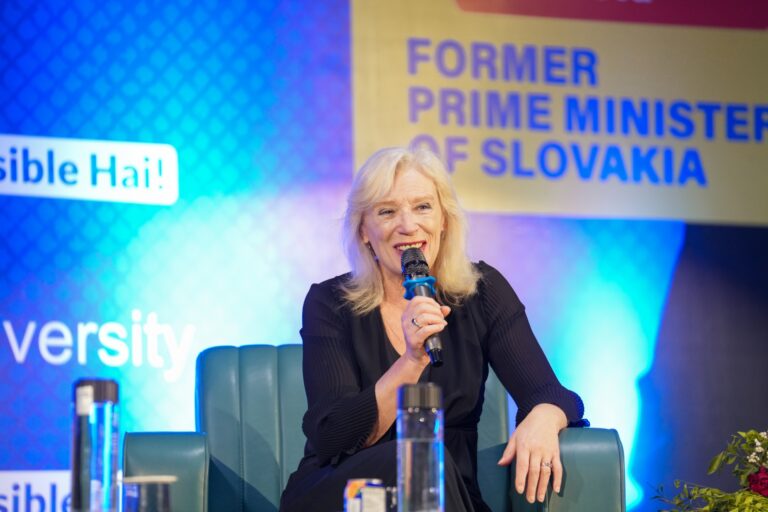
Former Slovakia’s Prime Minister Iveta Radicova In Conversation With The…
H.E. Iveta Radicova, first woman Prime Minister of Slovakia, at Parul University x IIMUN Global...
Read on the blog →

